Understanding Soil Types and Their Importance for Plant Growth
The Importance of Understanding Soil Types
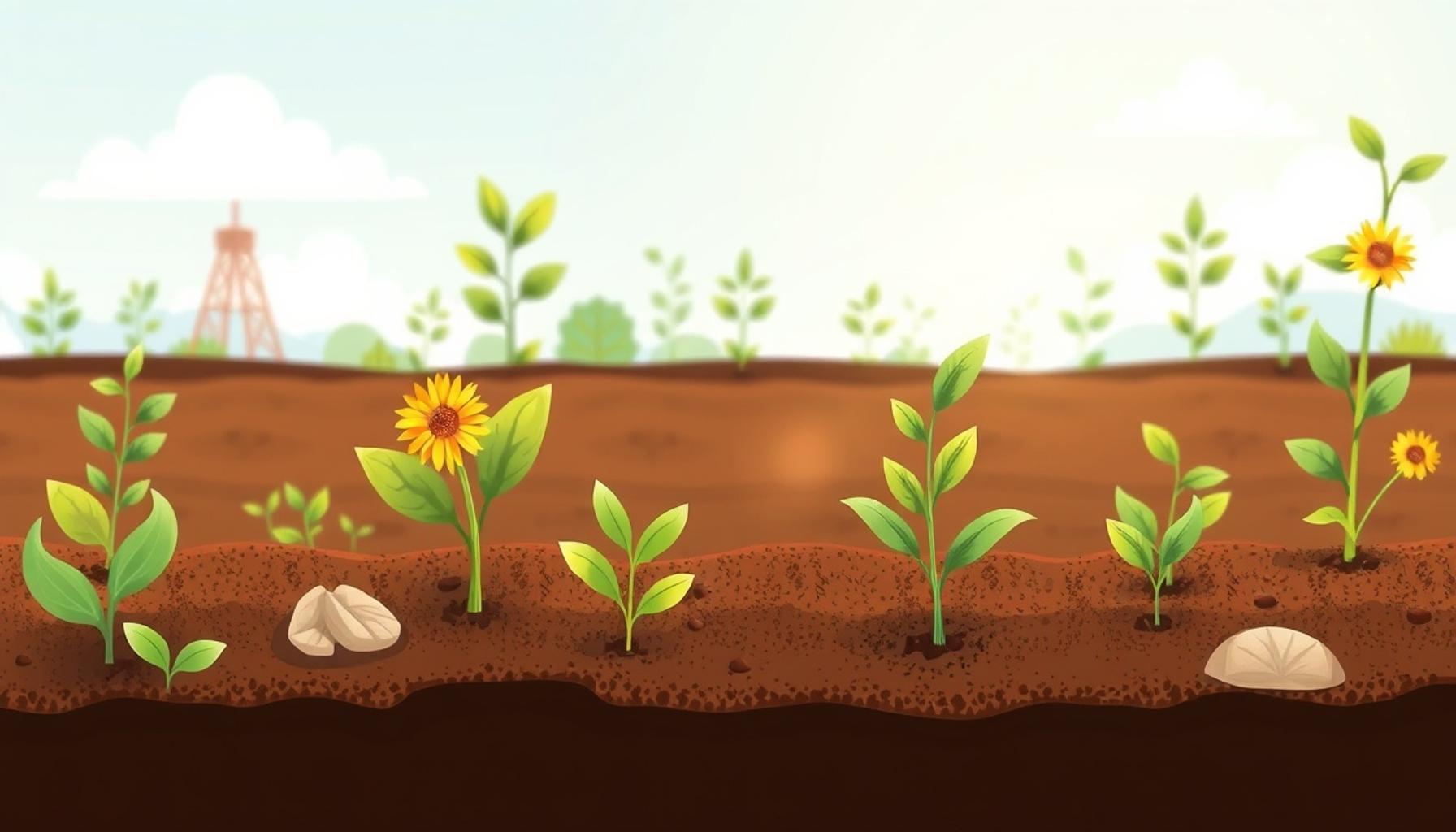
Soil serves as the backbone of terrestrial ecosystems, fostering life by providing a nurturing environment for plants. Each type of soil is defined by its composition, texture, and structure, all of which have profound implications for plant growth. For anyone engaged in gardening or agriculture, grasping the distinctions between soil types is essential for optimal plant health and productivity.
In the United States, variables such as climate, topography, and underlying geology contribute to the diverse range of soil types found across different regions. This regional variation not only affects local ecosystems but also influences the agricultural practices that can be successfully implemented. Recognizing these regional soil types allows growers, whether they are backyard gardeners or large-scale farmers, to choose the most suitable plants for their specific landscape.
Common Soil Types in the U.S.
Understanding the relevant soil types can vastly improve gardening success. Some of the most prevalent soil types found throughout the country include:
- Sandy Soil: This type of soil is characterized by larger particles that create a loose structure, resulting in excellent drainage. While sandy soil warms quickly in spring, allowing for early planting, its low nutrient retention makes it particularly suitable for root vegetables like carrots and potatoes that thrive with good drainage.
- Clay Soil: Clay consists of tightly packed particles that present challenges for drainage and aeration. Nonetheless, this nutrient-rich soil can sustain a variety of plants if managed properly. Its ability to retain moisture makes it an excellent choice for crops requiring consistent hydration, such as rice or corn. However, gardeners often need to amend clay soil with organic matter to improve its structure.
- Silty Soil: Recognized for its smooth texture, silty soil is fertile and holds moisture well, making it ideal for growing a broad range of plants, from vegetables to flowers. This type of soil often retains nutrients due to its fine particles, providing a richness that many gardeners seek. However, silty soil can be prone to erosion if not properly managed.
- Loamy Soil: Regarded as the ‘gold standard’ in gardening, loamy soil is a balanced mixture of sand, silt, and clay. This ideal composition supports robust plant growth by providing good drainage while retaining adequate moisture and nutrients. Commonly found in gardens across the country, loamy soil is suitable for nearly all types of plants, making it a favorite for home gardeners and landscapers alike.
Benefits of Understanding Soil Types
Recognizing the characteristics and advantages of various soil types empowers gardeners and farmers to make informed decisions that enhance their gardening experience. Some key actions that can be guided by an understanding of soil include:
- Selecting Appropriate Plants: Knowing the soil type informs gardeners about which plants are more likely to thrive. For example, if you have sandy soil, you might focus on plants like succulents and herbs.
- Improving Soil Quality with Amendments: By using organic compost, mulch, or fertilizers, you can enhance your soil, making it more conducive for specific plants even in less-than-ideal soil conditions.
- Implementing Effective Irrigation Methods: Different soils absorb and retain water differently. Understanding your soil type helps in selecting irrigation strategies that can conserve moisture and reduce water waste.
Armed with knowledge about soil types, gardeners and farmers can optimize their growing practices, leading to healthier plants and more abundant harvests. The journey into the world of soil is not just about nurturing plants; it’s about fostering a sustainable relationship with our environment.
DISCOVER MORE: Click here to explore your indoor gardening options
Exploring the Characteristics of Different Soil Types
Each soil type exhibits a unique composition and set of traits that directly influence its suitability for various plants. Understanding these characteristics is vital not only for hobbyist gardeners but also for farmers aiming to optimize crop yields. Let’s delve deeper into the elements that define each soil type and their implications for plant health.
Soil Texture plays an important role in determining water retention, nutrient availability, and aeration. The three primary soil particles—sand, silt, and clay—vary in size, with sand being the largest and clay the smallest. This variation affects how the soil behaves under different conditions. For instance, understanding soil texture can help in predicting how well a soil will hold moisture, which is crucial during dry spells.
- Water Retention: Coarse sandy soils drain quickly, often leading to drought stress in plants if not managed properly. In contrast, clay soils can become waterlogged, hindering root respiration and ultimately stunting plant growth. Knowing the water retention capabilities of your soil can guide irrigation practices and prevent over or under-watering.
- Nutrient Availability: Nutrient retention is also influenced by soil texture. Sand’s larger particles create more space for drainage, but this limits its ability to hold on to essential nutrients. Meanwhile, the compact nature of clay enables it to store nutrients effectively, making it an excellent base for crops that require rich soil conditions.
- Aeration: For healthy plant growth, roots need access to oxygen. Sandy soils provide great aeration due to their loose structure, while clay soils can trap air, making it vital for gardeners to incorporate organic material to enhance soil structure and improve aeration.
The pH level of the soil, which indicates its acidity or alkalinity, also significantly impacts plant life. Most plants prefer a pH range of 6.0 to 7.5, which balances nutrient availability. Certain soils, however, may be more acidic or alkaline due to their mineral content. For instance, soils in the southeastern United States often exhibit higher acidity levels due to rain leaching away basic nutrients, thus requiring amendments to maintain optimal growing conditions.
Another essential consideration is the organic matter content in the soil. A rich layer of organic material not only enhances soil structure but also boosts its nutrient content and microbial activity, benefiting plant health and growth. The decomposition of organic matter contributes to the formation of humus, which improves moisture retention and soil fertility. Gardeners can increase organic matter by incorporating compost, leaf litter, and other organic materials into their soil.
Understanding these soil characteristics allows individuals to conduct soil tests and make informed decisions on amendments, which can result in better plant growth and increased yields. By recognizing the importance of soil types, gardeners and farmers can better manage their soil and optimize it for the plants they wish to cultivate.
| Soil Type | Importance for Plant Growth |
|---|---|
| Sandy Soil | Allows for excellent drainage and prevents root rot, making it ideal for drought-tolerant plants. |
| Clay Soil | Rich in nutrients but can impede growth due to poor drainage; understanding this soil helps in managing water retention. |
| Loamy Soil | Considered the best soil for growth, offering a balance of drainage and nutrient-holding capacity. |
| Silty Soil | Holds moisture well, which benefits plants that require consistent water supply. |
Understanding the various types of soil not only enhances our ability to cultivate healthy plants but also contributes to sustainable agricultural practices. Each type has unique characteristics that directly influence plant growth by affecting how water and nutrients are retained and supplied. For instance, sandy soil exemplifies a type that, while poor in nutrients, allows roots to thrive in well-drained conditions, reducing the risk of fungal diseases. Conversely, clay soils, albeit nutrient-rich, can lead to waterlogged roots if not properly managed, highlighting the importance of soil awareness for effective gardening. By leveraging the benefits of different soil types, gardeners can select the right plants and practices to promote vibrant growth and sustainability in their landscapes. Understanding the intricate relationships between soil type and plant health opens the door to improved horticultural outcomes, fostering a deeper connection with nature’s ecosystems.
DISCOVER MORE: Click here to learn how to set up your own herb garden
The Role of Soil Microorganisms and Nutritional Dynamics
Beyond soil texture, pH, and organic matter, soil microorganisms play a pivotal role in the ecosystem of plant growth. A thriving community of bacteria, fungi, and protozoa not only decomposes organic matter but also enhances nutrient cycling and availability in the soil. These microorganisms create symbiotic relationships with plants, particularly mycorrhizal fungi, which extend the root systems of plants. This partnership enables plants to access nutrients and moisture beyond their immediate reach, resulting in healthier and more vigorous growth.
Microbial Activity is particularly essential in nutrient cycling. For instance, nitrogen-fixing bacteria convert atmospheric nitrogen into forms that plants can absorb and utilize. This is particularly important in the case of legumes, which rely on these bacteria to enrich the soil. Furthermore, microorganisms help in breaking down complex organic compounds into simpler forms, thus making nutrients more accessible to plants. Therefore, understanding the diversity and function of these microorganisms should influence soil management practices, guiding efforts to maximize the biological health of soils.
Another crucial factor in plant growth is the nutritional balance within the soil. Essential nutrients like nitrogen, phosphorus, and potassium—often referred to as NPK—are critical for various plant functions such as photosynthesis, root development, and fruiting. Soil tests can reveal nutrient deficiencies, enabling gardeners and farmers to tailor their fertilization strategies. For instance, certain crops might demand higher nitrogen levels, while others may thrive in phosphorus-rich environments. Recognizing these requirements allows for targeted applications that not only enhance plant growth but also reduce wastage of fertilizers, contributing to sustainable agricultural practices.
Soil Compaction and Its Impacts
Soil compaction is another phenomenon that can severely affect plant growth. Compacted soils, often a result of heavy machinery or foot traffic, hinder root penetration and reduce aeration, ultimately blocking pathways for water and nutrients. Understanding how to manage and alleviate compaction is crucial for promoting a healthy root system. Techniques such as crop rotation, using cover crops, and no-till farming are effective means of reducing soil compaction and promoting soil health.
The Impact of Soil Salinity
In some areas, especially in arid regions or regions influenced by irrigation practices, soil salinity can pose significant challenges to plant growth. High salinity levels can lead to poor water uptake by plants, resulting in stress and reduced yields. Strategies for mitigating salinity issues include selecting salt-tolerant crop varieties and employing practices such as leaching—applying extra water to wash away excess salts. Recognizing the salinity status of soil is vital for effective water management, and adjustments can lead to more productive agricultural systems.
Conclusively, understanding the intricate interplay between soil types, microorganisms, nutrient dynamics, and physical properties like compaction and salinity is paramount for optimizing plant growth. By delving into these aspects, gardeners and farmers can cultivate a deeper appreciation of their soils, paving the way for healthier plants and more sustainable practices in agriculture. The journey into understanding soil types doesn’t merely end with identification, but rather expands into enhancing and maintaining the life-supporting properties of this essential resource.
DON’T MISS: Click here to discover the art of seasonal composting
Conclusion: The Vital Role of Soil in Sustainable Agriculture
In conclusion, understanding soil types and their inherent characteristics is not just an academic exercise but a fundamental necessity for anyone engaged in plant growth. The diversity of soil—from sandy to clay-rich—impacts the ability of plants to thrive, highlighting the need for informed soil management practices. Each soil type harbors unique properties that affect moisture retention, nutrient availability, and the activity of essential soil microorganisms, all of which interact intricately to support plant life.
Moreover, the importance of soil microorganisms cannot be overstated. These tiny organisms play a critical role in nutrient cycling and contribute to the overall health of the soil ecosystem. By fostering a rich microbial biodiversity, farmers and gardeners can enhance soil fertility, leading to stronger, more resilient plants.
It is equally essential to address challenges such as soil compaction and salinity. Awareness and proactive management of these factors can prevent planting failures and ensure steady growth in both home gardens and agricultural systems. By implementing strategies such as crop rotation, cover cropping, or selecting appropriate plant varieties, we can optimize soil conditions and promote sustainable practices yielding long-term benefits.
Ultimately, by nurturing a comprehensive understanding of the relationships between soil types and plant growth, we can lay the groundwork for a sustainable agricultural future. This journey encourages not only better practices but a greater respect for the environment, ensuring that both current and future generations have access to healthy, productive land resources.