Choosing the Right Plants for Different Sunlight Conditions
Understanding Sunlight Requirements
Effective gardening is as much about intuition as it is about knowledge, particularly when it comes to the sunlight requirements of plants. Different species flourish under varying light conditions, and recognizing these needs can lead to a vibrant and thriving garden. With so many options available, knowing whether your space is basked in warm sunshine or draped in cool shade is vital to making informed choices. A tailored approach to planting not only enhances aesthetic appeal but also ensures that your plants are healthy and productive.
Types of Sunlight Conditions
- Full Sun: This term refers to areas receiving 6 or more hours of direct sunlight each day. Such exposure suits many flowering plants and vegetables, which require ample light for photosynthesis.
- Partial Shade: A location classified as partial shade typically enjoys 3-6 hours of direct sunlight, often with elements of indirect light filtering through trees or nearby structures. This condition supports a diverse array of plants, including some ornamental species.
- Full Shade: Full shade areas receive less than 3 hours of direct sunlight each day. This environment can be challenging for many plants, but there are numerous striking varieties that thrive where sunlight is scarce.
Understanding these categories is imperative for any gardener. If your garden is primarily in full sun, for example, it opens up a realm of possibilities for growing vegetables like tomatoes, herbs like basil, or cheerful annuals like sunstars that prefer ample sunlight. Conversely, shaded gardens can showcase stunning ferns and hostas that impart lushness and depth to your landscape.
Popular Plant Options by Sunlight
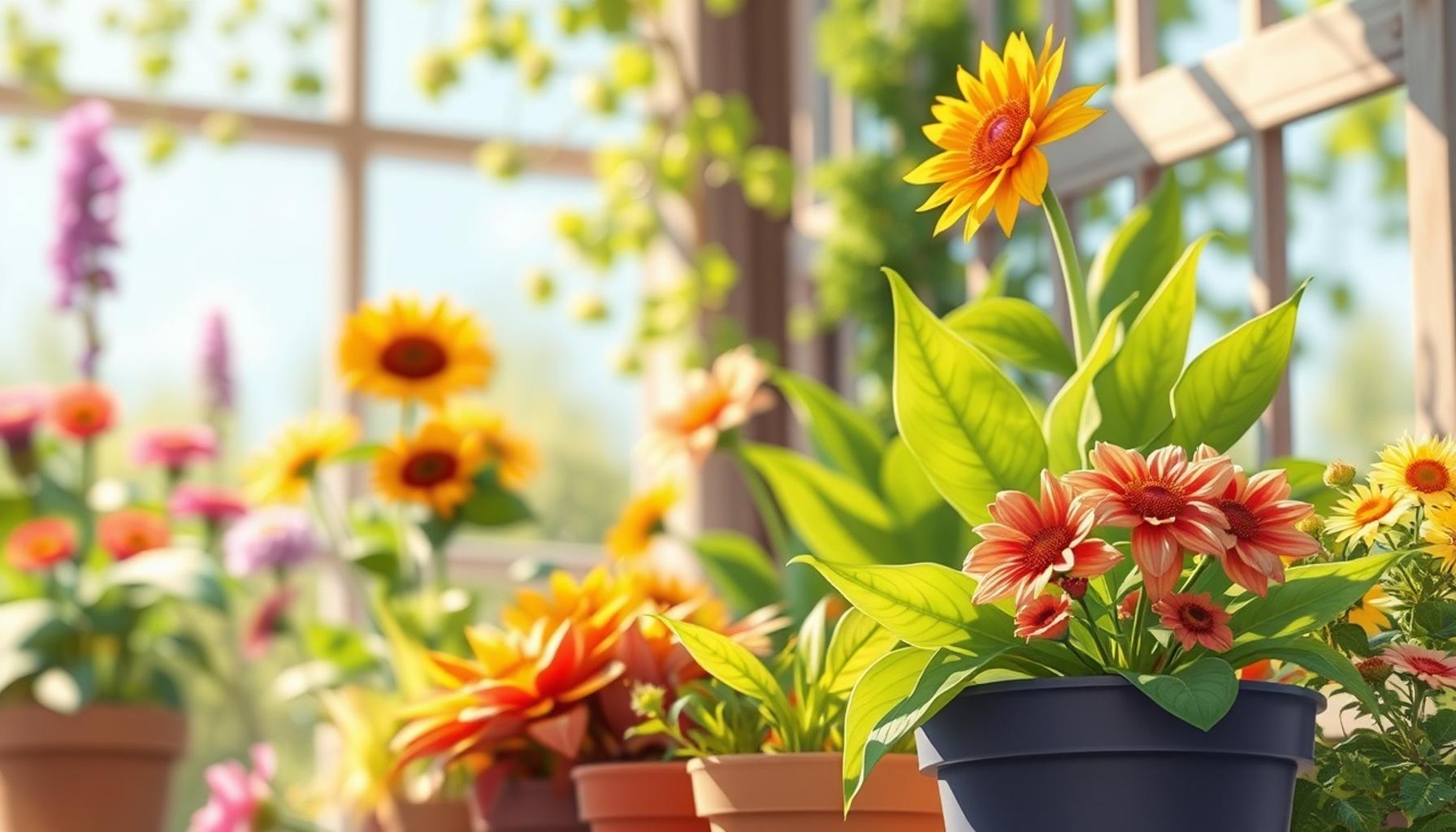
- Full Sun Plants: To make the most of sunny spots, consider sturdy yet vibrant options such as lavender, known for its fragrance, or sunflowers, which can provide a cheerful display throughout the summer.
- Partial Shade Plants: If your garden falls under partial shade, enriching it with impatiens adds a splash of color, while ferns can create texture and visual interest.
- Full Shade Plants: Gardens with restricted sunlight can still impress with the delicate flowers of begonias or the graceful arching leaves of Japanese Forest Grass.
While a plant’s sunlight requirement is undoubtedly crucial, this is merely one element in the multifaceted world of gardening. Factors such as soil type, moisture levels, and regional climate play significant roles in plant health and growth. For example, succulents might thrive in sandy, well-drained soil under the bright sun of the Southwest, while moisture-retentive soil might be best for shade-loving plants in humid areas of the Southeast.
Discovering the right plants for your yard is just the beginning of your journey towards a flourishing garden. By taking the time to observe the sunlight patterns in your outdoor space, you can choose plants suited to their environment, ultimately paving the way for a successful, long-lasting garden that you can cherish for years to come.
DIVE DEEPER: Click here to uncover more about soil pH!
Navigating Plant Choices for Sun-Drenched Spaces
When considering the flourishing of your garden, the significance of selecting plants according to their sunlight conditions cannot be overstated. Each plant has its own unique preferences for light exposure, which plays a crucial role in its overall health and vibrancy. Making savvy choices based on the sunlight available in your space ultimately leads to a garden that not only looks good but thrives. By identifying the various light conditions, you can explore your options effectively and elevate your outdoor experience.
Full Sun: Maximizing Energy and Growth
In regions characterized by full sun, garden enthusiasts can engage in a delightful exploration of colorful and productive plants. Areas that bask in 6 or more hours of direct sunlight each day are the ideal setting for a range of eye-catching blooms and nourishing vegetables. Rapid growth and high yields become feasible, rewarding gardeners with an abundance of produce. Notable options for full sun settings include:
- Tomatoes: These vibrant fruits demand bright sunlight for optimal photosynthesis, resulting in plump and juicy harvests.
- Sunflowers: With their tall and cheerful disposition, sunflowers bring a lively presence to any sunny spot, attracting pollinators.
- Lavender: The pleasant aroma and striking purple flowers of lavender thrive under sunlight and can add both beauty and utility to your garden with its myriad uses.
Not only do plants in these regions benefit from ample light, but they also foster a thriving ecosystem, supporting a variety of insects and wildlife that contribute to pollination and soil health.
Partial Shade: A World of Possibilities
For those gardens receiving partial shade, characterized by 3 to 6 hours of direct sunlight, the range of plant choices expands significantly. These areas often benefit from dappled light or the coolness provided by nearby trees and structures. Plants adapted to these conditions may experience less stress regarding heat, which allows gardeners to diversify their selections. Noteworthy plants for partial shade conditions include:
- Impatiens: Known for their colorful blossoms, impatiens are a staple for adding vibrant hues to shaded spots.
- Ferns: With their lush foliage, ferns can create stunning textural contrasts in your garden, highlighting the charm of a shaded environment.
- Hostas: These hardy perennial plants come in a variety of colors and sizes, making them perfect for adding visual interest in low-light areas.
By incorporating plants suited for partial shade, gardeners can create beautifully layered landscapes that captivate the senses and foster a serene atmosphere.
Full Shade: Thriving in the Dark
Even in the shadiest corners of your yard, opportunities abound with the right full shade plants. Environments that see less than 3 hours of direct sunlight require careful selection, but many unique and attractive plants are perfectly suited for these low-light conditions. Adaptable species include:
- Begonias: These flowering plants bring poppin’ colors and can thrive in moister, shaded conditions, making them an ideal choice for full shade gardens.
- Japanese Forest Grass: Offering graceful arching leaves, this ornamental grass adds movement and elegance to shaded areas.
- Astilbe: Known for its feathery plumes of flowers, astilbe brings texture and softness, making it a brilliant addition to shaded landscapes.
As evident from these options, even the most shadowy spaces can become enchanting havens with a strategic selection of plants that thrive in limited light.
| Sunlight Condition | Recommended Plants |
|---|---|
| Full Sun | Plants such as sunflowers and lavender thrive in high exposure, ensuring vibrant blooms. |
| Partial Shade | Consider hostas and ferns that flourish in conditions where sunlight is filtered throughout the day. |
| Full Shade | Plants like astilbe and bleeding hearts are ideal for areas with minimal light, showcasing unique foliage. |
| Indirect Light | Succulents and pothos thrive in spaces that receive diffused light, providing adaptable options for indoor gardening. |
Understanding how to properly match plants to their environment is crucial for successful gardening. Selecting the right species based on sunlight conditions can significantly enhance plant health and aesthetic appeal in both indoor and outdoor settings. Discovering which plants thrive in your particular conditions is not only key to fostering a healthy garden but also promotes sustainable practices, ensuring resources are used effectively and thoughtfully. A well-placed plant in optimal sunlight can result in lush growth, beautiful displays, and fewer pest problems, making the careful choice of flora a rewarding endeavor for any gardener.
DIVE DEEPER: Click here for essential gardening tips
Catering to Unique Light Needs
In the pursuit of a flourishing garden, understanding the complexities of various light conditions becomes essential. While it may be tempting to gravitate towards popular plants, delving deeper into their specific light requirements ensures sustainable growth and vitality. Exploring less common but rewarding options tailored to your garden’s specific sunlight scenario can lead to delightful discoveries and a uniquely cultivated outdoor space.
Special Cases: Conditions Beyond Full Sun and Shade
Beyond the standard categorizations of full sun, partial shade, and full shade, there are transition zones where plants must adapt to fluctuating light throughout the day. These areas may receive bright morning light with afternoon shade, or even areas with dappled sunlight. Here, the right selection of plants can create a harmonious blend of resilience and beauty. Some excellent plant options for these transitional light conditions include:
- Foxgloves: These enchanting biennials thrive in both full and partial shade, offering stunning vertical blooms that attract pollinators and elevate any garden’s appearance.
- Pansies: With their cheerful faces, pansies can brighten up even partial shade areas, adding vibrant color and variety to your landscape.
- Coral Bells: Renowned for their colorful foliage, coral bells perform well in either partial sun or shade, providing both texture and interest with their unique leaf shapes.
When considering these plants, designers and gardeners can create an eye-catching and layered look, echoing the natural beauty found in diverse ecosystems.
Understanding Microclimates
As gardeners venture deeper into plant selection based on sunlight conditions, they must also contemplate the concept of microclimates. Variations in temperature, humidity, wind exposure, and moisture levels affect the overall viability of plants within a garden’s distinct areas. For instance, a south-facing wall can create a warmer microclimate perfect for heat-loving plants, while the north side of a structure may yield a cooler space suitable for shade-tolerant varieties.
This insight into environmental nuances can lead to recommendations such as:
- Salvia: In microclimates that receive ample warmth, salvia can flourish, attracting both bees and hummingbirds while adding bold splashes of color.
- Astilbe: Ideal for cooler, moister spots, astilbe thrives in partial shade and adds lovely feathery blooms that enhance texture in gardens.
- Shade-tolerant berries like Blackcurrant: For those shaded areas with a bit of moisture, these plants produce delightful fruit with minimal sunlight, bringing culinary potential to the garden.
The Importance of Seasonal Adaptation
Gardening through the seasons also plays a pivotal role in maximizing plant success based on sunlight exposure. Seasonal adaptations may influence how well plants perform under different light conditions. For instance, some plants that thrive during the warmer months may not tolerate winter’s waning light. Understanding the seasonal light conditions allows gardeners to plan appropriately. Annuals and perennials, such as:
- Marigolds: Effective for summery gardens basking in sunlight, they can provide vibrant color and pest-repelling properties.
- Pansies: Well-suited for both spring and fall, these colorful blooms adapt well to cooler temperatures and partial shade.
- Your favorite bulb plants: Plants like tulips and daffodils relish the sunlight in early spring, marking an enchanting return to the garden after winter.
By recognizing seasonal patterns in light exposure, gardeners can synchronize their plant selections for optimal impact, ensuring that their gardens remain visually appealing throughout the year.
DON’T MISS: Click here for seasonal composting tips
Conclusion: The Key to a Thriving Garden
In conclusion, choosing the right plants for different sunlight conditions is crucial for fostering a vibrant and sustainable garden. By understanding the varying degrees of light exposure—including full sun, partial shade, and complete shade—gardeners can make informed decisions that cater to the specific needs of their plants. Not only does this promote healthy growth, but it also enhances the aesthetic appeal of outdoor spaces, allowing for creativity and personalization in garden design.
Beyond the basics, exploring microclimates and seasonal adaptations opens up a plethora of options. Recognizing how varying environments affect plant viability and performance allows gardeners to harness the hidden potential within their spaces, including unique transitions and sheltered areas. Additionally, by selecting plants that are suited to their specific light scenarios, enthusiasts can enjoy an ever-changing tapestry of blooms, colors, and textures throughout the year.
As a gardener, don’t shy away from experimenting with both native and exotic species that thrive within your garden’s unique light conditions. Engaging with the beautiful complexities of sunlight can lead to unexpected rewards, whether it’s attracting pollinators, providing shade, or even growing your culinary favorites. Ultimately, the journey of cultivating your garden begins with the simple yet profound act of understanding light, granting you the power to create a flourishing, diverse haven filled with life. Explore, experiment, and enjoy the wonders that await in your garden!