Identifying Types of Plants: How to Choose the Right Ones for Your Space
Understanding Your Planting Choices
As urban spaces evolve, so does our desire to connect with nature. The act of selecting the right plants can transform even the most unremarkable areas into lush, inviting environments. It opens up possibilities for apartment dwellers to enhance their interiors with houseplants or for homeowners to create stunning gardens filled with seasonal blooms. What remains critical, however, is the ability to identify plants that will flourish within the specific conditions of your space.
But how do you effectively navigate through the myriad of options available? Here are some pivotal factors to consider when embarking on your plant selection journey:
- Light Conditions: Start by assessing the light availability in your space. Direct sunlight often benefits plants like succulents and cacti, which thrive in bright, warm environments. In contrast, areas with partial shade may be ideal for plants such as ferns or begonias, while lower-light spaces can support hardy varieties like snake plants or pothos.
- Climate Suitability: The United States spans several climate zones, from the cold winters of the Northeast to the Mediterranean heat of California. Knowing your local climate and hardiness zone ensures that you choose plants adapted to these conditions. For example, the hardy azaleas flourish in various regions of the South, while delicate orchids may need consistent warmth and humidity found in indoor setups.
- Space: Consider the size of your intended planting area. A large garden allows for a diverse array of plants, including shrubbery and trees, while limited indoor spaces are better suited for compact varieties. Keep in mind the growth potential of a plant; for instance, a small container may initially accommodate a young ficus, but it could later require repotting into a larger space as it flourishes.
- Maintenance Level: Different plants require varying degrees of care. If you are new to gardening or have a hectic schedule, you may prefer low-maintenance plants such as zinnias or succulents, which demand minimal watering and attention. Alternatively, if you are enthusiastic about gardening and have time to dedicate, you could explore more intricate houseplants like orchids or bonsais that need specific care routines.
By thoughtfully understanding these critical elements, you’re better equipped to cultivate a thriving green space that reflects your personality and lifestyle choices. Engaging with the fascinating world of plants can not only beautify your environment but also enhance emotional well-being, offering a soothing escape from the hustle and bustle of everyday life. Join us in exploring the diverse plant kingdom, and discover intelligent choices that will elevate your home and enrich your life.
DON’T MISS: Click here to learn about common watering mistakes
Understanding Plant Categories and Their Requirements
When transforming your indoor or outdoor space, knowing the variety of plants and their specific needs can significantly ease the selection process. The planet boasts thousands of plant species, each with its own characteristics, care requirements, and aesthetic contributions to your surroundings.
To successfully navigate this diversity, it is helpful to break down plants into distinct categories. Let’s explore some of these prominent groups in more detail:
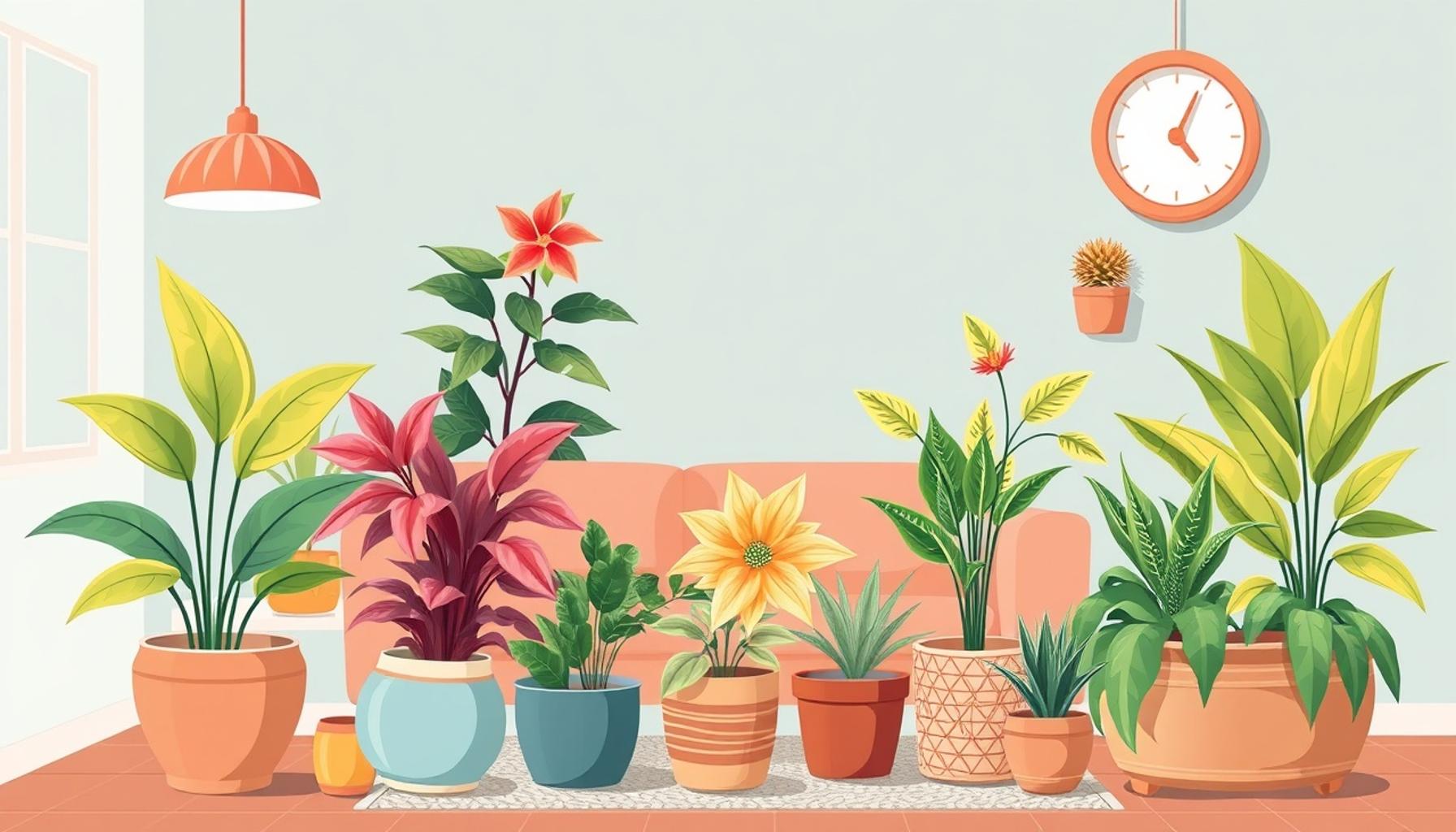
- Foliage Plants: These plants thrive primarily for their foliage rather than flowers. Options such as ferns, spider plants, and the ever-resilient ZZ plant not only beautify a space with lush greenery but also act as natural air purifiers. For instance, the spider plant is renowned for its ability to remove harmful pollutants like formaldehyde and xylene from the air. Their different shapes and sizes make them adaptable for various locations, from your living room to your office desk, allowing you to enhance your environment aesthetically while benefiting your health.
- Flowering Plants: If it’s a burst of color you crave, flowering plants like petunias, geraniums, and marigolds can invigorate your space with seasonal blossoms. These plants typically have specific lighting and irrigation requirements— for example, petunias thrive in full sun and will bloom best with regular watering. Cultivating knowledge about these requirements can ensure they remain vibrant and cheerful throughout their growing season, much like an ever-changing palette of nature’s finest artwork.
- Succulents and Cacti: Ideal for those with busy lifestyles, these plants require minimal maintenance and thrive on neglect. Varieties such as aloe vera, jade plants, and barrel cacti need very little water, making them perfect for individuals who may forget to water regularly. They flourish in bright, sunny spots, particularly adorning windowsills where they can soak in the sunshine, providing unique visual interest and reducing stress.
- Herbs and Edibles: For culinary enthusiasts, incorporating edibles into your plant selection is both gratifying and practical. Think of growing fragrant herbs like basil, parsley, and rosemary, which can elevate your cooking. These plants can thrive in small pots on your kitchen windowsill, offering fresh flavors at your fingertips while emanating delightful aromas that enhance your kitchen ambiance.
- Trees and Shrubs: If you have the luxury of an outdoor space, selecting the right trees and shrubs can create a visually striking and serene environment. Consider majestic trees such as maples, known for their stunning fall foliage, or dogwoods, which showcase beautiful spring blossoms. Hardy shrubs like hydrangeas or lilacs can provide structure and seasonal variation in your garden, creating a dynamic landscape that evolves throughout the year.
By understanding these plant categories along with their unique care requirements, you can cultivate a diverse and thriving ecosystem tailored to your lifestyle. Choosing plants is not solely about aesthetics; it involves recognizing your ability to nurture and maintain them. When considering options, take into account the light conditions, regional climate, and your commitment to maintenance. This thoughtful approach will not only elevate the beauty of your home but will also enrich your well-being.
| Plant Category | Description and Benefits |
|---|---|
| Indoor Plants | Indoor plants purify air, improving indoor environments, and enhance mental well-being. |
| Succulents & Cacti | Succulents and cacti require minimal watering, making them perfect for busy lifestyles. |
| Flowering Plants | Flowering plants provide vibrant colors and fragrances, elevating the aesthetics of any space. |
| Herbs | Herbs not only enhance culinary experiences but also offer therapeutic qualities, promoting overall wellness. |
Selecting the appropriate plants for your space not only beautifies your surroundings but also promotes a healthier living environment. Each plant category has unique features that contribute to varied purposes, from removing toxins in your home to enhancing your cooking experience. Understanding the specific requirements and benefits of plants can motivate you to explore your green thumb further, leading to a space that reflects your personal style and enhances your quality of life. Consider how much sunlight, space, and maintenance you can provide to ensure the thriving spirit of your plant selections. As you ponder the elements of your space, remember that the right plants can transform not just your surroundings, but also your mood and overall outlook on life.
DISCOVER MORE: Click here to learn about rainwater harvesting
Assessing Your Environment to Make Informed Choices
With a solid understanding of plant categories, the next vital step in selecting the right ones for your space is assessing the environment where you plan to place them. Various factors play a crucial role in a plant’s success, and a capable gardener can leverage this knowledge to create an ideal plant haven.
Light Availability: One of the foundational elements to consider is the amount of light exposure your space receives. Sunlight is essential for photosynthesis, and different plants have varied light requirements. For example, a plant like the snake plant thrives in low light due to its adaptability, making it perfect for dimly lit rooms. Conversely, plants such as sunflowers and hibiscus crave full sun and will wilt in shadowy corners. Use light meters or observe the sun’s path to gauge the intensity and duration of light available in your space, enabling you to choose the most suitable plants.
Temperature and Humidity: Research suggests that most houseplants prefer temperatures ranging between 65°F and 75°F. However, some tropical plants such as philodendrons enjoy warmer and more humid conditions, while others like succulents prefer drier climates. Similarly, keep an eye on seasonal changes; understanding how temperature fluctuations impact indoor conditions can guide your plant decisions. For drier environments—common in winter due to heating—consider introducing a humidifier or grouping plants together to maintain the moisture levels they thrive on.
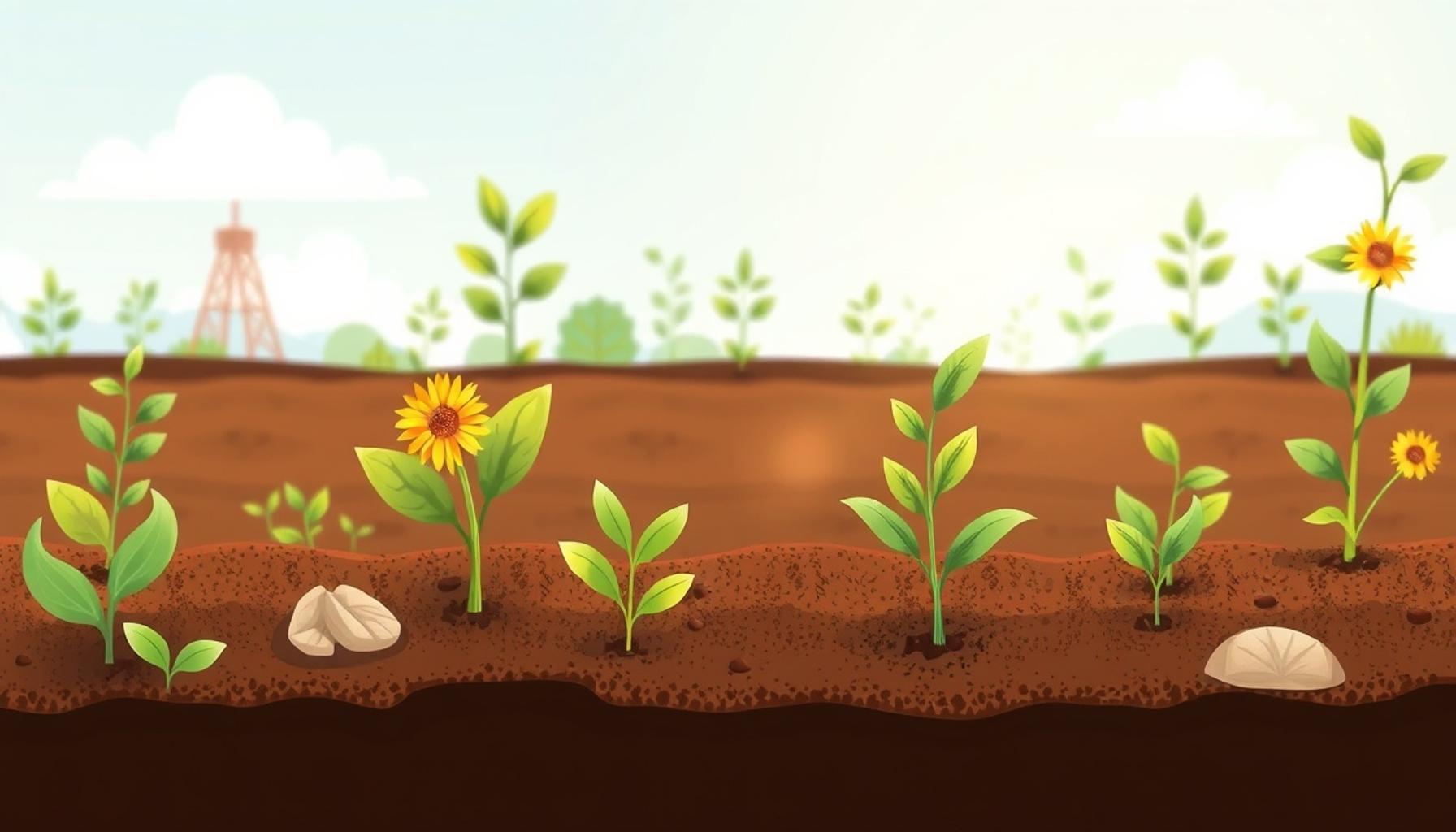
Soil and Drainage: The choice of soil significantly impacts the health of your plants. Ensure you select a well-draining soil mix; this is fundamental to prevent root rot. For instance, cacti and succulents require a specialized soil mix enriched with sand or perlite for optimal drainage, while moisture-loving plants like peace lilies fare better in a standard potting mix that retains moisture. It may be beneficial to invest in high-quality organic soil to provide your plants the best possible foundation for growth.
Choosing the Right Size of Plants
Space consideration is critical; choosing plants that fit well within the constraints of your environment ensures they flourish rather than struggle. Small plants, such as pothos or other tabletop specimens, can enliven any nook, while larger varieties such as rubber trees or fiddly figs demand ample room to grow and require occasional pruning to prevent them from overtaking your space. Furthermore, vertical gardening setups can maximize limited space, especially in urban environments, using wall-mounted planters or hanging baskets.
Maintaining a Plant-Friendly Lifestyle
Beyond environmental considerations, think deeply about your own lifestyle and the amount of time you can dedicate to plant care. If you’re often away from home or have a busy schedule, choose low-maintenance plants that can battle neglect, such as pothos, snake plants, or ZZ plants. On the other hand, if you find joy in caring for plants, you might indulge in varieties that require regular attention, such as ferns or African violets, which can reward your diligence with vibrant color and lush foliage. Be realistic about your capacity for care to ensure that your green companions thrive rather than suffer.
By assessing your environment and aligning your plant selections to these essential factors, the possibilities for creating a vibrant, thriving space become not only attainable but enjoyable. This approach allows you to enjoy the benefits of adding plants to your surroundings, from improving air quality to enhancing the tranquil ambiance of your home or garden.
DISCOVER MORE: Click here to learn about rainwater harvesting
Conclusion: Making Informed Plant Choices for a Flourishing Space
In conclusion, the journey of identifying types of plants and choosing the right ones for your space is both an art and a science. By understanding the essential elements such as light, temperature, humidity, and soil requirements, you position yourself for success in cultivating a thriving plant environment. Remember that each plant has its unique set of needs, and matching these with your home or garden conditions is crucial.
Furthermore, consider space constraints and your personal lifestyle when selecting plants. Whether you choose low-maintenance varieties like snake plants or dive into the rewarding challenge of caring for ferns, keep your own time commitment and space limitations in mind. This will not only enhance your experience but also contribute to the health and vitality of your plants.
As you embark on this green adventure, embrace the opportunity to explore different plant types, whether you aim to enhance indoor aesthetics or create a serene outdoor oasis. Take the time to observe and learn about your environment, utilizing that knowledge to build a plant collection that flourishes in harmony with your lifestyle. Before long, you’ll not only enjoy the air-purifying benefits and beauty of your green companions but will also cultivate a deeper appreciation for the intricate relationship between plants and their surroundings. Happy gardening!