Planting Calendar: When to Plant Each Type of Seed Throughout the Year
Understanding the Best Times to Plant
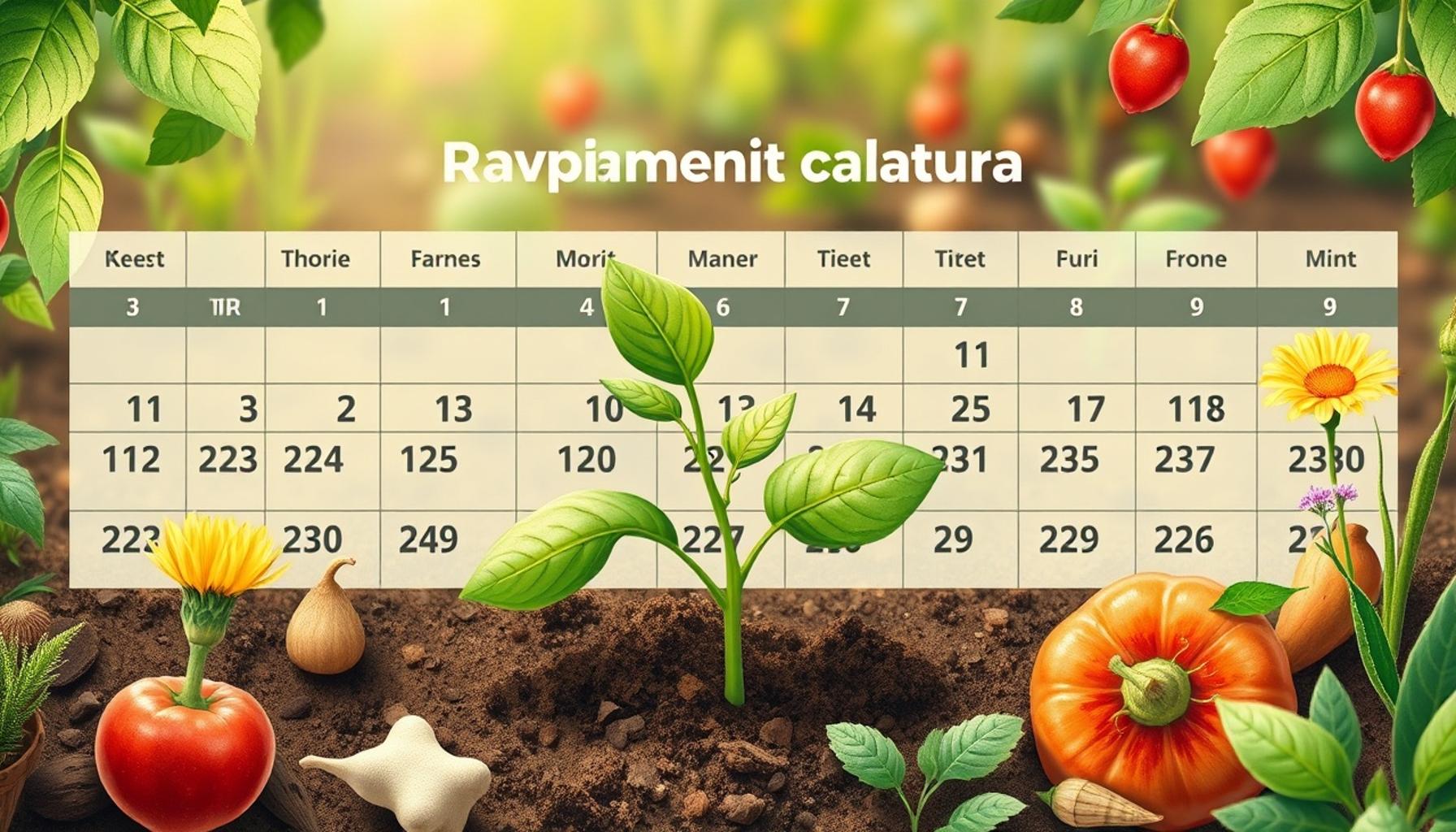
Starting a garden can sometimes feel like navigating a labyrinth, particularly with the myriad of seeds available and the distinct times they thrive best. However, utilizing a well-structured planting calendar can demystify the process, enabling you to transform your seeds into vibrant plants at just the right time, maximizing their growth potential and your gardening success.
Key Benefits of Using a Planting Calendar
- Optimized Growth: By planting seeds at the correct time, you’re setting the stage for enhanced growth results. For instance, crops such as carrots and radishes flourish when sown early in the growing season, benefiting from cooler temperatures, while other vegetables wait for warmer conditions to thrive.
- Seasonal Awareness: Recognizing the seasonal patterns in your specific area not only helps in planning but also protects your plants from the unpredictable weather, such as late frost. For example, gardeners in the northern regions of the U.S. might schedule their planting after the last frost date in May, ensuring that tender seedlings like cucumbers and squash are safe from frostbite.
- Variety Exploration: A planting calendar fosters a curiosity for diverse crops that suit your local environment. By researching what grows well during certain months, such as harvesting asparagus in the spring or planting garlic in the fall, you may unearth a whole world of plants to cultivate.
It’s essential for gardeners in the United States to understand their regional planting dates, as they vary notably across different climates. For example:
- Cool-Season Crops: Varieties such as peas, lettuce, and broccoli can be sown in early spring, allowing for an early harvest when conditions are still mild.
- Warm-Season Crops: Crops like tomatoes, peppers, and eggplants thrive in warmer temperatures, hence waiting until after the last frost is critical before planting these on a sunny spot.
- Perennials: Planting perennials in the fall allows them to establish their root systems efficiently, leading to robust growth and blooming when the spring season arrives.
Incorporating a planting calendar into your gardening routine not only allows for more efficient timing but also broadens your gardening horizons. You’ll find yourself experimenting with new crops and techniques, whether it’s growing heirloom varieties or companion planting to enhance biodiversity.
As you delve deeper into the world of gardening, ask yourself: Are you prepared to get your hands dirty and explore the rich tapestry of planting times that await you? Embrace the adventure of seasonal planting and watch your botanical dreams blossom!
DIVE DEEPER: Click here for expert tips on watering your indoor plants
Planning Your Planting Schedule
Understanding when to plant each type of seed throughout the year is critical for successful gardening. Timing your planting correctly can lead to bountiful harvests and vibrant blooms. A well-organized planting calendar serves as an invaluable tool in this regard, providing guidance on seasonal planting times for various crops. Let’s explore how to effectively plan your planting schedule and the benefits of aligning your gardening efforts with seasonal cycles.
Understanding Your Frost Dates
At the heart of any planting calendar is the concept of frost dates—both the last frost date in spring and the first frost date in fall. These dates will vary depending on your geographic location, making it essential to research your local climate. Typically, northern regions experience frost much later in the spring and earlier in the fall than southern areas. Understanding these key dates will help you determine when it is safe to plant your seeds outside.
Consider the following steps to maximize your planting efforts:
- Calculate Your Frost Dates: Use local agricultural extension services or gardening websites to find your specific frost dates. This knowledge will help you determine the best times to plant.
- Select Your Crops: Cool-season crops like peas, lettuce, and spinach can be started earlier in the spring, while warm-season crops such as melons, zucchini, and tomatoes should be planted after the last frost date. Make notes of each crop’s preferred planting window.
- Plan for Succession Planting: To extend your harvest, consider planting in succession. For instance, sowing beans every two weeks after the last frost can result in a continuous supply throughout the summer.
Spring Planting Guidelines
Typically, spring is the most energetic time for planting, with the warmth and longer days promoting growth. Here’s a quick guide to what you can sow:
- Early Spring (March – April): Cool-season crops should be sown. Start peas, spinach, and radishes as soon as the soil can be worked.
- Mid to Late Spring (April – May): It’s time to plant warm-season crops like squash, beans, and tomatoes. Transplant hardened seedlings started indoors around this time to ensure you get a jump start on the growing season.
Using a planting calendar not only streamlines your gardening tasks but also encourages success through careful timing. By paying attention to your local climate and frost dates, you can create a thriving garden that not only meets your needs but allows you to explore the multifaceted world of seasonal planting. Are you ready to optimize your gardening calendar for the best results?
Understanding the Seasonal Planting Guide
A Planting Calendar serves as a vital tool for gardeners and farmers alike, providing strategic insight into the optimal timing for sowing various seeds throughout the year. By aligning planting schedules with climate conditions, gardeners can maximize yields and enhance plant health. Each crop has its unique requirements, influenced by factors such as temperature and light exposure, which vary distinctly across the seasons.
Spring Planting: Starting Strong
Spring is typically the season that heralds the beginning of the planting cycle. As the soil warms, it’s time to sow a variety of seeds, including greens like spinach and kale, as well as root vegetables such as carrots and beets. The key advantage of early spring planting is the rapid growth phase that occurs with increasing daylight hours. A well-timed planting calendar can help garden enthusiasts capitalize on this critical window.
Summer Planting: A Second Chance
Summer also presents opportunities for planting, particularly in zones with longer growing seasons. Late-summer sowings of fast-maturing crops, such as radishes and bush beans, can yield a rewarding harvest before the frost sets in. Understanding which crops thrive in warmer conditions is essential for maximizing garden productivity throughout the growing season.
Fall and Winter Considerations
Fall planting often involves late-harvest crops and preparations for the next cycle. Cover crops, for example, help enrich the soil for future planting. A carefully planned planting calendar can guide gardeners in selecting the optimal time to sow these crops, ensuring that they establish roots before winter arrives. In colder climates, certain crops can be started indoors, allowing for earlier spring planting once the thaw occurs.
The Benefits of a Planting Calendar
A comprehensive planting calendar not only streamlines the planting process but also empowers gardeners to understand the biodiversity within their locale, selecting plants that will thrive in specific conditions. Having this knowledge at your fingertips can significantly increase harvest sizes and improve the overall health of your garden. That’s why it’s more than just a schedule—it’s a roadmap to success!
| Category | Advantages |
|---|---|
| Spring Planting | Maximizes growth potential with warm soil. |
| Fall and Winter Planning | Improves soil health and prepares for next season. |
DISCOVER MORE: Click here to learn about tool choices for beginner gardeners
Summer and Fall Planting Insights
As spring transitions into summer and later into fall, the dynamics of planting shift significantly. Understanding the specific planting windows for various crops can make all the difference in ensuring that your garden remains productive throughout the year. In this section, we will delve into the specific planting times during these warmer months and explore the essentials for fall gardening that can yield remarkable results.
Summer Planting Strategies
Summer, while often associated with harvesting, is also an important season for sowing certain crops. It’s a prime time for fast-growing vegetables that thrive in warm soil and longer daylight hours. By making the most of the midsummer days, you can ensure a plentiful fall harvest.
- Late Spring to Early Summer (May – June): As the soil warms, this is the ideal window for planting beans, corn, and squash. These crops will flourish in the sustained warmth, leading to vigorous growth.
- Mid to Late Summer (July – August): It’s time for second plantings. You can start crops like cucumbers, carrots, and beets directly in the ground for a late summer harvest. Crops like kale and cabbage can also be sown during this period to be ready for fall collection.
Utilizing a planting calendar for summer crops not only assists in planning but also encourages you to experiment with different varieties, such as heirloom tomatoes or specialty peppers, which can thrive when planted at this time.
Fall Planting Considerations
Fall is often overlooked as a planting season; however, it can be a land of opportunity for vegetables that need cooler temperatures to thrive. Many root crops and leafy greens can be planted to grow before the frost sets in.
- Early Fall (September): This is the time to grow cool-season crops like radishes, turnips, and late tomatoes. Depending on your region, sowing these seeds by mid-September can allow them to establish before the first frost.
- Late Fall (October): Cover crops such as clover or winter rye should be sown around this time to enrich the soil over winter. These crops improve soil health, suppress weeds, and help prevent erosion.
It’s also vital to assess your hardiness zone in the United States, as this affects when you can plant these crops. For instance, areas in the USDA Plant Hardiness Zone 8 can generally keep growing for longer compared to those in Zone 4. Knowing your zone can help you adjust your planting calendar effectively.
Utilizing Season Extenders
In both summer and fall, consider using season extenders like row covers or cold frames to protect your plants from unexpected temperature drops. These tools can enable you to prolong your growing season, ensuring that your garden is functional even later into the year.
By aligning your planting efforts with seasonal cycles, employing a strategic planting calendar becomes a simple yet effective way to enhance productivity in your garden. Embrace the diversity of planting throughout the warm months, and explore the advantages of fall gardening—your creativity may lead to new gardening successes! Are you ready to experiment with your planting calendar and see what new varieties can thrive in your garden this year?
LEARN MORE: Click here to enhance your gardening knowledge
Conclusion: Maximizing Your Garden’s Potential with a Strategic Planting Calendar
The journey through the planting calendar reveals the intricate dance of seasons, sowing, and harvesting. As we’ve explored, knowing when to plant each type of seed throughout the year — from the vibrant growth of summer crops to the resilient varieties suited for fall — can make a tremendous difference in the success of your garden. Utilizing a well-timed planting calendar allows you to optimize each planting window, ensuring that every season offers its unique bounty.
Incorporating insights into summer planting strategies, such as quick-growing vegetables like beans and cucumbers, opens the door for a fruitful fall harvest. Meanwhile, the often underappreciated fall planting opportunities present a wealth of possibilities for cool-weather crops that thrive as temperatures drop. By engaging with your local hardiness zone and considering factors like soil health and seasonal extenders, you empower yourself to grow a diverse range of crops year-round.
As you plan your garden for the upcoming year, take the time to reflect on the specific needs and benefits of different planting times. Whether you’re a seasoned gardener or a novice entering the world of home gardening, let a carefully curated planting calendar guide you. Embrace the changes in the seasons, experiment with new varieties, and witness how each planting contributes to an ever-evolving and thriving garden ecosystem. The potential for growth is abundant — are you ready to dig in?