Building Your Own Soil Mix: Combining Different Soil Types for Optimal Growth
The Role of Soil Components in Gardening Success
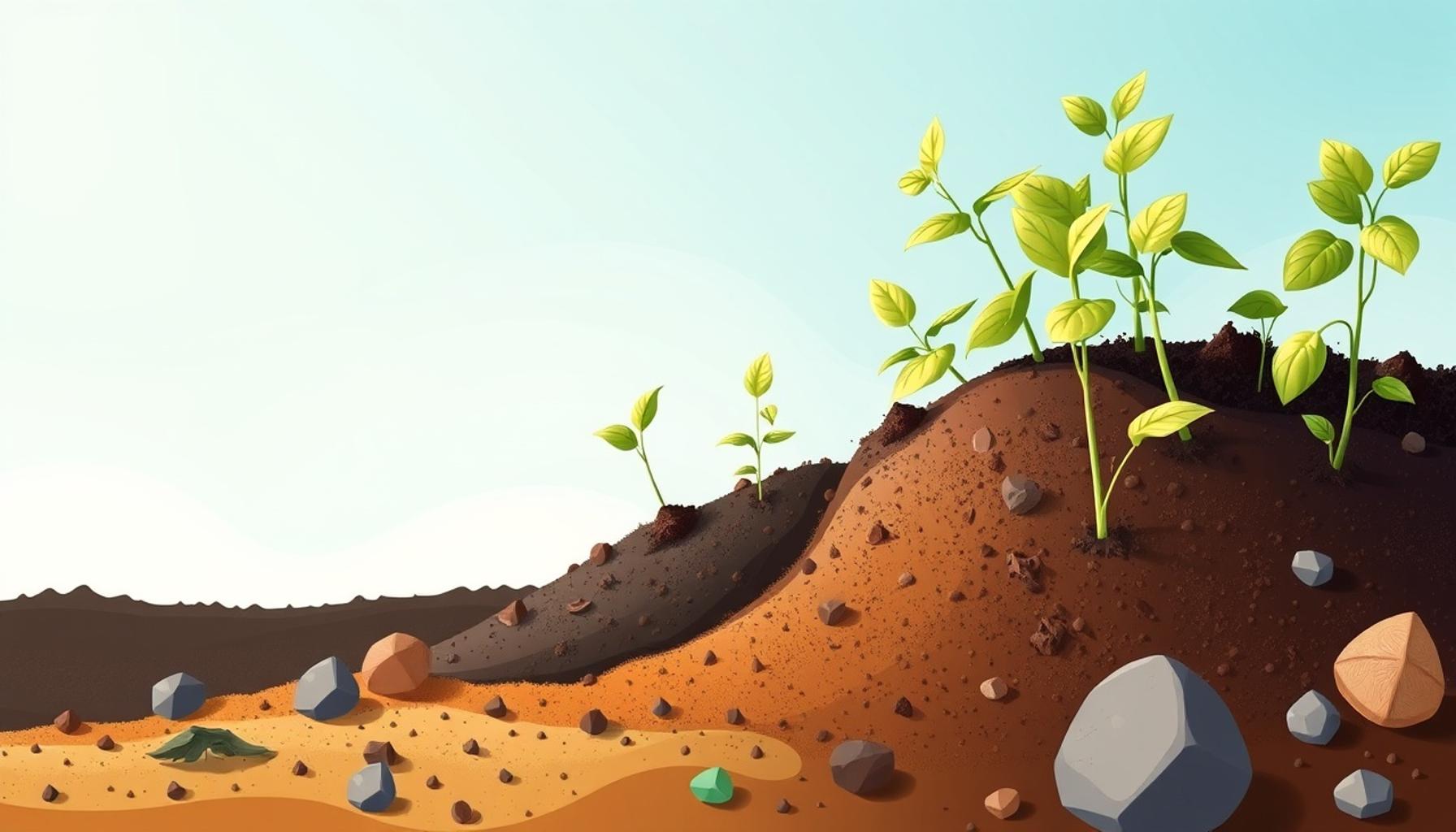
Soil serves as the lifeblood of any garden or agricultural venture, forming the crucial support system that nurtures plant life. It is essential to recognize that not all soils have the same properties or benefits. By combining different soil types, gardeners can create a customized soil mix that caters specifically to the requirements of various plants, ensuring optimal growth and health.
One of the most significant advantages of crafting your own soil blend is the ability to enhance drainage, which is vital for preventing issues such as root rot. For instance, if a plant susceptible to overwatering is grown in a compact clay soil, the roots may suffocate due to poor drainage. Conversely, a mix that includes sandy soil can allow excess water to escape quickly, creating a more favorable environment.
In addition to drainage, nutrient retention is a critical factor that influences plant health. Nutrient-rich soils provide essential vitamins and minerals necessary for growth. For example, mixing clay soil with compost not only improves drainage but also infuses the soil with vital nutrients such as nitrogen, phosphorus, and potassium. This combination can lead to healthier, more robust plants that are better able to resist pests and diseases.
Another fundamental characteristic of soil that gardeners must consider is its pH balance. The acidity or alkalinity of soil can significantly affect plant growth. Certain plants, such as blueberries, thrive in acidic soils, whereas others, like asparagus, prefer more alkaline conditions. By creating a balanced mix, gardeners can fine-tune the soil to enhance productivity and plant vitality.
Exploring Soil Types for Optimal Blends
Understanding the characteristics of various soil types enables gardeners to make informed decisions when mixing their blends. Here are three primary soil types to consider:
- Clay Soil: Known for its high nutrient retention, it can often lead to drainage complications. For plants that need consistent moisture, a clay-rich blend may be advantageous; however, adding sand can alleviate compaction issues.
- Sandy Soil: Praised for its excellent drainage capabilities, sandy soil is ideal for plants like succulents that require drier conditions. However, it often lacks the nutrients that more nutrient-hungry plants need, making it imperative to integrate organic matter or compost.
- Silty Soil: This soil type is considered fertile as it retains moisture effectively, making it suitable for a diverse range of plants. However, it is prone to compaction, so incorporating materials like perlite can improve aeration and water flow.
By experimenting with these various combinations, gardeners can formulate a soil mix that addresses the specific needs of their plants, leading to greater success in their gardening endeavors. As you continue to explore the art and science behind soil blending, consider delving into local resources that can provide additional insights specific to your geographical area. With an understanding of soil components, you are well on your way to unlocking a new level of gardening skill!
CHECK IT OUT: Click here to discover essential tools for your garden
Understanding Each Soil Component
When embarking on the journey of building your own soil mix, it’s essential to understand the distinct properties that each soil type brings to the table. Knowing how these components interact allows gardeners to tailor mixes that foster optimal growing conditions for their specific plants. Here’s a closer look at the critical soil components that will help you create a harmonious blend.
The Importance of Organic Matter
One of the cornerstones of any solid soil mix is organic matter. This includes materials such as compost, leaf mold, and aged manure. Organic matter is invaluable for enhancing soil texture and fertility. It helps improve drainage in heavy soils while also retaining moisture in lighter, sandy soils. Furthermore, organic matter enriches the soil with the nutrients necessary for plant growth. For example, incorporating well-rotted compost into your mix can significantly increase the biological activity within the soil, leading to healthier root systems and enhanced plant growth.
Balancing Soil Texture: Sandy, Silt, and Clay
As discussed earlier, the three primary soil types—clay, sandy, and silty soil—each possess unique qualities that can impact plant health. To strike the right balance, consider the following:
- Clay Soil: While it retains moisture and nutrients remarkably well, clay can become compacted, limiting root development. To create a more versatile mix, it’s prudent to blend clay with sand or perlite, which improves aeration and drainage.
- Sandy Soil: Sandy soil drains quickly and is less likely to become waterlogged. However, its low nutrient content can pose challenges for many plants. By enriching sandy soil with organic matter, gardeners can create a nutrient-dense environment that supports a variety of plants.
- Silty Soil: Silty soil is appreciated for its fertility and moisture retention capabilities. Although it is great for many plants, incorporating sand can prevent compaction, ensuring that roots have room to expand and thrive.
Incorporating Soil Amendments
Besides mixing soil types, the inclusion of soil amendments is fundamental in achieving an ideal soil blend. Amendments such as lime can help adjust pH levels, ensuring that the soil is neither too acidic nor too alkaline for the plants you wish to cultivate. Moreover, fertilizers can supplement nutrients, especially during critical growing stages. Fertilizers can be organic, such as fish emulsion or bone meal, or synthetic products designed for specific nutrient requirements.
As you explore various soil combinations, take the time to observe how each mix interacts with your plants. Keep records of your formulations, plant types, and growth results to refine your approach over time. Remember, building your own soil mix is not just a one-time project; it’s an ongoing endeavor that can deeply enrich your gardening experience.
Exploring Soil Components for a Tailored Soil Mix
To achieve optimal growth in your garden or landscape, understanding the various soil types is essential. When creating your own soil mix, you can combine elements that provide essential nutrients, drainage, and aeration. First, consider topsoil, the uppermost layer rich in organic matter, which is crucial for healthy plant growth. Combining it with compost can enhance nutrient content, adding beneficial microorganisms that promote strong root systems. Compost improves soil structure, increases moisture retention, and balances pH levels, making it an excellent partner in your mix.Next, sand is vital for improving drainage. While it can help prevent waterlogging in heavier soils, ensure you balance sand with clay or silt to avoid creating a mix that dries out too quickly. Clay contributes to nutrient retention but can compact easily; thus, blending it with loamy components allows for better aeration and root penetration.Additionally, the inclusion of peat moss can enhance moisture retention and add acidity, ideal for acid-loving plants. Finally, remember to incorporate perlite or vermiculite for added aeration and drainage, particularly important for potted plants or raised beds. Experimenting with these components and understanding their interactions will lead to a tailored soil mix that meets the specific needs of your plants, promoting optimal growth in your gardening endeavors. Keep in mind, testing your mix will provide insights into nutrient levels and guide adjustments for future plantings.
| Soil Component | Characteristics |
|---|---|
| Topsoil | Rich in organic matter, essential for nutrient supply |
| Compost | Enhances microorganism activity, improves soil structure |
| Sand | Improves drainage and prevents compaction |
| Clay | Retains nutrients but can compact easily |
| Peat Moss | Enhances moisture retention, suitable for acid-loving plants |
| Perlite | Promotes aeration, preventing soil compaction |
By effectively manipulating these components, you can create the ideal blueprint for growth, tailored to the plants you wish to cultivate, ensuring success in your gardening projects.
DON’T MISS: Click here to learn about the perfect watering schedule for your indoor plants
Selecting Additional Soil Ingredients
While the core components of your soil mix will largely dictate its performance, there are numerous additional soil ingredients that can enhance its effectiveness. Each of these ingredients serves a specific purpose and can provide supplemental benefits to your plants, leading to an improved overall growth environment. Here are a few noteworthy options to consider.
Mineral Aggregates for Structure
Incorporating various mineral aggregates can significantly influence the structure and health of your soil mix. Materials such as gravel, volcanic rock, and crushed granite serve to enhance drainage and aeration, which are crucial for root health. These aggregates can prevent compaction and create air pockets, allowing roots to access oxygen more efficiently. For instance, small gravel can be mixed into clay-heavy soils to promote better drainage, whereas crushed granite can offer both drainage and a slow release of essential minerals as it breaks down.
Meteoric Advances: Utilizing Biochar
Another innovative addition to your soil mix is biochar. Created through the pyrolysis of organic materials, biochar is not only an excellent way to enhance performance but also serves as a carbon storage tool. It improves soil fertility by enhancing nutrient retention and water absorption while also fostering beneficial microbial life. Studies have shown that biochar can significantly increase plant yields, making it increasingly popular among environmentally conscious gardeners. Its inclusion in your mix can be particularly effective in sandy soils where nutrient retention is a challenge.
Understanding the Role of pH and Soil Testing
Before finalizing your soil blend, it’s essential to consider soil pH, which plays a crucial role in nutrient availability. Most plants thrive in a pH range of 6.0 to 7.0, though certain plants, like blueberries, prefer more acidic conditions. To achieve optimal pH levels, conduct a simple soil test using DIY kits or professional services. Based on the results, you can amend your mix with lime to increase pH or sulfur to lower it. This proactive approach allows you to create a tailored environment that supports a wider variety of plant types.
Water Retention Solutions: Gels and Crystals
In areas where soil moisture can be a concern, consider adding water-retaining polymers or hydrogels to your mix. These synthetic materials can absorb and retain water, releasing it gradually to plant roots. This strategy can be especially effective in arid regions or during dry seasons when plants are particularly susceptible to drought stress. Furthermore, they can reduce the frequency of watering, promoting healthier root systems and lessening water waste.
Experimenting with Homemade Fertilizers
Equally vital to your soil mix is the incorporation of homemade fertilizers. Creating your own fertilizer blends using materials such as banana peels, coffee grounds, and eggshells not only recycles kitchen waste but also provides essential nutrients tailored to your plants’ needs. For example, banana peels are rich in potassium, supporting flower and fruit development, while coffee grounds can enhance nitrogen levels, promoting leafy growth. This DIY approach not only enriches your soil but can significantly cut down costs in the long run.
As you explore these various ingredients and amendments, remember that the journey of building your soil mix is a dynamic and iterative process. Each garden is unique, and what works well in one scenario may need tweaking in another. By embracing experimentation and ongoing learning, you can cultivate a soil mix that mirrors the perfect ecosystem for your plants.
DISCOVER MORE: Click here to deepen your gardening knowledge
Conclusion: Crafting the Optimal Soil Mix
Building your own soil mix is not merely a task but an art and science that can profoundly influence the health and productivity of your garden. By understanding the unique properties of different soil types and combining them strategically, gardeners can create tailored blends that optimize growth conditions for specific plants. The inclusion of ingredients such as mineral aggregates and biochar can enhance aeration, drainage, and nutrient retention, forming the backbone of a robust soil ecosystem.
Moreover, paying attention to soil pH and employing water-retaining solutions can further refine your mix, making it adaptable to the needs of diverse plant life. Don’t underestimate the power of homemade fertilizers, as they represent a sustainable way to recycle waste while providing necessary nutrients to your plants. Ultimately, the journey of crafting your soil mix encourages a mindset of experimentation and continuous learning.
As you set out on your gardening adventures, consider each ingredient a vital piece of the puzzle. Whether you’re a seasoned grower or just starting, your ability to manipulate the soil environment can lead to impressive results. Embrace the possibilities of creating a personalized soil mix, and discover the potential for healthier, more vibrant gardens as a result. Remember, the path to successful gardening is paved with knowledge, creativity, and a passionate connection to nature.