How to choose the right plants for each season in your home garden
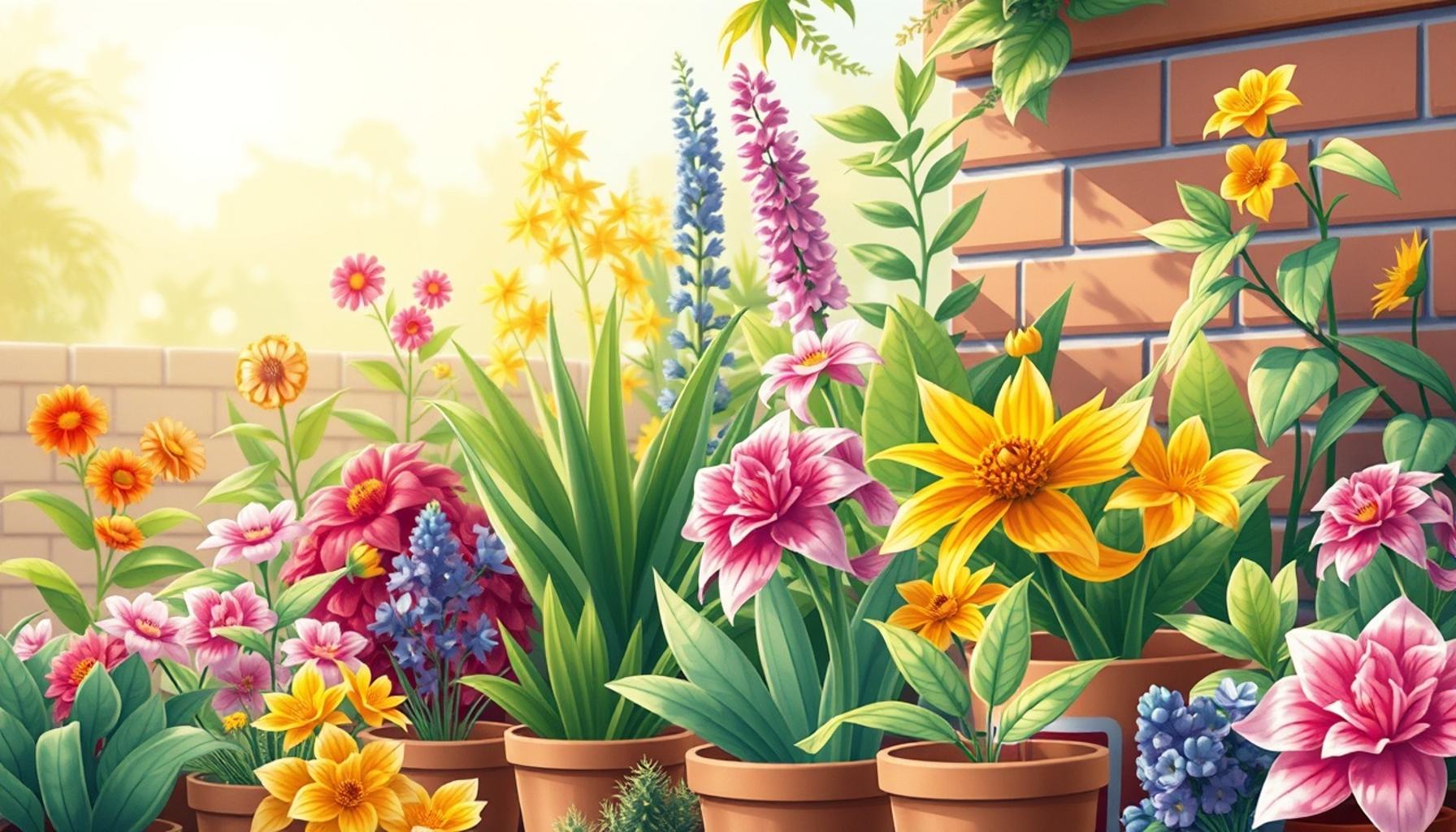
Nurturing a home garden successfully involves more than simply planting seeds; it requires a deep understanding of a variety of factors, including the seasonal needs of different plants. With proper planning and careful consideration, what could otherwise turn into a forgotten space can blossom into a vibrant oasis filled with life and color.
Key Factors to Consider
When selecting plants for your garden, it is essential to take into account the following factors to ensure their successful growth:
- Climate: One of the first steps in successful gardening is knowing your hardiness zone, a designated area that reflects what plants will thrive in your climate. The United States is divided into 13 different hardiness zones, ranging from 1 (coldest) to 13 (warmest). For example, if you reside in a zone with harsh winters, you’ll need to select cold-tolerant plants such as Russian sage or coneflowers.
- Sunlight: Different plants have varying sunlight requirements. Assessing the light availability in your garden can dramatically affect your plant selections. A garden spot that gets full sun for at least six hours daily is perfect for sun-loving plants like marigolds and peppers, while partial shade areas might be ideal for ferns or hostas.
- Soil Type: Testing your soil is a crucial step; knowing the pH and nutrient levels can help you decide whether to amend with compost or fertilizers. For instance, if your soil is too acidic or alkaline, it can hinder plant growth. Amending with organic materials can enhance soil structure and fertility.
Seasonal Planting Insights
Each season brings fresh opportunities and challenges for planting and cultivating your garden:
- Spring: Consider this the prime time to sow annuals such as petunias or vegetables like tomatoes and peppers. As soil temperatures rise, you’ll find that herbs like basil and cilantro thrive as well.
- Summer: The warmth of summer can be harsh, so focusing on heat-tolerant options such as zinnias and cucumbers is wise. Implementing mulch can help retain moisture for these plants during hot months.
- Fall: Autumn is the perfect time to plant perennials like asters and ornamental grasses that will reward you with stunning blooms in the coming seasons. Additionally, planting bulbs like tulips and daffodils ensures spring flowering.
- Winter: While winter gardens may seem bleak, incorporating evergreen shrubs such as holly or juniper keeps your outdoor space lively, offering texture and color amid the winter gloom.
By understanding these crucial elements, any garden enthusiast can elevate their gardening efforts. Whether you are a novice eager to cultivate your first blooms or an experienced gardener looking to expand your knowledge, choosing the right plants at the right time can lead to a thriving, sustainable garden. Your outdoor space can become a stunning retreat that changes with the seasons, perfectly tailored to your local climate and personal preferences.
DISCOVER MORE: Click here to learn about essential watering techniques
The Art of Seasonal Plant Selection
Choosing the right plants for each season in your home garden can transform a mundane landscape into a flourishing spectacle of colors and textures. To achieve this transformation, understanding the seasonal cycles and selecting plants accordingly is essential. Here are some insights that every aspiring gardener should consider:
- Know Your Season’s Character: Each season offers its own unique character and challenges. When contemplating your garden, it’s crucial to embrace the essence of each season. For instance, spring is often celebrated for its vibrant blooms and fresh growth. To fully embrace spring, consider incorporating plants such as lilies or hyacinths. These beauties not only flourish during this period but also herald the arrival of warmer weather with their vivid colors. Additionally, early bloomers like daffodils can create a stunning display and are often among the first to break through the frost, adding cheer to your garden after the cold winter months.
- Frost Dates: Understanding your area’s last frost date in spring and first frost date in fall is vital in selecting the right plants. In many regions of the U.S., including the Midwest and Northeast, this means choosing hardy annuals that can withstand cooler temperatures, such as snapdragons or pansies in early spring. For instance, gardeners in New York might plant pansies as soon as the soil is workable, ensuring their blooms can withstand the erratic spring weather. As summer approaches, it is key to transition to warmth-loving plants, such as zinnias and marigolds, which thrive once the threat of frost has passed.
- Complimentary Planting: Seasonal gardening is also an opportunity to embrace companion planting. Certain plants thrive alongside others, enhancing growth and deterring pests. Take, for instance, the classic pairing of tomatoes and basil in summer gardens. Not only does this duo maximize space, but basil can enhance the flavor of tomatoes while also repelling aphids and whiteflies, ensuring a more robust harvest. In the fall, consider planting radishes alongside spinach; the radishes grow quickly and can be harvested before they crowd the slower-growing spinach.
- Water Requirements: Each season brings its unique weather patterns, necessitating a keen awareness of watering needs. Summer often sees high temperatures and increased evaporation rates, making proper irrigation techniques paramount. Gardeners looking to conserve water might opt for drought-tolerant plants like lavender or succulents, which can withstand dry spells while still bringing vibrant color and interesting textures to your garden. Conversely, in the wetter spring months, consider plants that thrive in moist conditions, such as astilbe and Japanese irises, which flourish in rainy weather and can enhance the lushness of a spring garden.
By tapping into the dynamic nature of seasons, gardeners can create visually stunning and sustainable outdoor spaces. With the changing seasons, there’s never a dull moment in gardening; it’s about finding the right balance between what thrives in your local climate and what captivates your aesthetic senses. A thoughtfully curated selection of plants, tailored to each season, allows you to enjoy a constantly evolving garden—a symphony of beauty encompassing every aspect of the year, ensuring that your outdoor space is a source of joy and tranquility throughout the changing seasons.
| Category | Key Features |
|---|---|
| Spring Plants | Spring is the season of renewal. Opt for colorful annuals and perennials, like tulips and daffodils, to bring your garden to life. |
| Summer Plants | In summer, choose heat-tolerant varieties such as sunflowers and zinnias. These plants thrive in bright sunshine and warm temperatures. |
| Autumn Plants | As the weather cools, focus on hardy perennials and decorative grasses that can withstand frost while maintaining aesthetic appeal. |
| Winter Plants | Winter gardens can flourish with evergreens and winter-blooming plants like hellebores, adding greenery and color to the cold months. |
Choosing the right plants for each season is essential for creating a thriving home garden that offers beauty and sustainability. By understanding the seasonal requirements of different plants, you can ensure that your garden blooms consistently throughout the year. For instance, incorporating proper soil preparation and watering techniques tailored to each season can significantly affect plant health. Additionally, consider your garden’s microclimate—sunny spots may boost growth for specific plants, while shaded areas may require more shade-tolerant species. This attention to detail not only enhances the visual appeal but also supports local ecosystems by attracting beneficial insects. As you explore various species, engage with local nurseries or gardening clubs to gain insights on the best plants suited for your region’s climate and soil conditions.
LEARN MORE: Click here for the complete guide
Planning for Seasonal Aesthetics
Understanding the structural and aesthetic elements of your garden can greatly enhance your experience throughout the year. Carefully consider the plants that will not only thrive in their respective seasons but also contribute to a cohesive garden design.
- Color Schemes: A thoughtful color palette can influence the overall mood of your garden. In spring, consider integrating pastels such as soft pink peonies and light blue forget-me-nots to create a serene ambiance. As summer arrives, shift to bold colors with sunflowers and geraniums, creating a vibrant and energetic atmosphere. Fall offers the opportunity to incorporate warm tones, with chrysanthemums and goldenrod providing stunning visual interest as temperatures cool. This seasonal transition in color not only encourages a sense of harmony but also keeps your garden captivating from one season to the next.
- Textural Variety: Beyond just color, the textures within your garden play a pivotal role in creating dimension. During the spring months, introduce soft, lush plants like hellebore or fuzzy lamb’s ear. Transitioning to summer, consider incorporating textural contrast through the inclusion of grasses, such as ornamental fountain grass, which sways in the breeze and brings movement. As fall approaches, integrate evergreens for year-round structure and consider cattails to add a unique shape, ensuring the garden maintains interest even as many plants prepare for dormancy.
- Height Variations: Strategic placement of taller plants can create focal points throughout your garden. Begin the year with delphiniums or hollyhocks in spring to provide height, drawing attention to the vibrant base of lower-growing plants. As the summer heat intensifies, let sunflowers lead the way, standing tall against the clear blue skies. In the fall, consider planting tall ornamental grasses or placing pumpkins atop garden stakes for height variation that complements later blooms while adding a seasonal touch. This strategy enhances the layers of your garden and creates visual appeal across various perspectives.
- Seasonal Fragrances: Engaging the senses can elevate your gardening experience. Incorporate fragrant plants to enjoy delightful scents throughout the year. In the spring, consider planting lilacs and jasmine, filling the air with their sweet perfumes. As summer sets in, use roses and lavender to add aromatic flair, making the garden a true sensory delight. In the fall months, varieties such as chrysanthemums not only provide visual splendor but can also retain engaging fragrances, enriching the final months of the gardening season. Engaging the olfactory senses can enliven your outdoor space and encourage more time spent enjoying the natural beauty surrounding you.
With careful consideration of aesthetics, texture, height, and fragrance, your garden can become a dynamic expression of nature’s beauty tailored to changing seasons. As you navigate the choices of which plants to incorporate into your seasonal rotation, you will discover that planning with purpose not only enhances the attractiveness of your space but also makes gardening a fulfilling year-round activity.
DISCOVER MORE: Click here to learn about soil types and their effects on your indoor garden
Conclusion: Cultivating a Seasonal Garden Masterpiece
Successfully selecting the right plants for each season in your home garden is an enriching endeavor that transcends mere aesthetics. By integrating a variety of elements such as color, texture, height, and fragrance, you can cultivate an enchanting outdoor space that evolves with the seasons. Understanding the significance of seasonal planting offers not only a vibrant showcase throughout the year but also nurtures your connection with nature.
As you embark on this gardening journey, remember the importance of aligning your choices with local climate conditions and soil types, ensuring that your plants not only thrive but flourish. Utilize resources like local extension services or online gardening communities to stay informed about the best plant species for your region. Additionally, consider creating a garden journal where you track seasonal changes and successful plant pairings, providing a personalized guide for the future.
Ultimately, a well-designed seasonal garden serves as a sanctuary for reflection and joy, inviting you to engage with its changing beauty. Embrace the dynamic nature of your garden and enjoy the process of experimenting with new plants and combinations. As each season unfolds, let your garden become a vibrant tapestry of life, color, and fragrance—a testament to your dedication as a gardener and a celebration of the natural world.