Common Watering Mistakes and How to Avoid Them in Beginner Gardening
Understanding the Importance of Proper Watering
Watering your garden may seem straightforward, but it’s a common area where beginner gardeners make mistakes. Many factors influence how much and how often to water your plants, which can lead to a host of issues if not addressed properly. If you’re keen to cultivate a thriving garden, understanding the nuances of watering is essential.
- Inconsistent watering: Plants thrive on routine. Irregular watering can stress plants and inhibit growth. For instance, tomatoes, which are popular in American gardens, benefit from a consistent moisture level. A sudden change, such as skipping a day of watering followed by a heavy dose, can result in blossom drop or cracking fruit.
- Overwatering: This is a prevalent issue among novice and seasoned gardeners alike. Too much water can drown roots, leading to rot and other diseases. An example often seen in the United States is the issues faced by homeowners with poorly drained lawns; symptoms such as yellowing leaves or wilting can signal potential overwatering.
- Underwatering: On the flip side, insufficient moisture can stunt plant growth and make them vulnerable to pests. The dry spells experienced in states like Texas can require close monitoring of plant hydration. Wilting leaves and dry soil are telltale signs that plants need more water.
To ensure a healthy garden, it’s essential to identify these common pitfalls and implement effective strategies. Here are some key considerations:
- Know your plants: Different species have unique water requirements. For example, succulents and cacti need infrequent watering compared to leafy greens like lettuce, which prefer more constant moisture. Researching the specific needs of your plants can guide you to a sustainable watering routine.
- Soil type matters: The texture and composition of your soil play a crucial role in moisture retention. Sandy soil drains quickly, while clay retains water. If you’re tending to a garden in Florida, understanding the sandy soil’s quick drainage can help you determine the frequency of your watering schedule, ensuring plants get the right amount.
- Time of day: Watering in the morning is optimal to reduce evaporation and fungal diseases. Early morning irrigation helps ensure that your plants can absorb moisture before the heat of the day sets in. Additionally, it minimizes the chances of fungi developing, which can occur in consistently damp conditions.
As you venture into the world of gardening, understanding how to avoid these mistakes can lead to a thriving and vibrant garden. Gathering knowledge on effective watering practices will arm you with the information necessary to make informed decisions and foster resilient plants. Ready to learn more about effective watering techniques? Let’s dive deeper into the common watering mistakes and discover how to avoid them!
DISCOVER MORE: Click here to learn about essential soil types for your garden
Avoiding the Common Pitfalls of Watering
When it comes to nurturing a successful garden, effective watering practices can mean the difference between a flourishing landscape and a struggling array of plants. Unfortunately, beginner gardeners often find themselves entangled in common watering mistakes that can hinder their efforts. Here are some persistent issues and actionable solutions to set you on the right path toward green thumbs.
- Neglecting to Check Soil Moisture: One of the fundamental mistakes beginner gardeners make is failing to assess the moisture level of the soil before watering. A simple test can save you from overwatering. Insert your finger about an inch into the soil; if it feels dry, it’s time to water, but if it’s still moist, hold off. This intuitive approach can vastly improve the health of your plants.
- Watering at the Wrong Time: Many novice horticulturists are unaware that timing significantly impacts the efficiency of watering. Late afternoon or evening watering can lead to excessive evaporation and promote fungal diseases due to moisture lingering overnight. The best practice is to water early in the morning when temperatures are cooler and the sun isn’t as intense, allowing plants to absorb the water before it evaporates.
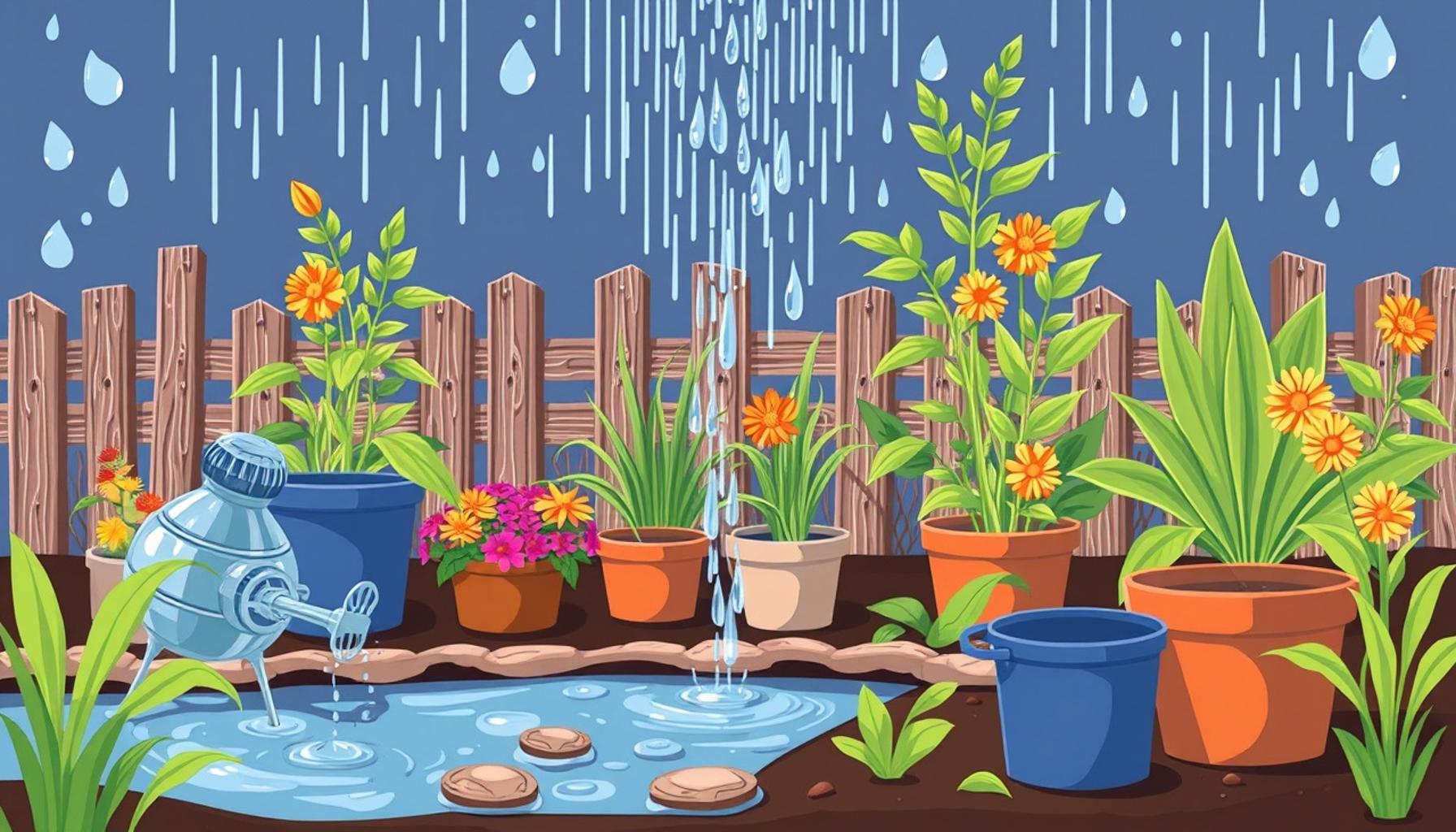
- Overlooking the Weather: Another common oversight is ignoring local weather conditions. A sudden rainstorm might render your watering schedule unnecessary. Keeping an eye on the forecast can help you avoid unnecessary watering tasks that could lead to waterlogged soil. In regions like the Midwest, where rain patterns can change rapidly, adapting your watering strategy can safeguard your plants against excess moisture.
Identifying these typical watering blunders is crucial, but it’s equally important to implement strategies that promote healthy hydration habits:
- Establish a Routine: A consistent watering schedule can provide a sense of stability for your plants. Moreover, most plants benefit from deep, infrequent watering rather than shallow, frequent doses. This encourages deep root growth, allowing them to better access nutrients and withstand drought conditions.
- Utilize Mulch: Mulching your garden bed not only suppresses weeds but also helps retain moisture in the soil, reducing the frequency of watering. Organic mulches, such as straw or wood chips, break down over time, enriching the soil and improving its structure while keeping your plants hydrated.
- Equipment Awareness: Investing in a good quality watering can or hose with an adjustable nozzle allows for more control compared to standard garden hoses. Moreover, utilizing a drip irrigation system can provide a slow release of moisture directly at the roots, minimizing water waste and ensuring optimal hydration.
Arming yourself with knowledge about these common watering mistakes and their remedies is crucial for any beginner gardener looking to cultivate a vibrant garden. By fine-tuning your approach to watering, you’ll not only enhance the health of your plants but also enjoy the journey of gardening itself. Curious about what comes next? Let’s continue exploring further common watering pitfalls and the solutions that can keep your garden thriving!
Common Watering Mistakes and How to Avoid Them in Beginner Gardening
In the journey of gardening, understanding how to properly hydrate your plants can greatly influence their health and growth. Here, we delve deeper into common watering mistakes and strategies to avoid them, empowering novice gardeners with practical knowledge.One of the most frequent errors made by beginners is overwatering. This happens when gardeners assume that more water will equate to healthier plants. However, overhydration can lead to root rot, which severely affects plant vitality. To combat this issue, it’s crucial to check the soil moisture before watering. A simple method is to insert your finger an inch into the soil; if it feels dry, it’s time to water.Another common mistake is not considering the timing of watering. Watering in the heat of the day can lead to rapid evaporation, wasting precious resources and leaving your plants deprived. Instead, aim to water in the early morning or late afternoon when temperatures are cooler, allowing the plants to absorb moisture more effectively.Furthermore, beginners often overlook the type of plants they are watering. Different species have different needs – for instance, succulent plants require significantly less water than tropical varieties. Familiarizing yourself with the specific requirements of your plants is essential for their survival. Utilizing a watering schedule tailored to each plant type can streamline this process.Lastly, neglecting the importance of drainage can cause serious issues. Waterlogged soil can suffocate plant roots. Ensure that pots have adequate drainage holes and consider using well-aerated soil to promote proper drainage.By being mindful of these common watering pitfalls and implementing these techniques, new gardeners can cultivate thriving gardens with healthier plants.
DISCOVER MORE: Click here for tips on organizing your gardening tool kit
Embracing Effective Watering Techniques
As a beginner gardener, understanding the importance of proper watering techniques is not merely about quantity; it also involves the quality and method of application. Overcoming common pitfalls can pave the way for a healthy and productive garden. Let’s delve into additional aspects of effective watering that often go unnoticed, yet hold substantial influence over plant health.
- Ignoring Plant Types and Their Needs: Each plant has unique watering requirements influenced by factors such as species, age, and lifecycle stage. For instance, succulents demand less frequent watering compared to leafy vegetables. Researching the specific needs of individual plants in your garden plot can prevent the stress caused by improper watering. Utilize resources like local extension services or gardening books to tailor watering practices to your plant species.
- Using Cold Water: Watering your plants with cold water can shock their root systems, particularly during hot weather. Instead, use lukewarm water when possible. Letting your watering can sit outside in the sun for a few hours is an easy way to warm up the water before applying it to your plants. This simple adjustment can promote healthier growth and better nutrient absorption.
- Watering Only the Surface: Shallow watering leads to roots that stay near the surface, making plants vulnerable to drought conditions. Instead of short, frequent watering sessions, aim for deep watering that allows moisture to penetrate deeper into the soil. A good rule of thumb is to ensure water reaches at least 6 to 8 inches deep, especially for established plants with deeper root systems.
In addition to avoiding common mistakes, implementing efficient watering strategies can significantly improve your gardening experience:
- Watering Techniques: Utilizing different watering techniques can cater to the specific needs of your garden. A gentle spray nozzle can be ideal for delicate seedlings, while a soaking hose can be advantageous for established beds, delivering water slowly and directly to the soil. Consider experimenting with varying methods to find what works best for your garden environment.
- Assessing Plant Responses: Observing how your plants respond to watering practices can provide valuable insights. Yellowing leaves may indicate overwatering, while wilting may suggest underwatering. Keep a close eye on your plants, adjusting your watering strategies accordingly. Healthy plants often display vibrant colors and robust growth, signaling that their hydration needs are being met effectively.
- Implementing a Rain Gauge: Installing a rain gauge in your garden can help track how much rainfall your plants receive, informing your watering schedule. This device is especially useful in regions prone to sudden rain showers, allowing you to adapt your watering regime without guesswork. Knowledge of local rainfall patterns is crucial for sustainable gardening management.
The journey of gardening is filled with learning opportunities, and understanding the importance of effective watering will empower novice gardeners to cultivate lush landscapes. By refining your techniques and becoming mindful of your plants’ individual needs, you will be well on your way to avoiding common watering mistakes and fostering a thriving garden environment that flourishes.
DISCOVER MORE: Click here for essential watering tips
Conclusion
In summary, mastering the art of watering is essential for every beginner gardener aiming to cultivate a flourishing garden. Recognizing common watering mistakes such as improper watering frequency, neglecting the specific needs of plants, and utilizing cold water can significantly enhance plant health and productivity. By embracing tailored practices—like deep watering, warming your water supply, and using various watering techniques—you not only nurture your plants effectively but also foster a more resilient garden.
Moreover, being observant and responsive to how your plants react to different watering strategies is crucial. Healthy plants should exhibit vibrant growth and vitality, while signs of distress can guide you in adjusting your methods. Tools like rain gauges are invaluable for tracking natural precipitation and minimizing over- or under-watering, helping you create a more sustainable approach to your gardening efforts.
As you continue your gardening journey, remember that patience and observation are your best allies. Every drop of water contributes to the life cycle of your plants, and understanding their unique requirements will allow you to enjoy the fruits of your labor—quite literally! Keep exploring, learning, and adapting your techniques, and you will find that avoiding watering missteps is not just about preserving the plants you raise but also about enhancing your overall gardening experience.