How to Maintain and Store Your Gardening Tools to Maximize Durability and Efficiency
Understanding the Importance of Proper Tool Maintenance
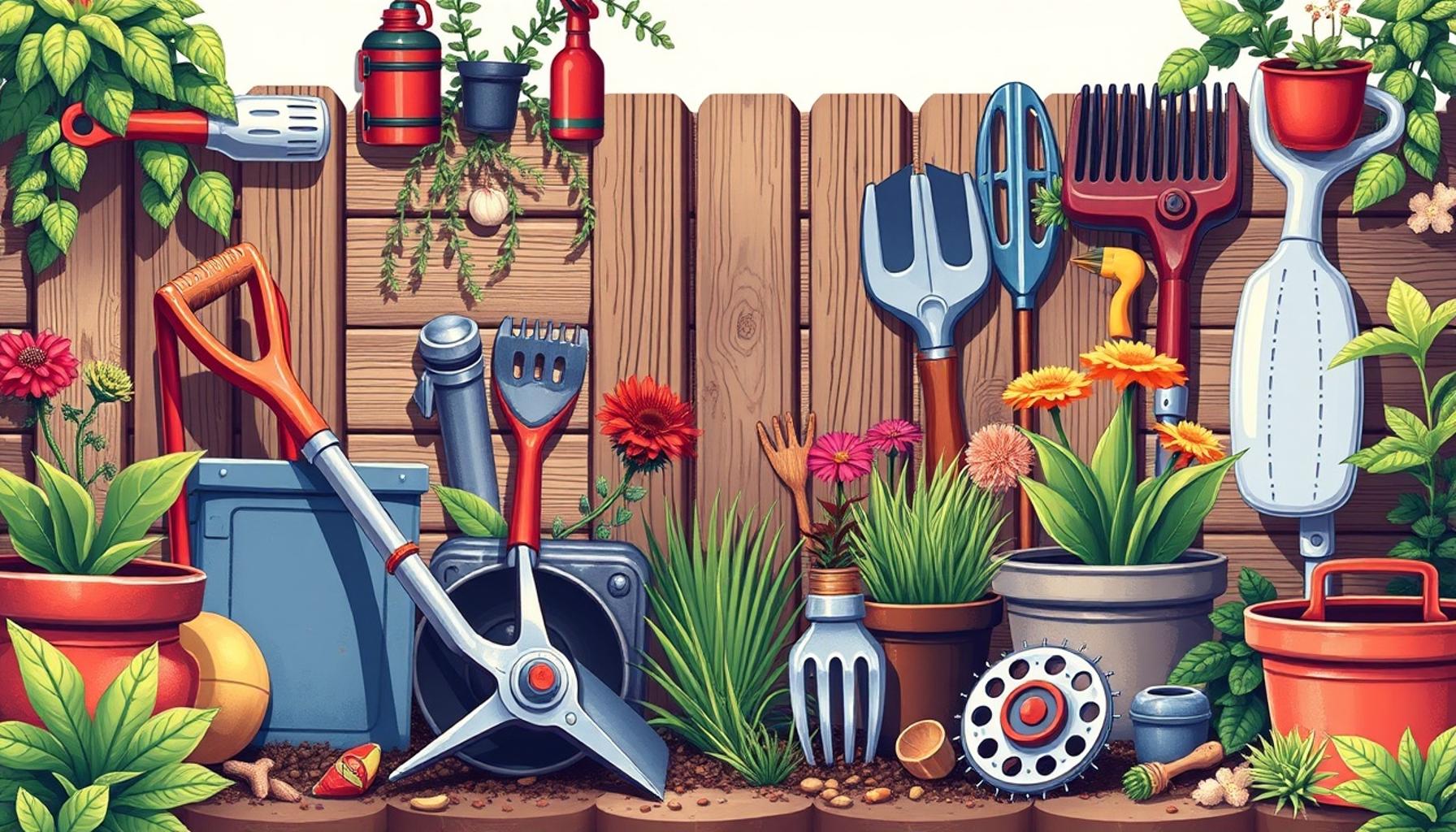
Gardening tools are essential companions for any enthusiastic gardener, serving not only as instruments of cultivation but also as symbols of one’s dedication to gardening. Each tool, from the sturdy shovel to the precise pruner, plays a critical role in garden maintenance and plant health. Therefore, adopting a consistent care regimen can significantly enhance both the longevity and effectiveness of these tools.
Common Gardening Tools and Their Maintenance
Among the most commonly used gardening tools are:
- Shovels and Spades: Ideal for digging, loosening soil, and moving materials.
- Pruners and Shears: Perfect for trimming foliage and promoting healthy plant growth.
- Rakes and Hoes: Used for leveling soil, removing debris, and maintaining planting beds.
- Hand Tools like Trowels and Cultivators: Essential for planting and cultivating small areas.
Maintaining these tools requires attention to specific care practices, which are crucial for keeping them in optimal condition. For instance:
- Cleaning: After each use, remove dirt and grime to prevent buildup. A simple mixture of soap and water can effectively clean tool surfaces, ensuring they stay functional.
- Sharpening: Regularly check and sharpen blades and edges. A sharp blade makes cutting easier and reduces strain on the gardener. Tools like the Pruning Knife Sharpener available at many gardening stores are invaluable for this task.
- Rust Prevention: Metal tools are prone to rust if not cared for adequately. Using a light coat of mineral oil or rust-preventative spray can create a protective barrier, ensuring your tools last through many seasons.
Effective Storage Solutions
How you store your tools significantly impacts their lifespan. Whether you cultivate a small balcony garden in a city or maintain a large backyard oasis, consider the following storage strategies:
- Use a Designated Toolbox or Shed: A clean, organized space prevents tools from becoming damaged. Toolboxes with compartments can help to keep smaller tools like trowels in order, while a shed provides ample space for larger items like shovels.
- Hang Tools on Wall-Mounted Hooks: Keeping tools off the ground reduces the risk of accidents and damage. Hooks or pegboards allow for easy access while also showcasing your tool collection.
- Store Wooden Handles in a Cool, Dry Place: Wood can warp or crack if exposed to moisture. A shaded, dry area is ideal for preventing deterioration of wooden-handled tools.
In summary, by embracing these maintenance and storage practices, you can ensure that your gardening tools not only serve you reliably but also enhance your gardening experience season after season. Explore these strategies further, and you may find that a little effort in tool care leads to a flourishing garden and a more enjoyable gardening journey.
DON’T MISS OUT: Click here to learn about sustainable gardening tools
Essential Maintenance Techniques for Gardening Tools
To ensure that your gardening tools serve you well for years to come, understanding and implementing proper maintenance techniques is essential. Not only does regular care enhance the durability of your tools, but it also improves their efficiency during use. Many gardeners overlook routine maintenance, but making it a priority can save time and money in the long run.
Cleaning: The Foundation of Maintenance
A crucial first step in maintaining any gardening tool is thorough cleaning. After each use, take time to clean off soil, sap, and plant residue. These materials can accumulate, leading to rust and deterioration. Here are some effective cleaning methods:
- Soapy Water: Create a solution with warm water and mild dish soap. Scrub tools with a stiff brush or sponge to dislodge dirt and debris.
- Vinegar: For tougher grime, soak metal parts in white vinegar for several hours. The acidity will help break down dirt without harsh chemicals.
- Dry Completely: After washing, ensure tools are thoroughly dried. This step is vital to prevent moisture that leads to rust.
Sharpening: Ensuring Optimal Performance
Sharp tools not only make gardening tasks easier but also reduce fatigue. Regularly sharpening blades on pruners, shears, and shovels will improve their cutting efficiency and minimize damage to plants. Include these recommendations in your gardening routine:
- Use a Quality Sharpening Tool: Invest in a reliable sharpening stone or file. For specialized tools like pruners, a dedicated sharpener will yield the best results.
- Follow the Manufacturer’s Instructions: Different tools require specific angles for sharpening. Consult the manufacturer’s guidelines to prevent damaging the tool.
- Check for Damage: While sharpening, inspect the blade for nicks or cracks. Addressing these issues promptly will extend the lifespan of your tools.
Rust Prevention: Protecting Metal Tools
Rust can quickly jeopardize the integrity of your gardening tools. Taking preemptive measures is vital for maintaining metal tools such as shovels and rakes. Implement the following tips:
- Oil Coating: After cleaning, apply a thin layer of mineral oil or vegetable oil to metal surfaces. This will create a barrier against moisture.
- Store in a Dry Environment: Avoid damp locations for tool storage. A dry shed or toolbox can help mitigate the risk of rust development.
- Use Rust-Resistant Paint: For tools that show signs of corrosion, consider applying a rust-resistant paint specifically designed for gardening equipment.
By embracing these essential maintenance techniques, you’re not just prolonging the life of your tools; you’re empowering your gardening endeavors. Whether you are planting, pruning, or tilling, having well-maintained tools significantly enhances your overall gardening experience, allowing for more efficient work and more enjoyable time spent in your beloved garden. A little effort now can lead to bountiful harvests and a thriving landscape in the future.
Essential Tools for Garden Tool Maintenance
Maintaining your gardening tools is crucial to ensuring their longevity and efficiency in the garden. Regular maintenance can prevent rust, damage, and reduce the need for replacement. Here are key areas to focus on:
Cleaning Your Tools
After each use, it’s essential to clean your tools to remove dirt, mud, and plant residues. Use a wire brush for heavy-duty cleaning or a cloth for lighter dirt. For stubborn rust, soak tools in vinegar or a solution of baking soda and water for several hours, then scrub clean. This not only protects the tools but also promotes hygiene preventing soil-borne diseases.
Sharpening Blades
Dull tools can slow you down and make gardening tasks more difficult. Regularly sharpen the blades of pruners, shears, and hoes. A sharp edge cuts cleaner and helps plants heal faster with less damage. Tools like files or sharpening stones can be very effective. For convenience, consider a sharpening tool that can be used quickly after each task.
Oiling Metal Parts
To prevent rust, it’s vital to oil the metal parts of your tools regularly. Use a light machine oil or vegetable oil, applying with a cloth to protect surfaces and ensure easy use. Oil forms a protective barrier against moisture and prolongs the life of your implements.
Proper Storage Solutions
Storing tools properly can significantly extend their lifespan. Tools should be kept in a dry place, such as a shed or garage. Use pegboards, racks, or tool boxes to hang or stack them neatly, preventing contact with damp surfaces. This minimizes the risk of rust and keeps everything organized for easy access.
Advantages of Proper Tool Storage
Ensuring your gardening tools are securely and properly stored not only promotes their durability but also maximizes efficiency during gardening tasks. A well-organized workspace allows you to find the right tool quickly, saving time and enhancing your gardening experience. Regular cleaning and appropriate storage follow the best practices for maintaining and storing your gardening tools.
| Maintenance Category | Advantages |
|---|---|
| Regular Cleaning | Prevents rust and prolongs life, ensuring tools are ready when needed. |
| Proper Storage | Maximizes efficiency, minimizes clutter, and keeps tools protected. |
Taking these steps will ensure that your gardening tools remain efficient and durable for years to come, allowing you to enjoy your gardening endeavors to the fullest.
DISCOVER MORE: Click here for expert tips on creating the perfect soil mix
Effective Storage Solutions for Gardening Tools
Once you have invested time and effort into maintaining your gardening tools, the next critical step is ensuring that they are stored properly. An organized and appropriate storage space not only protects your tools from the elements but also makes it easier to find and access them when needed. Here are several storage strategies that contribute to maximizing the durability and efficiency of your gardening tools.
Categorize and Organize Your Tools
To create an effective storage solution, begin by categorizing your tools based on their function. Grouping tools into categories—such as cutting tools, digging tools, and hand tools—can save time and streamline your gardening tasks. Here are some organization tips:
- Tool Racks: Install wall-mounted tool racks to hang frequently used tools such as rakes, shovels, and hoes. This method keeps them off the ground, minimizing potential damage and rust from contact with moist earth.
- Toolboxes and Bins: Store smaller tools like pruners, trowels, and gloves in waterproof toolboxes or bins. This approach not only protects them from moisture but also enables you to keep similar items together for easy access.
- Label Containers: Use labels to tag your bins and toolboxes. Clear labeling eliminates confusion and helps you quickly find what you need, saving valuable time during your gardening sessions.
Creating an Ideal Storage Environment
Storing your tools in a proper environment is essential to preserve their integrity. Different weather elements can be detrimental to your tools, especially if you live in an area with high humidity or extreme temperatures. Consider these guidelines for creating an ideal storage space:
- Temperature Control: Avoid areas that subject tools to extreme heat or cold, as this can lead to damage over time. A climate-controlled shed or garage is perfect for tool storage.
- Ventilation: A well-ventilated space helps reduce moisture buildup, which can contribute to rust formation. Keeping windows open or using exhaust fans can enhance air circulation in your storage area.
- Protect from Pests: Regularly inspect your storage area for signs of pests, as they may damage wooden handles or eat through tool materials. Utilize natural deterrents like cedar chips or consider pest control measures if necessary.
Seasonal Care for Gardening Tools
As seasons change, so should your care and storage practices for gardening tools. At the onset of winter or before extended periods of non-use, take the time to perform a thorough checkup of your tools:
- Deep Cleaning: Before storing tools away for winter, perform a deep clean, removing any remaining soil, sap, or debris that could foster rust or mold growth during the off-season.
- Drying and Oiling: After cleaning, ensure tools are completely dry and apply a protective oil coating. This will help maintain their condition while in storage.
- Inspection: Take stock of your tools at the end of the season. Check for any wear and tear, and make necessary repairs or consider replacements to ensure that your tools are ready for the next planting season.
Implementing these effective storage solutions not only safeguards your gardening tools but also enhances their readiness and performance for your next gardening endeavor. By keeping your tools well-organized, secure from the elements, and ready for use, you can significantly boost your efficiency and ultimately enjoy a thriving garden.
DON’T MISS OUT: Click here to learn about common watering pitfalls
Conclusion: Preserve Your Tools for a Flourishing Garden
In conclusion, understanding how to maintain and store your gardening tools plays a pivotal role in not only extending their life but also enhancing your overall gardening experience. With the right care and effective storage solutions, you can ensure that your tools remain in peak condition, ready to tackle any gardening task with efficiency.
By implementing a systematic approach to organize your tools—such as categorizing them, utilizing tool racks, and labeling storage bins—you make the gardening process more streamlined and enjoyable. Moreover, selecting an appropriate storage environment, complete with temperature control and excellent ventilation, can significantly deter rust and degradation. Addressing seasonal changes with thorough cleaning, oiling, and inspections prepares your tools for periods of inactivity, ensuring they remain functional and reliable when the next growing season arrives.
Ultimately, by prioritizing the maintenance and proper storage of your gardening equipment, you’ll not only maximize its durability and efficiency but also cultivate a more rewarding gardening journey. As you embrace these practices, you will likely develop a deeper appreciation for the tools that help nurture your garden. So, invest the time now into caring for your tools—your plants will thank you for the effort!