Menu

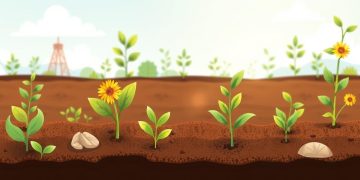
The Role of Soil Drainage in Home Gardening Success

Effective soil drainage is essential for thriving home gardens, impacting plant health and preventing diseases. By understanding your soil type and implementing strategies like raised beds and soil amendments, you can enhance drainage, promote root vitality, and cultivate a vibrant garden ecosystem. Proper drainage practices lead to successful home gardening.

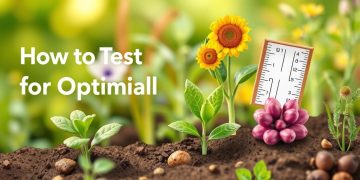
How to Test and Amend Your Soil for Optimal Plant Growth

Understanding soil health is crucial for optimal plant growth. By testing your soil, you can identify its pH, nutrient levels, and texture. Tailoring amendments like organic matter and fertilizers enhances fertility and supports sustainable gardening practices, leading to thriving plants and increased yields. Invest in your soil for a flourishing garden.

How Soil pH Affects Plant Health and Growth in Your Garden

Soil pH is vital for plant health and growth, influencing nutrient availability and microbial activity. Maintaining optimal pH levels ensures plants thrive, reducing stress and susceptibility to diseases. Regular soil testing and appropriate amendments can enhance garden ecosystems, promoting vibrant, productive spaces for diverse plants. Understanding soil pH is essential for successful gardening.

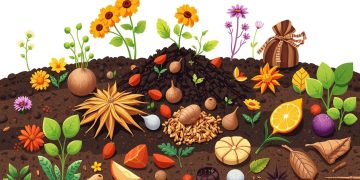
Exploring the Benefits of Compost and Organic Matter in Various Soil Types

This article explores how compost and organic matter enhance soil health across various types, from sandy to clayey. It highlights benefits like improved moisture retention, nutrient availability, and increased biodiversity, promoting sustainable agricultural practices. Emphasizing long-term advantages, it advocates for compost's role in mitigating climate change and enhancing crop productivity.

Understanding Soil Types and Their Importance for Plant Growth

Understanding soil types is crucial for optimizing plant growth and ensuring healthy ecosystems. Different soil compositions, such as sandy, clay, and loamy soils, influence water retention and nutrient availability. Knowledge of these soil characteristics empowers gardeners and farmers to select suitable plants and improve soil health, promoting sustainable agricultural practices.

How to Identify and Manage Common Plant Pests

Gardening can be challenging with common plant pests like aphids, spider mites, and whiteflies threatening plant health. Effective identification and management strategies, including natural predators, physical controls, and cultural practices, empower gardeners to maintain a vibrant ecosystem and safeguard their plants from infestations. Stay proactive for thriving gardens.


Choosing the Right Plants for Different Sunlight Conditions

Understanding sunlight conditions is essential for selecting the right plants, ensuring vibrant gardens. With options for full sun, partial shade, and full shade, gardeners can create stunning landscapes by choosing species that thrive in their specific light environments, enhancing both health and aesthetic appeal. Embrace the nuances of light for a flourishing garden.

The Role of Watering Techniques in Plant Health

Proper watering techniques are essential for optimal plant health, influencing growth, disease resistance, and nutrient uptake. Techniques like drip irrigation, soaker hoses, and hand watering cater to different plant needs and soil types, fostering deeper root development and efficient water use while promoting sustainable gardening practices.

Cover Crops: How to Protect Your Soil During Seasonal Changes

Cover crops are essential for sustainable agriculture, offering protection against soil erosion, enhancing soil structure, and improving nutrient availability during seasonal changes. By reducing reliance on synthetic fertilizers and improving moisture retention, these plants help farmers adapt to climate variability while promoting long-term soil health and productivity.

Seasonal Planting Tips: Maximizing Your Harvest Throughout the Year

Discover essential seasonal planting tips to maximize your harvest year-round. Align your garden strategies with nature's cycles, from spring's revitalizing crops to winter's hardy varieties. Utilize techniques like succession and companion planting while exploring indoor gardening methods. Transform your garden into a continuous source of fresh produce and enjoyment.