Indoor Plants for Beginners: Ideal Choices for Closed Environments
Explore the Benefits and Essentials of Indoor Gardening
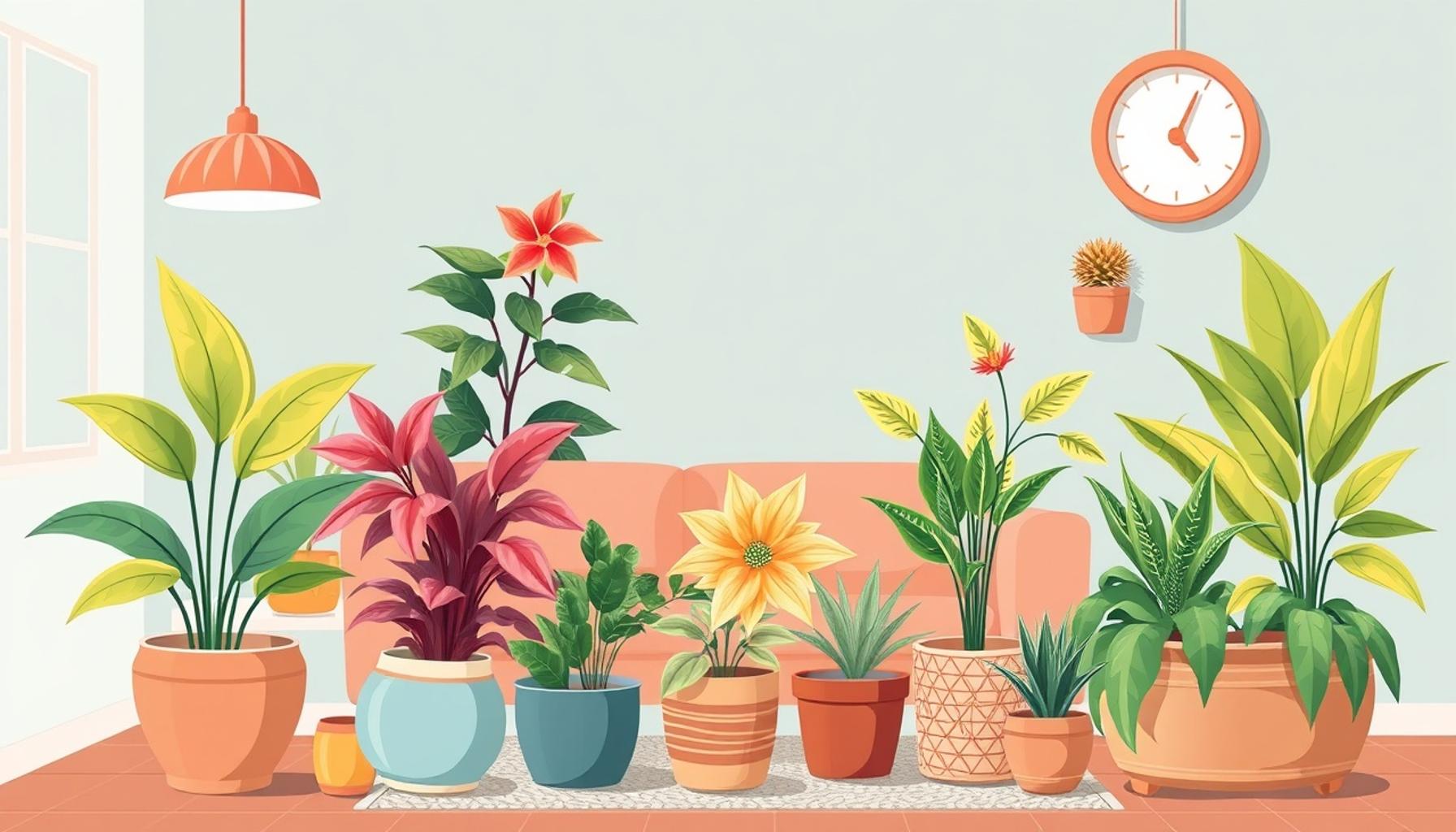
Indoor gardening is more than just a trend; it is a lifestyle choice that brings the beauty of nature indoors, enhances your space, and contributes to better air quality. For busy individuals or urban dwellers, the allure of cultivating a small green oasis within their living areas is particularly appealing. With the right selection of plants, anyone can enjoy the therapeutic benefits of nurturing greenery in their home.
Understanding the characteristics of indoor plants is crucial for success. Here are some vital factors to consider when selecting the perfect plants for your indoor garden:
- Light Requirements: Different plants thrive under different lighting conditions. For instance, succulents and cacti prefer bright, direct sunlight, while ferns and pothos can do well in lower light situations. Assess the natural light in your space to determine which plants will flourish.
- Watering Needs: Consider your watering habits and choose plants accordingly. For example, the snake plant can tolerate dry conditions and only needs watering every few weeks, making it perfect for those who sometimes forget to water. On the flip side, the peace lily thrives best when its soil is kept moist, requiring a more attentive hand.
- Air Quality Improvement: Many indoor plants, such as the spider plant and the rubber tree, are known for their ability to purify the air, absorbing pollutants and toxins. Studies by NASA have even identified several plants that improve indoor air quality, making them not only aesthetically pleasing but also health-conscious choices.
For beginners embarking on their indoor gardening journey, starting with easy-to-care-for plants is a wise strategy. Here are some ideal options:
- Pothos: Often referred to as the “devil’s ivy,” this hardy vine is nearly indestructible and can thrive in a range of lighting conditions, from low light to bright indirect sunlight. Its trailing vines make it visually appealing in hanging planters or on shelves.
- Snake Plant: Known for its striking upright leaves, the snake plant is renowned for its air-purifying capabilities. It requires very little maintenance, making it an excellent plant for beginners and busy lifestyles.
- Peace Lily: With its graceful blooms and ability to thrive in low-light conditions, the peace lily is perfect for adding elegance to any space. It is also a great air purifier, further enhancing its appeal in indoor settings.
Regardless of whether you have a compact apartment or a spacious house, investing in the right indoor plants can dramatically enhance your living environment. Not only can they beautify your home, but they can also positively influence your mood and overall well-being. Dive into the world of indoor gardening, and discover countless options waiting to transform your space into a vibrant and harmonious sanctuary. With just a little effort and the right plant choices, you can cultivate a successful indoor garden that brings joy and vitality into your life.
DISCOVER MORE: Click here to learn how to optimize your soil for plant growth
Choosing the Right Indoor Plants for a Thriving Environment
As you embark on your journey into indoor gardening, understanding the best indoor plants suitable for beginners is crucial. Selecting the right plants allows you to create a lush green environment while minimizing the risk of care-related challenges. Start by considering these factors that make certain plants exceptional choices for closed environments.
For optimal results in indoor gardening, examine how different plants react to environmental elements—namely light, water, and humidity. Each plant has unique needs that, when met correctly, can lead to a flourishing indoor garden. Let’s explore the characteristics of plants that are particularly suitable for novice gardeners:
- Maintenance Level: Beginners should favor plants that are resilient and require minimal maintenance. Low maintenance plants such as the spider plant and cast-iron plant can thrive on neglect, making them ideal companions for those new to the gardening scene.
- Adaptability: Choosing plants that can adjust to varying indoor conditions is vital. For example, ZZ plants are incredibly forgiving and can tolerate low light and dry soil, making them perfect for busy households.
- Growth Rate: Some flowers take time to bloom, while others grow rapidly, offering quick satisfaction to beginner gardeners. Fast-growing plants like the maranta or Chinese evergreen can keep motivation high as they fill your space with life.
In addition to being robust and user-friendly, many popular indoor plants have interesting features that can enhance both the aesthetics and functionality of your home. Consider some of these appealing options:
- Philodendron: This plant boasts heart-shaped leaves and can tolerate low-light environments. Its trailing vines allow it to be displayed in hanging pots or showcased on a shelf.
- Aloe Vera: Besides being a visually striking succulent, this plant boasts healing properties due to its gel-filled leaves. It requires bright light and little water, making it another fantastic choice for beginners.
- Fiddle Leaf Fig: This trendy plant has large, stunning leaves that make a bold statement in any room. While it does need a bit more attention in terms of light and watering, its iconic look makes it worth the effort.
Establishing an indoor garden is not merely about beautifying your living space; it also serves as a vehicle for exploring your own gardening interests. Engaging with indoor plants can lead to a greater understanding of nature and the restorative benefits of greenery. Moreover, tending to your indoor plants can provide a sense of accomplishment and a connection to the natural world, even amidst the concrete jungles of modern living.
As you venture forward, remember that the world of indoor gardening is vast and inviting. You will discover a range of plants that can meet your individual needs and preferences, allowing you to craft a personally curated green sanctuary inside your home. Choose wisely, and watch your indoor garden flourish.
Indoor Plants for Beginners: Ideal Choices for Closed Environments
Creating a vibrant indoor environment is not just aesthetically pleasing; it’s also beneficial for your well-being. Indoor plants can improve air quality, boost mood, and bring a sense of tranquility to your living space. For beginners, choosing the right plants is crucial, especially if you’re navigating the complexity of maintaining greenery in closed environments. Below, we present an engaging table highlighting the key advantages of optimal indoor plant choices for those new to gardening.
| Category | Description |
|---|---|
| Low Light Tolerance | Plants like Snake Plants and Pothos thrive in indirect light, making them perfect for closed environments with limited natural sunlight. |
| Air Purification | Indoor plants such as Spider Plants and Peace Lilies actively filter toxic pollutants, enhancing the air quality in your home. |
Exploring the world of indoor plants opens up a new realm of possibilities for those looking to enhance their living spaces. With selections that not only brighten up corners but also contribute significantly to healthier air circulation, it is clear why beginners are encouraged to cultivate these wonderful green companions. Each plant species brings unique aesthetics and attributes, making it essential to understand their specific needs to ensure a flourishing indoor environment.
Choosing the Right Indoor Plants
When selecting plants, beginners should consider factors like humidity levels, maintenance schedules, and size of the space they wish to beautify. Some plants may require regular watering while others thrive on minimal care. Beginners can benefit from moisture-retaining potting mixes, which reduce watering frequency, making the journey into indoor gardening easier and more enjoyable.
DISCOVER MORE: Click here to learn how to optimize your garden watering
Creating a Healthy Indoor Environment with Plants
The benefits of incorporating indoor plants into your home extend far beyond mere aesthetics. These leafy companions play an essential role in improving indoor air quality, enhancing mood, and even boosting productivity. As you delve deeper into the world of indoor gardening, it’s essential to understand how to select plants that not only look good but also foster a healthier environment.
One of the overwhelming advantages of integrating plants into your living space is their air-purifying qualities. According to a study by NASA, several houseplants can help remove toxins such as formaldehyde, benzene, and trichloroethylene from the air. By introducing plants like the peace lily, snake plant, and spider plant into your home, you can create a more refreshing atmosphere. These plants are particularly beneficial in closed environments, where indoor air often becomes stale and trapped.
Another key factor to consider when choosing your indoor plants is the level of humidity in your home. Indoor environments, especially those heated during cold months or cooled during the summer, can lead to dry air, which can be damaging to both plants and occupants. Selecting humidity-loving plants, such as the Boston fern or phalaenopsis orchid, creates a more balanced atmosphere. These plants thrive in more humid conditions, contributing not only to their own health but also to the moisture levels in your home.
Additionally, understanding the placement and arrangement of your indoor plants can significantly impact their growth and your overall experience. For instance, grouping plants together can create a microclimate that improves humidity and shared light exposure. An effective strategy is to include varying heights of plants, such as the taller dracaena alongside lower-growing varieties like pothos. This not only enhances the visual appeal but also helps create an environment where plants can thrive in harmony.
It’s also essential to consider seasonal adjustments in your plant care routine. Many beginners might not realize that several indoor plants undergo dormancy during winter, requiring less water and light. For example, the rubber plant and Kentia palm will thrive better with adjusted care during the colder months. Being aware of these changes will help prevent overwatering or underexposing your indoor plants to light.
Finally, ensure that you stay informed about any potential issues that might affect your indoor garden. Monitoring for pests like spider mites, aphids, and mealybugs will be crucial in maintaining the health of your plants. Preventive measures, including wiping down leaves regularly and ensuring good air circulation, can help mitigate pest problems, particularly in a closed environment. Furthermore, engaging in regular observation and learning from trusted resources will enhance your ability to keep your indoor plants thriving.
As you take these factors into account, you’ll find that your indoor plants become more than just a decorative element; they transform into a vital part of your home ecosystem. By choosing the right plants and fostering their growth, you are investing in your space’s overall health and well-being. Embrace this journey, and let your indoor garden flourish as an extension of your personality and a sanctuary for serenity.
DISCOVER: Click here to learn about the best soil for your indoor plants
Conclusion: Embrace the Greenery
Integrating indoor plants into your living space can profoundly enhance not just the visual appeal of your home, but also your overall well-being. Whether you are captivated by the air-purifying benefits of the snake plant or the humidity-boosting properties of the Boston fern, understanding the needs of these plants will enable you to create a thriving indoor environment.
As you embark on your indoor gardening journey, remember that patience and observation are vital. Your plants will respond to your care, and their health will serve as a reflection of the environment you cultivate. By choosing the right species, from low-maintenance options like pothos to more delicate blooms like the phalaenopsis orchid, you can customize your indoor garden to suit your lifestyle and preferences.
Moreover, fostering community through shared knowledge about plant care can unlock a treasure trove of tips and resources to help you troubleshoot issues like pests and seasonal challenges. As you connect with fellow beginners or seasoned plant enthusiasts, you will find inspiration and support to keep your indoor oasis flourishing.
In conclusion, indoor plants can serve as an essential part of your sanctuary, providing not just a breath of fresh air, but also a dose of tranquility in today’s fast-paced world. So gather your pots, soil, and seedlings, and let your unique symbiotic relationship with nature blossom—one leaf at a time.