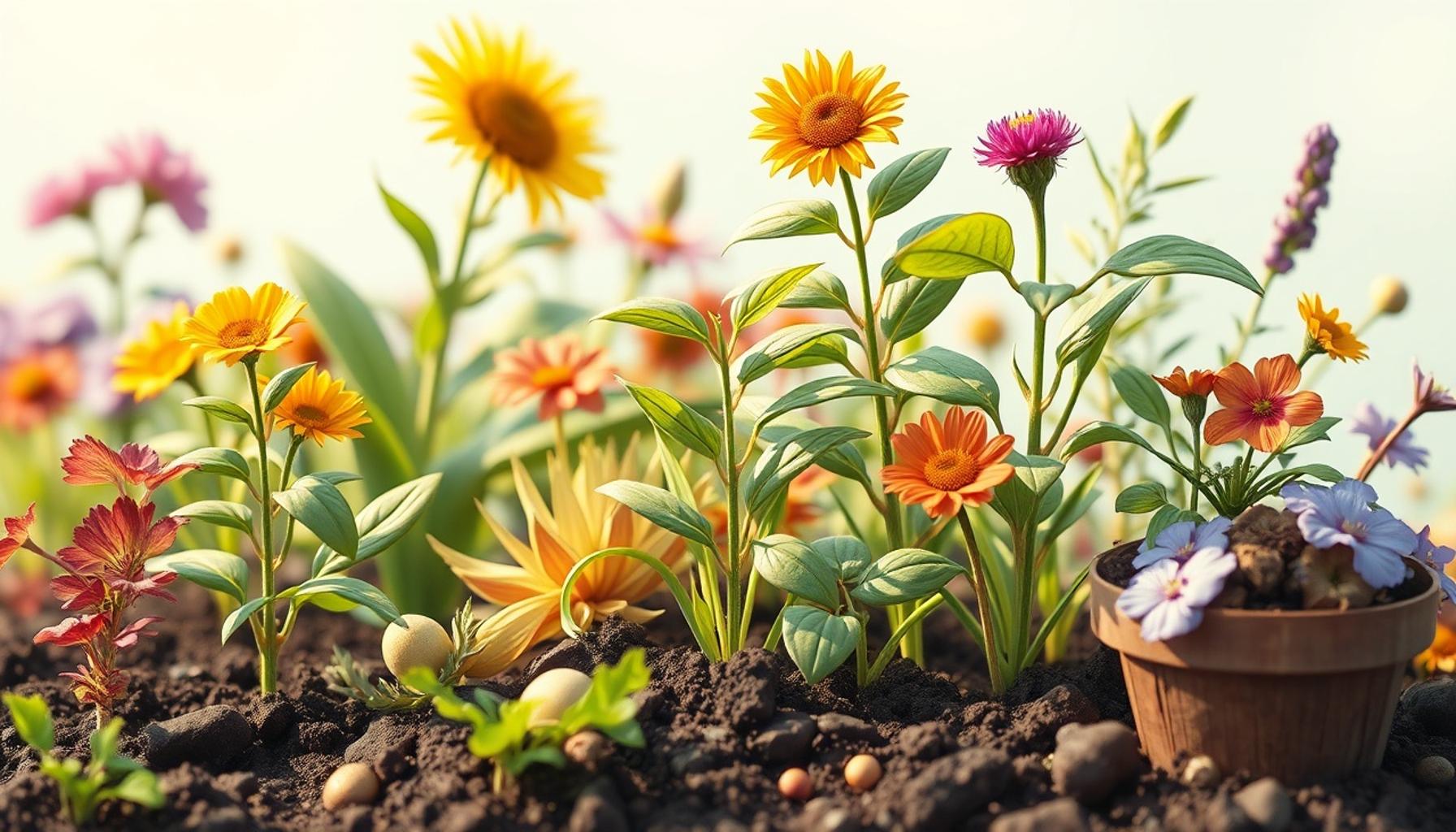
The Life Cycle of Plants: Understanding Germination, Growth, and Blooming
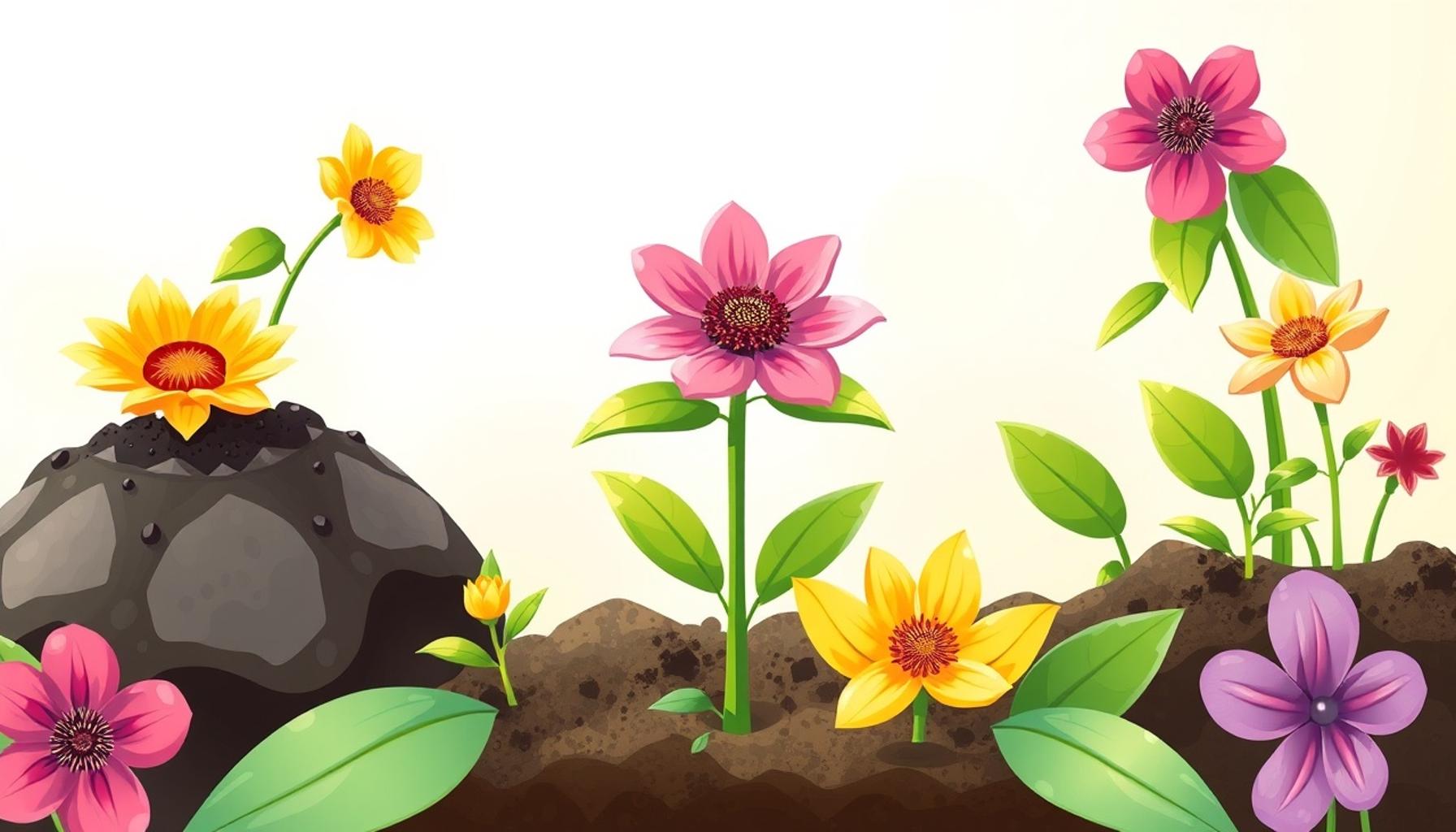
The Fascinating Journey of Plants
The transformation of a plant from a minuscule seed to a splendid bloom is one of nature’s most enchanting phenomena. Understanding this life cycle not only unravels the intricate processes of germination, growth, and blooming, but also captivates anyone who has a passion for learning about the natural world. Each stage has its own set of remarkable features and challenges that combine to illustrate the profound complexity of life.
Key Stages in the Life Cycle of a Plant
- Germination: This initial process is where dormant seeds awaken. Upon absorbing water, they swell, break their seed coats, and begin to sprout. Temperature and moisture levels are critical during this stage; for instance, many seeds require a specific temperature to trigger germination, while others (like those of the redwood tree) need fire to release their seeds. A classic example is the common bean, which can germinate in as little as five days under ideal conditions, blooming into a plant that produces nutritious pods within weeks.
- Growth: The growth phase is marked by significant developments, including root establishment, stem elongation, and leaf expansion. Roots extend into the soil, seeking out nutrients and water, while leaves emerge to maximize exposure to sunlight for the process of photosynthesis. For example, sunflowers are known for their rapid growth rate, with some species reaching heights of up to 10 feet in just a few months. During this stage, environmental factors, such as soil quality and available sunlight, critically influence the plant’s success.
- Blooming: This final stage culminates in the production of flowers, an essential process for reproduction. Flowers attract pollinators like bees and butterflies, facilitating cross-pollination. For instance, the California poppy, a state flower, blooms vibrantly in the spring. Its petals unfurl to display a brilliant orange hue, acting as a magnet for pollinators and enabling the continuation of its species through seed production.
Understanding these stages highlights the adaptation mechanisms plants use to thrive in diverse environments. Photosynthesis, for example, not only provides plants with energy but also plays a key role in the Earth’s ecosystem by generating oxygen and sequestering carbon dioxide.
Why It Matters
Recognizing the life cycle of plants enriches our appreciation for nature’s ingenuity and informs sustainable agricultural and gardening practices. In urban areas, understanding plant growth can lead to successful rooftop gardens, community green spaces, and sustainable landscaping. With knowledge of the life cycles, gardeners and farmers can apply better cultivation techniques, optimizing yield while supporting local ecosystems. The more we delve into the remarkable processes that define the plant kingdom, the more we realize the interconnectedness of life on Earth, encouraging us to cultivate a deeper respect and understanding of our environment.
DISCOVER MORE: Click here to learn about soil pH and gardening
The Stages of Plant Life: A Closer Look
Understanding the life cycle of plants involves diving deeper into each distinctive stage: germination, growth, and blooming. Each phase is not merely a sequence of events; it is a complex interplay of biological processes that allows plants to adapt and thrive in various environments. By exploring these stages, we can appreciate how plants navigate their life cycles with remarkable precision.
Germination: The Awakening of Life
The excitement of germination begins when environmental conditions align perfectly. Typically, seeds need three fundamental elements to initiate the process: moisture, temperature, and oxygen. Once these factors are in place, the seed absorbs water through its seed coat, resulting in a swelling that triggers metabolic processes. The seed coat then splits, and the embryonic plant emerges as the first roots begin to anchor the seedling into the soil.
Different plant species display remarkable adaptations in their germination processes. For instance, some require exposure to light to germinate, while others thrive in darkness. Certain seeds, like those of the lotus, can remain dormant for hundreds of years before sprouting when the conditions finally become favorable. Understanding these unique requirements is vital for gardeners and farmers alike, as proper seed treatment can vastly improve germination rates and plant health.
Growth: A Race Against Time
The growth stage is where the plant truly strives for survival and prosperity. This phase can be broken down into several key processes:
- Root Development: Roots anchor the plant and absorb water and nutrients from the soil, forming a crucial foundation for the plant’s overall health.
- Photosynthesis: During this process, plants convert sunlight into energy, using chlorophyll in their leaves to transform carbon dioxide and water into glucose and oxygen.
- Stem Elongation: The stem not only supports the plant but also serves as a conduit for nutrients and water, often growing taller to compete for sunlight.
- Leaf Expansion: Leaves spread out to facilitate photosynthesis, becoming integral to the plant’s ability to harness energy.
The growth phase can vary widely between species. Fast-growing plants like the zucchini can reach maturity in less than two months, while trees such as the oak exhibit a slow and steady growth trajectory, sometimes taking decades to reach full height. Environmental factors, including sunlight, soil quality, and water availability, play a crucial role in determining how effectively a plant grows during this important stage.
Blooming: The Culmination of Life
The blooming stage represents the climax of the plant’s life cycle, where the focus shifts from mere survival to reproduction. Flowers not only add beauty to the landscape but also serve essential biological functions. They are meticulously designed to attract pollinators, with vivid colors and enticing scents acting as lures. For example, the iconic cherry blossom captivates viewers while playing a pivotal role in its species’ reproduction through inviting bees and butterflies to facilitate cross-pollination.
Moreover, the blooming phase also includes fruit development, which is vital for the dispersal of seeds. Understanding the factors influencing blooming, such as seasonal changes and pollinator presence, can help gardeners optimize flowering times, enhancing the beauty and productivity of gardens.
By grasping the dynamics of germination, growth, and blooming, individuals can cultivate a deeper appreciation of the delicate balance that sustains plant biodiversity. Whether in a backyard garden or a sprawling agricultural field, the life cycle of plants remains an essential aspect of our ecosystem, supporting not just plant life but the myriad creatures that depend on these green giants.
| Category | Overview |
|---|---|
| Germination Process | During germination, seeds absorb water, swell, and begin to sprout, signaling the start of a new plant’s life. |
| Growth Stages | As plants grow, they undergo various stages that include root development, leaf production, and height increase. |
| Blooming Phase | The blooming stage is marked by flower formation, crucial for reproduction and attracting pollinators. |
| Environmental Influence | Factors such as light, temperature, and humidity significantly affect each cycle stage, influencing plant vitality. |
Understanding these pivotal phases—germination, growth, and blooming—provides a fundamental insight into the life cycle of plants. Each stage has distinct challenges and requires specific environmental conditions that contribute to the overall health and reproductive success of the species. This journey from tiny seed to blooming beauty is not just fascinating but also highlights the intricate relationships plants have with their ecosystems. Exploring further into these dynamics not only enriches our knowledge of botany but also emphasizes the importance of conservation efforts in protecting plant life and their habitats for future generations.
DON’T MISS: Click here to discover the perfect soil for your container garden
Environmental Influences on the Plant Life Cycle
While the stages of germination, growth, and blooming form the core framework of how plants operate, it is crucial to recognize that these stages do not occur in isolation. In fact, environmental factors have significant influences throughout the plant life cycle, shaping not just individual plants but entire ecosystems.
Climate Conditions: A Vital Component
The climate plays a pivotal role in the life cycle of plants, impacting their ability to germinate, grow, and bloom successfully. For instance, temperature fluctuations can influence the timing of germination. Many seeds possess what is known as a dormancy period, requiring a specific temperature range before they will sprout. Plants found in temperate zones, such as red maples, often need the winter chill to satisfy this requirement, ensuring they germinate as spring arrives.
Moreover, varying precipitation patterns directly affect growth rates. Regions with consistent rain support a diverse range of plant species, while arid climates require plants to develop unique adaptations, such as thicker leaves or deep root systems, to survive longer without water. The well-known cacti, for instance, conserve water in their thick, fleshy tissues while often blooming in response to brief seasonal rains, creating a burst of color in stark environments.
Soil Quality and Composition
Equally important to a plant’s life cycle is the quality and composition of the soil in which it grows. Nutrient-rich soil, abundant in organic matter, supports robust growth and development, allowing plants to reach their full potential. Key nutrients, including nitrogen, phosphorus, and potassium, are vital for optimal growth, impacting everything from leaf development to flowering. Conversely, poor soil conditions can lead to stunted growth and diminished blooming.
For example, amending garden soil with compost can significantly enhance plant health, fostering an environment conducive to thriving gardens. This not only promotes healthier plants but can also enhance biodiversity as various organisms, from microbes to earthworms, flourish in nutrient-rich soils.
Interactions with Other Organisms
The interactions between plants and other organisms, including pollinators, herbivores, and even soil microorganisms, add another layer of complexity to the life cycle of plants. Pollinators like bees and butterflies are essential during the blooming stage, influencing seed set and genetic diversity within plant populations. Interestingly, some plants have co-evolved specialized traits to attract specific pollinators; for instance, the hummingbird sage has tubular flowers perfectly adapted for its namesake bird.
On the other hand, herbivores can pose a threat, consuming foliage and flowers, which might severely impact a plant’s ability to grow and reproduce. As a survival strategy, many plants have developed defensive mechanisms, including thorns and chemical deterrents, to fend off these predators. Understanding these ecological relationships unveils the intricate tapestry that supports the plant life cycle.
By recognizing the profound effects of climate, soil conditions, and interspecies interactions, we can gain a deeper understanding of and appreciation for the complexities of the life cycle of plants. This knowledge not only aids in cultivating healthier plants but also fortifies our awareness of the vital roles that plants occupy within our ecosystems. The more we learn about these processes, the better equipped we are to nurture and protect the green companions of our planet.
DISCOVER MORE: Click here to uncover your houseplants’ perfect watering needs
Conclusion: The Interconnected Journey of Plants
In summary, the life cycle of plants is a dynamic and intricate process that encompasses germination, growth, and blooming. Each stage serves as a testament to the resilience and adaptability of plant life amidst varying environmental conditions. Whether it’s the chilling embrace of winter, the warmth of spring, or the nurturing richness of soil, these factors profoundly influence the success of plants throughout their life stages.
As we unravel the complexities surrounding the growth of plants, we also gain insight into their vital role within our ecosystems. The intricate relationships with other organisms, such as pollinators and soil microorganisms, illustrate the delicate balance necessary for thriving plant communities. Moreover, understanding how climate and soil quality impact plant health encourages us to cultivate more sustainable practices, benefiting our gardens and wild landscapes alike.
In an ever-changing world, awareness of the plant life cycle serves not only as an invitation to appreciate nature but also as a call to action for preserving its harmony. As we continue to explore and engage with these green companions, we not only nurture their growth but also safeguard the lifelines they provide to ourselves and countless other species. The journey of a single seed embodies potential, inviting us all to delve deeper into the fascinating realm of plant life. Let this knowledge inspire us to protect and cherish the beauty of our planet.