Understanding the Basics: Different Soil Types for Home Gardening
Unlocking Your Garden’s Potential
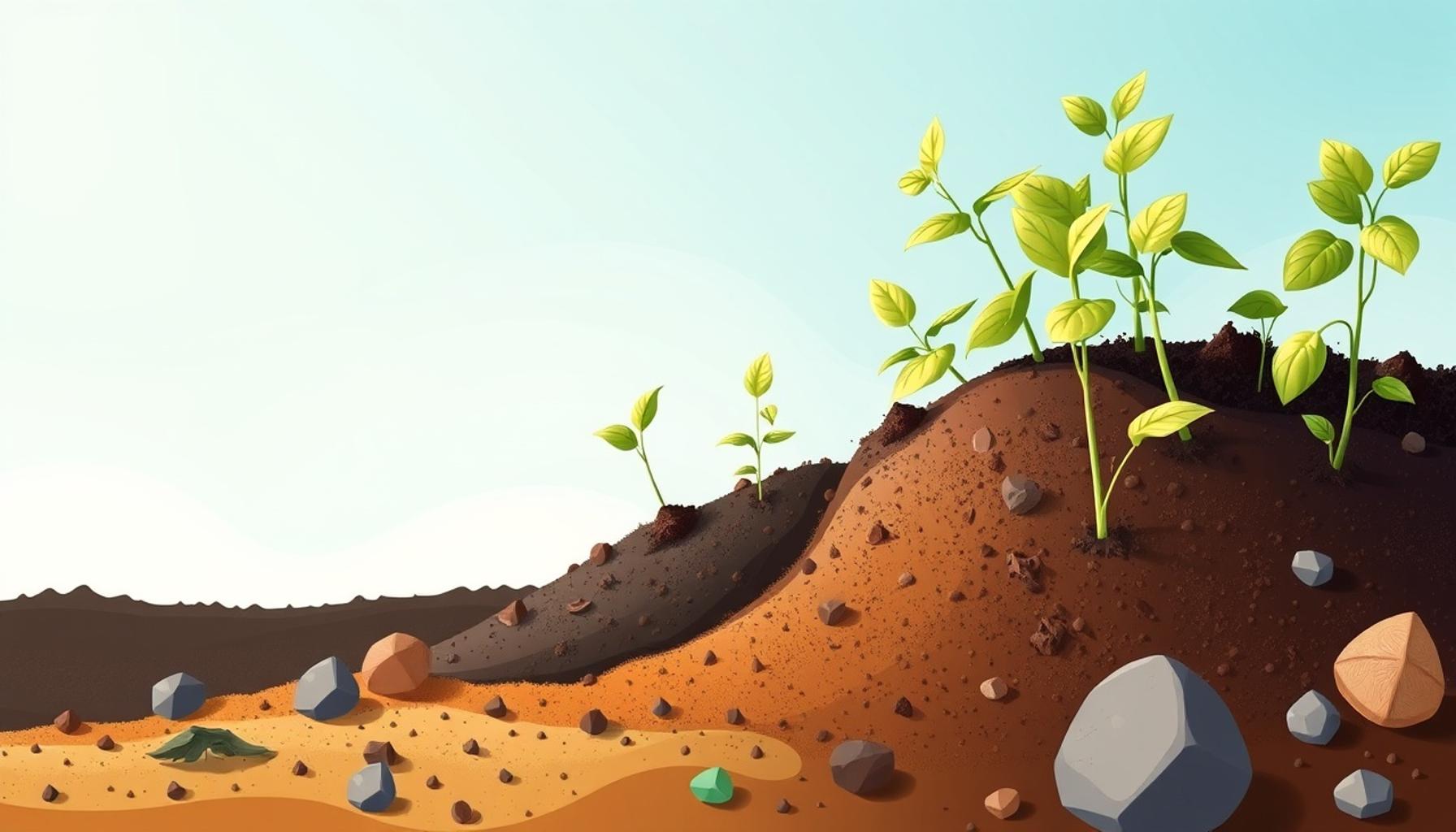
Soil is the very foundation of your garden. Understanding the different soil types can significantly enhance your gardening success. By learning about each soil type, you empower yourself to make informed choices that lead to thriving plants.
Why Soil Matters
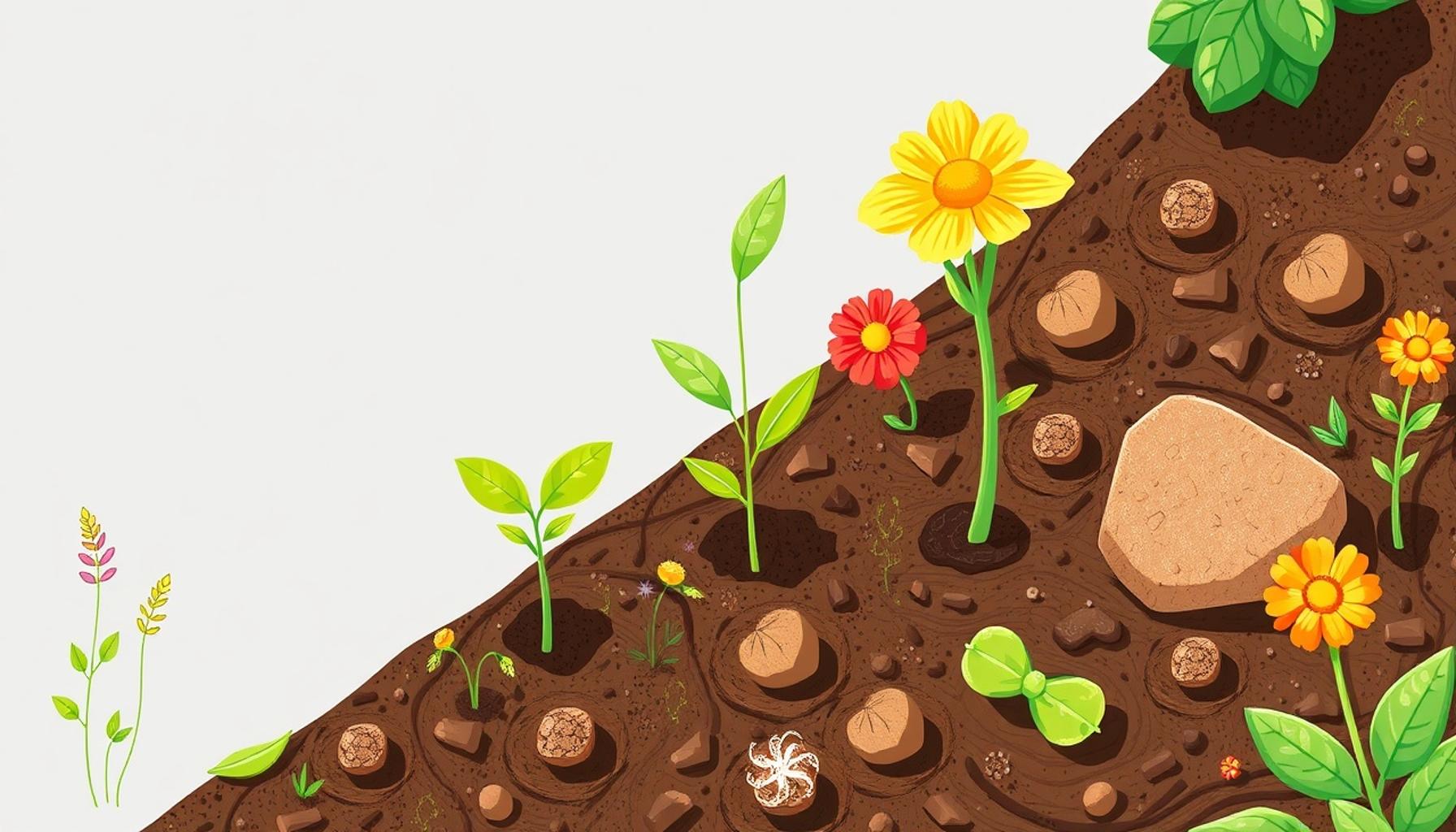
The right soil type affects moisture retention, nutrient availability, and root development. Each soil type comes with its own unique attributes, which can impact the overall health and productivity of your plants. Here are key characteristics of essential soil types:
- Clay Soil: Dense and heavy; this soil retains moisture well but drains poorly, making it prone to becoming waterlogged. On a positive note, clay soil is rich in nutrients, making it suitable for heavy feeders like tomatoes and corn. However, its compact nature can impede root growth unless properly managed.
- Sandy Soil: Generally, this type is light and well-draining; it is excellent for plants that require dry conditions, like succulents and certain herbs. However, sandy soil lacks nutrients and moisture retention, necessitating frequent watering and fertilizing to support plant growth.
- Silty Soil: Known for its smooth texture, silty soil retains moisture and nutrients more effectively than sandy or clay soils. This makes it a good choice for a wide range of plants, from leafy greens to flowering annuals. However, it can become compacted, so adding organic matter regularly is essential.
- Loamy Soil: The ideal mix of sand, silt, and clay, loamy soil provides the best of all worlds. It allows for good drainage while retaining moisture and nutrients, making it suitable for most garden plants. This versatility is why it is often referred to as ‘gold’ by gardeners.
Knowing these characteristics allows you to select plants that thrive in your specific conditions. For example, if you have clay soil, you might want to plant crops like peas or beets, which can handle heavier soil and rely on the moisture it retains. Not only will this knowledge save time and effort, but it will increase your garden’s productivity, transforming it into a lush, fruitful space.
Personalizing Your Garden
As you explore the world of home gardening, experimenting with various soil types can lead to unique results. For instance, you might choose to amend sandy soil with organic matter or compost to enhance its nutrient-holding capacity. Alternatively, integrating sand into clay soil can improve drainage and aeration, creating a more hospitable environment for delicate root systems.
Don’t hesitate to undertake a soil test to understand your garden’s specific needs better. Many local extension offices provide testing services, allowing you to determine your soil’s pH and nutrient levels. This information can guide your choice of amendments, making your gardening experience more successful and rewarding.
Ultimately, a personalized approach to gardening that considers your soil type can unleash your garden’s true potential, leading to a diverse ecosystem that produces healthy, vigorous plants. By taking soil into account, you are not just growing plants—you are cultivating a flourishing environment brimming with life.
DIVE DEEPER: Click here to learn how to test and amend your soil
Exploring the Four Pillars of Soil Types
When embarking on your home gardening journey, knowing the specific soil types you are working with can profoundly affect your plant’s growth and health. Understanding the attributes of each type not only enables you to plant appropriately but also assists in making the right amendments and management decisions that will support your plants throughout their growing seasons.
1. The Power of Clay Soil
Often perceived as challenging, clay soil is a dense and heavy medium that offers both benefits and drawbacks. Its fine particles create a tightly compacted structure that can often retain moisture for extended periods. This characteristic suits crops that appreciate consistent hydration, such as carrots and potatoes. However, its poor drainage capabilities can turn it into a quagmire when overwatered. Working with clay soil requires patience and strategic intervention, such as adding organic matter like compost to enhance its structure and aeration.
2. Unleashing the Potential of Sandy Soil
Sandy soil is a gardener’s ally when it comes to drainage. Its gritty texture encourages quick water movement, making it ideal for drought-resistant plants like lavender and rosemary. However, this soil is quite notorious for lacking essential nutrients, necessitating regular fertilization to ensure your plants receive the necessary sustenance. Innovative practices like mulching can help conserve moisture while suppressing weeds, easing the maintenance burden on sandy soil gardens.
3. The Luxurious Nature of Silty Soil
Considered one of the most desirable soil types, silty soil boasts a smooth, velvety texture that strikes an excellent balance between moisture retention and drainage. This quality opens doors for diverse plant options—from leafy greens like spinach to vibrant flowering plants. However, silty soil is prone to compaction, which can hinder root growth. To keep it fluffy and rich, incorporate organic materials as part of your regular garden upkeep.
4. The Champion: Loamy Soil
Described as the gold standard in soil, loamy soil contains a harmonious blend of sand, silt, and clay. Its ability to retain moisture while promoting effective drainage makes it an optimal environment for a wide range of plants. Whether you’re nurturing vegetables or designing a blossoming flower bed, loamy soil supports numerous gardening goals due to its enhanced nutrient-holding capacity. Learning to maintain this soil type can set you on the path to achieving a vibrant and productive garden.
As you familiarize yourself with the strengths and weaknesses of these primary soil types, you’ll better understand the essential needs of your plants. Careful selection and strategic amendment of your garden’s soil can mean the difference between a thriving landscape and a struggling one. With knowledge at your fingertips, you are now equipped to transform your garden into a bountiful and beautiful retreat, tailored to your unique gardening aspirations.
Exploring Soil Types and Their Impact on Home Gardening
Understanding soil is fundamental for successful home gardening. Different soil types offer unique properties that can significantly affect plant growth and the overall success of your garden.Loamy soil, often considered the gardener’s best friend, is a mixture of sand, silt, and clay. This type of soil is well-aerated and has excellent drainage, which promotes healthy root development. Loamy soil not only retains moisture but also has a rich nutrient profile, making it ideal for growing a diverse range of plants. A garden enriched with loamy soil thrives, producing healthy, vibrant vegetables and flowers.On the other hand, clay soil, characterized by its dense and sticky texture, presents challenges for gardeners. Although it holds moisture well, it can become waterlogged and lead to poor drainage, suffocating plant roots. However, understanding how to amend clay soil with organic matter—such as compost or peat moss—can enhance its structure and nutrient content. This transformation can lead to a flourishing garden, even within initially unfavorable conditions.Sandy soil, with its large particles, offers excellent drainage but struggles to retain moisture and nutrients. Home gardeners often face difficulties with sandy soil as it dries quickly, requiring more frequent watering. Yet, utilizing mulch and organic amendments can improve its water retention capabilities, offering a practical solution for gardeners looking to cultivate in less-than-ideal soil conditions.Lastly, silt soil, which is finer than sandy soil but coarser than clay, offers a balanced medium that retains moisture while providing good fertility. This type of soil is often ideal for growing vegetables and is less prone to compaction compared to clay soil. However, due to its fine particles, silt soil can be easily washed away during heavy rains, making erosion a concern.By understanding these soil types and their characteristics, home gardeners can cultivate a more productive garden. The key lies in selecting the right plants for your soil type and using appropriate amendments to optimize growing conditions. Whether you’re nurturing a small vegetable patch or a flower garden, becoming knowledgeable about your soil can lead to greater success in growing your own food or enhancing your outdoor space.
| Soil Type | Characteristics |
|---|---|
| Loamy | Well-aerated, nutrient-rich, ideal for diverse plants. |
| Clay | Dense, water-retentive, needs amendments for improvement. |
| Sandy | Excellent drainage, dries quickly, requires frequent watering. |
| Silt | Balanced moisture retention, easily eroded. |
DISCOVER MORE: Click here to enhance your garden
Tailoring Your Garden: Choosing the Right Soil for Your Needs
Having explored the four fundamental soil types essential for home gardening, it’s time to delve deeper into how each soil type can be tailored to meet your specific gardening ambitions. Properly understanding these soil properties not only enhances your gardening efforts but also elevates the quality and yield of your crops.
5. The Versatility of Peaty Soil
Often overlooked, peaty soil is characterized by its dark, spongy texture due to the presence of decomposing organic material. This soil type is excellent for moisture retention, making it a prime candidate for plants that thrive in damp conditions, such as ferns and certain types of shrubs. However, it can be acidic, which may deter some plants from flourishing. Regularly checking soil pH and amending with lime can create a more balanced environment, allowing a wider variety of plants to flourish. Peaty soil is particularly appreciated in cooler climates, making it a feasible option for Northern gardening enthusiasts.
6. The Importance of Soil pH
Soil pH is a crucial, yet often underestimated, factor in plant growth. Ranging from acidic to alkaline, the pH of your soil affects nutrient availability and microbial activity. Most plants prefer a slightly acidic to neutral range (pH 6.0-7.0), but certain crops like blueberries thrive in more acidic conditions. Conducting a simple soil test can unveil your garden’s pH level, enabling you to adjust it accordingly with amendments such as sulfur for acidity or ash for alkalinity. Understanding and manipulating pH opens up a whole new realm of gardening possibilities.
7. Enhancing Soil Health with Organic Matter
Adding organic matter is a fundamental practice regardless of soil type. Incorporating compost, well-rotted manure, or leaf mulch can drastically improve the structure and composition of your soil. This boosts its ability to retain moisture, enhances microbial activity, and provides essential nutrients. For gardeners in urban settings, using kitchen scraps for composting not only enriches the soil but also minimizes waste, making it an environmentally friendly practice. There’s no doubt that nurturing your soil with organic matter can turn even the most challenging soil types into fertile grounds.
8. The Role of Soil Amendments
Recognizing that soils can be improved through amendments is vital for any home gardener. Common soil amendments include gypsum, which can help with clay soil to improve structure, and rock phosphate, which can supply essential phosphorus especially important for root and flower development. Adding these nutrients strategically based on your soil’s needs can help optimize plant health and yield and enhance your overall gardening experience. Different regions of the United States experience varying soil challenges; understanding local conditions, such as the high clay presence in the Midwest or sandy soils along the coasts, can guide your choices on amendments.
Whether you’re working with clay, sandy, silty, loamy, or any other soil type, knowledge coupled with strategic amendments and practices can turn your garden into a flourishing paradise. As you embrace the nuances of your specific soil type, consider experimenting with various plants suited to your region. This exploration will not only enhance your gardening skills but also lead to a garden that is both productive and a reflection of your dedication.
DIVE DEEPER: Click here to discover the must-have tools for your garden
Conclusion: Cultivating Success Through Soil Knowledge
In summary, understanding the diverse soil types available for home gardening is a key factor in cultivating a thriving garden. Whether you are starting with clay, sandy, loamy, or peaty soil, each presents unique challenges and opportunities. By tailoring your gardening practices to suit your soil characteristics, you enhance not only the health and productivity of your plants but also your overall gardening experience.
Your journey into home gardening should involve regular soil assessments, including tests for pH levels and nutrient availability. Embracing organic matter and appropriate soil amendments can significantly improve soil structure and fertility, transforming even the most challenging soil into fertile ground. Take the time to explore local conditions and consider the specific needs of your plants. Keep in mind that gardening is an ongoing learning process, and adapting your techniques based on your soil will yield a more sustainable and bountiful harvest.
As you embark on your gardening adventures, remember that knowledge is your most powerful tool. Equip yourself with insights about various soil types and remain eager to experiment with different plants suited to your environment. Ultimately, nurturing your garden soil is a reflection of your commitment to fostering life, creating a beautiful, productive space that not only brings nourishment but also joy to your home.