The Importance of Watering Techniques for Healthy Home Gardens
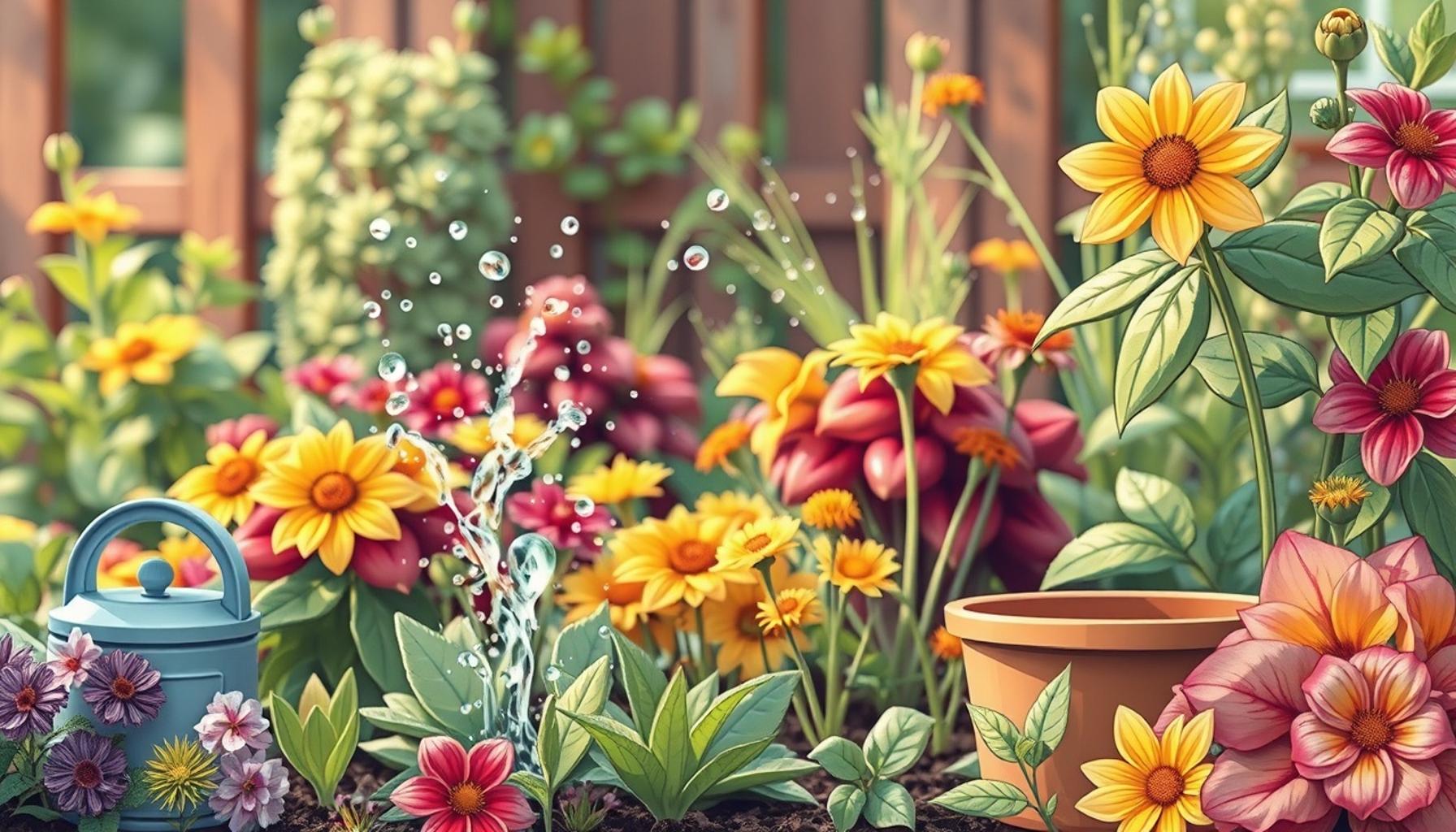
Watering Techniques for a Thriving Garden
Watering your home garden is more than just a daily chore; it’s an essential practice that directly influences plant health and productivity. The right watering techniques can be the deciding factor between vibrant blooms and drooping foliage. Understanding how to effectively manage water usage is crucial, especially in diverse climates across the United States.
Soil Health: Proper watering is essential for maintaining soil health. When you use the right techniques, it ensures that the soil remains aerated and absorbs water efficiently. Overwatering can lead to soil compaction, while underwatering can cause dry pockets, both of which hinder the growth of roots. Utilizing a moisture meter can help you gauge the actual needs of your soil by indicating when it’s time to water. This not only promotes a robust ecosystem in your soil, enhancing microbial activity, but can also lead to improved nutrient absorption by your plants.
Plant Strength: Controlled watering leads to stronger, healthier plants. When plants receive water consistently, they develop deeper roots, which makes them more resilient to drought conditions. A great example of this can be found in xeriscaping, a landscaping style popular in arid regions like the Southwest United States, where plants are specifically chosen for their drought tolerance. By adopting deep watering practices, gardeners encourage roots to search for moisture below the surface, fostering overall hardiness.
Pest Control: Effective watering techniques can mitigate issues related to pests and diseases. Excess moisture can lead to mold, especially in areas with high humidity. Employing methods such as drip irrigation minimizes water above the soil line and directly delivers moisture to the root zone, reducing the risk of fungal infections. For instance, utilizing soaker hoses or drip systems can help maintain optimal moisture levels while keeping foliage dry.
In the diverse climates of the United States, understanding how to adjust your watering methods based on regional weather patterns can drastically affect your garden’s success. For example, during the humid summers in the Southeast, implementing a morning watering schedule can prevent moisture-related diseases. On the other hand, in the arid deserts of Nevada, watering during the evening can reduce evaporation and make the most of each drop.
Let’s delve deeper into the various styles and best practices that will empower you to maintain a thriving home garden. Exploring techniques such as rainwater harvesting or scheduling specific watering times can further enhance your watering strategy. Staying attuned to your garden’s unique needs can transform watering from a mundane task into a science of cultivation that fosters healthy growth and bountiful harvests.
DIVE DEEPER: Click here to discover essential soil types
Best Watering Practices for Optimal Growth
Understanding watering techniques is crucial for every gardener looking to cultivate a lush, healthy garden. With the right practices in place, you can set your plants on the path to thriving while minimizing water waste. Here are some best practices that can transform your watering routine:
- Timing Is Key: Many gardeners overlook the timing of their watering sessions. Early mornings or late afternoons are considered prime times for watering, as temperatures are cooler, and evaporation rates are lower. This not only ensures that more water penetrates the soil, but it also gives plants a chance to absorb moisture before the heat of the day arrives.
- Water Deeply and Infrequently: Instead of frequent shallow watering, aim for a deep watering regimen. This encourages plants to develop deep root systems, making them more drought-resistant. A deep watering approach means soaking the soil down to about 12-18 inches, promoting strong and healthy root development.
- Observe the Weather: Adjust your watering habits based on weather conditions. For instance, if rain is in the forecast, you can delay your watering schedule. Conversely, during dry spells or heat waves, plants may require additional watering to maintain their health.
- Use Mulch: Applying a layer of mulch around plants can significantly improve soil moisture retention. It not only reduces the water evaporation rate but also helps prevent weed growth that can compete for moisture and nutrients.
- Tailor to Specific Plants: Different plants have different watering needs. Understanding the specific requirements of each plant species will help you avoid over or under-watering. For example, succulents and cacti require less water compared to tropical plants, which thrive in moist conditions.
In regions like the Midwest, where rainfall can be sporadic, developing an efficient watering strategy is essential. Understanding your local climate and soil type can enable you to create a watering plan that complements the natural environment, reduces wastage, and promotes sustainability.
Innovative Watering Solutions: As technology has advanced, so have our options for watering gardens. Drip irrigation systems, for example, deliver precise amounts of water directly to the roots of plants, reducing water consumption and minimizing the risk of fungal infections. Similarly, installing rain barrels enables homeowners to collect and utilize rainwater for irrigation, promoting environmental awareness while conserving local water resources.
Conclusion: The choices you make about watering your garden can have significant implications for its overall health and sustainability. By investing time in understanding effective watering techniques, you not only support your plants’ growth but also contribute positively to the environment. Stay tuned as we explore advanced watering strategies and delve deeper into using technology and nature’s bounty to your advantage.
| Category | Advantages |
|---|---|
| Soil Moisture Management | Implementing proper watering techniques maintains an optimal balance of moisture in the soil, promoting root health and enhancing nutrient absorption. |
| Water Conservation | Efficient watering methods, such as drip irrigation, reduce water waste, ensuring that resources are used sustainably while keeping your garden flourishing. |
| Plant Health | Effective watering practices help prevent common issues like root rot and fungal infections, significantly increasing the odds of a thriving garden. |
| Seasonal Adaptation | Knowing when and how to adjust watering schedules based on seasonal needs can vastly improve plant growth and resilience against weather changes. |
As a gardener, understanding the importance of watering techniques is essential to ensuring the vitality of your home garden. One crucial aspect is soil moisture management, which involves keeping an optimal moisture level to support healthy root systems. The benefits extend to water conservation, a key factor in sustainable gardening, particularly in drought-prone areas. Utilizing techniques like drip irrigation allows water to reach the plants directly, minimizing evaporation and runoff.Additionally, maintaining proper watering practices significantly enhances plant health, reducing risks of diseases such as root rot and promoting an overall vigorous growth. Lastly, by adapting watering schedules to account for seasonal variations, gardeners can navigate the challenges posed by extreme weather, ultimately leading to a lush and thriving garden all year round.In light of these factors, it becomes evident that mastering effective watering techniques is not just about quenching the thirst of plants; it is a cornerstone of successful gardening.
LEARN MORE: Click here to enhance your garden’s potential
Understanding Soil and Water Needs
Watering techniques are inextricably linked to understanding the soil in which your plants grow. Different soil types possess varying characteristics that impact water retention and absorption rates. For instance, sandy soils drain quickly, leading to a need for more frequent watering, while clay soils retain moisture longer but can become compacted, resulting in poor drainage. By knowing your garden’s soil type, you can adapt your watering practices accordingly, ensuring that your plants receive the right amount of moisture without excessive runoff.
Soil Testing: Engaging in soil testing can provide invaluable insights into nutrient levels and pH balance, which directly affect plant health and water uptake. Local agricultural extensions often offer testing services. Understanding the nutrient composition of your soil allows you to tailor not just your watering techniques but also your fertilization strategy, ensuring plants receive essential elements like nitrogen, phosphorus, and potassium effectively.
Implementing Efficient Water Management
Watering your garden efficiently is not solely about the quantity but also about the management of that water. Here are some thoughtful approaches to water management:
- Watering Zones: Divide your garden into zones based on the specific water requirements of the plants. Grouping plants with similar moisture needs together can streamline your watering efforts and enhance overall water efficiency. For example, place moist-loving plants like ferns close to each other while keeping drought-resistant species, like lavender, in a separate zone.
- Use of Watering Cans and Hoses: While a garden hose may seem convenient, using a watering can allows better control over the amount of water distributed, reducing waste. Additionally, when using hoses, consider equipping them with nozzles that allow for adjustable flow settings. This ensures that water can be directed precisely to the base of the plants.
- Harvesting Rainwater: As previously mentioned, rain barrels can be a gardener’s best friend. By capturing rainwater, you not only create a sustainable watering source but also help reduce your water bill. Furthermore, rainwater is free from the chemicals often found in municipal water systems, benefiting your plants.
- Awareness of Evapotranspiration: Understanding the concept of evapotranspiration can drastically improve how you water your garden. This term refers to the sum of evaporation and plant transpiration from the earth’s surface to the atmosphere. Monitoring local weather conditions can help you assess how quickly water might evaporate, enabling you to adjust your irrigation practices. For instance, hotter months or windy days may warrant an increase in watering frequency.
Utilizing Technology: Leverage modern technology for superior watering practices. Smart irrigation systems can automatically adjust watering schedules based on real-time data from weather forecasts or soil moisture sensors. These innovations not only save time but also ensure that your garden remains healthy while conserving water.
As gardening practices evolve, the emphasis on responsible water usage becomes more pressing. Knowledge of watering techniques, coupled with effective soil management, not only promotes the prosperity of your home garden but also contributes to broader environmental sustainability efforts. With an increased understanding of the interconnection between soil health and moisture needs, every gardener can maximize their efforts while nurturing a vibrant and sustainable outdoor space.
ENHANCE YOUR GARDEN: Click here to discover essential soil amendments
Conclusion: Flourishing Gardens through Thoughtful Watering
In conclusion, the art of nurturing a healthy home garden is profoundly influenced by effective watering techniques. As we’ve explored, understanding the varying needs of plants and the specific soil types they inhabit is essential for developing successful watering strategies. By implementing efficient water management practices—such as establishing watering zones, utilizing rainwater collection, and being mindful of evapotranspiration—gardeners can ensure their plants thrive while reducing water waste. For instance, grouping plants with similar water needs not only conserves water but also simplifies the watering process, allowing gardeners to target their efforts more effectively.
Incorporating technology into gardening, such as smart irrigation systems, takes this to another level. These innovative systems can be linked to local weather stations to adjust watering schedules based on real-time weather data and moisture sensors embedded in the soil. This means that during rainy spells, the system can skip watering, conserving precious resources and reducing water bills. As an example, systems like Rachio or RainMachine allow users to customize their watering plans through smartphone applications, providing convenience and optimizing plant health.
Furthermore, understanding evapotranspiration, which refers to the combination of evaporation from the soil and transpiration from the plants, is crucial in determining when and how much to water. By monitoring local weather forecasts and climate trends, gardeners can make informed decisions that greatly benefit their gardens and the surrounding ecosystem. A simple method of keeping track of this data could involve using a journal or an app dedicated to garden management.
Ultimately, embracing these strategies not only fosters a thriving garden but reflects a commitment to responsible stewardship of our natural resources. As water scarcity becomes a pressing issue in many regions across the United States, understanding the importance of each drop reinforces the notion that every effort counts. By prioritizing effective watering techniques, we can create beautiful, sustainable outdoor spaces that flourish now and for generations to come. Explore these methods and watch your garden transform into a vibrant paradise that thrives on thoughtful management and care.