Organizing Your Gardening Tool Kit Tips to Boost Efficiency Space
The Importance of an Organized Gardening Tool Kit
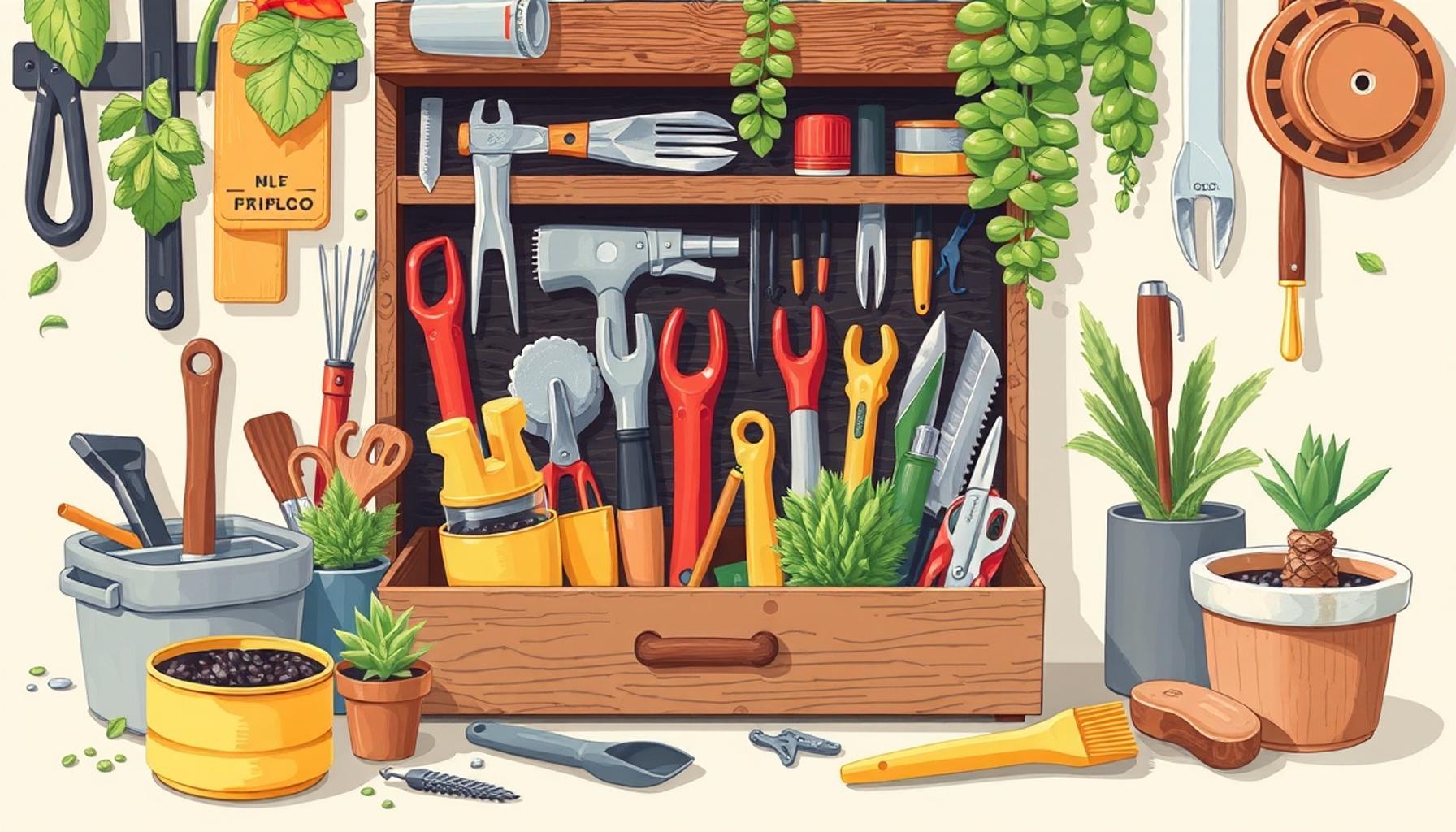
Whether you’re a seasoned gardener or a beginner just starting your journey, having an organized gardening tool kit is essential. Proper organization not only enhances efficiency but also saves valuable time and space, allowing you to focus on what really matters: nurturing your plants. An organized tool kit acts as your trusted assistant, ensuring that no matter the gardening task, you’re well-prepared to tackle it with ease and confidence.
Imagine the frustration of needing a pair of pruning shears and having to dig through a jumbled heap of tools to find them. Now imagine reaching precisely for what you need, precisely when you need it. This is the first step to creating a serene and productive gardening experience.
Reasons to Organize Your Tools
- Saves time: Quickly locate what you need without rummaging through clutter. This means spending less time searching and more time tending to your garden’s needs, whether it’s planting new seeds or trimming overgrown branches.
- Maximizes space: Optimally store tools to create more room for your plants. By using methods such as wall mounts, pegboards, or storage bins, you can keep your work area tidy, allowing more space for growth both in your garden and personal expertise.
- Increases productivity: Work more efficiently and enjoy a stress-free gardening experience. When your tools are orderly, every gardening session becomes a seamless operation, allowing you to maximize your efforts and see results quicker.
Top 5 Tips for Organizing Your Gardening Tool Kit
In this article, we will explore the Top 5 tips for organizing your gardening tool kit. These practical strategies will help you create a functional and inspiring gardening workspace. Stay tuned as we delve into methods that not only optimize your tool storage but also enhance your gardening practices, enabling you to cultivate a space that blooms with life and order.
Top 5 Tips for Organizing Your Gardening Tool Kit: Maximizing Efficiency and Space
For anyone with a passion for gardening, having a well-organized gardening tool kit is not just convenient, it is essential. Organizational skills play a significant role in making gardening efficient and enjoyable. It’s particularly helpful for beginners who may find managing various tools overwhelming. Whether your garden is modest or sprawling, a thoughtful approach to organizing your tools will streamline your efforts, save time, and enhance your gardening experience. This guide unveils the top five tips for effectively organizing your gardening tools, presented from five to one. Let’s dive right in!
5. Invest in a Good Garden Tool Organizer
Your journey toward a clutter-free gardening space begins with a reliable garden tool organizer. Such an investment allows you to maintain order, ensuring that every tool has a home. Depending on your space, you might allocate a corner of your garden shed, garage, or patio for your tool organizer. A variety of solutions exist to suit different needs:
- Wall-mounted racks: Perfect for keeping larger tools like rakes and shovels off the ground, easily visible, and accessible.
- Tool belts: Handy for carrying essential small tools such as pruners and trowels as you move around the garden.
- Storage bins: Ideal for grouping items with similar functions, like a bin just for planting gadgets.
By sorting your tools in a structured manner, you ensure a more pleasant and efficient gardening process. Imagine being able to effortlessly grab a spade and dig into your tasks — no more time wasted searching through heaps of equipment.
4. Categorize Your Tools
Categorization is a powerful tool in organizing your gardening equipment. By grouping tools based on their application, you can streamline tasks and avoid unnecessary clutter. Consider dividing your tools into clear categories:
- Planting Tools: Items like seedling trays, trowels, and bulbs can be stored together, keeping the planting process seamless and efficient.
- Weeding Tools: Keep your hoes, cultivators, and weeders together to tackle garden invaders without delay.
- Pruning Tools: Pruners, secateurs, and shears need to be within arm’s reach when you are trimming and shaping your plants.
- Cleaning Tools: Buckets, cleaning brushes, and other items help maintain tool hygiene and garden cleanliness.
Organizing by function means when transitioning from planting to weeding, you simply swap a bin or do a quick exchange of tools, minimizing chaos and disorder.
3. Regularly Maintain and Clean Your Tools
Imagine trying to chop vegetables with a dull knife; it’s inefficient and frustrating. The same applies to gardening tools. Routine maintenance and cleaning prolongs their life and enhances productivity. Here’s how to integrate maintenance into your gardening habits:
- After using cutting tools, clean the blades to remove sap and dirt, and occasionally sharpen them for best performance.
- Oil moving parts to prevent rust and ensure smooth operation.
- Inspect handles for splinters or breakage, repairing as needed to prevent accidents.
- Store clean tools dry to prevent rust and deterioration.
This care routine not only boosts tool longevity but also brings a satisfying sense of order and preparedness to your gardening practice, making the experience far more enjoyable.
2. Use Vertical Space Wisely
When organizing tools, it’s important to think in three dimensions. Maximizing vertical storage is a savvy way to enhance tool accessibility while keeping your space tidy and open. Here are a few strategies:
- Install pegboards on walls, creating flexible hook placement for tools of varying sizes.
- Use shelves to place supplies like fertilizers and pots within easy reach without taking up floor space.
- Mount hooks on doors to hang frequently used items like gloves or handheld watering cans.
In compact garden environments, vertical storage can transform a cramped area into a functional garden workstation, allowing for easier access and organization.
1. Create a Tool Inventory Checklist
An organized toolkit isn’t just about tidiness; it’s about efficiency, planning, and knowledge. A tool inventory checklist achieves all these. Maintaining a thorough inventory encourages better organization and loss prevention. Here’s how to develop your checklist:
- List all your tools and categorize them for clarity.
- Use a digital spreadsheet or a manually written list placed prominently where tools are stored.
- Regularly update your checklist, noting tools that are borrowed, broken, or need replacement.
- Utilize your checklist to track regular maintenance schedules, ensuring tools are kept in prime condition.
Such a checklist does more than keep your things in order; it enhances awareness of what you own, aids in maintaining the condition of your tools, and helps manage future purchases. Ultimately, it serves as both a planning tool and a record, creating a seamless and efficient gardening experience.
By embedding these five organizational tips into your gardening routine, not only do you boost productivity and enjoyment, but you also build a serene and orderly space. Embrace these strategies to transform your gardening toolkit and cultivate an optimal planting journey. Happy gardening!
| Category | Key Features |
|---|---|
| Storage Solutions | Utilize pegboards and tool racks to keep tools visible and within reach. |
| Space Management | Choose lightweight, stackable storage bins to save space. |
| Tool Maintenance | Regularly clean and sharpen tools to enhance performance and longevity. |
| Accessibility | Organize tools by usage frequency to minimize search time. |
To create an efficient gardening tool kit, it’s essential to consider storage solutions that not only house your tools but also keep them easily accessible. Implementing pegboards or wall-mounted tool racks allows for quick identification and retrieval, thereby enhancing your workflow in the garden. For space management, opt for lightweight and stackable storage bins. These bins can be tucked into corners or beneath benches, allowing you to maximize every inch of your gardening area. This practice ensures that you have all your tools organized without cluttering your workspace.Additionally, don’t underestimate the value of tool maintenance. Regular cleaning and sharpening of your gardening tools will not only boost their performance but also prolong their lifespan. For example, a sharp pruner makes clean cuts that promote healthy plant growth, while a dull one can damage plants and require more effort on your part.Finally, consider the accessibility of your tools. Grouping your tools by how often you use them will streamline your gardening tasks and reduce the time spent searching for the right tool. Keep frequently used items front and center, while seasonal tools can be stored further back or in less accessible locations. By employing these strategies, you can maximize the efficiency and effectiveness of your gardening endeavors.
DISCOVER MORE: Click here for essential watering tips
Frequently Asked Questions on Organizing Your Gardening Tool Kit
How do I determine which gardening tools are essential to keep in my kit?
When selecting tools for your gardening kit, focus on what you frequently use. Essential tools for most gardeners include a hand trowel, pruners, a weeder, a sturdy hoe, and a watering can. Think about your gardening tasks and current space limitations. Prioritize tools that serve multiple purposes or those that are crucial for your specific type of gardening, like vegetable or flower gardening.
What are some effective ways to save space when storing gardening tools?
To maximize space, utilize vertical storage solutions such as wall hooks or pegboards to hang tools. Stackable bins or toolboxes are great for smaller items. For larger tools, consider installing a rack or holder in a shed or garage. Also, evaluate each tool’s necessity; remove duplicates or items that haven’t been used in a season to free up space.
How can I ensure my gardening tools last longer and maintain their efficiency?
Regular maintenance is key to extending the life of your tools. Clean them after each use to remove dirt and debris. Sharpen blades on pruners and shears frequently, and apply a light oil to metallic parts to prevent rust. Store tools in a dry, sheltered space to avoid weather damage. Doing these simple tasks can significantly prolong the efficiency and usability of your gardening tools.
Is there a recommended way to organize my tool kit for quick and easy access during gardening?
Yes, organizing by function can be highly effective. Group tools by tasks, such as planting, pruning, or weeding, within your kit. Label your tool containers for easy identification. Consider placing frequently used tools at the top of bags or near the entrance of storage spaces for quick retrieval, ensuring you spend less time searching and more time gardening.
How often should I review and reorganize my gardening tool kit?
It’s a good habit to review your gardening tool kit at least once a season. During this time, evaluate what tools were used, consider if any are missing or broken, and assess whether you need additional items. An organized kit leads to a more efficient gardening process, saving you time and effort in the long run.
DISCOVER MORE: Click here to enhance your garden
Conclusion
In conclusion, understanding how to efficiently organize your gardening toolkit can greatly enhance your gardening experience, particularly for beginners eager to grow plants at home. As highlighted in this article, by following a systematic approach to organization, you can ensure that your gardening tasks are not only more efficient but also more enjoyable.
First and foremost, evaluating your essential tools and keeping them readily accessible is crucial. We discussed the importance of categorizing tools based on their function, which helps in quickly reaching what you need without unnecessary hassle. Secondly, utilizing storage solutions like pegboards or mobile toolboxes can maximize space, allowing you to maintain order even in smaller gardening areas.
Another key takeaway is the emphasis on regular maintenance of tools. Simple measures such as cleaning and sharpening can extend the life of your tools and improve their performance. Additionally, the article suggested labeling and using visual cues in your storage system to further streamline your gardening activities.
Moreover, by organizing your gardening kit, you cultivate a more sustainable practice. Reducing clutter and maintaining an efficient workspace not only saves time but also minimizes frustration, making gardening a more rewarding hobby. These techniques contribute to a long-term positive impact on both your personal productivity and overall plant health.
Ultimately, the importance of organizing your gardening tools cannot be overstated. It’s a small investment of time and effort that yields substantial returns, transforming your gardening journey into a smoother, more delightful experience. For those starting on the gardening path, these tips offer a solid foundation to establish efficient gardening habits right from the start.