The Impact of Sustainable Tools on Home Gardening
Embracing Sustainable Gardening
The rise of sustainable tools is revolutionizing home gardening, providing innovative solutions that benefit both the gardener and the environment. As more individuals in the United States turn to eco-friendly practices to cultivate their own food, it becomes increasingly vital to comprehend the significance of these sustainable tools and their broader environmental implications.
One of the primary advantages of utilizing sustainable gardening tools is their reduced environmental impact. Many of these tools are crafted from renewable materials such as bamboo, recycled metals, or biodegradable plastics, which significantly minimize the carbon footprint associated with manufacturing. Furthermore, energy-efficient designs, including solar-powered garden lights and battery-operated tools that have longer life spans, lessen reliance on fossil fuels, aligning with an overarching goal of reducing greenhouse gas emissions.
In addition to fostering a cleaner environment, sustainable tools also promote enhanced soil health. By embracing organic gardening practices and avoiding chemical pesticides and fertilizers, gardeners can enhance biodiversity in their gardens. For instance, tools like composters, which allow for the easy recycling of kitchen scraps and yard waste, can enrich soil fertility over time. Additionally, cover crops and native plants can attract beneficial insects and pollinators, thus maintaining a balanced ecosystem that thrives on natural interactions.
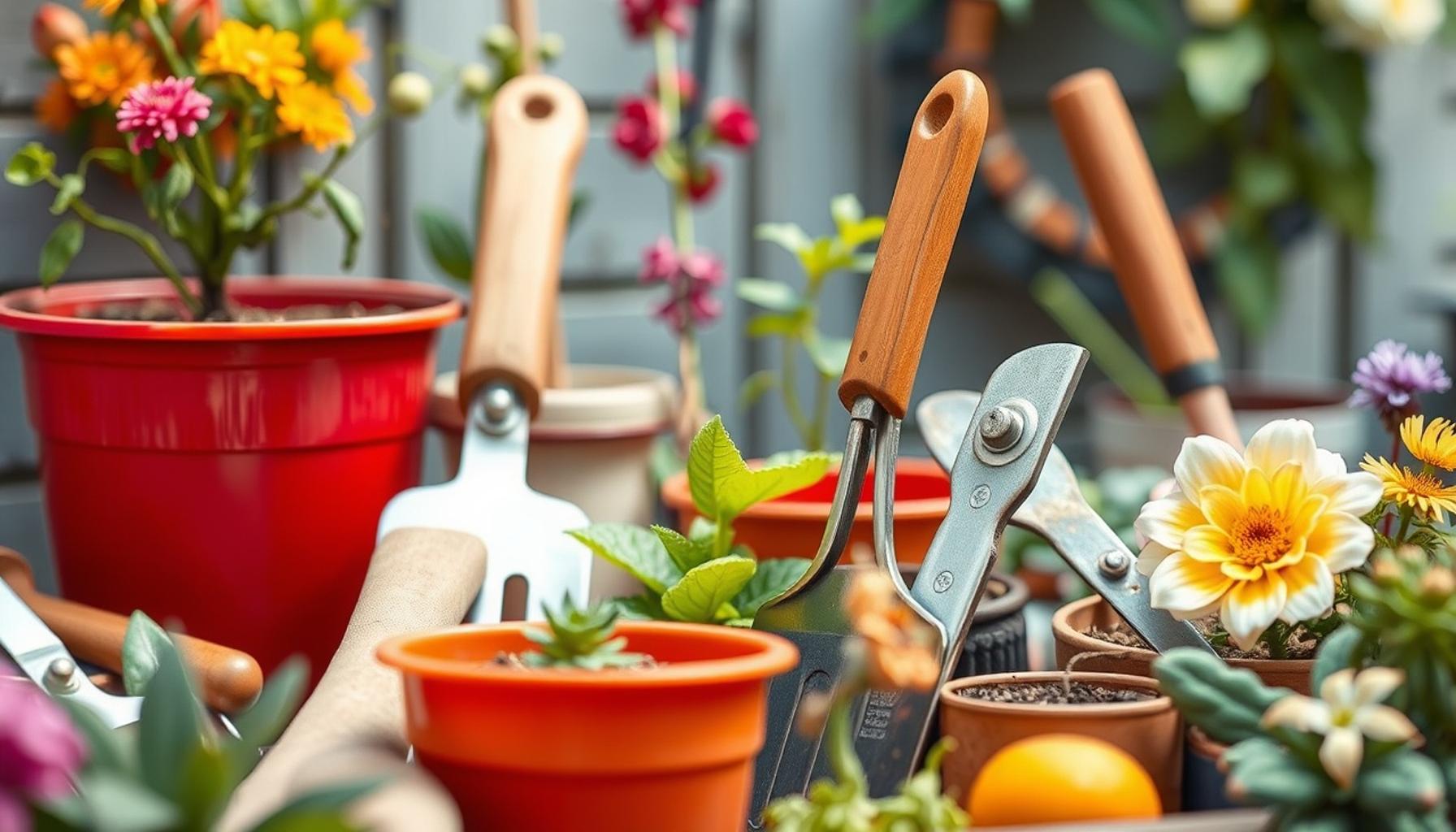
Moreover, investing in sustainable gardening tools is often linked to cost efficiency. Although the initial investment may be higher than conventional tools, the durability and longevity of sustainable options can lead to significant savings over time. For example, high-quality stainless steel hand tools are not only resistant to rust but also retain their sharpness longer, reducing the frequency of replacement and, consequently, the waste generated by discarded tools.
The innovations found within the realm of sustainable gardening tools cater not only to the practical needs of gardeners but also serve to uplift a healthier ecosystem. As we continue to explore this topic, specific examples of sustainable tools such as rainwater collection systems, organic mulches, and pollinator-friendly seed mixes can be highlighted. Each of these tools plays a crucial role in shaping the future of home gardening, encouraging practices that align with environmental stewardship.
For those eager to make the shift towards sustainable gardening, examining these tools offers an opportunity for innovative growing techniques and the potential for improved harvests. Engaging with the community of sustainable gardeners through workshops or online forums can further inspire individuals to adopt these empowering practices, ultimately contributing to a greener planet.
DISCOVER MORE: Click here for essential tips
Transformative Tools for Tomorrow’s Gardeners
Sustainable gardening tools not only represent a shift towards eco-friendly practices but also introduce a paradigm of innovation that stands to benefit the modern home gardener significantly. The adoption of these tools is backed by a burgeoning interest in sustainable living, as consumers become increasingly aware of the need for environmentally responsible practices. Their impact is multifaceted, touching everything from garden productivity to personal health and community engagement.
One important aspect of sustainable gardening tools is their role in water conservation. Traditional gardening methods often lead to excessive water use, contributing to drought conditions in various parts of the United States. Sustainable tools like rainwater harvesting systems allow gardeners to collect and utilize natural rainfall, dramatically reducing the need for municipal water. According to the U.S. Environmental Protection Agency (EPA), rainwater harvesting can reduce water bills significantly while providing a constant source of irrigation during dry spells. By utilizing such systems, gardeners not only conserve water but also ensure that their gardens remain vibrant and productive.
In the quest for efficient gardening practices, composting tools have gained significant acclaim for transforming kitchen scraps and yard waste into nutrient-rich fertilizer. Compost bins and tumblers can be easily integrated into any garden layout and offer an effective way to recycle organic materials. As reported by the EPA, composting can divert around 30% of waste from landfills, which highlights its importance not only for the home gardener but for waste management on a larger scale. By enriching soil quality and promoting healthy plant growth, composting tools make an invaluable contribution to sustainable gardening.
Another critical area in which sustainable tools excel is in the promotion of biodiversity. Tools like native plant seeds and pollinator-friendly kits empower gardeners to cultivate environments that are rich in variety. These tools encourage the planting of species that support local wildlife, including beneficial insects, pollinators, and birds. Biodiversity serves as a groundwork for resilient ecosystems, allowing gardens to thrive naturally. A garden that showcases diverse species not only looks visually appealing but also attracts a plethora of wildlife, creating a balanced and self-sustaining environment.
Consider the following tips when selecting sustainable gardening tools for your home garden:
- Prioritize durability: Look for tools made from long-lasting materials that won’t need frequent replacement.
- Opt for multifunctionality: Tools that serve more than one purpose can save space and reduce clutter.
- Support local businesses: Choose tools from local manufacturers to minimize transportation emissions and boost the community economy.
As gardeners begin to understand the diverse benefits these sustainable tools provide, the impact cascades into the broader community. Workshops, farmer’s markets, and local gardening groups are increasingly emphasizing the importance of these tools, fostering a community centered around sustainable practices. The growing interest in shared knowledge and resources enhances the gardening experience, making it not just a solitary endeavor but a collaborative and enriching one.
Ultimately, the integration of sustainable tools into home gardening not only reflects a conscientious choice for the environment but also promises a thriving, responsive, and rewarding gardening journey. The movement towards sustainability emphasizes that gardening can be a powerful means of influencing not just personal habits but also societal patterns, nurturing a more responsible and connected community.
| Advantages | Description |
|---|---|
| Enhanced Soil Health | Using sustainable gardening tools promotes organic matter in the soil, fostering beneficial microorganisms that improve soil fertility. |
| Water Conservation | Sustainable tools often integrate efficient irrigation systems that minimize water usage while maintaining the health of garden plants. |
As more gardening enthusiasts embrace sustainable practices, the positive ripple effects on both local ecosystems and personal health become evident. Sustainable gardening tools and techniques help create a more harmonious balance between our landscaping choices and nature. Employing such tools not only enhances the aesthetic appeal of gardens but also contributes significantly to biodiversity.Moreover, sustainable gardening practices play a critical role in carbon sequestration. By opting for tools that reduce reliance on fossil fuels, gardeners can lower their carbon footprint while enjoying the therapeutic benefits of nurturing their green spaces. Whether it’s composting, mulching, or using solar-powered garden lights, each sustainable choice fosters a connection to the environment, encouraging others to explore similar interests and adopt eco-friendly practices. As curiosity builds, so does the movement towards a greener future in home gardening.
DISCOVER MORE: Click here for beginner-friendly indoor plants
Empowering Home Gardeners with Sustainable Innovations
The integration of renewable energy into gardening practices is another remarkable facet of sustainable tools. Solar-powered garden lights, for instance, not only illuminate gardens for evening enjoyment but also minimize reliance on grid electricity. These lights harness solar energy during the day, converting it into power for nighttime use, resulting in lower energy costs and an undeniable reduction in carbon footprint. As advancements in solar technology continue, many gardeners are tapping into tools like solar water pumps to efficiently manage irrigation systems, showcasing the adaptability of sustainability in gardening.
The trend of vertical gardening is also gaining traction among urban gardeners who often contend with limited space. Utilizing vertical gardening systems made from recycled or sustainably sourced materials transforms otherwise underutilized areas—like fences, walls, or balconies—into lush green spaces. This technique not only maximizes the usable garden space but also enhances local air quality by increasing greenery in urban environments. According to the National Garden Bureau, vertical gardening can increase crop yields by up to 50%, making it an attractive solution for home gardeners eager to optimize their productivity.
The emergence of biodegradable gardening products further strengthens the movement toward sustainability. Seed starting trays, pots, and plant labels made from compostable materials are designed to decompose naturally, reducing plastic waste and encouraging zero-waste gardening practices. As the environmental impact of plastic continues to garner attention, home gardeners are discovering alternatives that not only support plant growth but also align with eco-friendly principles. This conscious shift towards positivity not only benefits the environment but inspires a new generation of gardeners to prioritize sustainability in their practices.
Furthermore, the introduction of smart gardening tools is revolutionizing the way individuals engage with their gardens. Devices such as soil moisture sensors and climate control systems offer vital data to gardeners about their plants’ health and environmental conditions. This technology allows for more precise watering and nutrient application, promoting plant vitality while conserving resources. A study from Michigan State University has shown that utilizing smart gardening tools can reduce water usage by up to 30%, demonstrating significant benefits that extend beyond individual gardens and into broader conservation efforts.
As sustainable tools continue to inspire creativity, collaboration, and educational opportunities, community-supported agriculture (CSA) initiatives are gaining momentum. These programs connect local growers with consumers who value fresh, organically grown produce. By providing supplies like sustainable gardening tools as part of the CSA membership, communities are fostering a direct relationship between gardeners and consumers. This not only encourages a deeper appreciation for seasonal eating but also strengthens the local economy and promotes sustainability in food systems.
In light of these developments, gardeners are encouraged to embrace the shift towards a more sustainable approach. The diverse range of innovative tools available today lays the groundwork for a flourishing home garden that aligns with environmentally friendly practices. As the gardening community continues to evolve, it is imperative that these sustainable tools remain at the forefront, ultimately aiming for a shared goal of rich, thriving ecosystems that benefit both individuals and the planet.
DON’T MISS: Click here to discover the secrets of seasonal composting
Conclusion: Cultivating a Sustainable Future for Home Gardening
In conclusion, the impact of sustainable tools on home gardening marks a transformative shift towards eco-friendly practices that resonate with today’s environmentally-conscious consumers. By integrating renewable energy sources, such as solar power, gardeners not only enhance the aesthetics of their space but also contribute to a worthy cause—reducing energy consumption and carbon emissions. The rise of vertical gardening techniques, particularly in urban areas, showcases the practical innovation that allows individuals to harvest more from limited spaces while improving air quality.
The utilization of biodegradable products further exemplifies the commitment home gardeners are making to eliminate plastic waste and encourage a more sustainable cycle of growth. As urban farming matures, these practices foster a deeper connection between producers and consumers through community-supported agriculture (CSA) initiatives, highlighting the benefits of local, organic produce.
Moreover, the incorporation of smart gardening tools offers unprecedented opportunities for efficient resource management, ensuring that water and nutrients are used judiciously and effectively. As studies indicate, these technologies can significantly enhance conservation efforts, paving the way for a more sustainable gardening ethos.
As we embrace this garden revolution, it is crucial to educate and inspire future generations to prioritize sustainability in their cultivating practices. By equipping ourselves with the knowledge and tools available today, we can collectively nurture thriving ecosystems that not only enrich our lives but also protect the planet for years to come. The future of home gardening is one where sustainability is not just an advantage but a necessary commitment to the health of our environment and the well-being of our communities.