Exploring the Benefits of Compost and Organic Matter in Various Soil Types
Understanding Soil Enrichment Through Compost
The intricate world beneath our feet often goes unnoticed, yet it is vital to the health of our planet and food systems. Soils, which vary dramatically in texture and composition, can benefit immensely from incorporating compost and organic matter. These natural amendments not only rejuvenate soil but also boost its capacity to sustain agricultural practices. Their widespread impact can transform sandy terrains into fertile grounds, and enhance the productivity of dense, clay-rich soils.
The Power of Compost
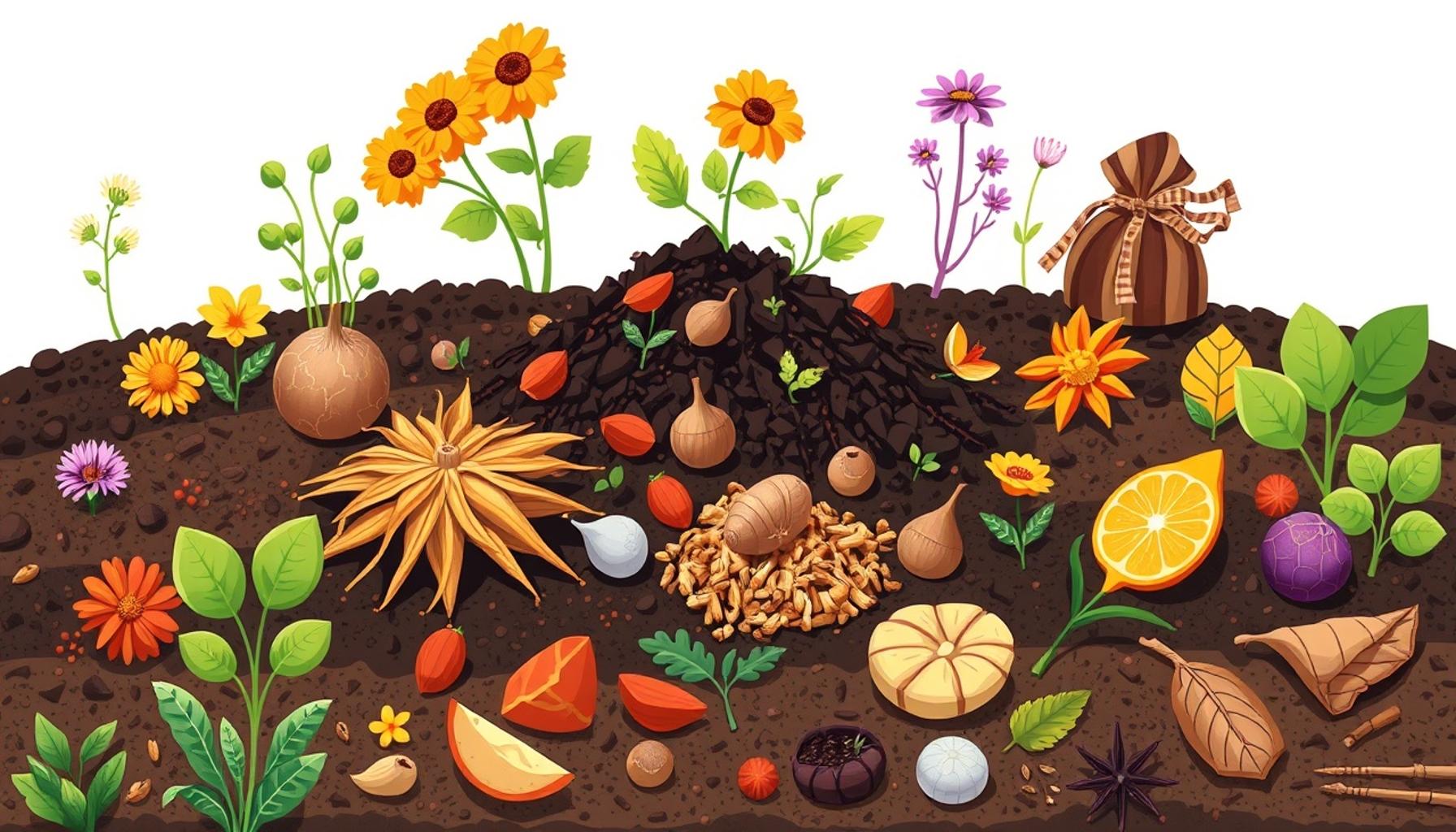
Compost represents a carefully crafted blend of decomposed organic materials, brimming with nutrients essential for plant growth. It serves more than just an aesthetic benefit; it fundamentally transforms soil health in multiple ways:
- Improved soil structure: Compost acts like a sponge by enhancing aeration and water retention. This is especially useful in compacted soils, which prevent roots from accessing necessary water and oxygen.
- Nutrient supply: Rich in nitrogen, phosphorus, and potassium, compost provides essential nutrients to plants in a slow-release format, making them available as needed rather than all at once.
- Microbial activity: The introduction of beneficial microbes through compost promotes a thriving ecosystem in the soil. These microorganisms break down organic materials, making nutrients more accessible to plants while also helping to ward off soil-borne diseases.
Organic matter, derived from plant debris, animal manure, or other natural materials, plays a pivotal role in the enrichment of soil quality. Its benefits extend beyond just adding nutrients:
- Increasing fertility: The integration of organic matter contributes to a more balanced nutrient profile, ensuring that essential minerals and trace elements are readily available for plant uptake.
- Improving moisture retention: For farmers in regions with sandy soils, organic matter helps retain water more efficiently, making moisture available during dry spells. As a result, crops can thrive even in less than ideal rainfall conditions.
- Reducing erosion: By stabilizing soil structure, organic matter effectively combats erosion. This is crucial in areas prone to heavy rainfall that can wash away topsoil essential for crop growth.
As we explore the multifaceted relationship between compost, organic matter, and various soil types, a deeper understanding emerges, underscoring the necessity for these practices in modern agriculture. Empowering gardeners, farmers, and environmental enthusiasts with knowledge about soil enrichment systems can facilitate the cultivation of robust and productive soils. This knowledge is paramount not only for individual gardening success but also for a sustainable future, driving the quest for better farming practices in an era increasingly aware of ecological balance.
DISCOVER MORE: Click here to learn about effective watering techniques
The Role of Organic Matter in Soil Diversity
In the vast field of agriculture, soil types range from sandy loams to heavy clays, each presenting unique challenges and opportunities. Organic matter, a crucial ingredient in enhancing soil health, varies in its benefits across these diverse soil types. By understanding how organic matter interacts with different soil compositions, farmers and gardeners can tailor their soil enrichment strategies for optimal growth.
Benefits Across Soil Types
Soils can be categorized into three primary types: sandy, loamy, and clayey. Each type responds differently to the application of compost and organic matter:
- Sandy soils: Characterized by large particles and quick drainage, sandy soils often lack nutrient and moisture retention. The addition of compost significantly mitigates these issues by:
- Enhancing moisture retention: Compost increases the water-holding capacity, allowing sandier soils to retain moisture longer, which is crucial during drought spells.
- Providing nutrients: Compost supplies necessary macro and micronutrients gradually, ensuring that plants have access to essential nutrients over an extended period.
- Loamy soils: Often considered the ideal growing medium for many crops due to their balanced texture, loamy soils still benefit from organic matter by:
- Boosting microbial activity: The presence of compost fosters a healthy microbial community, which helps in the breakdown of organic material and improves nutrient cycling.
- Enhancing soil structure: Even though loamy soils have good structure, the addition of organic matter can further stabilize aggregates, preventing compaction and promoting root development.
- Clayey soils: Heavy and dense, clay soils are notoriously difficult to work with, often leading to waterlogging and root issues. Compost serves as a remedy by:
- Improving aeration: The introduction of compost breaks up clay particles, leading to better airflow and root penetration—conditions needed for healthy crops.
- Increasing drainage: Compost helps to create channels within the soil, reducing water retention and preventing the negative impacts of waterlogging.
The way organic matter interacts with these varied soil types highlights its significance in sustainable farming practices. By incorporating compost into their soil management strategies, farmers can enhance not only their soil health but also their crop yield and resilience. This understanding paves the way for sustainable agricultural practices, emphasizing the necessity for tailored soil enrichment solutions.
As we delve deeper into the relationship between different soil types and organic amendments, it becomes evident that compost is not merely an accessory. Rather, it is a fundamental component in the pursuit of robust agricultural systems that remain productive despite the challenges posed by climate change and evolving environmental conditions.
| Soil Type | Benefits of Compost and Organic Matter |
|---|---|
| Sandy Soil | Enhanced moisture retention and improved nutrient availability. |
| Clay Soil | Increased aeration and enhanced drainage capabilities. |
| Loamy Soil | Optimal nutrient structure for healthier plant growth and yield. |
| Peaty Soil | Improved pH balance and nutrient-holding capacity through organic matter addition. |
The benefits of using compost and organic matter in various soil types are significant. For instance, sandy soils often struggle with water retention, but the incorporation of compost can vastly improve their ability to hold moisture, providing plants with more consistent access to water and nutrients. In contrast, when dealing with clay soils, compost aids in breaking down dense aggregates, increasing aeration and allowing excess water to drain, potentially reducing issues like root rot.Furthermore, the versatile loamy soils, often regarded as the ideal growing medium, significantly benefit from organic amendments as they enhance the nutrient structure, thereby promoting robust plant health and yield performance. On the other hand, peaty soils often benefit from compost as it helps maintain a balanced pH level and contributes to their remarkable nutrient-retaining capabilities. Exploring these advantages may inspire farmers and gardeners alike to realize the potential that compost holds in optimizing soil health across different environments.
DISCOVER MORE: Click here for effective garden strategies
Long-Term Advantages of Compost Application
While the immediate effects of adding compost and organic matter to various soil types are evident, the long-term advantages of consistent application cannot be overstated. The incorporation of organic materials into soil management practices results in lasting improvements that significantly impact agricultural productivity and ecological health.
Soil Fertility and Structure Improvement
One of the most significant long-term benefits of compost is the enhancement of soil fertility. Over time, organic matter breaks down into humus, a stable substance that enriches soil nutrient profiles. This gradual release of nutrients helps maintain a steady supply of essential elements for crops, thereby improving yields over successive growing seasons.
The amendment of soil with compost also leads to increased soil structure. As organic matter decomposes, it binds soil particles together, creating aggregates that improve overall soil porosity and aeration. For example, farmers in the Midwest, where many soils are rich in clay but can benefit from enhanced drainage, have reported better crop performance after several seasons of composting. The ongoing presence of organic matter encourages the growth of beneficial microorganisms, which in turn helps in the natural aggregation process.
Carbon Sequestration Potential
The global conversation surrounding climate change increasingly emphasizes the role of soil in carbon storage. Compost application contributes to carbon sequestration by increasing organic carbon levels in the soil, a critical factor in mitigating greenhouse gas emissions. Soil enriched with organic matter can store significantly more carbon than unaltered soils, particularly in areas undergoing intensive agriculture. A study published in the Journal of Soil and Water Conservation highlighted that practices such as compost application could potentially reduce atmospheric carbon concentrations by capturing up to 200 million tons of carbon annually in the United States alone.
Biodiversity and Ecosystem Health
The diversity of life below the soil surface, including earthworms, microbes, and fungi, is essential for a healthy ecosystem. Compost serves as a food source for these organisms, promoting biodiversity and improving soil health. For instance, in California’s vineyards, organic matter has been shown to enhance not only soil microbiota diversity but also the health of grapevines, leading to both increased yields and superior fruit quality.
Moreover, the continuous addition of compost fosters synergy among soil organisms, leading to increased biological activity. This activity contributes to the suppression of soil-borne diseases, enhancing plant health without the need for chemical pesticides. In regions highly reliant on monoculture practices, this ecological balance can prove crucial in sustaining agricultural productivity across multiple seasons.
Reducing Soil Erosion
Soil erosion is a prevalent concern, particularly in areas with heavy rainfall or poor land management practices. Compost improves soil cohesion, thereby reducing the likelihood of erosion. In hilly terrains, for example, the application of compost has been linked to improved vegetation cover, which mitigates surface runoff and stabilizes topsoil. This is particularly evident in the Appalachian regions, where local farmers report a sharp decline in soil erosion rates after the implementation of composting practices.
In summary, embracing compost and organic matter as a fundamental element in soil management systems not only enhances soil productivity but also contributes to broader environmental goals such as carbon sequestration, biodiversity conservation, and erosion prevention. This multifaceted approach underscores the importance of incorporating organic matter in agricultural practices across various soil types to foster a sustainable future in farming.
DIVE DEEPER: Click here to learn more
Conclusion: Harnessing the Power of Compost for Sustainable Agriculture
As we delve into the myriad benefits of compost and organic matter across different soil types, it becomes apparent that integrating these practices is vital for a healthy ecosystem and sustainable agricultural practices. From boosting soil fertility and structure to enhancing biodiversity, the long-term advantages of consistent compost application cannot be overstated. The transition from traditional soil management to incorporating organic matter not only optimizes crop yields but also protects invaluable natural resources.
With the growing urgency of environmental concerns, such as climate change and soil erosion, the role of compost in carbon sequestration emerges as a pivotal element in our fight to mitigate greenhouse gas emissions. By capturing carbon in agricultural soils, the potential exists to create a pathway for significantly reducing atmospheric carbon levels while improving food security. Moreover, promoting biodiversity within the soil contributes to ecological balance, ensuring that farming can continue sustainably through healthy ecosystems.
Farmers, researchers, and agricultural advocates across the United States are encouraged to reevaluate their soil management practices with a focus on compost. The implementation of these organic amendments can lead to tangible improvements in soil health, resilience against erosion, and enhanced productivity across diverse crops and regions. By embracing the potential of compost, we not only invest in the future of agriculture but also support the environmental stewardship crucial for future generations.
As the conversation surrounding soil health evolves, it is imperative to continuously explore the transformative benefits of compost and organic matter, paving the way for innovative approaches in modern agriculture.