How to Identify and Manage Common Plant Pests
The Battle Against Unwanted Garden Guests
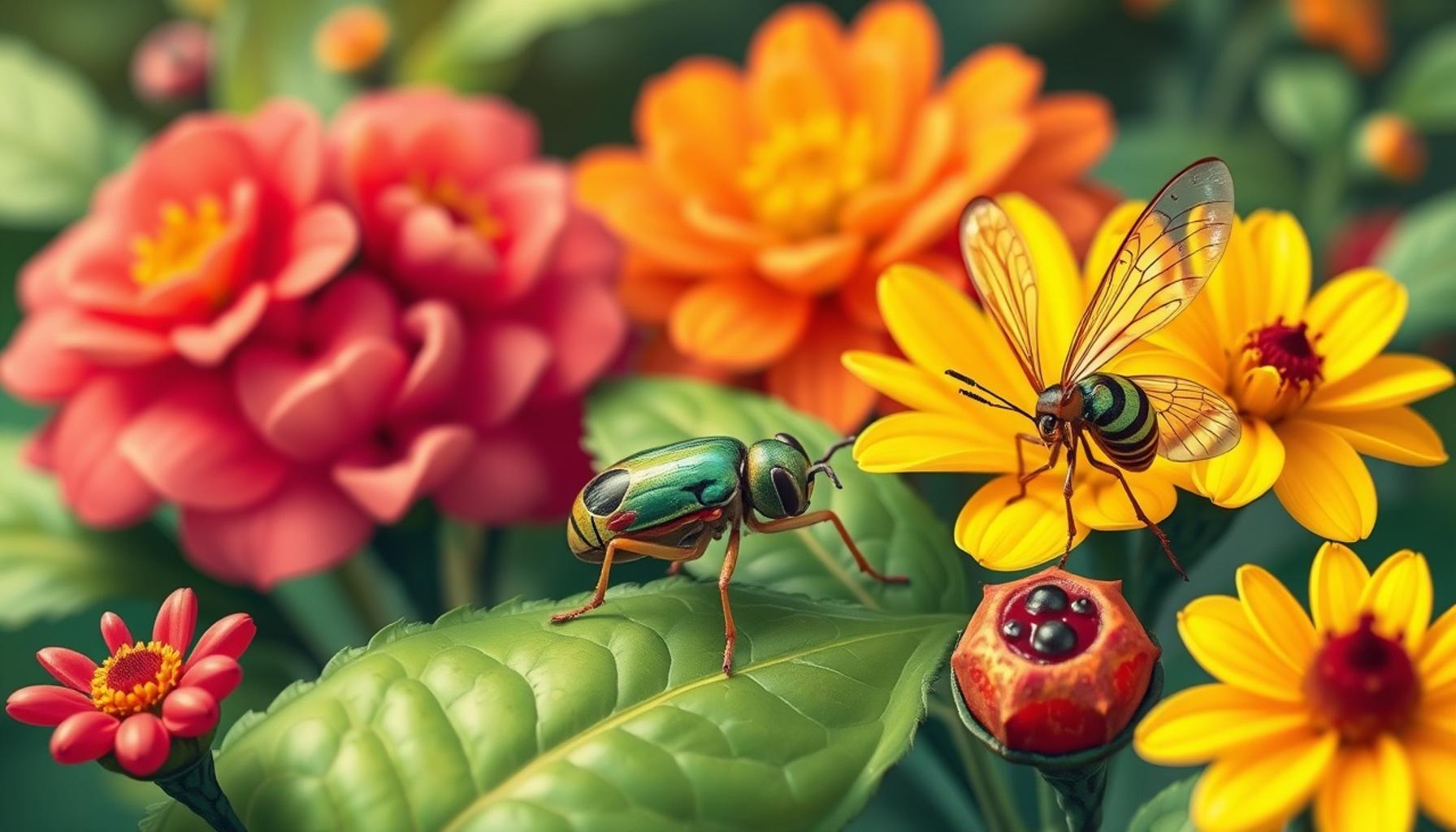
In the realm of gardening, few challenges are as troubling as dealing with plant pests. These tiny adversaries not only threaten the aesthetic appeal of your garden but can also compromise the health and vitality of your plants. By developing a keen eye for identifying these pests early on, you can take the necessary steps to safeguard your green haven.
Among the countless culprits that garden enthusiasts may encounter, a few pests reign supreme in their prevalence and impact:
- Aphids: These minuscule insects, typically less than a quarter-inch long, can be green, black, or even pink. They cluster on new growth, piercing plant tissues to extract sap, which can stunt plant growth and lead to unsightly leaf curling.
- Spider mites: Often undetected until substantial damage is evident, spider mites are nearly invisible to the naked eye but leave behind telltale signs, such as fine webbing resembling gossamer on the undersides of leaves. Their feeding can cause yellow speckles that may eventually lead to leaf drop.
- Whiteflies: These diminutive, white, moth-like insects are frequently found on the undersides of leaves. Like aphids, they siphon sap from plants, which may also encourage the growth of sooty mold, a black fungus that can obstruct photosynthesis.
Spotting these pests requires diligence and routine inspections. Gardening professionals recommend checking your plants at least once a week, especially during growing seasons when pests are most active. Look for discolorations, physical damage, or any signs of a population explosion. Early detection is crucial, as it allows for prompt intervention that can save your plants from extensive damage.
When it comes to managing these nuisances, a myriad of strategies exists. First, consider organic control methods that are both effective and environmentally friendly. Products like insecticidal soaps and neem oil can smother pests and disrupt their life cycles without harming beneficial insects in the process. For instance, a mixture of neem oil diluted in water applied to affected plants can help eradicate harmful pests while preserving the ecosystem around them.
Additionally, by fostering an environment that encourages beneficial insects, you can create a natural pest control system. Species such as ladybugs and lacewings thrive on aphids and other pests, acting as nature’s own pest control. Planting a variety of flowers and herbs that attract these helpful insects can lead to a thriving garden ecosystem where pests are kept in check.
In conclusion, maintaining a vibrant garden goes hand-in-hand with being proactive in pest management. By harnessing monitoring techniques and organic solutions, you can create a sanctuary of flourishing plants that withstand the tumult of pests. In the upcoming sections, we will explore nuanced pest identification and advanced management strategies to ensure your garden not only survives but flourishes throughout the seasons.
DIVE DEEPER: Click here to discover more
Identifying Common Pests: Your First Line of Defense
Understanding how to identify common plant pests is essential for any gardener hoping to maintain a thriving garden. Recognition begins with a close examination of your plants, as many pests have unique characteristics that can simplify identification. Here are a few detailed observations to consider:
- Look for Infestations: If your plants exhibit clusters of insects or their eggs, chances are you have an infestation. Aphids, for example, are notorious for gathering in large numbers on tender new growth, causing leaves to curl or discolor.
- Inspect for Signs of Damage: Tracking the condition of your plants is crucial. Damage indicators like holes in leaves, webbing from spider mites, or a sticky residue known as honeydew—produced by aphids or whiteflies—can alert you to their presence.
- Pay Attention to Plant Health: If your once-thriving plants suddenly appear stunted or unhealthy, it may indicate that pests are sucking vital nutrients and moisture from your greens. Yellowing leaves or overall lethargy in plant growth can be telltale signs.
- Check the Soil: Some pests, like gnats, thrive in moist soils and can be found lurking around the roots. Earthy activity, like disturbed soil or a sudden presence of fungi, can suggest a pest issue that warrants your attention.
Now that we’ve covered the common pests you might encounter, it’s equally important to recognize that each garden has its unique set of challenges based on local climate, plant types, and soil conditions. In the United States, states like Florida may contend with tropical pests, whereas Northern regions might face different threats like aphids or slugs.
Integrated Pest Management (IPM)
Once you’ve identified a pest problem, implementing an effective management strategy is paramount. A popular approach is Integrated Pest Management (IPM), which combines various tactics to minimize pest damage while being cautious about environmental impacts. Here is a breakdown of the components of IPM:
- Monitoring: Constant vigilance pays off. Regularly check for the presence of pests and assess the level of infestation. Use sticky traps to evaluate populations of flying insects like whiteflies.
- Prevention: Keeping your plants strong and healthy is the best defense against pest invasions. Ensure proper watering, healthy soil, and adequate spacing to promote air circulation, which can reduce many pest problems.
- Control Measures: Should an infestation occur, turn to both organic and conventional methods. Insecticidal soaps are an excellent organic option, while chemical pesticides can serve as a last resort for severe infestations.
- Education: Stay informed on new pest threats and solutions. Local agricultural extensions often provide resources, workshops, or fact sheets, helping you keep your garden in top shape.
By mastering pest identification and embracing a systematic approach to management, gardening enthusiasts will find themselves equipped to tackle the challenges posed by unwelcome visitors. A proactive, informed gardener can make all the difference—the tiny pests that threaten your plants can be successfully managed with the right knowledge and tools. In the following sections, we will delve deeper into specific pest management practices and explore how to encourage a resilient garden ecosystem.
Identifying and managing common plant pests is essential for maintaining healthy plants and ensuring robust garden productivity. Numerous pests can invade your garden, and recognizing them early can make all the difference in effective control. Common plant pests include aphids, spider mites, whiteflies, and caterpillars. Each of these pests has its own unique characteristics that may require different identification techniques and management strategies.For instance, aphids are small, soft-bodied insects that can be found in clusters on the undersides of leaves. They feed on plant sap, which can weaken the plant and lead to stunted growth. To manage aphids, you can use natural predators like ladybugs or employ insecticidal soap to control their populations effectively.Spider mites, on the other hand, are microscopic and can create fine webbing on plants. Checking for yellowing leaves or speckled foliage can help in identifying these pests. Introducing beneficial insects, such as predatory mites, or increasing humidity around affected plants can assist in their management.Whiteflies resemble tiny moths and often fly up in clouds when plants are disturbed. They also suck sap and weaken plants. Sticky traps can be used to monitor their presence, while insecticidal soap can help reduce their numbers.Caterpillars can cause significant damage to leaves, often being easily identified by the chewing marks they leave behind. Handpicking them off plants or using Bacillus thuringiensis (Bt) can be an effective organic control method.Management doesn’t just focus on chemical treatments; understanding the life cycles of these pests is crucial. Timing interventions when pests are most vulnerable increases the chances of keeping them at bay. Additionally, maintaining healthy, well-nourished plants can create natural resistance to pests. In the face of growing pest issues in gardening, employing an integrated pest management (IPM) approach—combining cultural, biological, and mechanical practices—can lead to sustainable pest control solutions. By thoroughly educating yourself about the signs and symptoms of pest infestations, you can safeguard your garden against these unwelcome invaders, ensuring robust plant health over time.
DISCOVER MORE: Click here to learn about the best soil types for your garden
Effective Management Techniques for Common Plant Pests
Once you have identified the pests plaguing your garden, it becomes crucial to employ effective management techniques to mitigate their impact. Understanding the various strategies available will empower you to maintain a healthy ecosystem that minimizes the damage pests can inflict. Let’s explore these management techniques.
Natural Predators
One of the most beneficial methods of controlling pests involves harnessing nature’s own defenses through natural predators. Many insects that pose a threat to your plants have natural enemies that help keep their populations in check. For instance, ladybugs and lacewings are voracious consumers of aphids, while parasitic wasps can effectively control caterpillar populations. Introducing or attracting these beneficial insects can provide significant control without the use of chemical interventions.
- Plant Diversity: By incorporating a variety of plant species in your garden, you can attract beneficial insects that feed on pest populations. Flowers like marigolds and dill not only add beauty but also entice pollinators and predators.
- Bioengineering: Some gardeners may consider more advanced solutions, like bioengineering particular plants to resist pests. Research is ongoing in this field, as scientists develop crops that naturally deter specific pests.
Physical and Mechanical Controls
Another effective approach to pest management is through the use of physical and mechanical controls. These methods involve methods of exclusion and removal that can be both straightforward and environmentally friendly.
- Barriers: Physical barriers, such as row covers and netting, can effectively prevent pests from reaching your plants. These can be particularly useful for protecting young seedlings from the devastating effects of flying insects like cabbage moths.
- Handpicking: For smaller infestations, such as with beetles or caterpillars, handpicking can be an effective management option. This method is labor-intensive but ensures that you target pests without harming beneficial insects.
- Traps: Sticky traps or pheromone traps can assist in monitoring and reducing pest populations. These traps lure specific pests, providing both a visual cue and a control method for managing populations.
Cultural Practices
In the realm of pest management, cultural practices play a vital role in creating a less hospitable environment for pests. Practicing good garden hygiene and cultivation techniques can significantly deter pest issues. Here are essential practices to consider:
- Crop Rotation: Preventing pests from becoming established requires rotating your crops every year. This technique is especially effective in reducing populations of soil-borne pests and diseases.
- Companion Planting: Planting certain species together can lead to increased pest resistance. For example, planting garlic near roses can deter aphids while enhancing the health of both plants.
- Watering Techniques: Overhead watering can create the ideal environment for fungal diseases. Adjusting your irrigation methods to limit moisture on foliage can help maintain plant vigor and reduce pest allure.
By employing a combination of these management techniques and remaining observant of your garden’s ecosystem, you can develop a resilient garden capable of withstanding pest invasions. Each strategy contributes to a holistic approach that nurtures not only your plants but the microecosystem that supports them, ensuring that all organisms can thrive harmoniously.
DISCOVER MORE: Click here to dive into the benefits of starting your own herb garden
Conclusion: Sustaining Your Garden’s Health
In conclusion, effectively identifying and managing common plant pests is paramount for any gardener aiming to cultivate a thriving garden. By being observant and proactive, you can detect the early signs of pest activity and take appropriate measures before infestations escalate. Utilizing a blend of natural predators, physical controls, and cultural practices creates a comprehensive management plan that not only addresses the immediate threat but also fosters a balanced garden ecosystem.
The introduction of beneficial insects, such as ladybugs, alongside methods like crop rotation and companion planting, empowers gardeners to promote biodiversity, which is crucial for long-term pest control. Furthermore, employing simple yet effective techniques, like physical barriers and handpicking, allows for immediate intervention while preserving the ecological integrity of your garden.
Remember, the goal of pest management is not just eradication, but achieving a sustainable balance that ensures your plants flourish. As you explore various management strategies, keep in mind that knowledge and adaptability are your best allies. With ongoing research and innovations in agricultural practices, there are always new avenues to explore, from bioengineering resistance to advanced organic solutions.
By engaging with your garden’s ecosystem and employing these strategies, you take vital steps toward sustaining its health, beauty, and productivity. As the gardening community continues to share insights and experiences, you’re encouraged to stay informed and experiment with new techniques. Embrace the journey of gardening, allowing yourself to be both a steward of your plants and a learner of nature’s lessons.