The Role of Watering Techniques in Plant Health
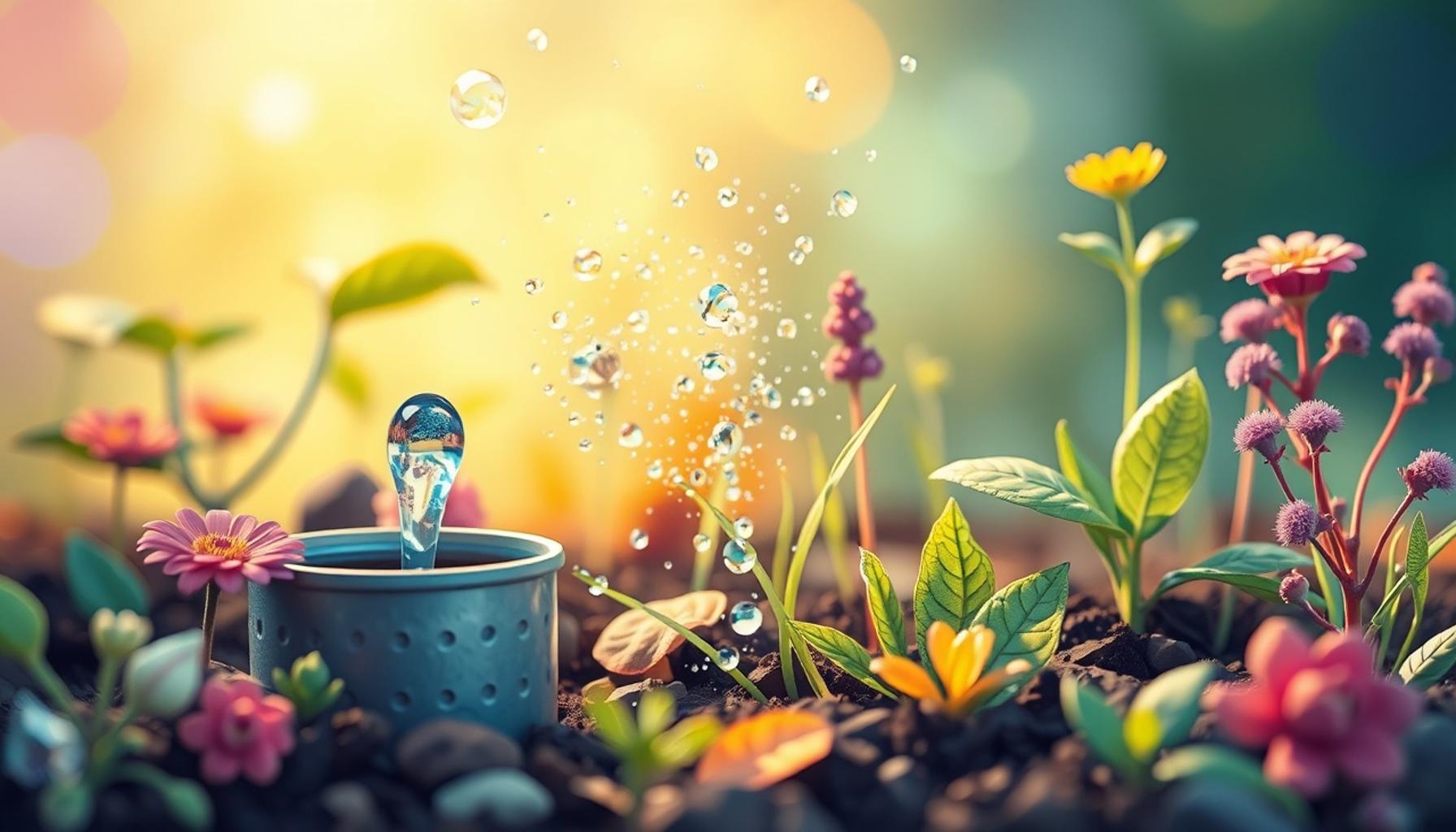
Understanding the Importance of Watering Techniques
Watering is a fundamental aspect of gardening and agriculture. It not only sustains plant life but also influences their overall health and growth. Choosing the right watering technique can mean the difference between vibrant, thriving plants and struggling, unhealthy foliage. The proper approach to watering can lead to sustainable gardening practices while conserving precious resources.
Effective Watering Techniques
Several watering techniques can be utilized depending on the type of plants and environmental conditions. Understanding each method can help you make informed choices that best suit your garden’s needs:
- Drip Irrigation: This technique focuses on delivering water directly to the plant roots through a network of tubes and emitters. This method is particularly effective in dry climates, as it minimizes evaporation and water waste. Drip irrigation systems can save up to 50% more water compared to traditional methods. For instance, a backyard vegetable garden in Arizona could significantly benefit from this approach, ensuring that each plant receives its required moisture without saturating the soil.
- Soaker Hoses: Perfect for garden beds, these hoses allow water to seep slowly into the soil, promoting deep root growth. Unlike traditional sprinklers that can direct water onto leaves, soaker hoses provide a gentle and consistent moisture level, which reduces runoff and enhances the absorption of nutrients. Home gardeners in humid regions like Florida often use this method, as it provides an efficient way to water plants while minimizing evaporation due to the heat.
- Hand Watering: A widely used method that allows gardeners to provide attention to each plant’s specific needs. Using a hose or watering can, you can control the amount of water each plant receives, making it easy to cater to the varying requirements. This technique fosters a closer relationship with the garden, encouraging gardeners to observe their plants for signs of distress, such as wilting or discoloration that might indicate underwatering or overwatering.
Impact on Plant Health
Each method has its own merits and can greatly impact plant health. Proper watering ensures:
- Deep root growth and resilience against drought: By encouraging roots to grow deeper into the ground, plants become less reliant on surface moisture. This adaptability is critical, especially during arid summers when rainfall is scarce.
- Reduction of diseases caused by overwatering or poor drainage: Techniques that control the water distribution can prevent root rot and fungal diseases that thrive in overly moist conditions.
- Enhanced nutrient uptake through a balanced moisture level: Proper watering facilitates the transport of essential nutrients from the soil to the plant, promoting overall health and productivity.
As climate conditions evolve and water conservation becomes crucial, understanding how watering techniques can enhance plant health is essential for every gardener and farmer alike. With innovative methods evolving to adapt to our changing environment, exploring various strategies like rainwater harvesting or integrating moisture sensors may further enrich your gardening experience. Start your journey to more effective watering practices, and witness the transformations that responsible techniques can bring to your plants.
DIVE DEEPER: Click here to uncover more about photosynthesis
Choosing the Best Watering Method for Your Plants
Water management is a critical factor in fostering healthy plants. While every plant species has unique watering needs, understanding how different watering techniques affect plant health is invaluable for gardeners or farmers. Utilizing the right technique can encourage robust growth, enhance resilience, and prevent diseases, transforming the experience of nurturing plants into a rewarding and gratifying endeavor.
Watering Frequency and Soil Type
Before diving into specific watering methods, it’s essential to consider the frequency and timing of watering. The watering requirements of your plants can significantly vary based on soil type and environmental conditions. For example:
- Clay soil retains water better than other types, necessitating less frequent watering. This property makes it perfect for plants that prefer moist environments, such as certain types of shrubs and trees. However, overwatering can lead to root rot, making it important to monitor moisture levels diligently.
- Sandy soil drains rapidly, meaning it may require more regular replenishment of moisture, especially during hot summer months. This type of soil is ideal for drought-resistant plants like succulents and cacti, but traditional garden favorites may struggle unless watering is meticulously managed.
- Loamy soil, which consists of a balanced mix of sand, silt, and clay, typically provides an ideal foundation for moisture retention and nutrient availability. This balanced composition allows for a moderate watering schedule, making it the preferred soil for many garden vegetables and flowers.
- Environmental factors such as climate and specific plant species also dictate whether watering should occur early in the morning or late in the evening. Watering at these times helps minimize evaporation rates under the sun’s intensity, optimizing root absorption.
Adapting Techniques to Garden Environments
Your gardening environment plays a significant role in determining the most effective watering technique. Consider the following:
- Container Gardening: Potted plants, often deprived of the moisture reservoir found in garden beds, can dry out quickly. Techniques like self-watering pots or the addition of moisture-retaining granules can be invaluable for maintaining consistent moisture levels, especially in the heat of the summer. Regularly checking the bottom drainage holes can also help ensure that plants are not left sitting in excess water.
- Raised Beds: These garden structures promote better drainage and prevent waterlogging, which can be detrimental to many plants. Gardeners often find that a combination of soaker hoses and hand watering provides efficient moisture control, allowing for targeted application where it’s needed most.
- Native Landscaping: Opting for plants adapted to local conditions not only enhances biodiversity but can also lead to significant water savings. By incorporating more drought-resistant species, such as throughout many regions in the Southwest, gardeners can create a thriving ecosystem requiring less frequent watering while still staying lush and vibrant.
Ultimately, understanding soil properties, climate conditions, and specific plant requirements is crucial for implementing effective watering strategies. As you consider appropriate watering techniques, bear in mind that an adaptable approach can yield healthier plants and promote sustainable gardening practices. With thoughtful management, you can ensure that your plants receive the right amount of hydration, thrive, and enhance your gardening experience.
The Importance of Effective Watering Techniques
Watering techniques play a pivotal role in maintaining optimal plant health, influencing growth, nutrient uptake, and overall vigor. Knowing how much and how often to water can make the difference between a thriving garden and a stunted one. One of the fundamental aspects to consider is the soil type. For instance, sandy soils drain quickly, necessitating more frequent watering, whereas clay soils retain moisture longer, requiring less frequent watering. This knowledge allows gardeners to tailor their techniques accordingly, enhancing the effectiveness of their efforts.Another key factor is the timing of watering. Watering early in the morning or late in the evening minimizes evaporation and allows plants to absorb moisture effectively. Implementing drip irrigation systems can also conserve water while delivering moisture directly to the root zone, reducing waste and improving plant hydration. Additionally, understanding the specific watering needs of individual plants is critical, as some require consistently moist conditions, while others thrive with drier spells.Lastly, incorporating rainwater harvesting into your gardening routine not only conserves water but also provides plants with a natural, chemical-free irrigation source. As awareness of sustainable practices increases, exploring diverse watering techniques emerges as a vital strategy for promoting plant health.
| Advantages | Explanation |
|---|---|
| Improved Root Development | Methods like deep watering encourage roots to grow deeper, seeking moisture and nutrients. |
| Reduced Water Stress | Consistent watering techniques help maintain soil moisture, preventing stress and promoting growth. |
Understanding and implementing appropriate watering techniques not only enhances plant health but also encourages sustainable gardening practices, ultimately leading to productive and flourishing gardens.
Dive Deeper: Click here to enhance your gardening knowledge
The Impact of Watering Techniques on Plant Growth and Disease Resistance
Watering techniques not only influence the immediate hydration needs of plants but also play a crucial role in their long-term growth and resistance to diseases. The manner in which water is delivered can impact root development, soil structure, and ultimately how well plants can fend off pests and health problems.
Deep Watering Versus Shallow Watering
When considering watering techniques, one key distinction is between deep watering and shallow watering. Deep watering encourages roots to grow deeper into the soil, which fosters greater stability and access to nutrients that may be out of reach for surface-dwelling roots. This technique is particularly beneficial during dry spells, enabling plants to thrive without succumbing to drought stress. In contrast, shallow watering often results in a proliferation of superficial roots, making plants more susceptible to drought and less stable during high winds or heavy rain.
Drip Irrigation and Its Benefits
One innovative watering technique is drip irrigation, a method particularly favored in arid climates or in situations where water conservation is a priority. This system delivers water directly to the base of each plant through a network of tubing and emitters, minimizing waste and evaporation. According to the USDA, drip irrigation can reduce water usage by up to 60% compared to traditional methods. Additionally, because water targets roots directly, it reduces the likelihood of fungal diseases that can arise from excess moisture on foliage. This targeted approach not only encourages efficient water use but also creates an ideal environment for healthy plant growth.
Watering Tools and Technology
With advancements in gardening technology, several irrigation tools have become available to assist gardeners in effectively managing water logistics. Smart watering systems equipped with sensors can analyze soil moisture levels, automatically adjusting the watering schedule based on current conditions. Such systems ensure that plants receive hydration only when necessary, thereby preventing overwatering that can lead to root rot and other diseases. For those who prefer hands-on techniques, using moisture meters can also guide decisions on when to water, ensuring precision and reducing waste.
The Role of Mulching in Water Retention
Another critical component that intersects with watering techniques is the use of mulch. When employed alongside proper watering methods, mulch can tremendously improve plant health. By covering the soil with organic materials like wood chips, straw, or grass clippings, gardeners can reduce evaporation rates, regulate soil temperature, and suppress weed growth. This layer acts as a protective barrier, helping maintain consistent moisture levels in the soil while providing beneficial nutrients as it decomposes. By ensuring the right balance of water and mulch, gardeners can create a more sustainable and healthy growing environment.
Responsive Approach to Changing Conditions
Finally, it is vital for gardeners to adjust watering techniques based on changing environmental conditions. Seasonal variations, rainfall patterns, and changes in temperature can all influence watering needs. For example, during periods of extended rainfall, reducing watering frequency is essential to prevent over-saturation, while hot summers may necessitate increased vigilance and frequency. Whether utilizing sprinklers, hand watering, or advanced irrigation systems, staying attuned to the nuances of weather patterns allows gardeners to adapt their approaches effectively, thereby securing healthier plants throughout the year.
By embracing suitable watering techniques that consider plants’ unique needs, environmental factors, and advancements in gardening technology, gardeners can create thriving spaces that promote robust growth and disease resistance. As the connection between thoughtful watering practices and plant health becomes clearer, the rewards of nurturing a flourishing garden can lead to sustainable and gratifying gardening experiences.
DISCOVER MORE: Click here to learn how to set up your herb garden
Conclusion: Nurturing Plant Health Through Effective Watering Techniques
In summary, the interplay between watering techniques and plant health is profound and multi-faceted. As we have explored, factors such as deep versus shallow watering, the implementation of drip irrigation, and the use of innovative watering tools significantly influence a plant’s ability to thrive. Deep watering fosters robust root systems, allowing plants to access vital nutrients and resist drought, while drip irrigation conserves water and minimizes disease risk through targeted hydration.
Moreover, integrating mulching practices creates a synergistic effect that enhances water retention and soil health, further supporting plant vitality. As environmental conditions shift, adopting a flexible and responsive approach to watering practices is essential for ensuring that plants receive the optimal care they require throughout the seasons.
By understanding the critical role of these watering techniques, gardeners can make informed choices that not only lead to healthier plants but also promote sustainable gardening practices. As curiosity drives further investigation into the depths of plant care, the journey towards cultivating a flourishing garden becomes not just a task, but an enlightening experience brimming with the rewards of nature’s bounty. Embrace these strategies to nurture your green spaces, and watch your plants thrive in ways you never imagined possible.