The Role of Soil pH in Gardening: Matching Soil Types to Plant Needs
Understanding Soil pH and Its Importance in Gardening
Soil pH plays a pivotal role in ensuring the vitality of plants within any garden. It serves as an indicator of the soil’s acidity or alkalinity, a measure that significantly influences the availability of essential nutrients for plants. Since different plants have unique pH preferences, grasping this concept can be the key to successful gardening and flourishing landscapes.
To help gardeners navigate this critical aspect, here are some key insights into soil pH:
- Acidic Soil: Typically registers below 6.0 pH and is frequently found in regions with high rainfall, such as the Pacific Northwest. Plants that thrive in such conditions include blueberries, which require acidic environments to absorb nutrients effectively, and azaleas, known for their vibrant blooms.
- Neutral Soil: Spanning a pH level from 6.0 to 7.0, this range is considered ideal for cultivating a wide variety of vegetables and flowering plants. Notable examples include tomatoes, which prefer slightly acidic to neutral soil, and roses, which flourish in balanced conditions, offering lush foliage and fragrant blossoms.
- Alkaline Soil: Usually found in arid regions and often exhibits a pH above 7.0. Soils of this nature support plants like lavender, celebrated for its drought tolerance, and sweet potatoes, which thrive in less acidic environments while providing a nutritious tuber.
Adjusting soil pH is within the grasp of any gardener, providing opportunities to create the ideal growing conditions for their plants. For instance, incorporating lime into acidic soil can effectively raise pH levels, thereby promoting a more suitable environment for plants that prefer neutral conditions. Conversely, adding sulfur to alkaline soils can lower pH, making it friendlier for acid-loving plants.
Throughout this exploration, we will delve into how to match soil types to plant needs, equipping you with guidance to enhance the pH balance in your garden. We will examine various soil testing methods available to gardeners, highlight suitable soil amendments, and recommend appropriate plants for different pH levels. As we unpack the significance of soil pH, you’ll be ready to cultivate a vibrant garden that thrives under the right conditions, paving the way for a rich tapestry of growth and discovery.
DISCOVER MORE: Click here to learn about essential gardening tools
Soil Testing: The First Step toward pH Mastery
Before embarking on your gardening journey, understanding your soil’s pH level is crucial. Soil testing is an essential practice that allows gardeners to gain insight into the acidity or alkalinity of their soil, thereby providing a foundation for informed decisions. Various methods exist for testing soil pH, both DIY and professional, which empowers gardeners to tailor their gardening approach to align their soil with the specific needs of plants.
For those who prefer a hands-on approach, home soil testing kits are widely available at garden centers or online. These kits typically include pH test strips or powder reagents that react with soil samples. The testing process is straightforward: gardeners mix soil with distilled water, add the testing agent, and then compare the resulting color change to a pH scale. This simple method can provide a quick snapshot of soil conditions.
For a more detailed analysis, sending soil samples to a local cooperative extension service or laboratory is recommended. These professional tests not only provide pH levels but also analyze nutrient content, organic matter, and other critical components that contribute to plant health. This comprehensive understanding of soil composition can guide gardeners in selecting the right amendments, ensuring that plants receive optimal nutrients in harmony with their pH preferences.
Essential Soil Amendments to Optimize pH
Once the pH level has been identified, gardeners can turn their attention to amending soil as needed to create the ideal conditions for their desired plants. Here are some common soil amendments based on pH needs:
- Lime: Finely ground limestone is a popular choice for raising soil pH in acidic areas. The calcium carbonate neutralizes excess acidity, making the soil more hospitable for plants like tomatoes and roses.
- Sulfur: Elemental sulfur is a go-to amendment for lowering soil pH. By adding sulfur to alkaline soils, gardeners can create an environment suitable for acid-loving plants, such as blueberries and azaleas.
- Organic Matter: Incorporating compost or well-rotted manure can improve soil structure and nutrient availability while also buffering pH levels. Additionally, organic materials contribute to biological activity, which is vital for overall soil health.
- Peat Moss: This amendment is fantastic for lowering pH and increasing soil moisture retention, making it suitable for growing ferns and other moisture-loving species.
Understanding how to balance soil pH through these amendments cultivates a favorable environment for plant growth, making it imperative for gardeners to regularly test and amend their soil. This proactive approach not only enhances plant vitals but also guarantees the sustainability of your garden long term. By mastering the relationships between soil type and pH, gardeners can revel in the vibrant beauty of their landscapes while ensuring that each plant thrives in its ideal setting.
The Importance of Soil pH in Plant Nutrient Availability
Soil pH is crucial as it influences not only the nutrient availability but also the microbial activity within the soil. Most plants thrive in a slightly acidic to neutral pH range of 6.0 to 7.0. At this level, the maximum number of essential nutrients such as nitrogen, phosphorus, and potassium are available. In contrast, if soil becomes too acidic (below 6.0), it can lead to toxicity levels of certain elements like aluminum and manganese while rendering important nutrients like phosphorus unavailable to plants.In gardens, understanding the pH levels allows gardeners to match their soil to specific plant needs effectively. For instance, blueberries flourish in more acidic soils around pH 4.5 to 5.5, whereas lilacs prefer alkaline conditions with a pH of 7.0 or higher. This tailored approach not only helps improve yield but also enhances the overall health of the garden. By testing soil frequently and adjusting pH through amendments like lime for acidity or sulfur for alkalinity, gardeners can cultivate diverse plant species successfully.
Testing Soil pH: Strategies for Gardeners
Testing soil pH is an essential first step that every gardener should undertake before planting. Home test kits are widely available and provide an easy means to check your soil’s pH level. Alternatively, local agricultural extensions often offer soil testing services that give a more comprehensive analysis. The results can guide the gardener on necessary adjustments. When working with soil types ranging from sandy to clay, the method of pH adjustment may vary. Sandy soils tend to drain quickly and might require more frequent amendments. Conversely, clay soils can hold onto nutrients but may need more time to alter pH levels effectively. By implementing these strategies, gardeners can ensure their soil is well-balanced, ultimately leading to a more vibrant and productive garden.
| Soil Type | Plant Needs |
|---|---|
| Sandy Soil | Well-draining, prefer plants that tolerate lower moisture |
| Clay Soil | Retains moisture, ideal for moisture-loving plants |
| Loamy Soil | Balanced, supports a wide range of plants |
Understanding these dynamics can lead to a thriving garden, where each plant not only meets its nutrient needs but also contributes to a harmonious ecosystem. By continuing to explore the relationship between soil pH and plant health, gardeners can unlock the full potential of their gardening efforts.
DISCOVER MORE: Click here to learn about seasonal gardening tips
Understanding Plant Preferences: The pH Spectrum
The relationship between soil pH and plant health is a balancing act that hinges on understanding the specific needs of various plants. Different plants thrive in varying pH levels, which can range from strongly acidic (below 6.0) to basic or alkaline (above 7.0). For instance, garden staples like carrots and peppers flourish in neutral to slightly acidic soils (pH 6.0-7.0), while delicate flora such as rhododendrons and heathers savor the slightly acidic environment that prevails in a pH range of 5.5-6.5.
Conversely, if gardeners attempt to cultivate plants unsuited to their pH environment, they can encounter unforeseen challenges. For example, attempting to grow lilacs, which prefer alkaline soils (pH 7.0-8.0), in a consistently acidic garden will likely lead to poor flowering and subpar foliage due to nutrient lockout. This delicate interplay of soil chemistry can make or break a garden.
Deciphering Soil Types: Clay, Sand, and Loam
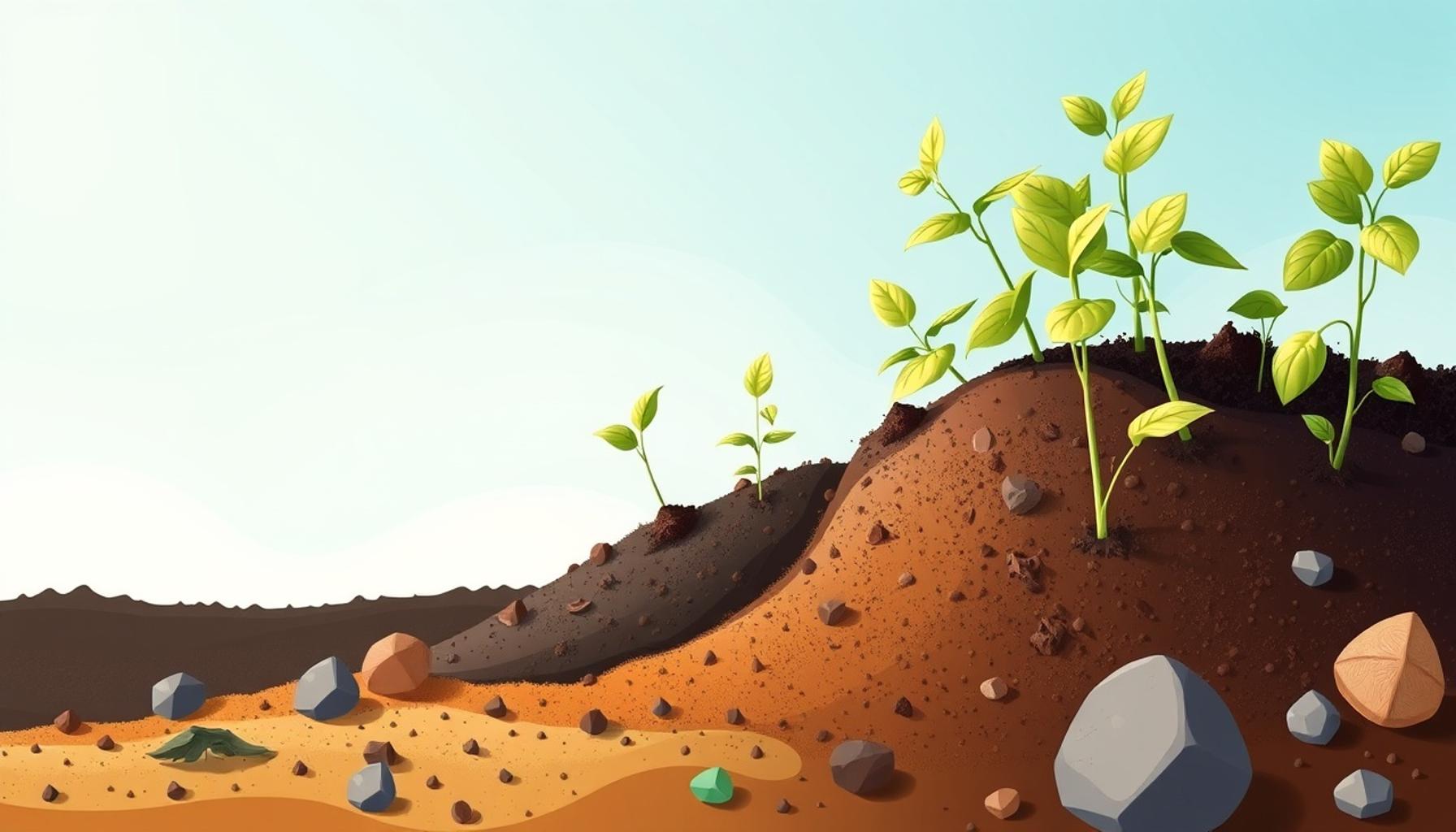
Another integral aspect of gardening is the composition of the soil itself. Soil can be broadly categorized into three types: clay, sandy, and loamy. Each type has distinct properties that affect pH levels and plant suitability. Understanding how each type interacts with pH is essential for the successful gardener.
- Clay Soil: Characterized by its small particles and compact structure, clay soil often holds more acidity. This can make it more challenging to cultivate plants that prefer less acidic conditions. Gardeners may need to incorporate lime and organic matter to raise the pH and improve drainage.
- Sandy Soil: With larger particles and excellent drainage capabilities, sandy soil tends to be inherently more alkaline. However, its low nutrient-holding capacity can lead to nutrient leaching, ultimately affecting plant health. Regular amendments and soil monitoring become paramount to achieve the right pH balance.
- Loamy Soil: Considered the ideal soil type for most gardening endeavors, loamy soil contains a well-balanced combination of sand, clay, and silt. Its natural fertility allows for greater flexibility with pH levels, accommodating a wider variety of plants. Yet, it’s still crucial to monitor pH levels regularly to ensure that optimum conditions persist.
Furthermore, regions vary in their natural soil pH, largely influenced by climate, rainfall, and the local geology. For instance, in the Pacific Northwest, soils tend to be more acidic due to the heavy rainfall washing away nutrients and minerals, while regions such as the Southwest typically exhibit higher, more alkaline soil conditions. Recognizing these regional patterns will guide gardeners in selecting the right plants that resonate with their local soil type and pH levels.
In addition to understanding soil type and local pH conditions, utilizing native plants adapted to specific regions is a highly effective strategy. These plants are pre-equipped to thrive in the existing soil conditions, ensuring a lower maintenance garden that resonates with local biodiversity.
DISCOVER MORE: Click here to unlock the secrets of soil types
Conclusion: Achieving Gardening Success through Soil pH Awareness
In the intricate world of gardening, soil pH serves as a crucial compass that guides gardeners toward selecting the right plants for their specific soil conditions. Understanding the delicate balance of soil acidity and alkalinity not only enhances plant health but also maximizes the potential for a vibrant and thriving garden. By recognizing that different plants have unique preferences—ranging from the acidic rhododendrons to the alkaline-loving lilacs—gardeners can make informed decisions and avoid costly missteps.
Furthermore, the interaction between soil types such as clay, sandy, and loamy soils adds another layer of complexity that gardeners must navigate. Each soil type presents its own challenges and opportunities regarding nutrient retention and drainage, necessitating regular monitoring and thoughtful amendments to maintain optimal pH levels. By being attuned to local soil conditions, weather patterns, and regional differences, such as the acidic soils in the Pacific Northwest versus the alkaline soils of the Southwest, you can better synchronize plant selection with the natural ecosystem.
Incorporating native plants that are naturally adapted to local conditions can further simplify the gardening experience, providing resilience and diversity while requiring less intervention. As you delve deeper into the relationship between soil pH and plant needs, you’re not only cultivating a flourishing garden but actively contributing to your local environment’s health and biodiversity. So, take the time to test your soil and choose wisely—your garden will reap the rewards.