Exploring Soil Drainage: How Different Soil Types Affect Water Retention in Your Garden
The Importance of Soil Characteristics in Effective Water Management
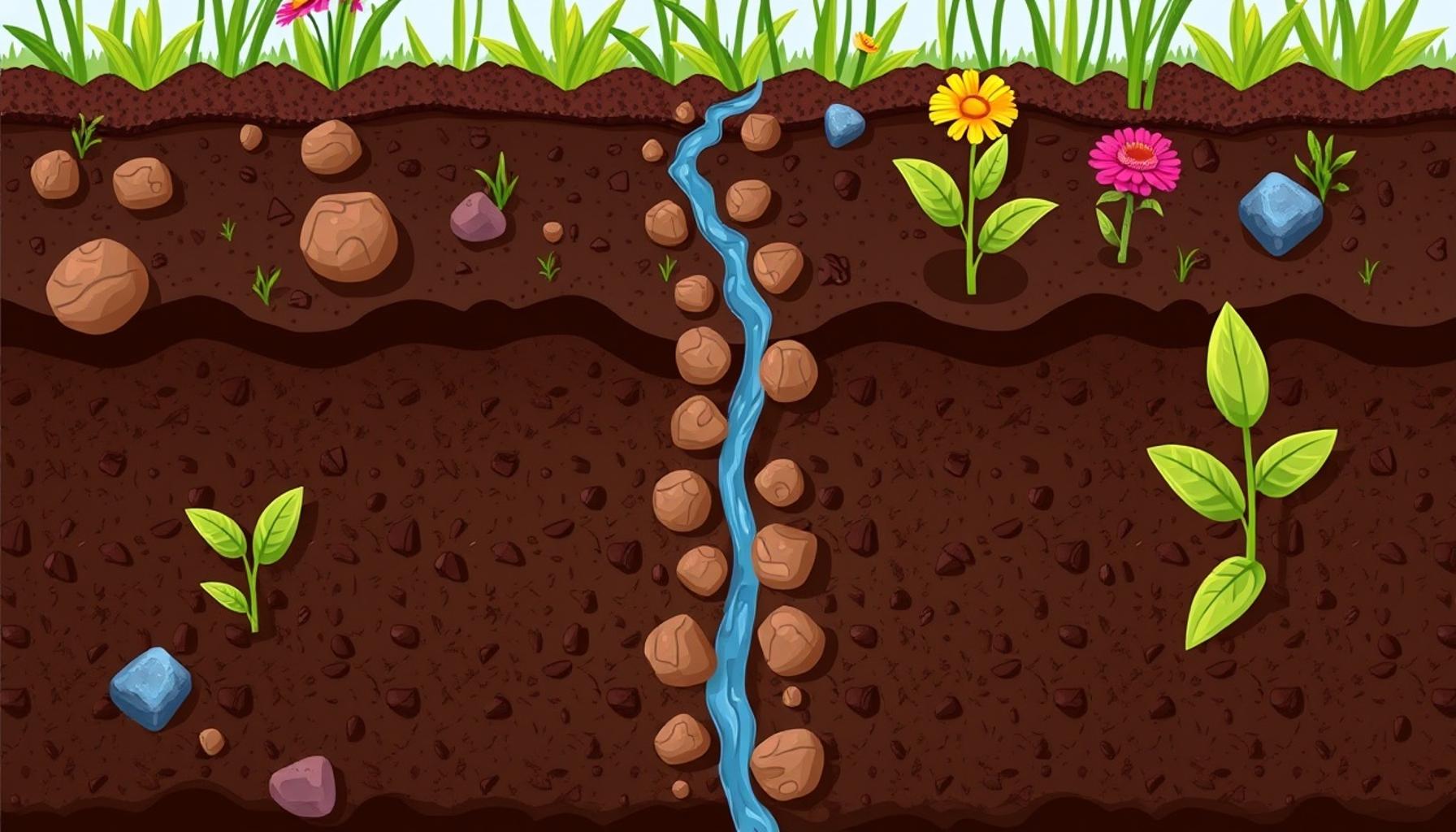
The foundation of any successful garden lies in its soil. Soil drainage plays a crucial role in water retention, directly influencing plant health and growth. Knowing the water-holding capacity of your garden soil, based on its type, can significantly change your gardening approach, particularly during periods of inadequate rainfall.
Different soil types exhibit unique properties that determine how water is retained or drained, which critically affects plant development. Let’s take a closer look at some of these soil types and their characteristics:
- Sandy soils – These soils are known for their excellent drainage capabilities. However, they have a low water retention capacity, meaning nutrients leach away quickly, and plants may require more frequent watering. For instance, gardens planted in sandy soils may thrive with drought-resistant plants, such as lavender or succulents, which can tolerate less water.
- Clay soils – Conversely, clay soils provide high water retention, making them ideal for crops that prefer moist conditions. However, this type of soil tends to retain excessive water, leading to poor drainage. Periods of heavy rain can create muddy conditions that suffocate root systems. Adding organic matter and mulching can improve porosity and drainage, benefiting plants like tomatoes or corn.
- Silty soils – These soils maintain a balance between drainage and retention, making them ideal for a wide variety of plants. Silty soils are rich in nutrients and can support a diverse garden, from flowering plants to vegetables. A common plant suited for silty soils is the carrot, which thrives in the nutrient-rich environment.
- Loamy soils – Considered the gold standard for gardening, loamy soils offer a perfect mixture of sand, silt, and clay. They provide rich nutrients while allowing for optimal drainage and aeration. Vegetables like cucumbers and peppers flourish in loamy conditions, allowing gardeners to achieve high yields.
Understanding the unique characteristics of these soil types can empower gardeners to make informed decisions about their garden plans and maintenance strategies. For example, utilizing a drip irrigation system in sandy soils can help conserve water, while those with clay soil may benefit from raised beds to enhance drainage.
As you delve deeper into the relationship between soil drainage and plant health, it becomes essential to assess your garden’s soil type effectively. You can perform a simple jar test by taking a sample of your soil, adding water, and shaking it up. After letting it settle, the layers will give a clear indication of your soil composition. This knowledge will not only enhance your gardening skills but also lead to more fruitful and sustainable practices. Understanding your soil may transform your gardening results, turning struggles into successes, and contributing to a more sustainable environment.
DIVE DEEPER: Click here to enhance your gardening knowledge
Diving Deeper into Soil Types and Their Drainage Characteristics
To optimize your garden’s health, it is essential to understand how different soil types affect water retention and overall drainage. The interplay between soil composition and moisture availability can have profound implications for the types of plants that thrive in your garden. By exploring the specific characteristics of various soil types, gardeners can tailor their approaches to watering, fertilizing, and even plant selection.
Let’s break down how these distinct soil types affect drainage and water retention in more detail:
Sandy Soils: The Quick Drainers
Sandy soils are comprised of large particles that create ample space for air and water. This structure allows water to drain quickly, benefiting plants that prefer drier environments. However, the downside is that sandy soils do not hold nutrients well, which can lead to nutrient deficiencies for certain crops. It’s not uncommon for gardeners with sandy soils in regions like Florida to incorporate compost and fertilizers regularly, ensuring that essential nutrients remain accessible to plants that require them.
Clay Soils: The Retainers
On the opposite end of the spectrum, clay soils are made up of very fine particles that can compact tightly, providing exceptional water retention. While this feature is advantageous for moisture-loving plants, it can also pose challenges; these soils drain poorly when saturated, creating a risk of root rot and poor aeration. Designing a garden in areas with heavy clay, such as in parts of the Midwest, may involve implementing drainage solutions, such as adding organic matter to improve soil structure and integrating raised beds. Such practices can significantly enhance plant vitality, enabling crops like potatoes and peas to flourish.
Silty Soils: The Accessible Middle Ground
Silty soils present a unique balance of moisture retention and drainage capabilities, making them an excellent choice for a diverse garden. With their fine texture, silty soils hold water well while also allowing excess moisture to drain away. This middle ground attracts a wide array of plants, including leafy greens and herbs, providing an ideal growing medium. When cultivating in silty soils, gardeners often find success by incorporating mulch, which helps maintain soil moisture and temperature while suppressing weeds.
Loamy Soils: The Gardener’s Dream
If there’s a utopia for gardeners, loamy soils might just be it. This perfect blend of sand, silt, and clay combines the advantageous properties of each soil type, resulting in outstanding drainage while retaining essential nutrients and moisture. Gardeners often report higher yields and more vigorous plant growth when working with loamy soil. Vegetables such as squash and zucchini thrive in these conditions, often requiring less amendment and maintenance to achieve a bountiful harvest.
By understanding the unique characteristics of each soil type, including their drainage capabilities, gardeners can make informed decisions that maximize plant health and yield. The choice of soil influences everything from irrigation practices to the types of plants best suited for your garden, ultimately shaping the success of your gardening endeavors.
| Soil Type | Drainage Characteristics |
|---|---|
| Clay Soil | High water retention, slow drainage. Ideal for plants needing moisture. |
| Sandy Soil | Excellent drainage, low water retention. Suitable for drought-resistant plants. |
| Silty Soil | Moderate water retention. Balances drainage and moisture retention effectively. |
| Loam Soil | Ideal for gardening. Retains moisture yet drains well, perfect for most plants. |
When assessing your gardening strategy, consider the impact of soils on water retention and drainage. Each soil type presents unique benefits. For example, clay soil offers the advantage of maintaining moisture for plants that thrive on hydration, while sandy soil allows for rapid drainage that can be optimal for drought-tolerant species. Understanding these characteristics is vital for achieving a thriving garden. Moreover, both silty and loam soils present a compromise, allowing for a mix of retention and drainage that suits a wide array of plants.By actively engaging with the properties of your soil, you can tailor your garden layout to align with the natural drainage patterns present. For instance, implementing raised beds in clay-heavy areas could improve drainage and reduce waterlogging. Utilizing mulch and organic matter in sandy soils enhances moisture retention, leading to better growth conditions. The path to a flourishing garden lies in recognizing and utilizing the unique attributes of each soil type.
DIVE DEEPER: Click here to learn about the magic of photosynthesis
Understanding Soil Amendments and Their Impact on Drainage
While knowledge of soil types is foundational in managing water retention and drainage, many gardeners can significantly enhance their garden’s productivity through the strategic use of soil amendments. By adjusting the properties of existing soil, gardeners can create an environment that caters to their specific plants while optimizing moisture retention and drainage.
Organic Matter: Nature’s Soil Enhancer
One of the most effective amendments to improve both drainage and water retention is organic matter, which includes well-rotted manure, compost, and leaf mold. When mixed into clay soils, organic matter acts like little sponges, breaking up compacted particles and creating air pockets that facilitate better drainage. This reduces the risk of waterlogging, allowing moisture-loving plants like hostas to thrive without drowning.
Perlite and Vermiculite: Lightweight Solutions
For sandy or loamy soils that require improved moisture retention without sacrificing drainage, adding perlite or vermiculite can make a significant difference. These lightweight minerals help retain moisture while providing aeration to the soil. Particularly popular among container gardeners and those in regions prone to drought, perlite and vermiculite can ensure that plants, such as succulents and cacti, receive adequate water without the risk of root rot.
Cover Crops: Natural Soil Management
Implementing cover crops during the off-season can also enhance soil quality and drainage. Plants like clover and vetch improve soil structure and promote biodiversity. These plants grow deep roots that help to aerate the soil while reducing compaction. As they decompose, they add valuable nutrients back into the soil, improving overall health for the next planting season. This method is particularly effective in agricultural settings across the Southeastern United States, where rapid drainage improvement is necessary.
Soil Testing: The Key to Informed Amendments
Before making amendments, it is crucial for gardeners to conduct a soil test. This process provides insights into soil pH, nutrient levels, and existing organic matter content, all imperative for understanding drainage issues and tailoring amendments effectively. Testing kits are widely available, and many local agricultural extensions offer services to guide gardeners in interpreting results. Armed with this information, gardeners can make smarter decisions on which amendments to employ, maximizing water retention and drainage characteristics.
Regional Considerations: Tailoring Strategies to Local Conditions
Geography plays a pivotal role in determining which soil amendments and practices will be most effective. For instance, gardeners in the Pacific Northwest often contend with heavy clay soils that need gradual improvement for better drainage. They might rely heavily on compost and mulch to slowly enhance soil structure. Meanwhile, individuals in arid regions like the Southwest may focus on water-retaining strategies like adding organic matter and using mulch to protect against evaporation.
By delving into these various soil amendments and tactics, gardeners can elevate their understanding of drainage and water retention specific to their soil types. In a world where climate change poses unique challenges to gardening, an informed approach can lead to a more resilient and fruitful garden landscape.
DISCOVER MORE: Click here to learn how to choose the perfect seasonal plants
Conclusion: Mastering Soil Drainage for a Thriving Garden
In conclusion, understanding the impact of soil types on water retention and drainage is pivotal for gardeners who aspire to cultivate healthy and flourishing landscapes. Different soil compositions—from sandy to clay—exhibit distinctive behaviors when it comes to moisture management, influencing the growth and survival of various plant species.
The integration of soil amendments, such as organic matter, perlite, and cover crops, not only enhances drainage but also optimizes water retention tailored to specific needs. By experimenting with these amendments, gardeners can discover unique solutions for their landscapes, no matter the regional challenges they face. Comprehensive soil testing further empowers gardeners to make informed decisions, ensuring the proper balance between water retention and drainage is achieved.
As climate change continues to reshape environmental conditions, adapting soil management practices becomes essential. By continually exploring and refining strategies based on soil type, gardeners can not only improve their garden’s resilience but also contribute to sustainable practices that benefit the wider ecosystem.
Whether you’re tackling heavy clay soils in the Midwest or sandy soils in the Southwest, the journey of exploring soil drainage is both a science and an art. Embrace these insights, experiment with different methods, and watch your garden transform into a bountiful paradise that thrives year-round.