How to Use Rainwater Harvesting for Efficient Garden Watering
The Benefits of Rainwater Harvesting
Imagine stepping into your backyard and witnessing a verdant oasis nourished by a natural resource that is both abundant and free: rainwater. Rainwater harvesting is an eco-friendly practice that offers practical solutions for nourishing your garden while being gentle on your wallet and the environment. By channeling and storing rainwater, homeowners can significantly decrease their reliance on municipal water supplies and effectively lower their water bills.
Statistics reveal that in the United States, about 30% to 60% of residential water use is dedicated to outdoor activities, primarily watering gardens and lawns. This consumption raises important concerns relating to sustainability and resource management. Rainwater harvesting can be a key player in addressing these issues. Here’s why this sustainable method deserves your attention:
- Cost-effective: Utilize freely available rainwater instead of costly tap water. A well-designed rainwater harvesting system can lead to savings of hundreds of dollars annually on water bills.
- Environmental impact: Capturing rainwater significantly reduces runoff, which in turn decreases the pressure on stormwater systems that can lead to flooding and erosion. This proactive approach aids local aquifers and maintains better water quality.
- Plant health: Rainwater is naturally soft and generally devoid of the chemicals, such as chlorine and fluoride, commonly found in treated municipal water. This promotes healthier root systems and improved growth rates in plants.
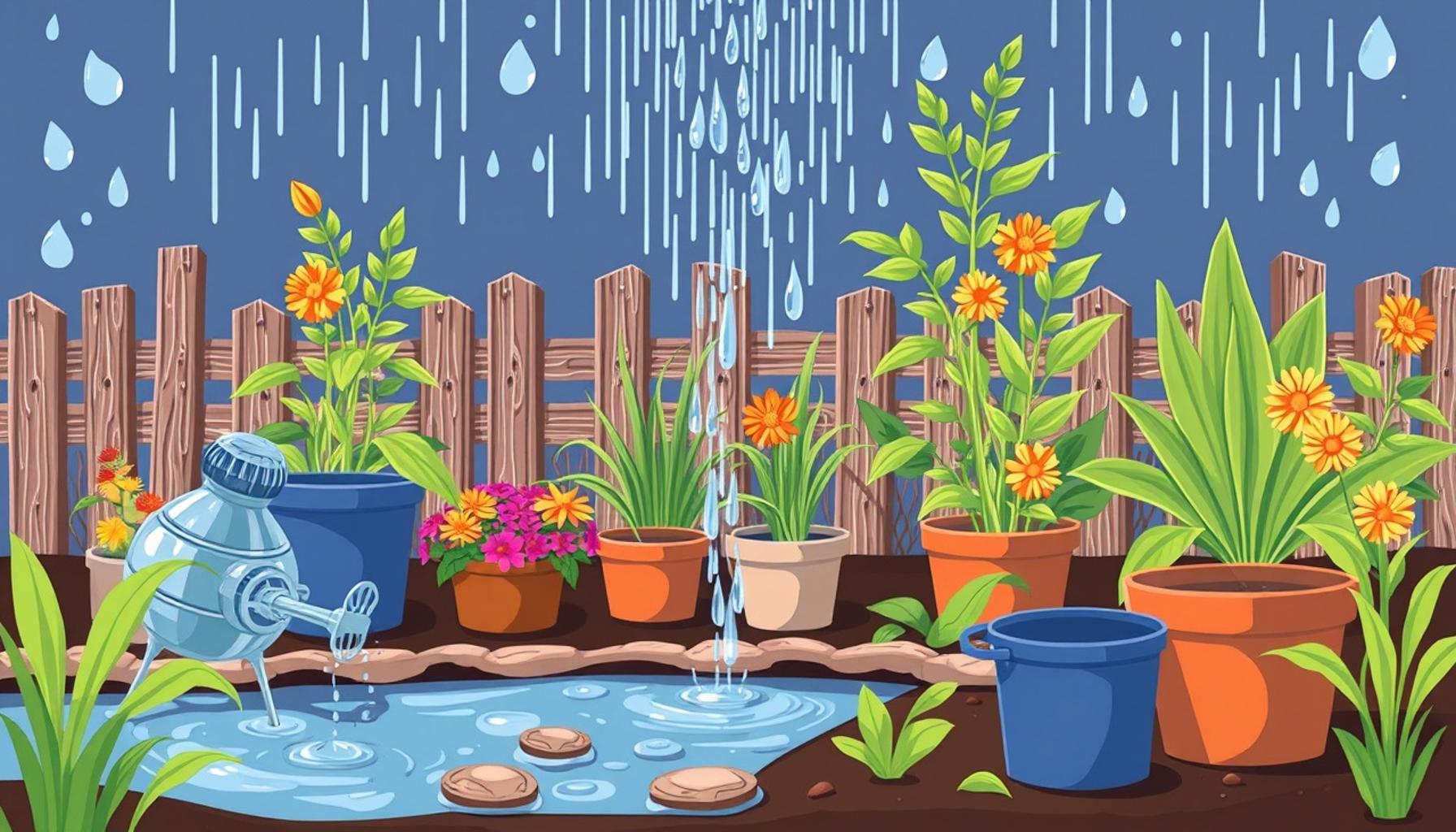
Harvesting rainwater is simpler than it might appear. Homeowners can begin with basic systems like rain barrels, which can be purchased or made from recycled materials. Positioning these barrels under downspouts allows for efficient collection during rainstorms. For larger gardens, consider installing a cistern or underground storage tank to collect more considerable amounts of water for extended use. The harvested rainwater can be employed for various gardening tasks including irrigation, washing garden tools, or even filling up a birdbath.
Moreover, employing a drip irrigation system can optimize water usage further, allowing for targeted watering directly to the roots of plants, thereby minimizing evaporation and water loss. This proactive approach helps ensure a consistent supply of moisture that is critical during dry spells.
Whether you are an experienced green thumb or a novice gardener, venturing into the realm of rainwater harvesting can revolutionize your watering routine. As we explore more about the techniques and benefits of this practice, you’ll discover how implementing such a system can reshape both your gardening efforts and your contribution to conservation. This small yet impactful change can make your garden not only flourish but also thrive as part of a sustainable ecological system.
DISCOVER MORE: Click here to learn about how plants transform light into life
Essential Components of a Rainwater Harvesting System
Before diving into the practical uses of harvested rainwater, it’s crucial to understand the key components that create an efficient system. Implementing the right tools and techniques can maximize the quantity of rainwater collected, ensuring your garden remains hydrated even during dryer periods. Here are the fundamental elements to consider:
- Collection Surface: The first step of capturing rainwater involves a surface area where raindrops can be collected. Common choices include rooftops, patios, and driveways. Opt for materials that do not leach harmful chemicals, as these can contaminate your water supply.
- Downspouts: Installed to channel water from the collection surface to the storage system, downspouts are an essential part of any rainwater harvesting setup. Ensure they are directed toward your storage system for maximum efficiency.
- Storage Tanks or Barrels: Once rainwater flows through your downspouts, it needs to be stored. Rain barrels are an excellent option for smaller gardens while larger systems may require a more substantial cistern. These storage options should be dark to prevent algae growth and fitted with a tight lid to avoid contamination.
- Filtration System: To maintain the quality of your harvested rainwater, incorporating a basic filtration system is important. This can include mesh screens to trap debris and prevent it from entering your storage tank, ensuring that you only collect clean water for your garden.
- Distribution System: To utilize the collected rainwater effectively, consider implementing a distribution system. This includes hoses, sprinklers, or drip irrigation installations that can be adjusted to meet the specific watering needs of your plants.
When setting up your rainwater harvesting system, it’s important to bear in mind local regulations and guidelines. Some areas may have restrictions regarding the collection and use of rainwater, so research your local laws to ensure compliance. Harvesting rainwater not only offers financial benefits but also promotes environmental sustainability, transforming your gardening practices into a more responsible endeavor.
As you begin establishing your system, consider the use of automated systems or smart irrigation technologies. These can help monitor moisture levels in the soil, ensuring that your plants receive the right amount of water. Advanced systems can even integrate weather forecasts to adjust watering schedules based on expected rainfall. This maximizes efficiency and further reduces unwanted water usage, making every drop count.
Harnessing rainwater is more than just an eco-friendly practice; it’s a pathway to nurturing a vibrant garden while embracing a sustainable lifestyle. In the next sections, we will explore various creative methods to utilize harvested rainwater effectively to enhance your outdoor space.
Discovering Rainwater Harvesting Techniques
Rainwater harvesting is not just a method; it’s a sustainable approach that can revolutionize how we water our gardens. Implementing this eco-friendly solution involves several techniques, each with its own unique advantages. Using rainwater allows gardeners to reduce dependency on municipal water systems and lower utility bills while embracing sustainability.
Setting Up Your Rainwater Collection System
To start, consider installing a rain barrel. These barrels are typically placed under downspouts to collect water from your roof during rainfall. You can purchase pre-made barrels or create your own from food-grade containers. Not only do they provide a cost-effective means of gathering water, but they also promote garden health by using natural precipitation.For larger projects, a more elaborate system using tanks and cisterns may be considered. These systems can hold significant amounts of rainwater, allowing for lengthy garden watering sessions between rains. They often include filtration units to ensure the water collected is suitable for garden use.
Optimal Watering Strategies
Applying collected rainwater to your garden requires smart strategies. Utilize a drip irrigation system or soaker hoses to deliver moisture directly to plant roots, minimizing evaporation losses. Alternatively, manually watering using watering cans filled directly from your rainwater system can also work effectively, especially for small patches or delicate plants.With these well-thought-out systems in place, gardeners can maximize not only their water conservation but also improve the overall health of their gardens. By choosing the right rainwater harvesting method, you empower your garden to thrive, benefiting both plants and the environment.
| Advantages of Rainwater Harvesting | Key Features |
|---|---|
| Cost Efficiency | Reduces reliance on municipal water bills by utilizing free rainwater. |
| Environmental Impact | Conserves water resources and supports sustainable gardening practices. |
With these insights and effective systems set in place, you can cultivate a more sustainable garden that saves money and resources while enhancing growth with the benefits of rainwater.
DIVE DEEPER: Click here to enhance your gardening toolkit
Innovative Techniques for Utilizing Harvested Rainwater
Once you have set up your rainwater harvesting system, the next step is to explore innovative techniques for efficient garden watering. By employing various methods, you can optimize the use of collected rainwater, ensuring that your plants receive the right amount of moisture at the right time. Here are some effective strategies to consider:
- Drip Irrigation: This technique delivers water directly to the roots of plants through a system of tubing and emitters. Not only does this reduce evaporation and runoff, but it also minimizes water waste. Drip irrigation systems can be easily integrated with your rainwater storage and can be controlled to suit the watering needs of individual plants, providing an efficient way to manage water resources effectively.
- Soaker Hoses: For gardeners looking for a simpler solution, soaker hoses can be an excellent alternative. These porous hoses allow water to seep slowly through their walls, providing consistent moisture to the soil. By running soaker hoses through your garden beds and connecting them to your rainwater storage, you create an easy and efficient irrigation system that conserves water.
- Rain Gardens: A rain garden is a landscaped area specifically designed to capture and utilize stormwater runoff. By directing excess rainwater from your collection system into a rain garden, you can naturally filter the water and promote healthier groundwater recharge. Planting native species in these gardens not only makes efficient use of rainwater but also attracts pollinators and enhances biodiversity.
- Seasonal Watering Considerations: Understanding the seasonal variations in rainfall can help you plan your garden watering strategy. During periods of heavy rainfall, you can utilize the excess water by directing it into your storage system. Conversely, during drier months, you may choose to strategically water only those plants that require extra moisture, conserving resources.
Moreover, combining these techniques with a maintenance schedule for your rainwater system ensures that you are collecting and utilizing rainwater efficiently. Regularly check for clogs in your filtration system, inspect storage containers for any leaks, and keep your collection surfaces clear of debris to optimize water collection.
Utilizing Rainwater for Different Plant Needs
Different plants have varying water requirements, so it’s beneficial to assess your garden’s specific needs. For instance, vegetable gardens and flowering plants typically require more hydration, whereas established trees might need less frequent watering. By categorizing your plants and effectively using your harvested rainwater to meet those needs, you can create a sustainable garden ecosystem.
- Vegetable Gardens: Vegetable plants are often sensitive to water stress. To ensure a steady supply of moisture, consider establishing a dedicated rainwater irrigation system that caters exclusively to your vegetable plot.
- Flower Beds: Ornamental flowers can thrive on rainwater, as its natural mineral content promotes growth. Use sprinklers or a timed drip system to ensure they receive consistent hydration during dry spells.
- Perennials and Native Plants: These plants are generally more drought-resistant and require less frequent watering. By monitoring rainfall and using dripping systems sparingly, you can enhance their resilience without wasting valuable rainwater.
With thoughtful planning and execution, these innovative techniques can significantly improve your garden’s health while making the most of your rainwater harvesting efforts. Remember, efficiently utilizing every drop can contribute to both a lush garden and a sustainable life, reinforcing the value of rainwater harvesting as a practice.
DISCOVER MORE: Click here to enhance your farming knowledge!
Conclusion: Embracing Rainwater Harvesting for a Sustainable Garden
In an era where water conservation has become paramount, rainwater harvesting emerges as an innovative solution for gardeners looking to nurture their plants while minimizing environmental impact. By setting up an effective rainwater collection system and employing efficient garden watering techniques, such as drip irrigation, soaker hoses, and rain gardens, you can significantly enhance the health of your garden. The integration of these methods not only ensures that your plants receive the appropriate moisture but also promotes responsible water use.
Furthermore, understanding the specific watering needs of different plants allows you to tailor your rainwater application, maximizing both the efficiency of water usage and the resilience of your garden. The practice of capturing and utilizing rainwater not only lessens dependence on municipal water supply but also fosters a more sustainable gardening ecosystem that benefits your local environment.
As you embark on your rainwater harvesting journey, remember to stay proactive with maintenance to ensure that your system operates optimally throughout the seasons. In light of climate change and increasing water scarcity, adopting rainwater harvesting techniques is more than just a gardening practice; it’s a vital contribution to a sustainable future. By harnessing nature’s precious resource, you not only beautify your garden but also play a significant role in promoting ecological balance. So, invest in your plants, your garden, and ultimately, the planet by embracing the value of rainwater harvesting today.