Determine Your Houseplants Ideal Watering Needs A Complete Guide
Understanding Watering Needs for Houseplants
Understanding how to provide the right amount of water for your houseplants is essential for their health and longevity. Overwatering or underwatering can lead to a host of problems, including root rot or wilting. Overwatering often causes the roots to suffocate, leading to root rot, which is detrimental to a plant’s survival. On the other hand, underwatering can result in dry and shriveled leaves, causing the plant to weaken.
Factors Affecting Plant Hydration
For beginners, determining the ideal watering needs can be overwhelming, especially with the variety of plants available. Several factors influence your plants’ hydration requirements. By understanding these factors, you can provide customized care tailored to each plant’s specific needs.
- Plant Species – Different plants have varying water needs. For example, cacti and succulents require less frequent watering compared to tropical plants like ferns, which thrive in consistently moist soil.
- Environmental Conditions – Temperature and humidity levels affect moisture evaporation. In a warm and dry environment, plants may need more frequent watering compared to a cool, humid setting.
- Potting Medium – Soils with different compositions retain water differently. A potting mix rich in organic matter retains moisture better than sandy or gritty soils that dry out quickly.
Guiding You Through the Watering Process
In this article, we will guide you through the process of assessing your plants’ watering needs. You’ll learn to recognize signs of both overwatering and underwatering, making adjustments as necessary. A practical tip is to use the finger test: insert your finger about an inch into the soil. If it feels dry, it’s time to water.
To simplify your journey, we will also share our Top 5 tips for determining the optimal amount of water for your beloved greenery. These tips will empower you to nurture your plants with confidence, ensuring they remain vibrant and thrive in your care.
How to Determine the Ideal Amount of Water for Your Houseplants
Successfully nurturing houseplants is both an art and a science, with watering being one of the most crucial skills to master. Overwatering can suffocate roots and lead to disease, while underwatering may cause dehydration. Achieving the right balance can vastly improve the health of your plants. In this article, we will explore the top 5 methods to determine the ideal amount of water your plants need at home. Let’s dive into the world of plant hydration and grow your green thumb!
5. Assessing Soil Moisture Levels
The simplest way to evaluate if your plants need water is by checking the moisture levels in the soil. This can be done by using your finger to feel the top inch of the soil. If it feels dry, it’s a sign that it’s time for water. Conversely, if it still feels moist, your plant is probably content for the time being. This tactile method provides instant feedback and is particularly helpful for beginners in plant care.
For those looking for greater accuracy, soil moisture meters are an excellent tool. These devices can give you a numerical reading of the soil moisture, which can help prevent over or under-watering. Understanding your devices and their readings can add precision to your plant care routine.
Key Tip: Always aim to check the moisture at the roots’ level by digging a little deeper into the soil rather than just assessing the surface.
4. Watching for Signs of Stress
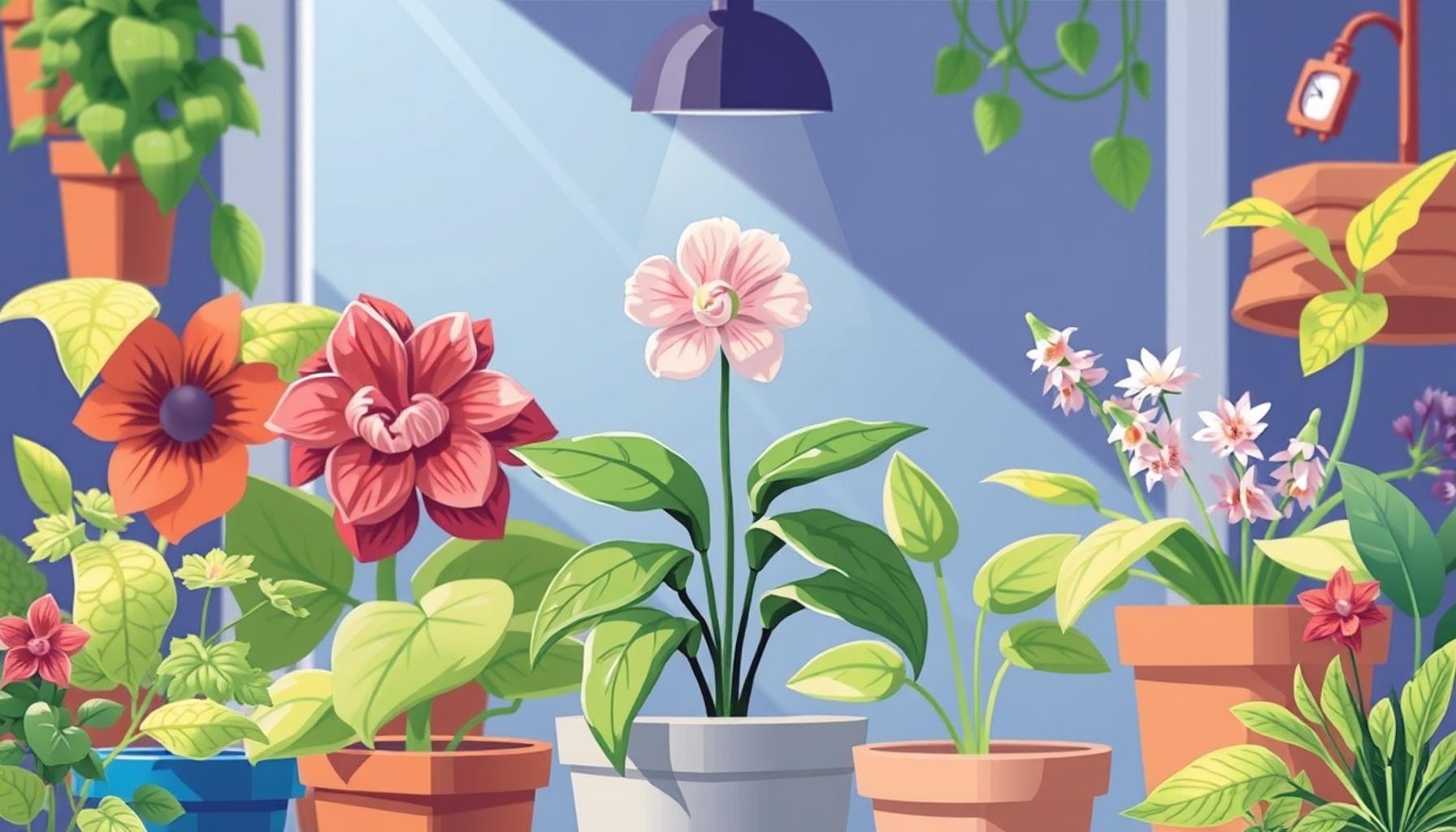
Plants often indicate their needs through visual cues, acting almost like a language of their own. Healthy plants will have vibrant leaves and sturdy stems. However, when they need water, they may exhibit signs of stress. Common signs of underwatering include wilting leaves, drop of leaves, and dry, brittle stems. Conversely, overwatered plants might display yellowing leaves, root rot, or mushy stems due to an excess of moisture.
Being observant of these changes and keeping a journal can tremendously aid in adjusting their water needs accordingly. Over time, you’ll notice patterns that will help you anticipate and react more effectively to your plant’s requirements.
Key Tip: Keeping a plant journal to track changes and any stress signs over time can help you better predict future watering needs.
3. Considering Plant Type and Growth Stage
Understanding the specific water needs of your plants is crucial, as different plant types have distinct water requirements. For example, succulents and cacti are characterized by their ability to store water, allowing them to thrive in drier conditions. In contrast, tropical plants often require consistently moist soil and, therefore, more frequent watering.
Additionally, a plant’s growth stage plays a role in how much water it needs. Young plants and seedlings generally require more water than mature plants because they are establishing their root systems. Paying attention to these variations will ensure that each plant receives the tailored care it needs to flourish.
- Succulents: Ideally, water every 2-3 weeks.
- Tropical Plants: Opt to water approximately once a week.
- Herbs and Vegetables: Water when the soil begins to dry out, usually about once a week.
Understanding the Environment
The environment where you keep your plants significantly affects their water needs. Several factors like humidity, temperature, and light exposure influence how often you should water your plants. In a dry, warm environment, plants will generally need more frequent watering compared to those in cooler or more humid surroundings.
For plants kept indoors, it’s essential to account for moisture levels that might be affected by heaters or air conditioners. Also, sunlight exposure plays a role because direct sunlight can cause the soil to dry out quicker.
Key Tip: Consider using a fan to increase airflow if your indoor environment is overly humid, and develop a watering schedule taking into account seasonal changes which affect environmental conditions.
1. Developing a Watering Routine
The most effective strategy for ensuring your plants receive the correct amount of water is to establish a consistent watering routine that is adapted to your plants’ individual needs. This approach combines monitoring the soil moisture, observing for signs of stress, considering plant types, and understanding environmental conditions.
A well-structured routine minimizes the chances of over- or under-watering. Begin by learning about your specific plant types, making adjustments as necessary, and keeping in tune with seasonal shifts that might require changes in watering frequency.
Key Tip: Use a calendar or reminder app to organize and keep track of your watering schedule. Consistency ensures that water is provided when needed, while also helping you develop a more intuitive sense for your plants’ water requirements over time.
In conclusion, determining the perfect amount of water for your houseplants can become a fascinating and rewarding practice. By evaluating soil moisture, recognizing signs of stress, understanding varying plant requirements, considering environmental influences, and establishing a structured routine, you can ensure that your home garden not only survives but thrives. Happy gardening!
Determining the ideal amount of water for your houseplants is crucial for their growth and well-being. Different plants have different water needs, and understanding how to meet these needs can significantly enhance your gardening experience. Below are some key factors to consider when figuring out how much water to provide for your plants.Firstly, the type of plant plays a vital role in its watering needs. For instance, succulents and cacti thrive in arid environments and require minimal water, while ferns and tropical plants prefer consistently moist soil. It’s essential to research your specific plant species to understand their requirements. Overwatering can lead to root rot, which is a common issue for many plant owners.Secondly, **environmental factors** such as temperature and humidity levels affect how quickly a plant uses water. During hotter months, plants may require more frequent watering, while during cooler periods, their water absorption decreases. Monitoring the climate conditions in your home can help you adjust your watering schedule appropriately. For instance, placing a plant near a window that receives a lot of sunlight may necessitate more water than a plant kept in a shadier area.Another critical factor to consider is the **type of soil** you are using. Soils with good drainage will allow water to pass through quickly, meaning plants will need to be watered more frequently. Conversely, dense soils retain moisture longer. Performing a simple test by inserting your finger into the soil can help you determine if it’s dry or moist. Only water if the top couple of inches feel dry.Furthermore, the **size of the pot** can significantly impact water retention. Larger pots contain more soil and thus retain moisture longer than smaller pots. If you’re potting plants, consider their growth stages; young plants in smaller pots will need more frequent watering as they tend to dry out quickly. Lastly, the time of day you water your plants also matters. Watering in the early morning or late afternoon can be more beneficial than watering in the heat of midday, as evaporation rates are typically lower. This allows the water to penetrate the root system more effectively. Bear in mind that each plant is unique, and developing a routine tailored to individual species will result in healthier plants. Observing your plants regularly, adjusting to their needs, and understanding environmental changes will guide you in determining the ideal amount of water they require. By being attentive to these aspects, you will cultivate a thriving indoor garden that flourishes and brings joy to your home.
Frequently Asked Questions about Determining the Ideal Amount of Water for Your Houseplants
How often should I water my houseplants?
The frequency of watering your houseplants depends on several factors, such as the type of plant, the size of the pot, and environmental conditions like humidity and temperature. A general rule is to water when the top inch of soil feels dry. However, always check the specific needs of your plant species, as some may require more or less moisture.
How do I know if I am overwatering or underwatering my plants?
Overwatering and underwatering can both cause problems for your plants. Signs of overwatering include yellowing leaves, wilting despite the soil being wet, and root rot. Underwatering signs are usually dry, crispy leaves and soil pulling away from the pot’s edges. Adjust your watering schedule based on these indicators to ensure your plants are healthy.
What is the best time of day to water houseplants?
The best time to water your houseplants is in the morning. This gives the leaves time to dry during the day, reducing the risk of fungal diseases. However, if the mornings are not convenient, ensure the water has dried or been absorbed before nighttime to keep your plants healthy and thriving.
How much water do my plants need each time I water them?
The amount of water needed varies by plant, pot size, and environmental conditions. A common approach is to water until it begins to drain from the pot’s bottom. This ensures the roots receive adequate moisture. Be careful not to let the pot sit in standing water, as this can lead to root rot.
Are there any tools to help me determine the right amount of water for my plants?
Yes, there are tools such as moisture meters, which can be very helpful. These devices measure the moisture level in the soil, helping you decide when and how much to water. Using a moisture meter can provide a more precise indication than simply feeling the soil with your fingers.
Conclusion
Determining the ideal water quantity for your home plants is a pivotal aspect of successful gardening for beginners. By understanding your plants’ specific needs and considering factors such as plant species, pot size, and environmental conditions, you can create a thriving home garden. Remember that overwatering is often more detrimental than under-watering, as it can lead to root rot and other plant health issues.
Key Takeaways
- Observe your plants for signs of overwatering or underwatering, like yellowing leaves or wilting, to adjust your watering routine as needed.
- Adjust your watering schedule according to the plant’s natural habitat; those hailing from arid regions may require less frequent watering compared to tropical species.
- Consider environmental factors such as humidity and temperature, which can significantly affect soil moisture levels.
- Use well-draining soil and pots with drainage holes to prevent water from pooling at the bottom, which can suffocate roots.
- Embrace modern technologies like moisture meters to aid you in deciding when to water, especially as a beginner.
Gardening is a learning process, and gaining experience with each plant type will enhance your skills over time. By integrating these practices and continually educating yourself about your plants, you are set to grow a lush and healthy garden within your home. The journey of nurturing plants enhances not just your environment but also your well-being, bringing you closer to nature one watering can at a time.