Unveiling Minimalism: The Connection Between Simplicity and Happiness

The Essence of Minimalism
In today’s fast-paced and consumer-driven society, the allure of minimalism has taken on new significance. Many individuals are confronting the overwhelming nature of modern life, from relentless advertisements to the pressure of maintaining a lifestyle filled with possessions. This has spurred a growing fascination with the principle of minimalism, which advocates for simplicity and intentional living. The quest to simplify one’s life is not merely an aesthetic choice; it is increasingly recognized as a path to enhanced well-being and emotional fulfillment.
Reducing Clutter: Pathway to Clarity
Physical decluttering, often marked by a commitment to clear out unnecessary items, serves as a cornerstone of the minimalist philosophy. Many enthusiasts share transformative experiences from purging their homes. For example, a study highlighted that individuals who decluttered their spaces experienced a significant drop in stress levels. They reported feeling less overwhelmed by their surroundings. One popular approach is the KonMari method, developed by Marie Kondo, which encourages people to keep only those items that “spark joy.” Not only does this foster a more aesthetically pleasing environment, but it also cultivates mental clarity.
Mindful Spending: Cultivating Intention
Another facet of minimalism is promoting mindful spending. This involves reassessing one’s buying habits and focusing on purchases that meet genuine needs rather than fleeting wants. For instance, adopting a more intentional approach to shopping may mean investing in a high-quality winter coat that lasts for years rather than cheaper, lesser-quality options that may need to be replaced quickly. Many minimalists advocate for a waiting period before purchasing new items, allowing for reflection on whether the item is truly essential.
Quality Over Quantity: The Joy of Fewer Choices
Investing in fewer, but better products can significantly boost overall satisfaction. In a society where consumers are often inundated with choices, this principle can mitigate decision fatigue. For example, rather than having a wardrobe overflowing with clothes that are rarely worn, a minimalist wardrobe might consist of versatile pieces that can be mixed and matched, leading to a more streamlined morning routine and ultimately a greater sense of personal style.
Time Management: Focusing on What Matters
Time is one of our most valuable resources, yet it often feels scarce. Minimalism encourages individuals to prioritize their commitments, stepping away from the busyness that detracts from meaningful pursuits. By saying “no” to activities that don’t align with personal values or priorities, individuals can free up time for family, hobbies, or self-care. This emphasis on intentional living often results in richer life experiences and deeper relationships.
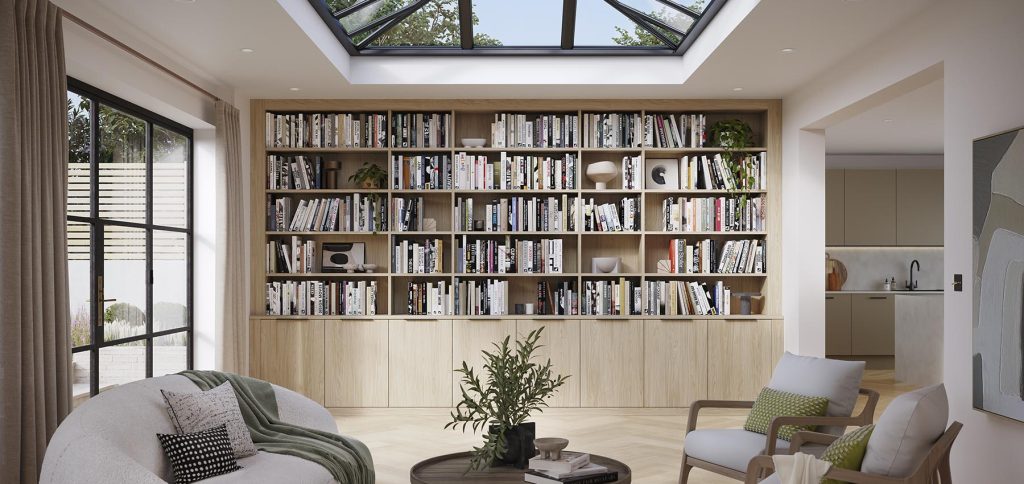
Emotional Well-Being: A Link to Happiness
Research continues to support the notion that embracing simplicity can enhance emotional well-being. A survey indicated that those who engage in minimalist practices report lower levels of anxiety and an increased sense of purpose. In fact, many practitioners attribute their improved quality of life to the less cluttered environments and conscious living choices they have made.
As we venture further into the benefits of minimalism, it becomes apparent that a simpler life may indeed hold the key to greater joy and fulfillment. By decluttering our physical spaces, practicing mindful spending, valuing quality over quantity, and managing our time more effectively, we can create a life that resonates with our deepest values and aspirations.
Join us as we continue to explore the transformative potential of minimalism, creating a dialogue around how less can truly become more in our lives.
DISCOVER MORE: Click here to find out how simple living can enhance your creativity!
Rediscovering Space: The Impact of Decluttering
As society becomes more conscious of its consumption habits, the minimalist movement invites individuals to reevaluate the physical spaces in which they live. Decluttering transcends mere organization; it embodies a mindset that prioritizes emotional well-being over material accumulation. By removing excess items, individuals can create environments that promote mental clarity and peace. More than just aesthetics, this practice influences mental health in profound ways.
Numerous studies indicate that individuals living in cluttered environments experience heightened stress. The American Psychological Association has reported that excessive clutter can overwhelm the senses, leading to feelings of anxiety and depression. Conversely, those who embrace minimalism may find liberation in the open spaces they cultivate. For instance, a popular method known as the “30-Day Minimalism Game” challenges participants to eliminate one item on the first day, two on the second, and so on. This gradual approach not only helps in decluttering physical spaces but also fosters a deeper connection to what truly matters.
The Role of Mindfulness in Minimalism
At the core of minimalism lies the notion of mindfulness, encouraging individuals to make conscious decisions regarding their possessions. Mindfulness practices often include meditation, journaling, and reflective thinking, all of which can enhance one’s connection to their surroundings. By intentionally considering what to bring into their lives, individuals can shift their focus from acquiring more to appreciating what they already have. This intentional shift not only leads to reduced consumption but also a greater appreciation for the present moment.
Mindful Choices: A New Perspective on Consumption
Making mindful choices extends beyond home decor to every facet of life, influencing how individuals approach their daily routines. Consider the impact of mindful spending: by focusing on quality rather than quantity, consumers make choices that not only benefit their finances but also contribute positively to their mental state. Instead of impulse purchases, individuals may opt to invest in fewer, high-quality items that serve a functional purpose. This principle can manifest in various aspects of life:
- Wardrobe: A curated wardrobe can streamline daily choices, mitigating decision fatigue and promoting a sense of style.
- Electronics: Investing in reliable tech devices that enhance productivity rather than cluttering space.
- Food: Choosing fresh, wholesome ingredients that nourish the body over convenience foods that can lead to guilt and discomfort.
These deliberate steps toward minimalism create a ripple effect, improving not just the immediate environment but enhancing emotional resilience. A report by the Journal of Happiness Studies showed that people who adopted minimalist values report living more fulfilling lives, attributing their happiness to reduced consumerism and enhanced relationships.
Emotional Resonance of Simplicity
Diving into the emotional landscape touched by minimalism reveals a transformative aspect of simplicity. Studies suggest that individuals engaged in minimalist practices experience higher levels of life satisfaction, spurred by a sense of clarity and purpose that often evades those ensnared by materialism. The freedom found in simplicity creates avenues for deeper connections—both with oneself and with others—allowing individuals to focus on the relationships that genuinely matter.
As we delve deeper into the implications of this lifestyle choice, it becomes evident that the harmony between simplicity and happiness is more than a fleeting trend; it’s a profound paradigm shift toward living intentionally and authentically.
| Advantage | Description |
|---|---|
| Enhanced Clarity | A minimalist approach fosters clear thinking, reducing mental clutter which can lead to improved decision-making and focus. |
| Improved Well-Being | Embracing simplicity can enhance overall happiness by freeing up time and space for activities that promote mental and emotional health. |
As we explore the theme of “Unveiling Minimalism: The Connection Between Simplicity and Happiness,” it becomes increasingly evident that minimalism is not merely an aesthetic choice but a profound lifestyle decision. The act of simplifying one’s environment can lead to significant psychological benefits. By prioritizing what truly matters, individuals experience an uplift in their quality of life, thereby creating a pathway to happiness that is deeply rooted in simplicity.Research indicates that minimalism can reduce anxiety, which is especially relevant in our fast-paced, consumer-driven society, where overwhelming choices often lead to decision fatigue. Additionally, being minimalist encourages individuals to engage in more fulfilling social interactions, fostering deeper connections instead of a plethora of superficial relationships. This notion underpins the idea that the less we have, the more we can appreciate our experiences, aligning closely with the essence of happiness derived from simplicity. Delving deeper into this subject opens up exciting discussions surrounding the practical applications of minimalism in various aspects of life, such as home decor, lifestyle choices, and even digital consumption. By adopting a minimalist mindset, one not only curates a more peaceful living space but also discovers greater joy in life’s simple pleasures.
DISCOVER MORE: Click here to learn how simple living can enhance your productivity and creativity
Enhancing Relationships Through Minimalism
A critical aspect often overlooked in discussions about minimalism is its profound impact on relationships. When individuals embrace simplicity in their living spaces, it often extends to their social interactions. The minimalist ethos encourages a shift from superficial connections to more meaningful and intentional ones. By creating physical space, individuals often find the emotional bandwidth to invest in the relationships that matter most.
According to a recent survey conducted by the Pew Research Center, a staggering number of people reported feeling overwhelmed by their social obligations, many stemming from a cluttered lifestyle filled with distractions. Minimalism challenges this hustle mentality and invites individuals to prioritize quality time with loved ones over the quantity of outings or gatherings. For instance, instead of organizing large social events littered with excessive elements, embracing simplicity can lead to more intimate affairs—such as potlucks or cozy game nights—where the focus is on connection rather than spectacle.
Time Management: The Minimalist Approach
Minimalism also catalyzes a reexamination of how individuals allocate their time. Clutter, both physically and mentally, drains the energy needed for productive engagement in life. By embracing simplicity, individuals often find more time for essential pursuits—be it self-care, family endeavors, or hobbies. Surveys demonstrate that those who practice minimalism report better time management, allowing them to engage deeply in pursuits that foster happiness.
This philosophy extends to work life as well. Employees who adopt a minimalist approach tend to focus on fewer tasks, resulting in higher quality output. A study from the Harvard Business Review revealed that professionals who prioritized their primary responsibilities reported increased job satisfaction and performance levels. By stripping away excess commitments and “busyness,” individuals can dedicate their energies toward what truly brings them joy and fulfillment.
Nature and its Connection to Minimalism
Another compelling angle of minimalism lies in the connection with nature. Many minimalist advocates recognize the importance of integrating nature into their lives, whether through conscious outdoor excursions, indoor plants, or natural materials in their living spaces. Evidence suggests that spending time in natural environments fosters emotional well-being, alleviating stress and anxiety. Minimalist living, often focused on open spaces filled with light and greenery, mirrors these principles, offering a harmonious blend of the internal and external worlds.
- Mindful Nature Activities: Activities like hiking or gardening, which prioritize simplicity, can lead to heightened awareness and appreciation of the environment.
- Biophilic Design: Incorporating natural elements into minimalist spaces can enhance mood and productivity, creating a sanctuary that invites calmness.
- Sustainable Choices: Minimalism encourages sustainable patterns of consumption, leading individuals to choose eco-friendly products that promote well-being for both themselves and the planet.
The synergy between minimalism and a deeper connection to nature not only amplifies mental health benefits but also enhances the overall quality of life. As individuals embrace simpler living, they may discover a renewed appreciation for the beauty surrounding them, reinforcing the idea that happiness can indeed flourish in environments stripped of excess. Through relationships, time management, and a bond with nature, minimalism paves the way for a more fulfilling existence, rich in experiences rather than possessions.
DIVE DEEPER: Click here to unlock your creative potential
Conclusion: The Path to Joy Through Minimalism
In today’s fast-paced world, the quest for happiness often leads us to cluttered lifestyles filled with distractions. However, minimalism offers a refreshing perspective that emphasizes the beauty of simplicity. By unveiling the intricate connection between a minimalist approach and enhanced happiness, we see a model that prioritizes quality over quantity, fostering deeper relationships, better time management, and a profound connection to nature.
As explored throughout this article, minimalism encourages individuals to simplify their surroundings and social obligations, allowing for more intentional connections with family and friends. This shift not only enriches personal relationships but also cultivates emotional well-being. When people consciously eliminate excess—be it possessions, social engagements, or environmental stressors—they often unlock greater periods of joy and fulfillment. The ability to embrace time spent with loved ones, free from the distractions of materialism, leads one to cherish life’s simple pleasures.
Furthermore, the synergy between minimalism and nature reveals a powerful alliance for happiness. By integrating natural elements into our lives and making sustainable choices, we can enjoy not only aesthetic benefits but also substantial improvements to our mental health. The minimalist philosophy teaches us that happiness arises from experiences and connections, not from an accumulation of things.
Ultimately, adopting a minimalist lifestyle is a personal journey—one that can vary significantly from person to person. However, the common thread remains the same: simplicity fosters happiness. As we continue to explore this philosophy, we invite readers to delve deeper into their own lives and consider how embracing minimalism could guide them toward a more joyful and meaningful existence.
Related posts:
Simple Living as a Sustainability Strategy: Living with Less to Protect the Planet
Simple Living in Family: Building Stronger Bonds with Fewer Distractions
Developing a Gratitude Mindset: The Role of Simple Living in Appreciating What We Have
How Simple Living Can Boost Your Productivity and Creativity
The Journey of Simple Living: Inspiring Stories of Personal Transformation
The Art of Letting Go: How Simple Living Can Transform Your Life

Linda Carter is a writer and organization expert specializing in minimalism and personal organization. With extensive experience helping individuals create clutter-free, functional spaces and adopt mindful habits, Linda shares her knowledge on our platform. Her goal is to empower readers with practical advice and strategies to simplify their lives, stay organized, and achieve a sense of calm and balance in their daily routines.