
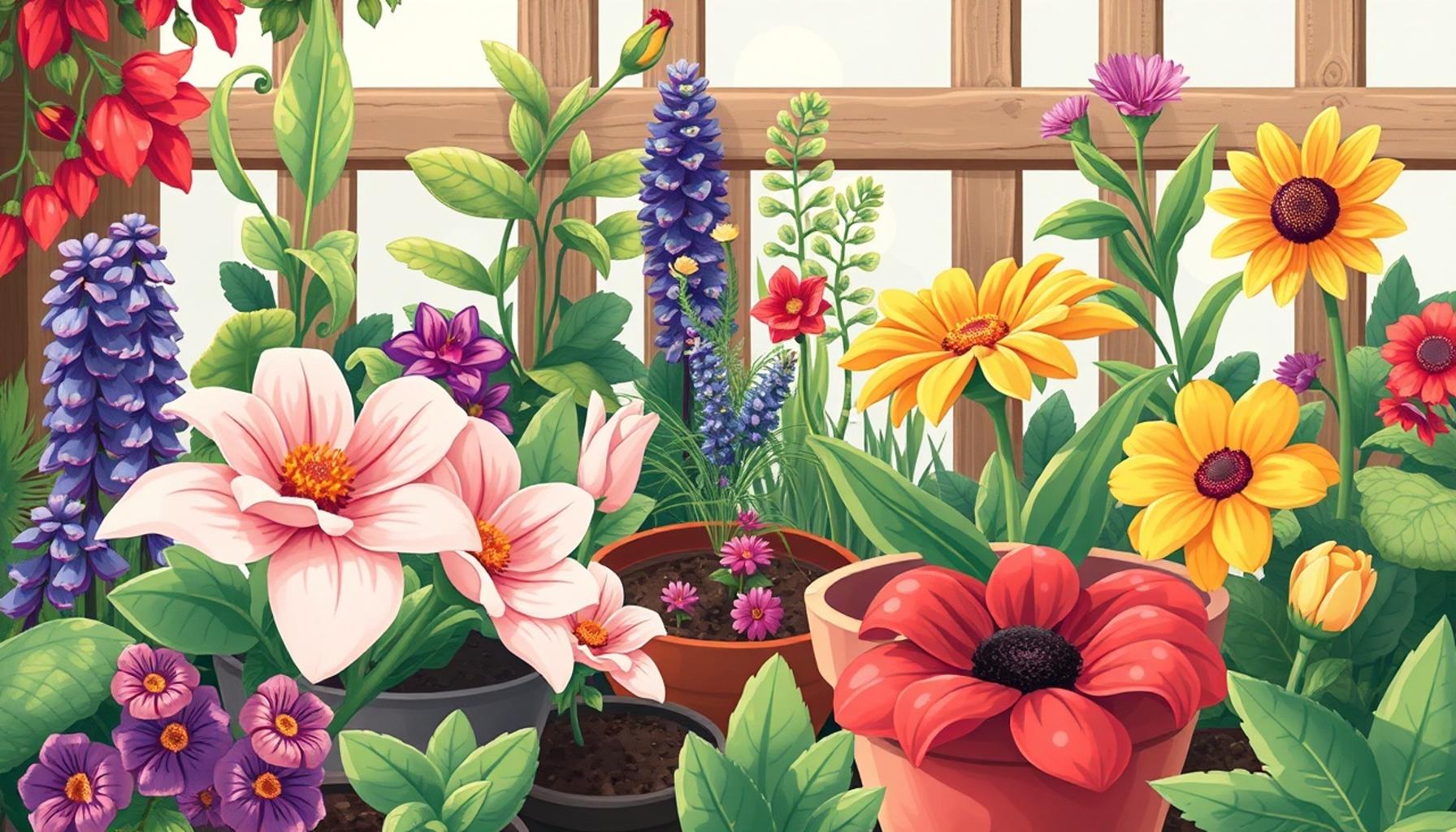
Embarking on the gardening journey begins with a keen awareness of your local climate and seasonal changes.
Recognizing the intricate dance of weather patterns and temperatures will help you choose the ideal plants for your garden, ensuring they thrive all year round.
By understanding these factors, you can select seasonal plants perfectly suited to your home environment, maximizing their growth potential.
Armed with this knowledge, even novice gardeners can cultivate a lush and vibrant garden teeming with life and color.
FIND OUT MORE!Understanding your local climate and the changes in seasons is crucial when planning a successful home garden.
Each region has its own specific conditions that influence which plants will thrive or struggle throughout the year.
A great starting point is to observe temperature patterns, rainfall, and frost dates in your area.
For instance, certain plants require cooler climates, while others might need the warmth or longer daylight hours of summer.
This knowledge helps in selecting the right plants that will bloom beautifully and remain healthy across the seasons.
For example, if you live in an area with a long, hot summer, consider heat-resistant plants like lavender or succulents.
Conversely, in climates with cold winters, hardy bulbs like tulips or daffodils might be more appropriate.
Monitoring local agricultural extensions or utilizing gardening apps can provide valuable insights into seasonally appropriate plants.
Choosing the right plants not only enhances your garden's aesthetic appeal but also promotes biodiversity and sustainability in your local ecosystem.
Learning about your local climate also means planting at the right time; starting seeds or planting new shrubs and trees as per seasonal timing can ensure robust growth.
Ultimately, gaining an understanding of your local climate and weather patterns can make your gardening experience more rewarding and less prone to the whims of Mother Nature.
Understanding your local climate intricacies is vital in selecting seasonal plants that will thrive in your home garden.
To achieve a flourishing garden, consider factors such as temperature variations, rainfall patterns, and frost dates when planning your planting schedule.
Selecting species that naturally adapt to your region ensures not only the plants' survival but also enhances their beauty.
Additionally, being mindful of pollinators and local biodiversity can lead to a more sustainable gardening practice.
In essence, taking the time to learn about your local environmental conditions can result in a lush, vibrant garden that complements your home and contributes positively to the ecosystem.

Linda Carter is a writer specializing in gardening and growing at home for beginners. With extensive experience helping readers confidently care for plants, Linda shares practical guidance on preparing soil, choosing suitable plants, watering, planting, and maintaining home gardens. Her goal is to provide clear tips and accessible strategies that help beginners grow healthy plants and enjoy gardening in any space.