Transforming Small Spaces: Minimalism Strategies to Maximize Every Square Meter

Understanding Minimalism in Small Spaces
Living in small spaces can often feel limiting and overwhelming, particularly in urban environments where apartments might be compact yet expensive. However, embracing minimalism can transform these constraints into opportunities for creativity and efficiency. Rather than viewing limited square footage as a disadvantage, minimalism encourages you to rethink how you use space, making your home not just livable, but harmonious and stimulating.
Embracing minimalism comes with a myriad of benefits that can significantly enhance your living experience. For instance:
- Enhanced Comfort: A decluttered space promotes relaxation and mental clarity. By removing unnecessary items, you create an atmosphere that encourages mindfulness. Studies show that clutter can increase stress levels, so a serene space becomes a sanctuary for mental well-being.
- Improved Functionality: In a minimalist environment, every item has a purpose. This means that each day becomes smoother since you are surrounded only by essentials. Imagine having everything in easy reach, from strategically placed utensils in a tiny kitchen to multifunctional tables that can transition from work to dining.
- Time-Saving: Less clutter results in less time spent on cleaning and organizing. A minimalist approach allows you to streamline your routine, encouraging quicker tidying sessions and more free time for leisure activities.
Effective Strategies for Minimalist Living
When it comes to transforming your small space, consider these effective strategies:
- Multi-Functional Furniture: Invest in pieces that serve more than one purpose to optimize your space. Sofa beds and storage ottomans are classic examples, providing seating by day and a comfortable sleeping option or hidden storage by night.
- Vertical Solutions: Explore options like wall-mounted shelves or wall hooks that keep the floor clear and draw the eye upward, creating an illusion of height. Consider floating shelves for books or decorative items, allowing for both style and function without sacrificing space.
- Neutral Color Palettes: Opting for light, neutral colors can create an illusion of a larger space. Shades like soft whites or pale grays can make a small room feel expansive. Bold accent colors can be introduced through smaller decor items or art, adding a touch of personality without overwhelming the senses.
Creating a Harmonious Home
As you explore these minimalist strategies, it’s crucial to remember that the goal is not merely to save space but to cultivate a harmonious home that reflects your lifestyle. Think about your daily routines and how you can design your space around them. For instance, if you love cooking, prioritize a kitchen layout that allows for ease of movement and accessibility.
An essential principle of minimalism is intentionality—each item in your home should serve a specific purpose or bring you joy. This not only reduces clutter but fosters a sense of connection to your surroundings. By redefining what is necessary in your life, you can successfully curate a refined living space that caters to your needs while exuding tranquility.
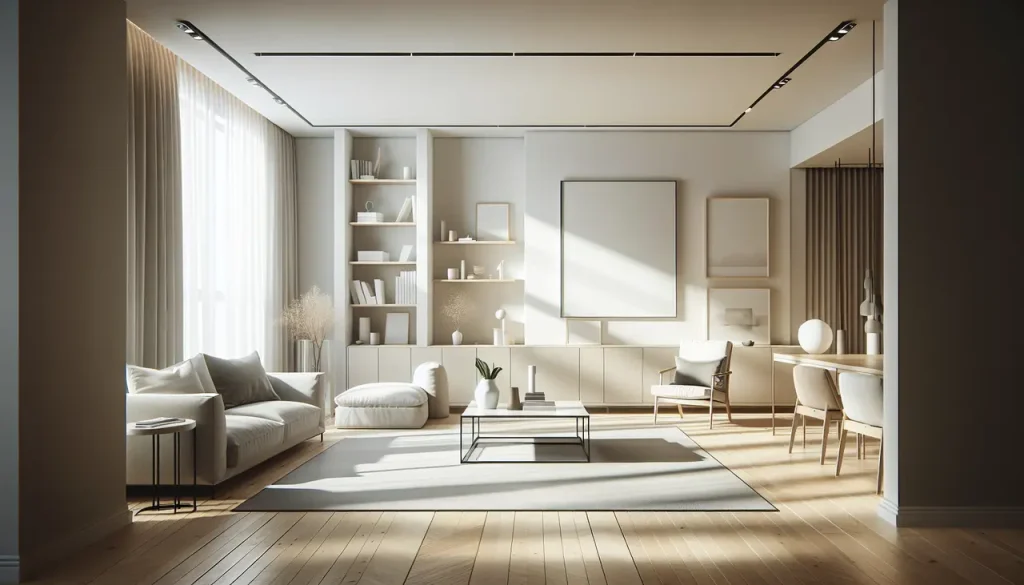
In conclusion, minimalism in small spaces is not about sacrificing comfort but enhancing it. By thoughtfully considering how you fill your environment, you can create an efficient, stylish abode that areas of creativity and encourages reflection.
Join us as we delve deeper into the intricate world of minimalist design and innovative ideas that can optimize your small living space, leading to a more fulfilling lifestyle.
DISCOVER MORE: Click here for insights on minimalism and functional spaces
Unlocking the Potential of Your Space
Maximizing every square meter in your small living space requires a shift in perception about what your environment can offer. The tenets of minimalism focus on stripping away the unnecessary to reveal the essential, which can open up a realm of possibilities in how you arrange your home. The keys to this transformation lie in understanding the impactful strategies that can enhance functionality and aesthetics.
One of the cornerstones of minimalist living is making thoughtful choices about the items you introduce into your space. As you embark on this journey, it’s essential to keep a few core principles in mind:
- Prioritize Quality Over Quantity: Individuals often opt for numerous items only to realize that they clutter rather than enhance their homes. Investing in a few high-quality pieces can elevate the overall look of your space while promoting sustainability. Consider a well-crafted dining table that can withstand daily use and still serve as an attractive centerpiece.
- Embrace Open Space: In small areas, it’s beneficial to leave certain areas completely open. This open canvas not only creates a sense of breathing room but also invites creativity. For instance, an uncluttered floor can allow for flexible arrangements, accommodating anything from yoga sessions to impromptu gatherings.
- Incorporate Hidden Storage: A critical component of minimalism is finding smart storage solutions. Look for ottomans that can hide away your blankets or under-bed storage containers that make use of typically wasted space. By minimizing visible clutter, you maintain the clean aesthetics that minimalist design promotes.
Designing for Daily Life
Consider how your space is used on a daily basis. A minimalist approach doesn’t only focus on aesthetics but also on functionality. For instance, in a small kitchen, the strategic arrangement of utensils, pots, and pans can streamline your cooking process. Utilizing pegboards for hanging kitchen tools can save drawer space while keeping essential items easily accessible.
Moreover, think about the flow of your home. The arrangement of furniture should facilitate movement, allowing occupants to navigate the space naturally. Soft, rounded edges on furniture can make rooms feel welcoming, while avoiding sharp corners can prevent potential hazards in tight spaces.
It’s also worth considering how light plays a role in maximizing your environment. Natural light can make small spaces feel larger and more inviting. Use sheer curtains to allow sunlight to filter through without creating a suffocating ambience. Mirrors strategically placed across from windows can further amplify brightness and create depth.
In summary, transforming your small space through minimalism is about promoting a lifestyle that values simplicity, functionality, and tranquility. As you implement these mindful strategies, you’re not just optimizing your living area; you’re enhancing your overall quality of life. Join us in exploring further techniques to redefine your space, leading to a minimalist haven that reflects your individuality.
| Category | Advantages |
|---|---|
| Smart Storage Solutions | Maximizes floor space by incorporating hidden compartments and vertical shelving. |
| Multi-functional Furniture | Enhances usability of each piece with items that serve more than one purpose. |
Additionally, it’s essential to consider the design philosophy behind minimalism when it comes to small spaces. The core principle revolves around the elimination of excess, which not only aids in maximizing space but also creates an atmosphere that encourages relaxation and clarity. For instance, utilizing wall-mounted lights instead of floor lamps can create an illusion of height, making rooms appear more spacious and inviting.For those who embrace the minimalist approach, the use of a cohesive color palette can unify a room, drawing the eye and further creating the perception of a larger area. Moreover, the strategic placement of mirrors can reflect light and give depth, which is particularly beneficial in compact living environments.Finding ways to integrate plants can also be a game-changer in these spaces. Not only do they serve as natural air purifiers, but strategically placed greenery can add life and vibrancy while maintaining a minimalist aesthetic. By understanding and implementing these minimalism strategies, you can truly transform small spaces into functional and aesthetically pleasing environments.
DIVE DEEPER: Click here to discover effective mental decluttering strategies
Creative Solutions for Small Space Dilemmas
In the pursuit of maximizing every square meter of your small living space, embracing innovative and creative solutions is key. While minimalism promotes a decluttered lifestyle, it also encourages the use of imagination to reconfigure how we perceive and utilize our environments. This section reveals further tactics and thoughtful adjustments that can significantly enhance your space.
Multi-Functional Furniture: The Heart of Minimalist Design
One of the most effective strategies to optimize your small space is to invest in multi-functional furniture. A prime example is a sofa bed that offers comfortable seating by day and transforms into a cozy sleeping area at night, perfect for accommodating guests. Additionally, consider a dining table that extends to host gatherings yet collapses for intimate meals. Such pieces not only save space but also eliminate the need for excess furniture, maintaining the minimalist aesthetic.
Moreover, opting for modular furniture can provide flexibility in tight areas. Modular shelving units can be rearranged according to your needs, allowing for dynamic storage solutions that can adapt to changing circumstances. This adaptability is particularly invaluable in compact settings where every inch counts.
Vertical Living: Expanding Upwards
When floor space is scarce, look upwards. Vertical living solutions present a compelling opportunity to transform your small space. Installing shelving units that extend to the ceiling can draw the eye upward, creating an illusion of height while providing essential storage. Utilize the air space in your rooms by hanging shelves, displaying art, or incorporating plants that cascade beautifully downwards.
Additionally, consider using wall-mounted office desks that fold away when not in use. This approach maintains an open floor while ensuring workspaces are readily available. Whether for remote work or creative projects, having a designated area that can seamlessly vanish helps retain a minimalist feel.
Color and Light: The Illusion of Space
This space-transforming mindset must also consider the impact of color and light on your living environment. Light colors, such as whites, creams, and soft pastels, can enhance a sense of openness in your home and reflect more sunlight, keeping spaces bright and airy. Selecting a monochromatic palette can also create a cohesive look, tying various elements together while minimizing visual distraction.
Incorporating strategic lighting elements can further amplify this effect. Task lighting, such as adjustable lamps, can provide focused illumination without taking up valuable space, while soft pendant lights can enhance ambiance without overwhelming the room. By layering different light sources, you can adjust the mood and functionality of your space as needed.
Finally, consider the psychological effects of well-organized, minimal spaces on productivity and serenity. A tidy environment not only nurtures peace and clarity but also encourages a lifestyle where each item holds meaning and purpose. In pursuing such a lifestyle, you elevate not only your home but also your daily experiences.
Embracing these creative minimalist strategies not only transforms your small space but cultivates a mindful approach to living. With the right tools and mindset, your compact area can flourish as a sanctuary of simplicity and efficiency.
DISCOVER MORE: Click here to learn about living sustainably
Conclusion
In conclusion, transforming small spaces through minimalism is a pathway to not only enhanced aesthetics but also improved functionality and well-being. The strategies discussed throughout this article demonstrate how innovative thinking can redefine the limitations often associated with compact living. By embracing multi-functional furniture, you can create flexible arrangements that adapt to your lifestyle, ultimately maximizing available square meters.
Furthermore, vertical living opens new horizons in design, encouraging us to look beyond the floor and utilize every inch of our walls. This approach not only makes our spaces appear larger but also provides creative opportunities for personal expression. Combining light colors and harmonious lighting further elevates these environments, fostering an atmosphere of calmness and clarity.
As we navigate today’s world, where living space often comes at a premium, adopting a minimalist mindset can significantly improve the quality of life. It reminds us of the value of simplicity, encouraging us to cherish and intentionally select what we bring into our homes. By implementing these strategies, you can cultivate a living environment that embodies not only style and efficiency but also peace and purpose.
As you embark on the journey of maximizing every square meter, remember that each small adjustment contributes to a larger transformation. With creativity and mindfulness, your compact space can evolve into a sanctuary that reflects your identity and nurtures your spirit.
Related posts:
How Minimalism Can Help Maximize Space in Small Environments
Creating Smart Storage Solutions: The Intersection of Minimalism and Space Maximization
Design of Multifunctional Furniture: The Key to Maximizing Space in Minimalist Environments
The Power of Open Spaces: How Minimalism Contributes to the Maximization of Environments
Digital Minimalism: How to Organize Your Virtual Space for a More Efficient Life
The Art of Letting Go: Organizing Personal Items to Free Up Space and Improve Efficiency

Linda Carter is a writer and organization expert specializing in minimalism and personal organization. With extensive experience helping individuals create clutter-free, functional spaces and adopt mindful habits, Linda shares her knowledge on our platform. Her goal is to empower readers with practical advice and strategies to simplify their lives, stay organized, and achieve a sense of calm and balance in their daily routines.