The Psychological Benefits of Clutter Reduction in Minimalist Living

The Psychological Benefits of Clutter Reduction
In a society that often equates success with the accumulation of possessions, the act of decluttering may seem counterintuitive. However, as countless individuals embark on minimalist journeys, they uncover a new perspective—where less truly becomes more. This radical approach to living can lead to significant improvements in mental well-being, making it worthwhile to consider the underlying principles of minimalism.
- Reduced Stress: A tidy environment plays a critical role in lowering anxiety levels. According to research, individuals who live in cluttered spaces report higher levels of cortisol, the stress hormone, than those in cleaner environments. For example, a well-organized home can lead to feelings of tranquility, allowing residents to unwind after a long day without the chaos of their surroundings adding to their burdens.
- Increased Focus: When faced with distractions from clutter, it becomes challenging to concentrate on tasks at hand. Studies reveal that minimalism can enhance productivity; for instance, workplaces that prioritize clean desks often see marked improvements in employee output. A clear desk allows for fewer distractions, enabling employees to hone in on their work and accomplish tasks more efficiently.
- Enhanced Creativity: Simplifying your surroundings can actually ignite creativity. With fewer distractions vying for attention, the mind can wander freely, leading to innovative thinking and problem-solving. Artists and writers often report that a clear, minimal space fosters inspiration and allows for deeper engagement with their craft.
As minimalism continues to gain traction across the United States, its transformative effects become increasingly evident. Participants in decluttering movements report heightened life satisfaction and improved relationships. A study from the University of California suggests that individuals who engage in regular decluttering tend to feel more in control of their lives and their emotional states, attributing their happiness to the mindfulness that often accompanies minimalism.
At its core, embracing minimalism encourages us to re-evaluate our possessions and understand their true value in our lives. By eliminating distractions, we can clear mental space, leading to greater clarity and a deeper appreciation for what truly matters. This journey is not merely about getting rid of items; it is about unlocking the potential for personal growth and peace within oneself.
Ultimately, the shift towards minimalism does more than just declutter physical spaces—it paves the way for a healthier mind and a more fulfilling life. As society increasingly embraces this lifestyle, it invites more individuals to consider how they might benefit from letting go of the excess and focusing on the essentials.
DISCOVER MORE: Click here to learn how to strengthen family bonds
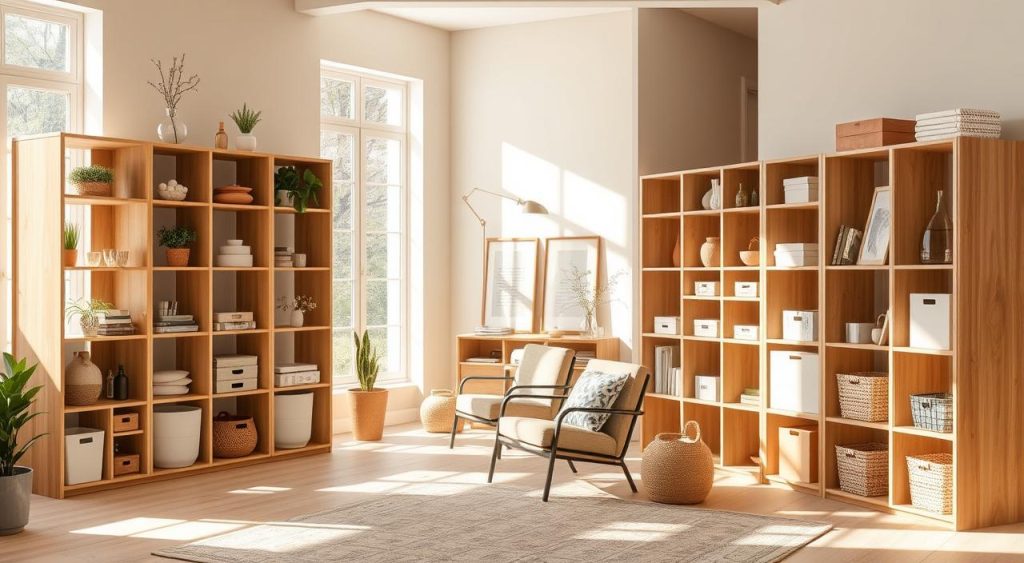
Clarity Through Simplicity
One of the most profound psychological benefits of clutter reduction is the clarity it brings to one’s mental state. In cluttered environments, it becomes increasingly difficult to maintain focus and prioritize tasks. Research from Princeton University suggests that physical clutter competes for our attention, ultimately reducing our ability to concentrate. By adopting a minimalist lifestyle, individuals can streamline their spaces, allowing for improved cognitive functioning and enhanced decision-making.
The transformation brought about by minimalism is not merely about aesthetics; it is about fostering an environment that nurtures mental well-being. A study published in the journal *Personality and Social Psychology Bulletin* found that people who perceive their spaces as cluttered are more likely to feel overwhelmed and fatigued. In contrast, those who embrace minimalism report heightened feelings of empowerment as they curate their lives based on quality rather than quantity.
The Impact on Emotional Health
Clutter can create an emotional burden that weighs heavily on individuals, leading to anxiety and feelings of being trapped. The process of decluttering—removing excess possessions and prioritizing essential items—can significantly impact emotional health for several reasons:
- Increased Control: When individuals take steps to declutter their environment, they often experience a profound sense of control over their lives. This newfound autonomy can lead to reduced anxiety and enhanced self-esteem.
- Mindfulness and Presence: The minimalist approach encourages mindfulness—being present with what truly matters. By focusing on fewer possessions, individuals can cultivate a stronger appreciation for their lives and relationships, thereby fostering deeper emotional connections.
- Elimination of Guilt: Many people hold onto items due to guilt—whether it’s a gift from a loved one or a purchase that didn’t live up to expectations. As individuals declutter, they often confront these feelings, allowing them to let go of unnecessary emotional baggage.
Embracing minimalism extends beyond the physical realm; it invites a fundamental reshaping of one’s thought patterns. By letting go of possessions that do not serve a meaningful purpose, individuals make room for growth, creativity, and happiness. This psychological shift can be liberating, helping people to focus on what sincerely enriches their lives versus what merely occupies space.
Furthermore, the mental clarity gained through decluttering can foster a proactive mindset. As individuals reignite their passions and identify what genuinely matters, they may find themselves more motivated to set goals, take risks, and pursue interests that align with their intrinsic values.
In the quest for a fulfilling and joyful life, the practice of clutter reduction is a pivotal step towards emotional and psychological well-being. As more people in the United States recognize this, the shift toward minimalist living is likely to continue gaining momentum, revealing the profound impact of simplicity on mental health.
| Advantage | Description |
|---|---|
| Reduced Stress Levels | Minimalist living significantly lessens anxiety by creating a serene environment, allowing individuals to focus without distraction. |
| Enhanced Decision-Making | A clutter-free space simplifies cognitive processes, leading to quicker and more effective decision-making abilities. |
| Increased Productivity | Decluttering promotes focus, allowing individuals to channel their energy towards important tasks rather than losing time in disarray. |
| Emotional Clarity | Minimalism facilitates a clearer mind, promoting emotional well-being and helping individuals connect with their true passions. |
The exploration of minimalist living unveils fascinating benefits that can considerably improve one’s psychological state. By reducing clutter, people can enhance their mental clarity, allowing for deeper introspection and reflection. Studies indicate that a simplified lifestyle contributes to heightened creativity and improvement in emotional resilience, paving the way for a more fulfilling life. Engaging in this practice not only transforms one’s physical space but also nurtures the mind, offering a holistic approach to well-being. The psychological benefits of clutter reduction are numerous, and investigating them can lead individuals to embark on a journey toward minimalism that redefines their everyday experiences.
DISCOVER MORE: Click here to learn how to boost your productivity
Enhanced Relationships Through Space
A significant yet often overlooked psychological advantage of clutter reduction is the positive influence it can have on interpersonal relationships. When spaces are free from excess belongings, they become more inviting and conducive to social interactions. This change can lead to deeper connections with family and friends, as individuals are more likely to engage in meaningful conversations and shared activities within a simplified environment.
Moreover, the act of decluttering can be reminiscent of a shared journey that strengthens bonds among household members. When families collaborate on tidying their shared spaces, they develop teamwork and communication skills—elements crucial for healthy relationships. In contrast, a cluttered space can breed tension and misunderstanding, as individuals may struggle to navigate their surroundings effectively. This dynamic can lead to frustration and conflicts over mess, creating emotional rifts.
Boosting Creativity and Productivity
Another compelling psychological benefit of minimalism is its ability to unlock creativity and enhance productivity. Clutter can stifle innovation, as visual distractions can impede the brain’s natural flow of ideas. A study published in the journal *Environment and Behavior* highlights that individuals in minimalist spaces are more likely to brainstorm effectively and think outside the box compared to those surrounded by clutter. By reducing distractions, individuals can create a mental landscape that fosters inspiration and new perspectives.
The physical act of decluttering can also catalyze an internal process of breaking free from limiting beliefs and routines. For instance, when individuals clear their desks or workspaces, they often find themselves reevaluating their goals and aspirations. This newfound clarity can lead to setting more ambitious targets and pursuing creative outlets that align with their passions. A 2020 survey by the National Endowment for the Arts found that individuals living with less clutter are more likely to engage in creative hobbies, which can enhance personal fulfillment and emotional well-being.
- Improved Focus on Important Tasks: With a minimalist space, individuals can concentrate on their most pressing priorities without the interference of unnecessary distractions. This increased focus can lead to better performance and higher satisfaction in both personal and professional endeavors.
- Increased Resilience: As people let go of attachments to material possessions, they develop a stronger sense of resilience. This adaptability can improve one’s approach to challenges and changes in life, fostering a more open mindset that embraces new possibilities.
- Fostering a Sense of Accomplishment: Successfully decluttering one’s environment can instill a sense of achievement. Completing a decluttering project, no matter the scale, can spark motivation and encourage individuals to tackle other areas of their lives that need improvement.
As minimalism continues to gain traction in the United States, driven by a movement towards conscious living, it becomes increasingly clear that clutter reduction plays a critical role in enhancing psychological well-being. The relational, emotional, and cognitive benefits of embracing a simpler lifestyle reveal the profound impact of intentionality in our surroundings.
DISCOVER MORE: Click here to learn about smart storage solutions
Final Thoughts on the Psychological Benefits of Minimalism
In conclusion, the journey towards a minimalist lifestyle offers a wealth of psychological benefits that extend far beyond mere aesthetics. By embracing clutter reduction, individuals can cultivate a sense of peace, enhance creativity, and strengthen their relationships. As we have explored, the elimination of excess possessions paves the way for heightened focus on essential tasks, leading to improved productivity and overall life satisfaction.
Furthermore, a decluttered environment fosters emotional resilience, allowing individuals to navigate life’s challenges with greater ease. The collaborative nature of decluttering within families and communities helps in forging deeper connections, opening pathways to meaningful interactions and shared experiences. The psychological uplift derived from achieving a minimalist space extends to a renewed sense of purpose—encouraging individuals to reevaluate their goals and pursue their passions.
As the minimalist movement gains momentum in the United States, it invites us to reconsider the impact of our surroundings on our mental state. It emphasizes the importance of intentionality in creating spaces that nurture well-being and foster relationships. Thus, the act of decluttering is not merely about creating physical space; it is about liberating the mind and spirit, enabling us to thrive in a world overflowing with distractions.
For anyone seeking to enhance their psychological health, embracing minimalism may be the key to unlocking a more fulfilled and balanced life. In this journey, each step taken towards reducing clutter is indeed a step towards a more profound and meaningful existence.
Related posts:
Dismantling Minimalism: How Decluttering Can Transform Your Space and Mind
The Impact of Digital Clutter on Personal Organization and Minimalism
Minimalism and Creativity: How Reducing Clutter Can Stimulate Personal Innovation
Organization of Small Spaces: Minimalism Tips to Maximize Every Square Meter
Routine Organization: Incorporating Minimalism Practices into Daily Life to Reduce Clutter
Practical Strategies for Decluttering Your Home and Mind

Linda Carter is a writer and organization expert specializing in minimalism and personal organization. With extensive experience helping individuals create clutter-free, functional spaces and adopt mindful habits, Linda shares her knowledge on our platform. Her goal is to empower readers with practical advice and strategies to simplify their lives, stay organized, and achieve a sense of calm and balance in their daily routines.