
Understanding Progressive Overload
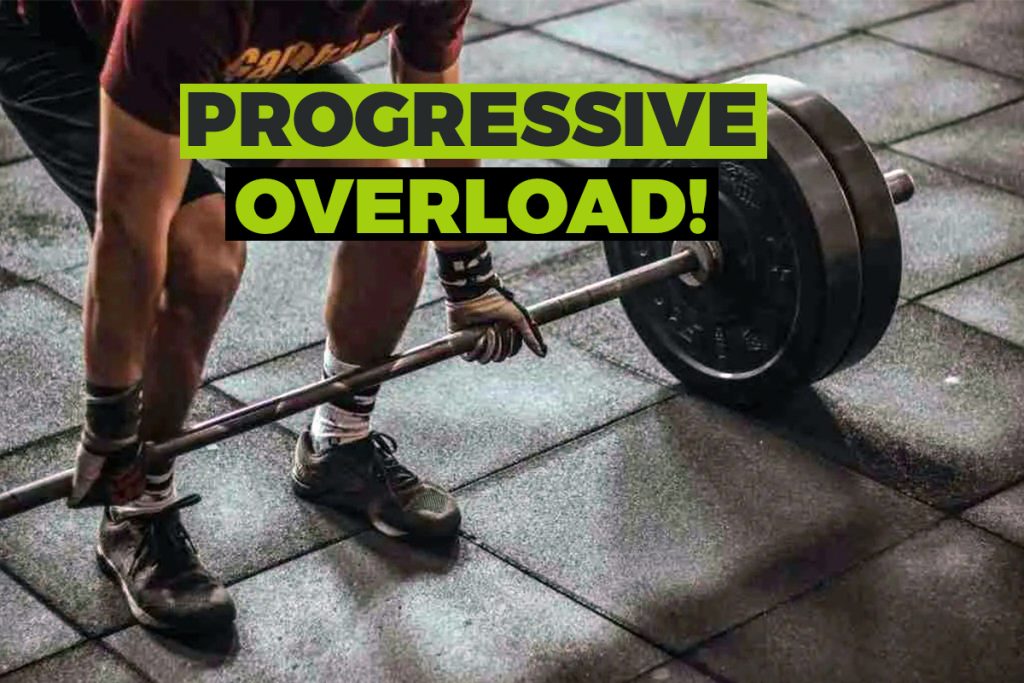
To build strength, improve muscle tone, and enhance overall fitness, you need to constantly challenge your body. This is where progressive overload comes into play. It refers to gradually increasing the stress placed on your muscles, ensuring they adapt and grow. This fundamental principle is a cornerstone of effective workout regimens and is essential for anyone looking to elevate their fitness level, whether you are a seasoned athlete or just starting your fitness journey.
Why is Progressive Overload Essential?
Without progressive overload, muscle growth can stagnate. Here are key reasons it is crucial for your fitness journey:
- Continued Progress: By continuously challenging your muscles, you can achieve long-term fitness goals, such as lifting heavier weights or running longer distances.
- Injury Prevention: Gradually increasing intensity through progressive overload reduces the risk of overuse injuries, which are common when pushing the body too hard too quickly. For example, an individual who suddenly doubles the weight they lift risks straining muscles or joints.
- Improved Performance: This method not only boosts muscle strength but also enhances endurance, agility, and overall athletic ability. Athletes often find that incorporating progressive overload leads to significant improvements in performance metrics, allowing them to excel in their chosen sports.
Effective Techniques to Implement
Several techniques can be employed to ensure your workout intensity increases effectively. Consider these:
- Increasing Weight: Gradually adding more weight to your lifts is a straightforward approach. If you can complete more than ten reps of a particular weight with ease, it may be time to increase the load by about 5% to 10%.
- Increasing Repetitions: Instead of adding weight, pushing for more repetitions with your current weight can stimulate muscle growth. This technique is beneficial for building endurance, especially in activities like bodybuilding and powerlifting.
- Altering Rest Periods: Shortening rest times between sets or exercises can significantly increase your workout density, maintaining a higher heart rate and making your body work harder. This approach not only builds strength but also enhances cardiovascular fitness.
Delving deeper into these techniques can enhance your workout effectiveness. Research indicates that variety in training is important; changing up the type of exercises or the sequence can prevent plateaus and keep your workouts engaging. Additionally, it is crucial to remember to listen to your body and allow adequate recovery time, as overtraining can counteract the benefits of progressive overload.
In conclusion, embracing the concept of progressive overload can lead to remarkable improvements in fitness and strength. Commit to these principles, and you’ll not only gain physical benefits but also develop a mindset geared toward continuous improvement. This will open the door to fitness achievements beyond what you thought was possible.
DISCOVER MORE: Click here to learn about the importance of periodization
Mastering the Art of Progressive Overload
Progressive overload is not just a buzzword in the fitness community; it is a vital strategy for anyone who wishes to see real, tangible results from their workouts. By gradually increasing the demands placed on your muscles, you trigger essential physiological adaptations that promote strength, endurance, and overall fitness. Understanding how to incorporate this principle effectively can mean the difference between stagnation and steady progress.
Key Techniques to Implement Progressive Overload
While the concept of progressive overload may seem straightforward, the approaches to achieve it can vary widely. Here are some effective techniques to incorporate into your workout routine:
- Increasing Weight: This classic method involves adding more weight to your lifts over time. If you find yourself comfortably completing your sets with your current load, consider increasing the weight by 5% to 10%. This small increment can keep your muscles adapting without risking injury.
- Increasing Repetitions: Another method to challenge your muscles is by increasing the number of repetitions you perform per set. For example, if you’re able to comfortably perform 10 repetitions of a given exercise, aim for 12 on your next workout. This will further stress your muscles and stimulate growth.
- Altering Sets: Modifying the number of sets can also facilitate progressive overload. If you currently perform three sets of an exercise, try increasing it to four sets. This not only adds volume to your workout but pushes your muscles to adapt to greater fatigue.
- Varying Exercise Complexity: Implementing exercises that require greater stability or coordination, such as transitioning from machine-based movements to free weights, can enhance the challenge. This forces your muscles to work harder, activating more muscle fibers and promoting growth.
- Shortening Rest Periods: Reducing the amount of rest time between sets can significantly ramp up the intensity of your workouts. By maintaining a high heart rate, you enhance cardiovascular endurance while pushing your muscles to adapt to increased fatigue.
The use of these techniques can prevent workout monotony and keep your fitness journey invigorating. The body thrives on variety; regularly implementing new challenges can minimize plateaus, ensuring that you are consistently making progress on your fitness goals. Additionally, it’s vital to pay attention to your body’s signals. Allowing for recovery time between increasing intensity is crucial to avoid overtraining and maximize growth.
In essence, progressive overload is more than just a method; it embodies a training philosophy that fosters continual personal improvement. By committing to these principles, you can unlock not only a world of physical enhancements but also cultivate a mindset that embraces challenges and drives you towards unprecedented achievements in your fitness journey.
| Advantage | Explanation |
|---|---|
| Increased Muscle Strength | Progressive overload allows continual adaptation, leading to greater muscle strength over time. |
| Improved Muscle Endurance | Consistent challenges to muscles improve endurance levels, facilitating better performance in daily activities. |
| Enhanced Muscle Hypertrophy | Employing techniques for progressive overload can lead to muscle growth, making it a key component in bodybuilding. |
| Variety in Training | Incorporating various techniques prevents workout monotony and keeps motivation high while facilitating adaptation. |
In understanding the importance of progressive overload, it is essential to recognize not just its advantages but also the techniques that can be employed to maximize muscle engagement. For those looking to significantly enhance their fitness, implementing methods such as increasing weights, altering repetitions, or adjusting workout frequency can yield outstanding results.Utilizing a variety of resistance-training exercises that target different muscle groups can prove effective in maintaining a balanced regimen. By steadily increasing the demand on muscles, individuals can avoid hitting a plateau, which often occurs in static training programs.Moreover, mental strategies, such as setting specific goals and tracking progress, can help maintain motivation while enhancing performance levels. Understanding the science behind strength training and the importance of progressive overload opens doors to a more robust and efficiently engineered fitness journey. This in-depth exploration reveals the multifaceted layers of muscle training that extend beyond simple lifting and repetition, urging readers to delve further into the dynamics of strengthening their bodies.
DISCOVER MORE: Click here for essential tips on choosing the right fitness equipment
Expanding Your Toolkit: Advanced Techniques for Progressive Overload
As you become more familiar with the basic principles of progressive overload, it’s essential to delve into advanced techniques that can further amplify your gains. Learning how to implement varied strategies can ensure you’re continuously challenging your muscles and avoiding plateauing, which can be a frustrating experience. Here are some nuanced methods to incorporate into your training regimen:
Periodization: A Structured Approach
One of the most effective methods to apply progressive overload is through periodization, which involves cycling through different phases of training. This can help prevent burnout and overtraining while consistently pushing your limits. Typically, periodization breaks down training into blocks that focus on different goals, such as hypertrophy, strength, or endurance. For instance, a 12-week program could be divided into three four-week phases: the first phase focuses on higher reps with moderate weights, the second phase shifts to lower reps with heavier weights, and the final phase combines both. This structured approach not only promotes adaptation but also keeps your routine fresh and stimulating.
Incorporating Tempo Changes
Another effective technique to enhance progressive overload is altering the tempo at which you perform your exercises. By slowing down the eccentric (lowering) phase of a lift, you generate more time under tension, which can lead to greater muscle growth. For example, during a bench press, try taking 3-4 seconds to lower the weight before pressing back up. This controlled approach increases the intensity of the exercise, and by doing so, you challenge your muscles in a different manner. When aiming for progressive overload, experimenting with tempo can provide a new avenue for physical adaptation.
Introducing Advanced Rep Schemes
Using advanced rep schemes, such as drop sets, supersets, or pyramid training, can also enhance your workouts. A drop set involves completing a set of an exercise until failure, then immediately reducing the weight and continuing for more repetitions. This technique pushes your muscles beyond their normal limits, promoting endurance and hypertrophy. Supersets, where you perform two exercises back-to-back with little to no rest in between, can intensify your workouts and increase overall volume effectively. Pyramid training, where you gradually increase or decrease the weight with each set while adjusting the reps accordingly, keeps your muscles guessing and adapting.
Utilizing Unilateral Training
Another often-overlooked aspect of progressive overload is incorporating unilateral exercises. By using one limb at a time, you not only enhance the strength of that limb but also improve core stability and balance. Exercises such as single-arm dumbbell rows or single-leg squats not only challenge your major muscle groups but also force your body to engage stabilizing muscles. This variation targets imbalances, which is crucial for overall functionality and injury prevention.
As you deepen your understanding and application of these techniques, it’s essential to keep a training log. Documenting your workouts helps identify patterns in your progress, as well as areas that may need more focus. By exploring these advanced strategies, you place yourself on a trajectory for continuous improvement, ensuring that progressive overload remains a pivotal part of your fitness journey.
DIVE DEEPER: Click here to learn more
Conclusion: Elevating Your Fitness Journey with Progressive Overload
Incorporating the principle of progressive overload into your workout routine is not just essential; it’s transformative. As we’ve explored, the process of continuously challenging your muscles through various techniques is pivotal for achieving lasting gains in strength, endurance, and overall fitness. By embracing advanced strategies like periodization, tempo changes, and unilateral training, you’re not only preventing workout plateaus but also enhancing your overall performance.
The beauty of progressive overload lies in its adaptability. It allows for personalized modifications that fit your goals, whether you’re a beginner aiming to build foundational strength, or an experienced athlete seeking to push the limits of your capability. Keeping a training log can be invaluable in this journey, helping you track progress, identify strengths and weaknesses, and maintain focus.
Ultimately, the importance of progressive overload cannot be overstated. It serves as the backbone of a successful training program, ensuring that you remain engaged, motivated, and continuously improving. As you apply these techniques and principles, remember that fitness is a lifelong journey, and each challenge you embrace is a step toward realizing your full potential. So, take the plunge into these strategies and watch your physical capabilities soar to new heights.
Related posts:
The Science of Muscle Hypertrophy: Understanding How Your Body Builds Muscle
The Role of Rest and Recovery in Muscle Growth
How Training Periodization Can Maximize Muscle Gain
The Importance of Exercise Variety in Muscle Building: How to Diversify Your Workout for Optimal Res...
Strength Training vs. Hypertrophy Training: Which is Better for Muscle Gain?
Top Nutrition Strategies for Optimal Muscle Growth in Weight Training

Linda Carter is a writer and organization expert specializing in minimalism and personal organization. With extensive experience helping individuals create clutter-free, functional spaces and adopt mindful habits, Linda shares her knowledge on our platform. Her goal is to empower readers with practical advice and strategies to simplify their lives, stay organized, and achieve a sense of calm and balance in their daily routines.