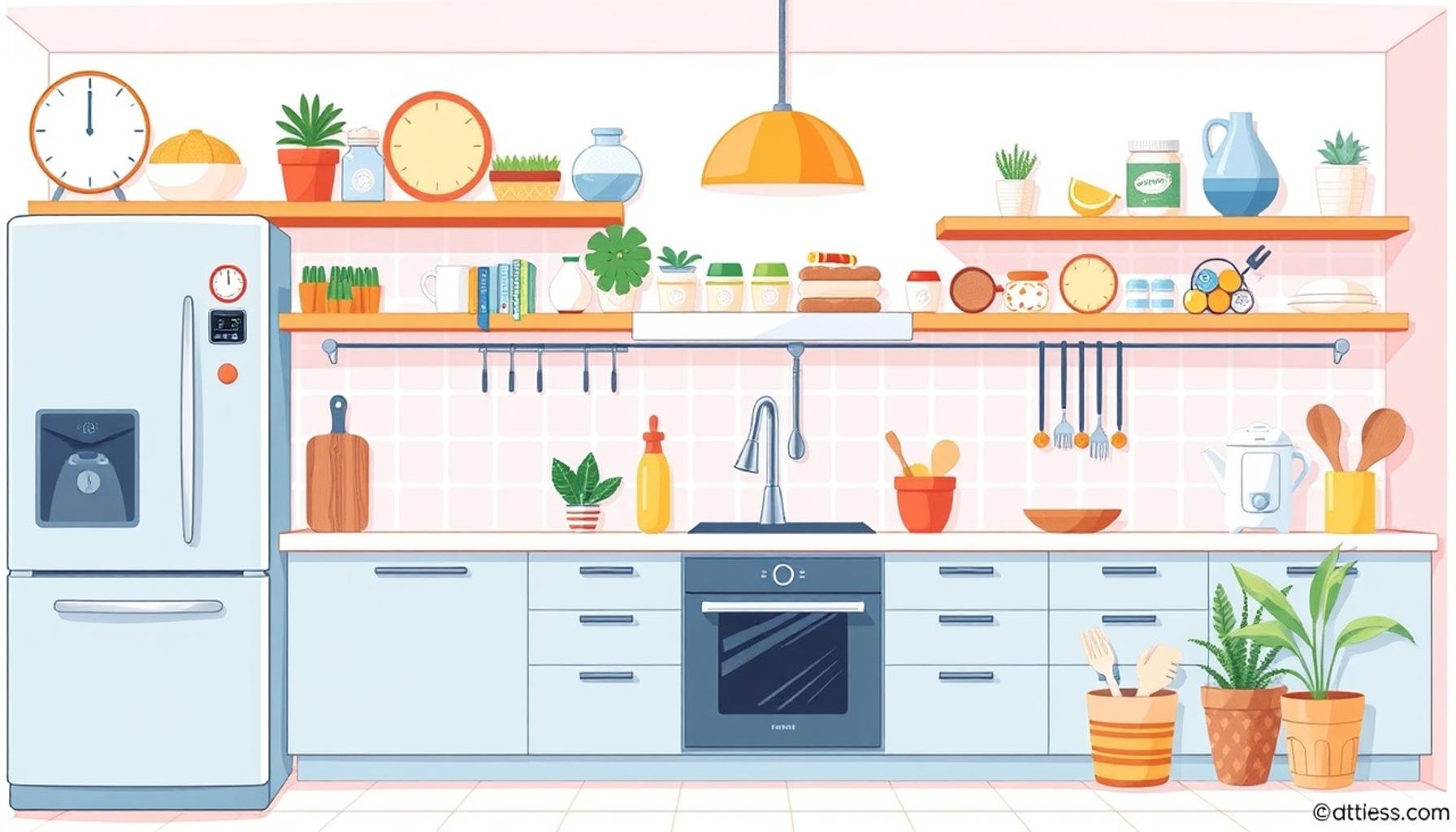
The Importance of Free Space: Creating Functional Environments with Minimalism

The Transformative Impact of Minimizing Clutter
In a world filled with constant stimulation and clutter, free space is often overlooked, yet it holds the potential to transform our environments significantly. Embracing minimalism is not just about discarding unnecessary items; it’s about creating functional environments that enhance our well-being. By delving into this intentional lifestyle, we can cultivate a sense of peace and purpose in our daily lives.
Consider the multitude of benefits that come with adopting a minimalist approach to our surroundings:
- Increased Focus: Reducing distractions allows for greater concentration on tasks. Imagine a workspace where only the essentials are within reach, eliminating the visual clutter that can impede productivity. Research shows that individuals who work in uncluttered spaces can better maintain their attention span and subsequently produce higher-quality work.
- Stress Reduction: A clutter-free environment can significantly lower stress levels. Studies indicate that excessive clutter can create a sense of chaos, leading to feelings of overwhelm. By creating free space in our homes or offices, we pave the way for serenity, allowing us to recharge mentally.
- Enhanced Creativity: Free space encourages innovative thinking and new ideas. Without the restriction of clutter, our minds are free to roam, fostering creativity and problem-solving capabilities. This is particularly crucial in workplaces that thrive on collaboration and innovative thinking.
In the United States, where consumer culture often promotes the accumulation of goods, the call for creating functional spaces has never been more pressing. Many Americans are beginning to recognize the significant impact of their surroundings on mental clarity and emotional stability. For example, popular shows and social media trends encouraging decluttering, such as Marie Kondo’s methods, have sparked a cultural movement toward valuing space over things.
As we dive deeper into the world of minimalism, it becomes clear that managing free space is not merely a design choice but a lifestyle decision that fosters sustainability and growth. For instance, consider the environmental benefits of minimalism: by reducing our consumption of products, we also lessen our ecological footprint, thus promoting a more sustainable way of living.
To cultivate this essential aspect of our living and working areas, start by evaluating what you truly need. Ask yourself questions like, “Does this item add value to my life?” or “Is this item worth the space it occupies?” As we challenge the cultural norm of constant acquisition, we can truly elevate our environments and enrich our lives, leading to a deeper sense of fulfillment and connection with the world around us.
DISCOVER MORE: Click here to dive deeper
The Benefits of Embracing Free Space
The journey towards minimalism begins with a single step: understanding the pivotal role that free space plays in our environments. As our lives become increasingly frenetic, the importance of carving out areas devoid of clutter cannot be underestimated. Free space acts as a canvas, allowing not just for physical movement but also for mental clarity, creativity, and improved emotional health.
Many individuals find that embracing minimalism leads them towards a more intentional lifestyle. Take, for instance, the principles behind the renowned KonMari Method. This decluttering technique encourages individuals to only keep belongings that “spark joy.” When applied rigorously, it effectively reshapes one’s relationship with possessions and unveils the true potential of free space. The following key benefits help illustrate why this movement is gathering momentum:
- Better Time Management: When we streamline our living and working conditions, we reclaim time previously spent looking for misplaced items. A well-organized environment enhances efficiency, enabling us to allocate our time to pursuits that truly matter.
- Improved Mental Health: Numerous psychological studies link clutter with increased anxiety and decreased focus. By minimizing distractions from our surroundings, individuals often report feeling more in control and at peace.
- Positive Lifestyle Changes: Adopting a minimalist perspective encourages us to be mindful consumers. This shift often leads to healthier habits, as we prioritize experiences and connections over material possessions.
The impact of free space extends beyond personal benefits; it reaches into professional territories as well. Many businesses are now adopting minimalistic principles in their office designs, realizing that open, uncluttered spaces foster collaboration and enhance employee satisfaction. According to a 2020 study by the International Journal of Environmental Research and Public Health, workplaces with less visual clutter reported higher job satisfaction rates and improved team dynamics.
As we engage further in the quest for optimal living spaces, it becomes essential to think about not just what to keep, but also how to create functional environments that prioritize balance. Individuals can begin by conducting honest assessments of their current spaces. This involves recognizing the items that truly serve a purpose in their lives and considering the impact of every possession on their daily experiences. Such reflection may herald a broader shift away from consumerism, focusing instead on functional environments that promote well-being and sustainability.
This commitment to maintaining free space is not just a fleeting trend; it embodies a lifestyle oriented towards preservation, simplicity, and mindful living. As we continue to explore the importance of free space and minimalism, we open the door to a new way of thinking—one that emphasizes quality over quantity and invites mental clarity into our busy lives.
The Benefits of Embracing Free Space
In today’s fast-paced world, minimalism is not just a design trend; it represents a transformative approach to living and working in a cluttered society. Creating functional environments with free space allows individuals to enhance productivity, reduce stress, and promote overall well-being. The conscious choice to simplify life is gaining momentum, revealing that less truly can be more.
Utilizing free space means harnessing the benefits of organization and clarity. With fewer distractions, individuals can focus on what truly matters, leading to improved mental clarity. Spaces that are intentionally designed foster creativity and facilitate a sense of calm, proving essential for both personal and professional environments. A minimalist approach encourages the practice of prioritization, allowing people to appreciate their surroundings without the chaos of excess.
Moreover, embracing minimalism encourages sustainability. By deliberately choosing quality over quantity, individuals contribute to a more sustainable lifestyle that benefits both the environment and their own mental health. This approach not only nurtures personal spaces but positively impacts larger ecosystems through reduced consumption and waste.
| Category | Benefits |
|---|---|
| Mental Clarity | Minimalist spaces reduce distractions, enhancing focus and decision-making. |
| Stress Reduction | Open environments promote relaxation and tranquility, essential for mental health. |
As we explore the principles of minimalism, we uncover its impact on the environment, mental health, and lifestyle choices. Each of these aspects contributes significantly to fostering a more intentional and fulfilling life, urging readers to delve deeper into this minimalist journey.
DON’T MISS: Click here to discover helpful techniques
Transformative Power of Free Space in Daily Life
The transformation that free space can ignite is nothing short of remarkable. As individuals embark on their minimalistic journey, the effects ripple throughout all areas of their lives, creating a harmony that extends beyond physical surroundings. This journey often confronts us with the fundamental question: What does it mean to create a functional environment? The answer lies in recognizing how free space can enhance daily interactions and overall life satisfaction.
Adopting free space isn’t merely about emptying rooms or discarding possessions; it’s about fundamentally re-evaluating our needs and habits. Consider how a well-designed, open room can foster an atmosphere that stimulates focus and productivity. A 2021 survey by OfficeSpace Software found that 67% of employees reported feeling more productive in environments with open spaces accompanied by fewer distractions, reinforcing the concept that free space is essential not just in homes but also in work environments.
Moreover, the psychological impact of free space is profound. Cognitive scientist and organizational expert Dr. Brian Wansink has explored the connection between clutter and cognitive load, suggesting that navigating through a cluttered environment can overwhelm our brains. By actively creating and maintaining free spaces, we can promote clearer thinking and more decisive actions. In environments where distraction is minimized, decision-making becomes more straightforward—a crucial advantage in fast-paced lifestyles.
Free space also cultivates opportunities for creativity. Renowned designer and minimalist advocate Marie Kondo asserts that decluttering can lead to heightened creativity, allowing individuals to see their surroundings with fresh eyes. By eliminating excess, people can uncover their passions and focus on what truly brings them joy. For instance, an artist’s studio devoid of distracting items invites a heightened sense of inspiration, pushing them to create more freely. This aligns perfectly with the idea that less is indeed more, a mantra increasingly adapted by those seeking innovative pathways in their personal and professional lives.
Furthermore, the event of minimalism transcends personal choices; it evokes questions of shared responsibilities toward community and environment. Free space also encourages sustainable living practices by promoting the conscious consumption of resources. With major cities across the United States grappling with overpopulation and environmental degradation, the minimalist approach offers a glimmer of hope. Urban residents adopting free space principles tend to be more thoughtful about their ecological footprint, choosing to invest in quality over quantity, embrace local artisanal crafts, and support sustainable businesses.
Essentially, the benefits of cultivating free space extend into community dynamics as well. Neighborhoods that encourage shared communal areas or pop-up parks benefit from residents who value simplicity and connection. Such initiatives can lead to enhanced social interactions, fostering feelings of belonging and collaboration—qualities often hindered by cluttered, chaotic settings.
In exploring the many facets of how free space can enhance our lives, from personal fulfillment to community engagement, it becomes clear that minimalism is not merely a trend. It stands as a powerful philosophy that can profoundly shape our relationship with both ourselves and our environment. As we uncover the layers of this practice, we unlock an abundance of potential, ultimately paving the way for a more harmonious existence.
DISCOVER MORE: Click here for powerful strategies
Exploring the Lasting Impact of Minimalism
In conclusion, the significance of free space transcends mere aesthetics and extends deeply into our everyday lives. Embracing minimalism leads us to reconfigure our environments in ways that promote functionality, enhance our mental clarity, and even encourage ecological mindfulness. As we have seen, creating open, uncluttered spaces is not just about reducing physical items; it’s a transformative approach that allows us to focus on what truly matters—our well-being and the relationships we nurture.
Moreover, the psychological implications of free space cannot be understated. A sense of calm and control emerges when we free ourselves from the constraints of clutter, paving the way for improved mental health and creativity. In turn, this thoughtful approach can resonate within our communities, fostering collaborative spaces and sustainable practices that reflect our shared values as urban dwellers.
As we move forward, let us reimagine the potential of free space—not merely as a personal choice, but as a catalyst for broader societal change. By championing minimalism, we can conduct an ongoing dialogue about our priorities, encouraging others to follow suit. Whether we’re redecorating a room, optimizing our work environments, or engaging our neighborhoods, the principles of minimalism offer a blueprint for a more intentional, thoughtful existence.
The journey toward functional environments through minimalism is not an end goal but a continuous evolution. As you embark on this path, remember the simple power of free space—it opens doors not just to a visually appealing setting, but to a richer, more fulfilling life.
Related posts:
Transforming Multifunctional Furniture: The Art of Maximizing Spaces with Minimalist Design
Creating Smart Storage Solutions: The Intersection of Minimalism and Space Maximization
Minimalism and Sustainability: Strategies for Making the Most of Spaces with Conscious Consumption
Social Spaces: Creating Cozy Environments with Minimalism and Efficiency
How Minimalism Can Help Maximize Space in Small Environments
Minimalist Organization Strategies to Optimize Home Workspaces

Linda Carter is a writer and organization expert specializing in minimalism and personal organization. With extensive experience helping individuals create clutter-free, functional spaces and adopt mindful habits, Linda shares her knowledge on our platform. Her goal is to empower readers with practical advice and strategies to simplify their lives, stay organized, and achieve a sense of calm and balance in their daily routines.