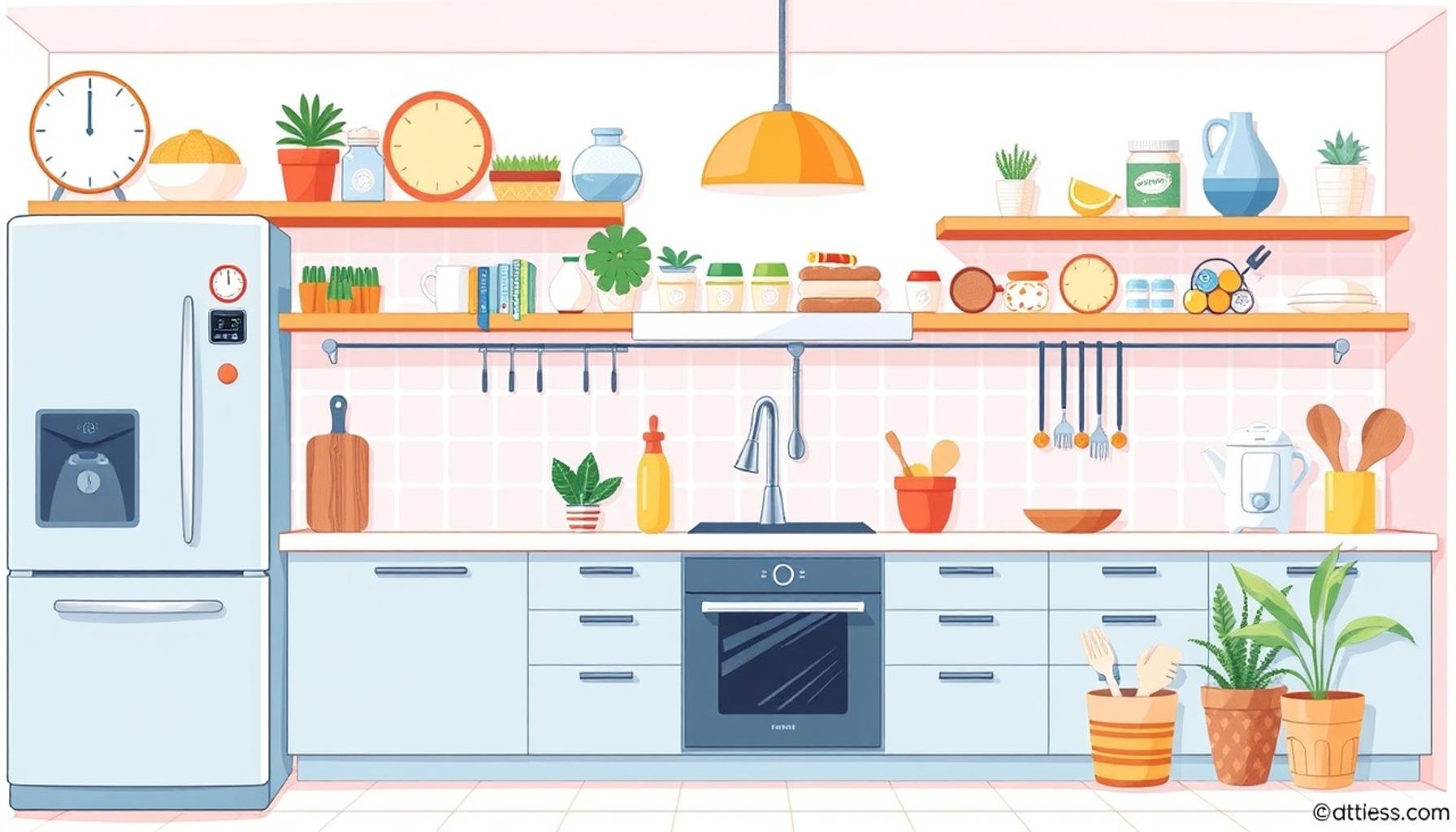
The Art of Detachment: How to Reduce Items to Maximize Space at Home

Transforming Your Space through Minimalism
Living in a cluttered environment can lead to feelings of stress and overwhelm. The physical space we inhabit often mirrors our mental state, creating a direct correlation between clutter and anxiety levels. Maximizing space in your home not only enhances the overall ambiance but also promotes a sense of calm and order. The process of letting go of unnecessary items can pave the way for a more peaceful living experience, making the transition to minimalism a powerful tool for well-being.
Why Detachment Matters
- Improves mental clarity: Studies have shown that a tidy space can significantly affect your focus and productivity. For example, a minimalist workspace can enhance creativity and concentration, allowing for better performance whether you’re working from home or studying.
- Encourages intentional living: Minimalism promotes a thoughtful selection process for the items you keep. By curating your belongings, you make space for objects that hold personal significance and declutter those that do not, thus fostering a more deliberate lifestyle.
- Promotes sustainability: Reducing clutter can encourage you to donate or recycle items, contributing positively to the environment. Organizations like Goodwill and Habitat for Humanity make it easy to give back, ensuring unwanted items serve a new purpose rather than ending up in landfills.
As you embark on this transformative journey, consider the following approaches to reduce items effectively:
- Assess each item’s value in your life. Ask yourself, “Does it serve a purpose?”, “Does it bring joy?” This approach, often associated with Marie Kondo’s philosophy, encourages thoughtful reflection on your possessions.
- Establish a consistent decluttering routine. Dedicate a few minutes each week to tackle a specific area, turning the overwhelming task into manageable chunks. For example, focus on one drawer or one shelf at a time to gradually see progress.
- Maximize functional space with innovative storage solutions. Utilize under-bed storage, multi-functional furniture, or wall-mounted shelving to make the most of your available space, particularly in smaller homes or apartments.
In this article, we will delve into the art of detachment and provide practical tips on how to accomplish a streamlined space in your home. Whether you live in a cozy apartment in Manhattan or a spacious house in the suburbs of Chicago, the ability to reduce clutter is a universal challenge many Americans face. Get ready to explore transformative strategies that can turn your home into a haven of tranquility.
Embracing minimalism not only changes how your space looks but also how you feel within it. As you refine your environment, remember that progress takes time, and the journey towards a clutter-free life is just as important as the destination. The benefits of a simplified lifestyle are immense, offering both personal satisfaction and a vibrant, inviting living space.
DISCOVER MORE: Click here to learn how to manage your time better

Understanding the Process of Letting Go
Embracing minimalism starts with understanding the concept of detachment. This emotional process is often the hardest hurdle to overcome, as it requires you to grapple with your attachments to items that no longer serve you. Recognizing that past memories are not synonymous with physical possessions is fundamental to achieving a clutter-free environment.
Physical items can hold immense value, not just financially, but also sentimentally. However, the process of decluttering involves realizing that many of these items do not contribute positively to your life in the present moment. They may take up valuable space, both physically in your home and emotionally in your mind. This realization leads to the heart of minimalism—the freedom that comes from letting go.
Practical Strategies for Detachment
To master the art of detachment, consider implementing the following strategies:
- Start with a “30-Day Declutter Challenge”: This popular method encourages you to eliminate one item on the first day, two on the second, and so on, for a full month. By the end, you would have reduced your belongings significantly without feeling overwhelmed.
- Utilize the 12-12-12 Rule: Identify twelve items to donate, twelve items to throw away, and twelve items to return to their rightful owner or place. This simple but effective method enables you to make real progress while keeping the task manageable.
- Take a photo, then let go: For those items with strong sentimental value, consider photographing them before letting them go. This allows you to retain the memory without the physical clutter, creating a digital keepsake that occupies no space.
- Focus on quality over quantity: As you begin to let go, prioritize the quality of the items you keep. Invest in fewer, high-quality items that enhance your life, rather than accumulating a plethora of things that merely fill space.
One of the most important aspects of decluttering is to create a timeline that works for you. The goal is not only to remove items but also to cultivate an environment where every aspect serves a purpose. By allowing yourself to feel a sense of pride and accomplishment as you witness your space transform, you remind yourself that letting go can lead to more than just physical space; it can lead to a shift in your overall mindset.
It’s essential to approach the decluttering process with patience and compassion for yourself. Each individual’s journey towards minimalism is unique, and the goal is progress, not perfection. As you embark on this path, remember that every item you choose to detach from brings you closer to the peaceful, organized home you envision.
| Advantages of Detachment | Key Features |
|---|---|
| Increased Space | By reducing clutter, you can create a more open and breathable environment. |
| Enhanced Focus | A minimalist setting helps to improve concentration and mental clarity, allowing you to focus on what truly matters. |
The journey of detachment emphasizes the importance of evaluating the necessity of your belongings. Each item in your home demands attention, and reducing this load can facilitate a more peaceful lifestyle. Consider the emotional baggage attached to physical objects; understanding this can illuminate the path to a more liberated existence.Moreover, practicality is a crucial element when applying the Art of Detachment. Begin by categorizing items into those you use regularly and those that merely take up space. Engaging in this exercise is not just about decluttering; it’s a gateway to self-discovery and resource management, ultimately guiding you towards a well-organized life. As you explore various methods, such as the KonMari method or the four-box technique, remember that the aim is not only to clear your space but also to gain a clearer mind. Learning to let go enables you to maximize the efficiency of your living environment while enhancing the overall aesthetic appeal of your home. Embrace the concept that less is indeed more, and the results can be transformational.
DISCOVER: Click here to simplify your digital life
Creating a Clutter-Free Mindset
The act of decluttering goes beyond merely removing items from your home; it is fundamentally about cultivating a clutter-free mindset. This perspective shift is crucial for ensuring that as you reduce physical possessions, you also reinforce your decision to embrace minimalism. By focusing on the emotional and mental aspects of detachment, you can forge a more intentional relationship with your possessions.
Consider the idea that every item in your home comes with a responsibility. It requires cleaning, maintaining, and ultimately finding a place for it. As you reduce these responsibilities through detachment, you will find more time and energy to allocate to the things that truly matter—relationships, hobbies, and personal growth. In fact, studies show that a less cluttered environment can enhance focus, reduce stress, and improve overall mental well-being.
Mindfulness Practices for Decluttering
Incorporating mindfulness into your decluttering process can greatly enhance your ability to detach from items. Here are some effective practices:
- Visualize your Ideal Space: Picture what you desire your living space to look like. This visualization acts as a guiding light for your decluttering journey, offering motivation to let go of items that don’t fit into that vision.
- Set Intentions: Before starting a decluttering session, take a moment to set clear intentions. Whether it’s “I want a peaceful living room” or “I desire a more organized kitchen,” having specific goals helps maintain focus.
- Practice Gratitude: Acknowledge the role that each item has played in your life before you let it go. Expressing gratitude can make the process less emotional and more empowering, helping you appreciate the memories without needing to hold on physically.
- Breath and Reflect: During the decluttering process, take breaks to inhale deeply and reflect on your feelings as you let go of items. This practice not only enhances mindfulness but also allows for emotional processing, making it easier to continue.
In addition to mindfulness, understanding the psychological barriers to letting go can further bolster your decluttering efforts. Emotional ties to possessions often stem from fear of loss, nostalgia, or even a sense of identity wrapped up in certain items. Acknowledging these barriers is the first step in overcoming them. By confronting the reasons behind your attachment, you can gradually distance yourself from those items and reduce their grip on your life.
Moreover, you may find that releasing physical items can spur emotional releases as well. Some individuals report feelings of liberation and empowerment as they watch their homes transform. Taking notice of these positive emotions reinforces your journey and motivates ongoing decluttering, keeping your home space serene and functional.
Sustaining a Minimalist Lifestyle
Once you have mastered the initial decluttering, the challenge lies in maintaining this newfound minimalist lifestyle. Evaluate your purchasing habits and consider implementing a one-in, one-out rule. For every new item acquired, commit to letting go of an existing one. This balance will ensure that your space remains uncluttered and that your items retain their value.
Finding community support can also be valuable. Engaging in local swap events, online minimalism groups, and even swapping with friends can offer motivation and accountability. The shared experiences found in these environments often inspire continued growth in your minimalist journey.
Ultimately, the art of detachment is about creating a life centered around intentionality and clarity. As you cultivate this skill within yourself, you would likely find more than just breathing room in your home; you would also discover a greater sense of peace and fulfillment in your personal life.
DISCOVER MORE: Click here to learn how minimalism enhances sustainability
Conclusion: Embracing the Freedom of Detachment
In conclusion, mastering the art of detachment is not just about reclaiming physical space in your home; it’s about embracing a lifestyle that prioritizes what truly matters. By adopting a clutter-free mindset, you cultivate a more intentional relationship with your possessions, allowing you to focus on experiences, relationships, and personal well-being. The transformative journey of decluttering enhances your environment and promotes a positive psychological state, reducing feelings of stress and anxiety.
Implementing mindfulness practices during your decluttering sessions empowers you to let go of emotional attachments while appreciating the role items have played in your life. By recognizing the psychological barriers that hinder your ability to detach, you not only facilitate a smoother decluttering process but also release emotional burdens, paving the way for a more liberated existence.
As you navigate your minimalist journey, remember that sustaining an uncluttered lifestyle requires ongoing commitment and mindfulness. Strategies such as the one-in-one-out rule and seeking community support can keep you accountable and motivated, ensuring that your living space remains a sanctuary of peace. Ultimately, this art of detachment fosters more than just physical space; it enriches your life with clarity, purpose, and a profound sense of fulfillment. For those ready to embark on this transformative path, the reward lies in a home that serves as a reflection of your values and aspirations.
Related posts:
Minimalism and Sustainability: Strategies for Making the Most of Spaces with Conscious Consumption
Transforming Multifunctional Furniture: The Art of Maximizing Spaces with Minimalist Design
Creating Smart Storage Solutions: The Intersection of Minimalism and Space Maximization
The Power of Open Spaces: How Minimalism Contributes to the Maximization of Environments
Social Spaces: Creating Cozy Environments with Minimalism and Efficiency
How Minimalism Can Help Maximize Space in Small Environments

Linda Carter is a writer and organization expert specializing in minimalism and personal organization. With extensive experience helping individuals create clutter-free, functional spaces and adopt mindful habits, Linda shares her knowledge on our platform. Her goal is to empower readers with practical advice and strategies to simplify their lives, stay organized, and achieve a sense of calm and balance in their daily routines.