Spatial Organization: Creating Calm and Functional Environments with Minimalism

The Importance of Rethinking Your Spaces
In a fast-paced world filled with distractions, the concept of spatial organization emerges as a beacon of tranquility. The environment around us profoundly influences our mood, productivity, and overall well-being. Harnessing the principles of minimalism allows individuals not just to declutter but to create environments that are aesthetically pleasing and highly functional.
Consider the myriad reasons for rethinking your spaces. First and foremost is the reduction of clutter. Clutter can serve as a significant distraction and can often lead to feelings of anxiety. By adopting a minimalist approach, you prioritize essential items, reducing the chaos that can quickly accumulate. Think about your desk at work; a clean, organized workspace can reduce stress and elevate your focus, allowing you to tackle your tasks with renewed energy.
Another prominent reason is the enhanced serenity that comes with a well-organized space. Quiet, uncluttered environments contribute to mental peace and emotional stability. Research has shown that individuals who spend time in serene settings experience lower stress levels. Designing a peaceful nook at home, perhaps with soft lighting and some houseplants, can become a sanctuary for retreating from the world.
Boosting Productivity and Well-Being
The layout of our spaces is crucial in defining how we interact with our surroundings. Increased productivity is another compelling reason to embrace spatial organization. A well-organized environment can promote concentration and efficiency. For instance, if your kitchen is neatly arranged with essential utensils and pantry items categorized, cooking becomes less of a chore and more of an enjoyable activity.
Moreover, the impact on well-being cannot be overstated. Studies suggest that organized spaces are linked to improved physical and mental health. Living in a clutter-free home can reduce stress and depression, while also possibly fostering healthier habits. With fewer items around to maintain, you’ll find that your home is easier to clean, which leads to simplified maintenance. This means less time spent tidying up and more time spent on things you love or that rejuvenate you, like pursuing hobbies or spending quality time with family.
Creating a Culture of Satisfaction
Finally, organizing your space can lead to greater satisfaction with your environment. When you appreciate your surroundings, you’re more likely to feel motivated and happy. Taking the time to arrange your personal space or even your office to reflect your preferences and needs can significantly boost your mood. Embrace the colors and styles that resonate with you, turning your environment into a canvas of personal expression.
As we delve deeper into the relationship between minimalism and spatial organization, you’ll discover practical strategies to cultivate tranquility and functionality within any environment. Whether it’s the gentle decluttering of a bedroom or the mindful arrangement of a workspace, these changes can inspire and empower. Embrace the journey towards creating calm spaces that not only look good but also feel good.
DISCOVER MORE: Click here to dive deeper
Transforming Spaces Through Minimalism
Minimalism is often seen as a lifestyle choice, but when applied to spatial organization, it becomes a powerful tool for creating calm and functional environments. By stripping away the excess, we can focus on the essentials—those items and layouts that truly contribute to our well-being. The first step in this journey is adopting a mindset of intentionality. Instead of merely reorganizing, consider what you genuinely need in each space. This conscious decision-making not only simplifies your environment but also enriches your life.
A key component of effective spatial organization is understanding the flow of movement within a space. Whether it’s in our homes or workplaces, the way we navigate our surroundings can significantly affect our daily routines. To optimize flow, consider the following elements:
- Define Purpose: Ensure that each room serves a specific purpose. A home office, for instance, should be designated for focus and productivity, while a living room can be a place for relaxation and social interaction.
- Designate Zones: Within larger spaces like open-plan living areas, create distinct zones for different activities. Use rugs, furniture arrangement, or even lighting to visually separate spaces, fostering a sense of organization.
- Evaluate Accessibility: Key items should be easily accessible. For example, kitchen utensils should be stored near cooking areas, while bookshelves should be positioned conveniently for reading nooks.
Moreover, natural light plays a vital role in spatial organization. It not only enhances the aesthetic appeal of a space but also boosts mood and productivity. Consider how you can bring more light into your environment. Large windows, reflective surfaces, and strategically placed mirrors can enhance the brightness of a room, contributing to a more inviting atmosphere.
The Psychology of Decluttering
Beyond the physical benefits of spatial organization, there is a profound psychological component. Numerous studies underscore the link between clutter and cognitive load. Simply put, the more items we have around us, the more overwhelmed we may feel. This cognitive overload can stifle creativity and reduce focus. By consciously choosing to declutter and streamline our spaces, we are essentially aiding our mental clarity.
But decluttering doesn’t have to be an arduous task. Incorporate small, manageable steps into your routine. Start with one drawer or one corner of a room each week, gradually expanding as you gain momentum. This approach not only makes the process less daunting but also allows you to build a sustainable organization habit over time.
Nurturing a minimalist approach to spatial organization opens the door to serenity and functionality in our daily lives. When we prioritize essential elements in our spaces, we not only create environments that bring us peace but also foster a greater appreciation for our belongings. This intentionality leads to more thoughtful interactions with our surroundings, resulting in a more satisfying and enriched lifestyle.
| Advantages | Significance |
|---|---|
| Improved Mental Clarity | A minimalist environment reduces distractions, leading to enhanced focus and creativity. |
| Enhanced Aesthetic Appeal | Minimalism promotes clean lines and simple color schemes, creating visually pleasing spaces. |
| Simplified Living | Fewer possessions and decor elements lead to easier maintenance and a stress-free lifestyle. |
| Increased Functionality | Thoughtful spatial organization allows for better use of spaces and promotes a more efficient flow. |
The practice of rearranging spaces using the principles of minimalism enhances not only the aesthetic but also the emotional well-being of individuals. With fewer elements competing for attention, you experience greater serenity. Similarly, decluttering your environment can lead to increased productivity, making it easier to carry out daily tasks without the burden of excess. As more people seek tranquility in their lives, the idea of spatial organization through minimalist design becomes increasingly relevant. Imagine coming home to a space that reflects calmness—where every object has a purpose and every room serves its function without unnecessary chaos. By embracing minimalism, you are not just transforming your space; you are inviting balance and functionality into your everyday experience.
DIVE DEEPER: Click here to uncover the benefits of saying no
Embracing Functionality for Everyday Living
As we delve deeper into the realm of spatial organization, it’s essential to consider the concept of functionality. A minimalist environment isn’t just aesthetically pleasing; it should serve a purpose that enhances our daily lives. One practical strategy in this context is the One In, One Out Rule. This simple principle encourages us to assess our purchases critically—whenever we bring a new item into our space, we must remove another. This practice not only prevents accumulation but also invites us to engage meaningfully with our possessions.
An often overlooked component of minimalism is the importance of multi-functional furniture. By investing in versatile pieces, we can significantly optimize space. For instance, a coffee table that doubles as storage or a sofa bed can help maintain an uncluttered appearance while providing essential utility. Such items enable us to adapt our environments based on current needs, supporting both relaxation and productivity.
Creating Calm through Color and Texture
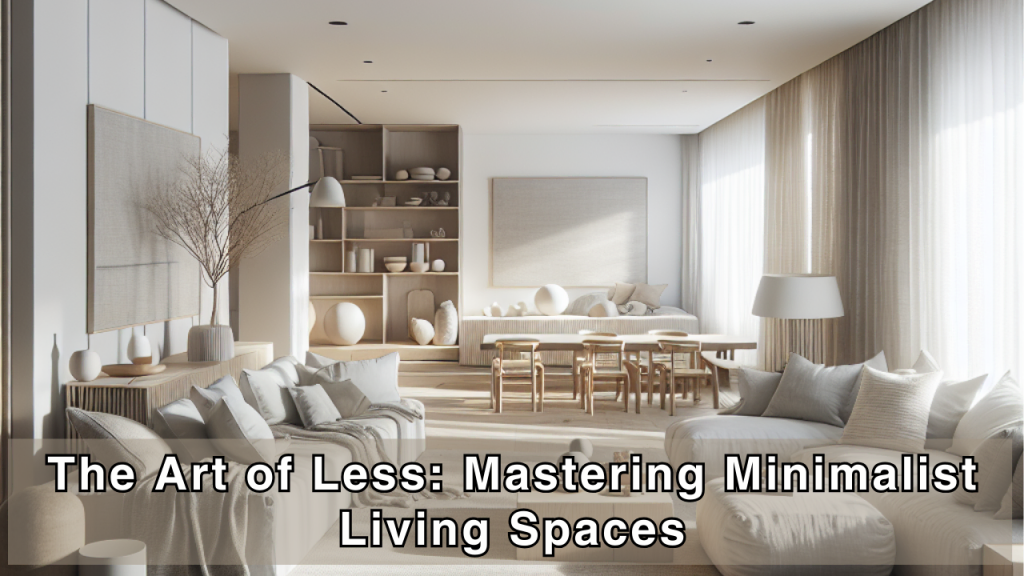
Color and texture play pivotal roles in shaping the ambiance of a space. In a minimalist setting, opting for a neutral color palette can create a sense of tranquility and openness. Shades like whites, beiges, and gentle grays reflect light more effectively, making areas feel larger and more inviting. Incorporating a few well-chosen accent colors—like soft greens or blues—can evoke feelings of nature, promoting a calming atmosphere. According to color psychology, these colors can enhance creativity and reduce stress levels, highlighting the emotional benefits of minimalist spatial organization.
Texture is another layer that adds depth without overwhelming the senses. Layering different materials—such as soft textiles, smooth ceramics, or rough woods—can introduce sophistication and warmth to a minimalist environment without cluttering it visually. For example, a simple linen throw on a leather sofa or a wooden bowl on a concrete table can contribute both to visual appeal and tactile experience.
The Role of Digital Minimalism
In our increasingly digital world, spatial organization extends beyond the physical realm. Digital minimalism is a growing trend that encourages us to simplify our online lives as well. This entails streamlining our devices and digital files, removing unnecessary apps, and organizing digital photos and documents systematically. The benefits are profound: a cluttered digital space can prompt similar feelings of overwhelm as a cluttered physical space. Studies indicate that a well-organized digital environment can improve focus, productivity, and even mental clarity.
In homes, incorporating technology that supports minimalism can also enhance functionality. For instance, a smart thermostat or lighting system can help manage energy efficiently, reducing reliance on physical controls that can clutter a space. Furthermore, digital calendars and task management apps can support organization by keeping all important appointments and tasks in one accessible location.
As we navigate the complexities of modern life, embracing minimalist spatial organization not only simplifies our environments but also invites a deeper awareness of our interactions with our space. The intentionality behind design choices lays the groundwork for a lifestyle that values calm, clarity, and functionality, encouraging us to cultivate a balanced relationship with our surroundings.
DISCOVER MORE: Click here to dive deeper
Final Thoughts on Spatial Organization and Minimalism
In conclusion, the journey towards spatial organization through minimalism offers a transformative approach to creating calm and functional environments. By prioritizing functionality, whether through the One In, One Out Rule or investing in multi-functional furniture, individuals can cultivate spaces that genuinely serve their needs. This intentionality not only streamlines physical surroundings but also fosters a deeper appreciation for our belongings, encouraging meaningful interactions with our possessions.
The significance of color and texture cannot be overstated in shaping the atmosphere of a minimalist space. Leveraging a neutral color palette alongside carefully selected textures can evoke serenity, inviting clarity and openness into our lives. Such mindful choices have emotional repercussions, aiding in stress reduction and enhancing creativity, which are particularly valuable in a fast-paced society.
Furthermore, as we embrace the principles of digital minimalism, we begin to understand that organization extends beyond the physical realm. A decluttered digital environment not only promotes focus but also echoes the calming effects of minimalist design in our physical spaces. As technology continues to influence our lives, integrating smart solutions can further simplify our experiences, keeping clutter at bay and efficiency at the forefront.
Ultimately, spatial organization through minimalism is more than just a design philosophy; it is a holistic approach to enhancing our quality of life. By simplifying our environments, we can create a sanctuary that nurtures tranquility and functionality, empowering us to lead more balanced and fulfilling lives. Embrace minimalism, and start the journey towards a more organized, calm, and purposeful existence.
Related posts:
Simplicity in Routine: Practical Tips for Incorporating Simple Living into Daily Life
Simple Living as a Sustainability Strategy: Living with Less to Protect the Planet
Minimalist Organization: Creating Calm and Functional Spaces at Home
Simple Living in Family: Building Stronger Bonds with Fewer Distractions
The Impact of Simple Living on Mental Health and Well-Being
Digital Minimalism: Detoxing Your Online Life for a More Meaningful Experience

Linda Carter is a writer and organization expert specializing in minimalism and personal organization. With extensive experience helping individuals create clutter-free, functional spaces and adopt mindful habits, Linda shares her knowledge on our platform. Her goal is to empower readers with practical advice and strategies to simplify their lives, stay organized, and achieve a sense of calm and balance in their daily routines.