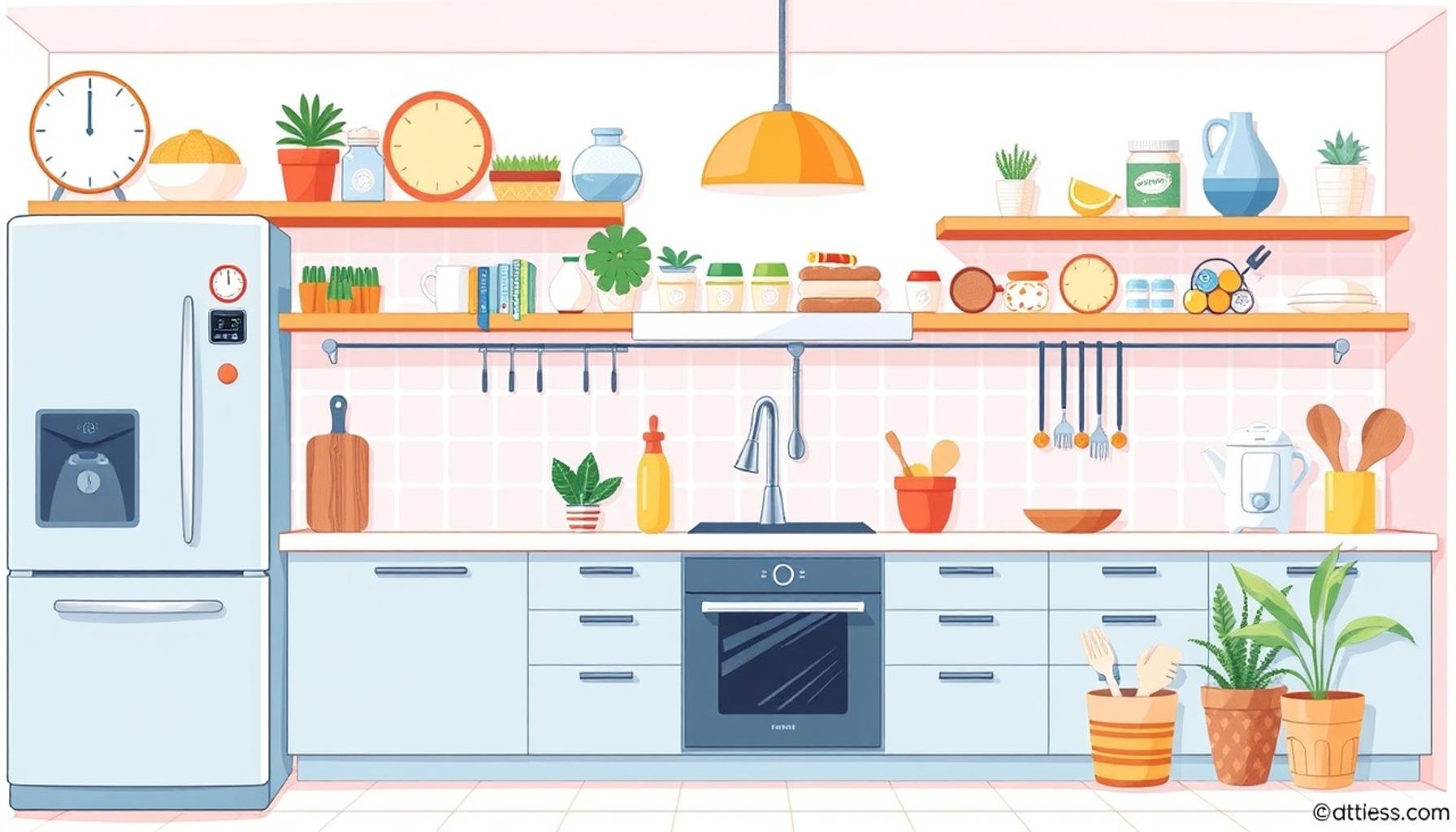
Social Spaces: Creating Cozy Environments with Minimalism and Efficiency
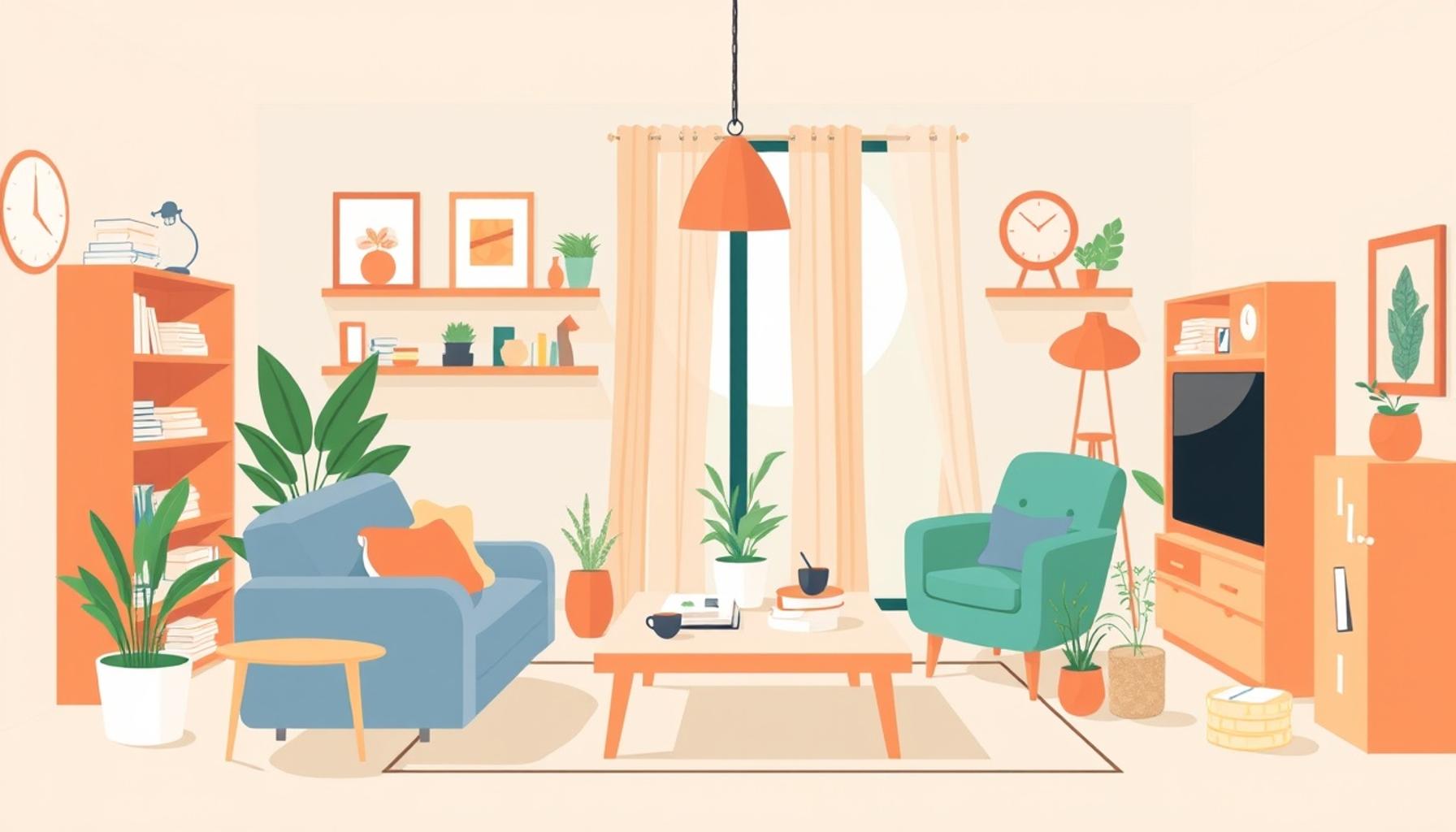
Creating Environments that Welcome and Inspire
In today’s fast-paced world, the value of social spaces cannot be overstated. These areas are essential not only for relaxation but also for fostering connections among friends, family, and communities. Given the hustle and bustle of modern life, creating environments that encourage interaction and engagement has become increasingly important. It’s worth exploring how minimalism and efficiency can play critical roles in transforming these environments into cozy havens that invite more meaningful connections.
The essence of designing inviting social spaces lies in simplicity. Adopting a minimalist approach not only declutters the physical space but also clears mental space, allowing for genuine interactions. Here are some key principles to consider:
- Declutter: A first step to creating an inviting environment is to remove unnecessary items that divert attention. Studies show that clutter can create feelings of stress, making it difficult to relax. Focus on what truly matters—whether it’s a comfortable chair or a beautiful work of art that sparks conversation.
- Functional Layout: The layout of a space plays a fundamental role in social dynamics. Design for movement and interaction by arranging furniture to foster conversation. For instance, a circular seating arrangement encourages inclusivity during discussions, while a more linear setup can feel alienating. It’s essential to make the space adaptable for various gatherings, whether it’s an intimate dinner party or a lively game night.
- Comfortable Seating: Choosing the right furniture is paramount. Opt for seating that encourages long conversations—like plush sofas or oversized armchairs. The right choice can create an atmosphere that feels welcoming and inviting, inviting guests to linger a little longer.
Incorporating elements of nature can enhance the atmosphere significantly. Nature not only beautifies a space but also has positive effects on mood and well-being. Consider the following:
- Natural Light: Strategically placed windows or skylights can pour sunlight into a room, brightening and warming the space. Research shows that exposure to natural light boosts mood and productivity—vital elements in a social environment.
- Plants: Adding greenery is a simple yet effective way to promote tranquility while also improving air quality. Plants such as succulents, ferns, or even small fruit-bearing trees can bring life to a space, sparking conversation and creating an invigorating atmosphere.
- Color Palette: The colors we choose can create a significant impact on mood. Using soft, earthy tones such as greens, browns, and muted hues can help create a soothing and warm environment, making everyone feel more at ease.
Delving deeper into methods of creating cozy and efficient social spaces reveals how these strategies not only elevate aesthetics but also enhance functionality. Lighting can play a major role beyond natural light; consider using warm lamps or string lights to establish an inviting, laid-back atmosphere during evening gatherings. Furthermore, incorporating interactive elements like board games or art supplies can encourage engagement and facilitate connections among visitors. Ultimately, this is your guide to achieving harmony between comfort and style, fostering environments where relationships flourish.
DISCOVER MORE: Click here to delve deeper
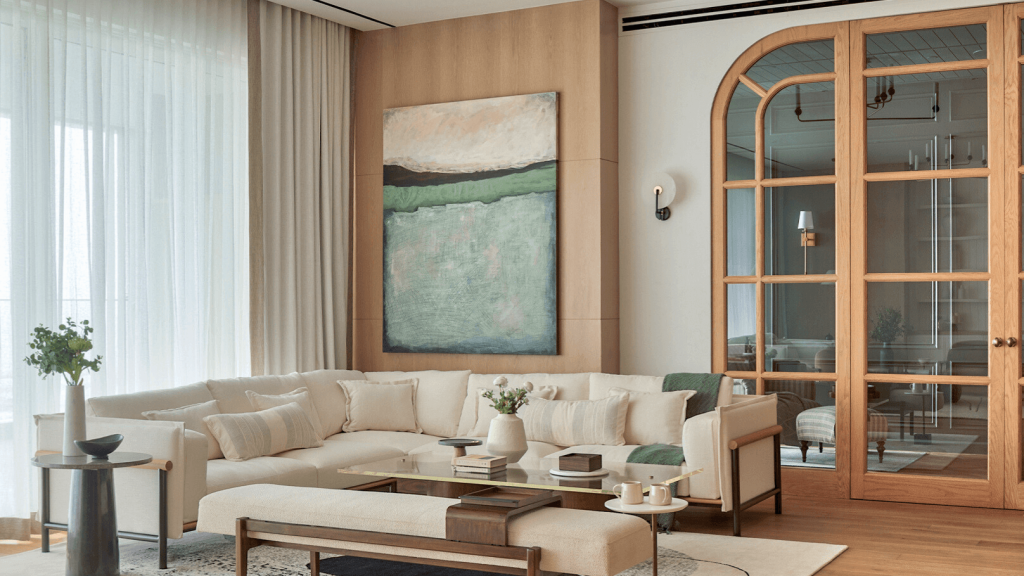
Emphasizing Functionality and Aesthetic in Design
As we explore the creation of cozy social spaces, it becomes clear that minimalism and efficiency are not just trends but essential principles aimed at enhancing the way we interact. The incorporation of practical design elements can foster an environment that is both visually appealing and conducive to engagement. To achieve this balance, several strategies can be implemented to reinforce the functionality of a space while preserving its aesthetic qualities.
- Multi-functional Furniture: Choosing furniture pieces that serve more than one purpose is a key strategy in maximizing space. For example, an ottoman that doubles as storage can help maintain a clutter-free environment while providing additional seating when needed. Similarly, a folding table can accommodate varying numbers of guests, ensuring flexibility for different social occasions.
- Smart Technology: Embracing technology can greatly enhance the efficiency of social spaces. Smart lighting systems allow individuals to adjust brightness based on the time of day or activity, creating the perfect atmosphere for relaxation or lively gatherings. Moreover, integration of sound systems can subtly elevate the ambiance, making it easier to focus on conversation without overpowering background noise.
- Open Flow: An open floor plan encourages movement and connection between different areas of a social space. By minimizing barriers—like walls or bulky furniture—designers can create an environment that promotes fluid interaction. For instance, a small bar cart placed in the living area can invite guests to help themselves, fostering a more relaxed and engaging atmosphere.
In addition to these functional considerations, the importance of personal touches cannot be overlooked when creating cozy social spaces. Personalizing a space with art, photographs, or artifacts tells a story and opens the door to conversations among guests. These elements contribute to a warm ambiance and can make standard social areas feel like true homes. It’s these little nuances that resonate with visitors, creating memories and connections that last beyond the gathering.
Moreover, understanding that every space is unique enables individuals to tailor these principles to suit their needs. While minimalism emphasizes simplicity, being efficient doesn’t mean sacrificing character. Instead, it invites the intentional selection of elements that truly resonate with an individual’s lifestyle and relationships. For example, integrating local art or handmade decor not only supports community artists but also nurtures a sense of belonging and authenticity.
As we delve deeper into the concept of social spaces, it becomes evident that marrying minimalism with efficient design does more than optimize physical areas—it profoundly affects our social interactions. These thoughtfully designed environments invite open conversations, communal bonding, and ultimately, a greater appreciation for the moments we share with loved ones.
Exploring Minimalism in Social Spaces
Minimalism is more than just a design trend; it is a lifestyle choice that emphasizes simplicity and functionality. When creating social spaces, the principles of minimalism can help in designing environments that foster connection and comfort. By focusing on essential furnishings and eliminating clutter, you create a serene atmosphere that invites interaction and engagement.
The Power of Efficient Design
Efficiency is crucial in social spaces, especially in urban settings where every square foot counts. Utilizing multipurpose furniture such as convertible sofas or stackable chairs allows for flexibility in layout, enabling the space to adapt to different needs and activities. This adaptability contributes to a dynamic environment where people can comfortably socialize, work, or relax.
The Importance of Color and Texture
The choice of color and texture plays a vital role in how cozy a social space feels. Warm tones and soft textures can evoke a sense of warmth and belonging. Incorporating natural elements like wood and plants not only adds beauty but also contributes to a calming atmosphere. The right design choices invite individuals to linger longer, enhancing the overall social experience.
Emphasizing Personal Connection
Incorporating areas specifically designed for conversation, such as intimate seating arrangements or communal tables, encourages interpersonal connection. By designing social spaces that promote interaction, we foster community and nurture relationships. Remember, the goal is to create inviting environments that prioritize comfort and functionality without overwhelming the senses.
| Category | Description |
|---|---|
| Cozy Environment | Using warm lighting and soft textiles creates an inviting space. |
| Efficiency | Multipurpose furniture maximizes space and functionality. |
Conclusion
By understanding the interplay between minimalism and efficiency, we can create social spaces that not only serve a purpose but also enrich the human experience. Exploring these elements fosters a deeper connection among individuals while enhancing the overall aesthetic of shared environments.
DIVE DEEPER: Click here to learn more
Incorporating Nature for Enhanced Comfort
Alongside functional and aesthetic considerations, bringing elements of nature into social spaces can significantly augment feelings of warmth and tranquility. Biophilic design, which emphasizes the connection between humans and nature, plays a pivotal role in crafting cozy environments. This principle not only elevates the visual appeal of a space but also positively influences mental well-being. Here are some effective ways to seamlessly blend nature into social settings:
- Indoor Plants: Adding greenery to social areas can enhance air quality and contribute to a relaxed ambiance. Potted plants such as snake plants, pothos, or peace lilies not only fit well within minimalist design but also require minimal maintenance. By strategically placing these plants near seating areas or windows, the space becomes inviting and vibrant, encouraging social interactions.
- Natural Light: Maximizing natural light is crucial for creating a warm atmosphere. Large windows, skylights, and open spaces that allow sunlight to penetrate can foster a sense of openness and connection to the outside world. When people can see and enjoy nature from the comfort of their social spaces, it enhances mood and invites more interaction among guests.
- Natural Materials: Incorporating materials such as wood, stone, and cotton can ground the design in nature, adding texture and warmth. For instance, a reclaimed wood dining table can become the centerpiece of a gathering space, evoking a sense of sustainability while facilitating genuine interactions. In a minimalist context, these materials can emphasize simplicity and authenticity while providing comfort.
Furthermore, the arrangement of seating can also influence the vibe of a social space. Creating intimate seating arrangements, such as semi-circle setups or clustered chairs, promotes conversation and engagement. Instead of traditional rows or formal arrangements, these layouts encourage a more natural flow, allowing people to connect easily and freely. Incorporating soft textiles in seating options also adds comfort while maintaining a minimalist aesthetic.
Balancing Personalization with Cohesion
While personalization is essential to making a social space feel cozy, it’s equally important to maintain a sense of cohesion throughout the design. Striking the right balance means avoiding clutter while still showcasing personal style. Curated collections of art or a gallery wall can highlight cherished memories without overwhelming the space.
The use of color plays a significant role in uniting diverse elements within a room. Soft, neutral tones can create a calming backdrop, allowing personal items to shine without clashing. Alternatively, incorporating one or two accent colors through decor can unify the space and evoke a welcoming aura. Paintings, decorative cushions, or throws can provide warmth and character, making the space feel like home.
Moreover, considering the social dynamics of the space is essential. For instance, if a space is predominantly used for family gatherings, integrating elements that encourage games or shared activities—like a versatile coffee table or a board game display—can enhance the experience. Creating environments that serve specific purposes can streamline interactions and stimulate connection.
As the conversation around social spaces continues to evolve, it’s clear that minimalism and efficiency are key to crafting environments that not only serve a functional purpose but also evoke comfort and warmth. Through thoughtful design choices that prioritize both people and aesthetics, social spaces can become invaluable settings for fostering connections and creating lasting memories.
DISCOVER MORE: Click here for tips on decluttering your space
Achieving Harmony in Social Spaces
In conclusion, the journey towards creating cozy environments through minimalism and efficiency is a harmonious blend of thoughtful design, personal expression, and the integration of nature. By embracing the principles of minimalism, individuals can cultivate spaces that are not only aesthetically pleasing but also functional and inviting. The addition of natural elements, such as indoor plants and natural light, plays a crucial role in enhancing the overall ambiance, promoting a sense of tranquility and wellbeing amongst users.
Moreover, balancing personalization with cohesion further elevates these spaces, ensuring they resonate with the individual while fostering a warm, inviting atmosphere for gatherings. Using neutral colors and carefully selected decor allows personal touches to shine, creating an environment rife with character and comfort without overwhelming the senses. The arrangement of seating and the incorporation of activities also facilitate connections among people, making social interactions seamless and enjoyable.
Ultimately, as we navigate the ever-evolving concept of social spaces, it becomes imperative to prioritize not just the aesthetic but also the emotional comfort they provide. By exploring the principles discussed, readers can embark on their journey towards designing spaces that truly connect individuals and encourage meaningful relationships. In a world leaning towards fast-paced living, these thoughtfully curated environments stand as a sanctuary for connection, reminiscence, and shared moments.
Related posts:
Minimalist Organization Strategies to Optimize Home Workspaces
The Power of Open Spaces: How Minimalism Contributes to the Maximization of Environments
How Minimalism Can Help Maximize Space in Small Environments
Minimalist Closet Organization: Techniques to Maximize Storage Space at Home
Minimalism and Sustainability: Strategies for Making the Most of Spaces with Conscious Consumption
Minimalism in the Kitchen: Tips for Organizing and Maximizing Space in a Multifunctional Environment

Linda Carter is a writer and organization expert specializing in minimalism and personal organization. With extensive experience helping individuals create clutter-free, functional spaces and adopt mindful habits, Linda shares her knowledge on our platform. Her goal is to empower readers with practical advice and strategies to simplify their lives, stay organized, and achieve a sense of calm and balance in their daily routines.