Practical Strategies for Decluttering Your Home and Mind
The Importance of Decluttering
In today’s fast-paced world, clutter can seep into every corner of our lives. It not only fills our physical spaces but can also overwhelm our minds. The good news is that there are practical strategies to tackle both the clutter in your home and the chaos in your mind.
Consider these common sources of clutter that most people encounter:
- Unwanted gifts from family or friends can accumulate, leaving you feeling guilty about letting them go while taking up valuable space.
- Expired items in your kitchen or medicine cabinet, which often include canned goods long past their prime or half-empty prescription bottles, can pose both health doubts and organizational dilemmas.
- Digital clutter from old emails or files, which can make it difficult to locate important documents or keep your digital life organized.
Beyond Simple Cleaning
Decluttering is about more than just cleaning; it’s a transformative process that enables you to regain control and create a peaceful environment. Research shows that a tidy space can significantly reduce stress and anxiety levels. Implementing strategies such as:
- The one-in-one-out rule: For every new item you bring home, let go of an old one. This principle can help attendees at parties manage excess items—think how many coffee mugs you may have accumulated.
- Setting aside 15 minutes a day: Spending just a quarter of an hour each day to organize can yield significant results over time, ultimately leading to a major impact in the long run.
- Creating designated spaces: Ensure everything has a spot to reduce mess and stress. For example, a designated “inbox” for mail can prevent papers from cluttering every available surface in your home.
Clearing Mental Clutter
Moreover, adopting a decluttered mindset is equally crucial. Techniques like mindfulness meditation have been shown to clear mental clutter. Just a few minutes of mindfulness practice each day can help in streaming stress and enhancing focus, allowing you to approach tasks with renewed clarity.
As you embark on this journey toward decluttering, remember that every little step counts and contributes to a greater sense of clarity and peace. It’s not merely about aesthetics but improving your overall well-being and mental health.
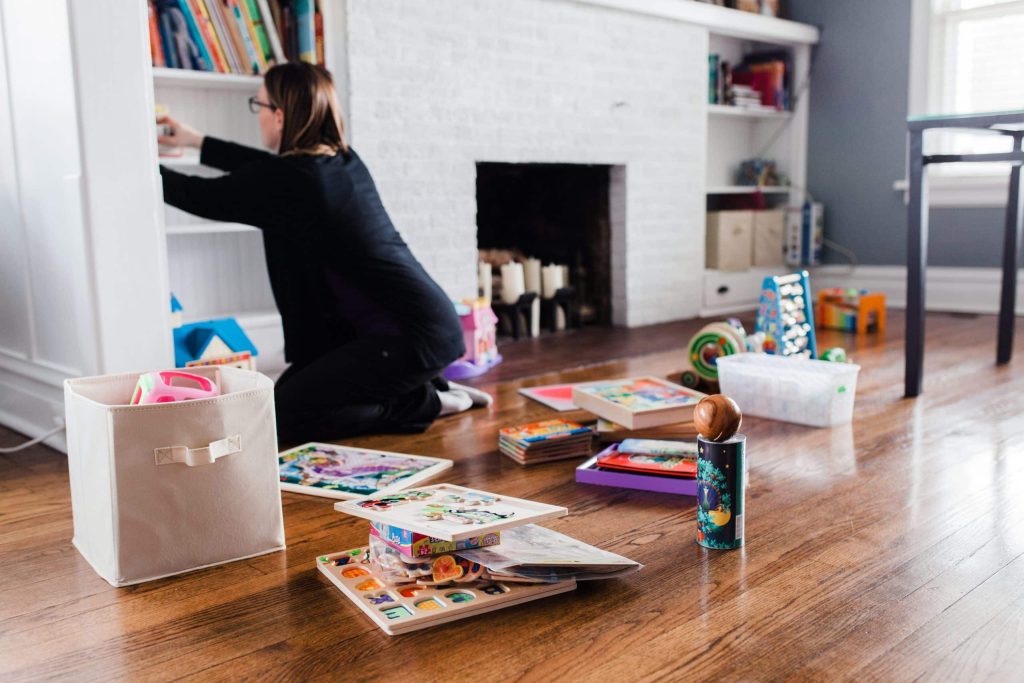
By embracing these strategies for decluttering, you’ll not only enhance your physical space but also pave the way for a more organized and tranquil mind. Take the first step today—your future self will thank you for it.
LEARN MORE: Click here for tips on digital detox
Organizing Your Physical Space
When it comes to decluttering your home, a systematic approach can yield the best results. Rather than attempting to tackle your entire space at once, consider breaking the process into manageable tasks. Here are some practical strategies that can help you reclaim your space:
- Start Small: Select one area to focus on, such as a single drawer, a closet, or even a room. By concentrating on a small section at a time, you reduce overwhelm and can easily see the progress you’re making, which can motivate you to continue.
- The Four-Box Method: This technique involves using four designated boxes labeled “keep,” “donate,” “sell,” and “trash.” As you go through your belongings, you can easily categorize items and decide their fate. This not only streamlines the decision-making process but also ensures that you’re actively engaging with each item.
- Time Bound Sessions: Set a timer for 30-60 minutes. Work exclusively on decluttering during this time and take breaks afterward to prevent burnout. This technique not only keeps you focused but also makes the task seem less daunting.
- Create a Decluttering Schedule: Allocate specific days dedicated to decluttering certain areas of your home. Consistency is key. For instance, commit to spending one weekend a month focusing solely on your garage, attic, or basement.
- Utilize Storage Solutions: Invest in storage bins, baskets, and organizers. Clear containers are particularly effective as they allow you to see the contents at a glance. This visibility encourages maintenance and minimizes the likelihood of items becoming lost in the abyss of clutter.
Beyond tangible items, it’s essential to consider the emotional attachment we often form with our possessions. Decluttering allows you to confront these feelings and make intentional choices about what truly brings you joy. When evaluating items, ask yourself—Do I use this? Do I love this? If the answer is no, it might be time to let go.
Establishing a Maintenance Routine
Once you’ve made substantial progress in decluttering, it’s crucial to establish a maintenance routine to prevent clutter from creeping back into your life. Consider these ongoing strategies:
- Daily Check-Ins: Set aside a few minutes each evening to assess your space. This could be as simple as putting away items that have accumulated throughout the day. Regular upkeep can help maintain a serene environment.
- Seasonal Purging: At the start of each season, revisit each room and assess whether items are still needed. This recurring practice encourages mindfulness about your belongings and prevents unnecessary accumulation.
- Mindful Purchasing: Be intentional about future buys. Ask yourself whether a new item is a need or a want before making a purchase. This also reinforces the one-in-one-out rule, further protecting your space from future clutter.
By implementing these strategies, you not only create a cleaner, more organized home but also foster a sense of tranquility within yourself. With less physical clutter, your mind can also better focus, setting the stage for a more productive and fulfilling life.
| Category | Details |
|---|---|
| Physical Decluttering | Organizing furniture, clearing out unnecessary items, and creating a space that promotes tranquility. |
| Mental Clarity | Reducing clutter leads to improved focus and reduced anxiety, allowing for clearer thoughts and better decision-making. |
| Emotional Benefits | Letting go of unnecessary possessions can create feelings of liberation and freedom, enhancing overall well-being. |
| Time Management | A decluttered space allows for easier access to essentials, thereby saving time and increasing productivity. |
The journey of decluttering goes beyond physical spaces. It’s a transformative process that addresses both home environments and mental well-being. Organizing your home offers not only a visually appealing space but also contributes to emotional relief and peace of mind. When you declutter, you are essentially making a statement about your priorities. For instance, consider implementing the “one in, one out” rule, which ensures that for every new item you bring into your home, an existing item must be removed. This can significantly reduce accumulation and foster a deeper connection to the items you choose to keep. Additionally, dedicating even just 10 minutes each day to decluttering can make a remarkable difference over time, leading to a more organized space that enhances your daily routine. Furthermore, the mental clarity that comes with a tidy environment cannot be underestimated. A clear space often reflects a clear mind, enabling you to think freely and creatively.
DISCOVER MORE: Click here to learn how to declutter sustainably
Embracing Minimalism
One of the most impactful philosophies influencing decluttering today is minimalism. This mindset advocates for simplicity and prioritizing quality over quantity. Embracing minimalism can not only transform your physical space but also promote mental clarity and peace. To get started on this path, consider the following strategies:
- Life Inventory: Begin by taking stock of your current possessions. Create a detailed list of your belongings and ascertain their significance in your life. This inventory serves as a powerful motivator to let go of items that don’t serve a purpose. For example, are you holding onto clothes you haven’t worn in years simply because they remind you of the past? This awareness could prompt you to donate them to someone who might benefit more.
- Implement the 30-Day Minimalism Game: This challenge encourages participants to declutter for an entire month by eliminating items based on the day of the month. On Day 1, remove one item; on Day 2, remove two items; and so on. By the end of the month, you’ll have parted with 465 items. This practical challenge can ignite excitement and commitment.
- Focus on Function: Prioritize items that fulfill multiple purposes. For instance, a foldable dining table can serve as both a dining space for gatherings and a workspace for projects. Selecting multifunctional items reduces clutter while optimizing your space.
- Curate Your Spaces: Aim to create ‘zones’ within your home that reflect specific moods or activities. Whether it’s a cozy reading nook or a vibrant workspace, designing areas with purpose cultivates an environment that inspires you to maintain order. This not only aids in actual organization but also helps your mind associate certain spaces with serenity and productivity.
Navigating Your Digital Clutter
In today’s digital age, decluttering your home is only part of the equation. Digital clutter can be equally overwhelming. Devices filled with unused apps, overflowing inboxes, and endless photo galleries can create a sense of chaos similar to physical clutter. Here are several strategies to bring order to your digital life:
- Unsubscribe and Organize Your Inbox: Spend some time unsubscribing from newsletters and promotional emails that no longer interest you. Create folders for important emails and implement filters to automatically sort incoming messages. This can drastically reduce the amount of time spent sifting through an overwhelming inbox.
- Regular Digital Detox: Set aside time each month to review your digital storage. Delete files, apps, and photos that you no longer need. Consider cloud storage solutions for files you want to keep but rarely use. Just like physical items, maintaining a streamlined digital set-up encourages mindfulness about what you choose to retain.
- Mind Your Screens: Limit the distractions posed by digital devices. Consider enacting a ‘no phone rule’ in certain areas of your home, like the dining room or bedroom. This practice encourages more engaging conversations and helps clear mental space by reducing the urge to constantly check notifications.
As you work through the physical and digital realms of decluttering, it’s important to recognize the emotional aspect of your possessions. Each item has a story, and navigating those stories can often be challenging. However, by intentionally engaging with each piece of clutter, you can find the strength to let go, creating room for new experiences and memories to flourish.
DIVE DEEPER: Click here to enhance your focus
Conclusion
In a world where we are constantly bombarded with stimuli, decluttering your home and mind is not just a practical task; it’s a transformative journey. By embracing strategies such as minimalism, organizing your physical possessions, and tackling digital clutter, you can foster an environment that promotes clarity and peace. These techniques not only streamline your surroundings but also influence your mental state, allowing for improved focus and creativity.
As you progress in your decluttering efforts, remember that letting go is a critical component. Each item you part with paves the way for new opportunities and experiences. Take the time to assess the significance of your belongings and embrace the process of transformation. Implementing regular digital detoxes and creating functional, curated spaces within your home catalyzes this change, enabling a lifestyle rooted in intention rather than accumulation.
Ultimately, decluttering is about more than just physical space; it’s a path toward enhancing your mental well-being. By actively participating in this journey, you become more mindful of what you let into your life, encouraging a more fulfilling and enriched existence. So, take a deep breath, unburden your mind and home, and step forward into a life defined by clarity, purpose, and serenity. Start small, seek joy in the process, and discover a new sense of freedom that awaits as you embrace the art of decluttering.
Related posts:
Minimalism in the Family: How to Teach Children to Reduce Clutter
Practical Strategies to Reduce Clutter at Home: A Minimalism Guide for Beginners
Digital Detox: How to Reduce Virtual Clutter and Organize Your Digital Life
The Psychological Benefits of Clutter Reduction in Minimalist Living
The Impact of Decluttering on Sustainability: How Minimalism Contributes to a More Eco-Friendly Life...
Minimalism and Creativity: How Reducing Clutter Can Stimulate Personal Innovation

Linda Carter is a writer and organization expert specializing in minimalism and personal organization. With extensive experience helping individuals create clutter-free, functional spaces and adopt mindful habits, Linda shares her knowledge on our platform. Her goal is to empower readers with practical advice and strategies to simplify their lives, stay organized, and achieve a sense of calm and balance in their daily routines.