Organized Spaces, Clear Minds: The Impact of Minimalist Design on Personal Productivity

Understanding the Power of Minimalist Design
In today’s fast-paced world, distractions abound. As our lives become increasingly cluttered, the struggle to maintain focus can hinder productivity. Minimalist design has emerged as a powerful antidote, advocating for clarity and simplicity in our environments. This design philosophy not only enhances aesthetic appeal but also improves mental well-being, offering a pathway to improved focus and creativity.
But what does minimalist design entail? Here are a few core principles:
- Decluttered Spaces: Eliminating excess items is fundamental to minimalist design. By creating a clutter-free environment, distractions are minimized, allowing individuals to focus more effectively on their tasks. For instance, a clean desk setup—free of unnecessary papers and items—can significantly improve one’s ability to concentrate on work.
- Functional Aesthetics: Every piece in a minimalist space serves a purpose, enhancing both utility and visual appeal. A chair, for example, should not just be functional but also complement the overall design. This duality encourages careful curation of items, leading to spaces that are both beautiful and practical.
- Calming Color Palettes: The use of soft, muted tones in a minimalist design promotes tranquility and reduces stress. Colors such as soft gray, beige, or pastel shades can create an inviting atmosphere that encourages relaxation, making them a popular choice in homes and offices alike.
Research indicates that organized spaces can considerably impact mental clarity. A study from the Princeton University Neuroscience Institute found that clutter can overwhelm the brain, making it difficult to focus on tasks. In contrast, spaces that embrace minimalism can foster a range of positive outcomes:
- Increased Concentration: Minimalist environments reduce noise and distraction, allowing for deeper and more meaningful work. This is crucial for professionals in high-demand settings, such as tech innovators or creatives, where focus is paramount.
- Enhanced Creativity: Open spaces encourage innovative thinking. Minimalism often provides a blank canvas that invites creativity, allowing individuals to think outside the box without visual distractions pulling them away.
- Improved Well-being: A clear environment contributes to a calm mind. Studies suggest that individuals in minimalist spaces report lower levels of anxiety and stress, which is particularly relevant as mental health continues to be a growing concern.
As we delve deeper into the effects of minimalist design, we will uncover how these principles can transform not only our spaces but also our productivity and overall well-being. By adopting a minimalist approach, individuals can create environments that elevate their experiences, leading to better performance in various aspects of life. Join us on this journey to discover the art of living with less and achieving more.
DIVE DEEPER: Click here to discover more
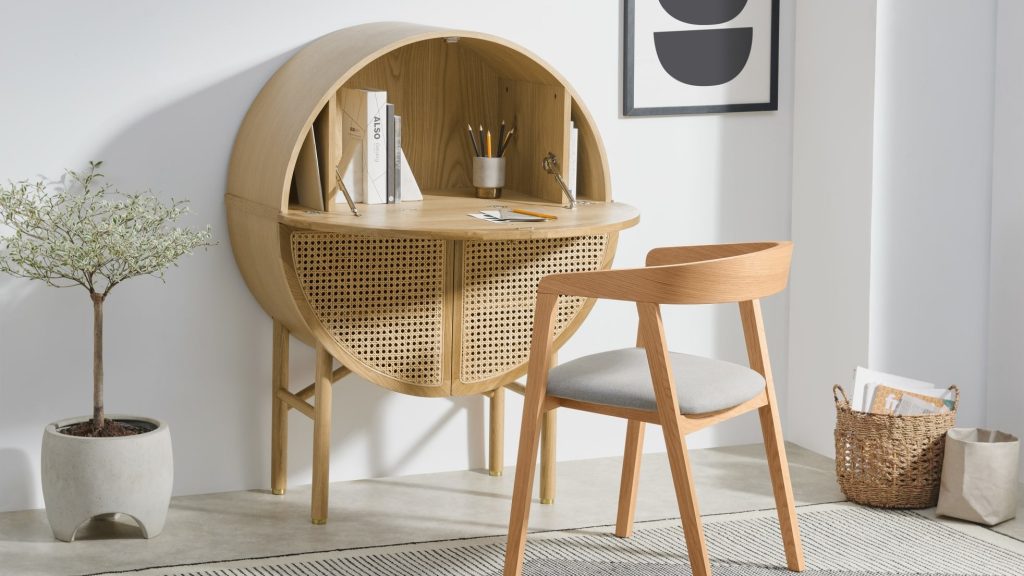
Transformative Benefits of Minimalist Design
Adopting a minimalist design approach extends beyond mere aesthetics; it fundamentally alters how individuals interact with their environments and, consequently, their productivity. An organized space often correlates with a more organized mind. When distractions are eliminated, clarity emerges, creating a conducive atmosphere for focused work.
One of the most profound benefits of minimalist design is the creation of an environment that fosters increased productivity. Research has shown that environments rich in excess can lead to feelings of anxiety and overwhelm, significantly detracting from one’s ability to concentrate. According to a study by the American Psychological Association, individuals working in cluttered spaces experience heightened levels of stress, which can reduce efficiency by as much as 30%.
Let’s examine the key advantages gained through the implementation of a minimalist design:
- Enhanced Focus: A minimalistic workspace reduces sensory overload. With a streamlined environment, distractions such as inordinate color schemes, excessive decorations, or cluttered desks are diminished, allowing for enhanced concentration. This is particularly vital for industries demanding creativity and precision, such as tech startups or design firms.
- Boosted Efficiency: Minimalist design supports organized workflows. For instance, a well-structured desk might house only essential tools: a notebook, a computer, and a plant. By deliberately curating workspace items, individuals can save vital minutes each day that would otherwise be lost in searching for misplaced items.
- Clearer Decision-Making: Excessive clutter can cloud judgment and impede decision-making processes. Minimalist spaces encourage people to make intentional choices about what to keep in their environments. This habit of conscious decision-making extends beyond the physical space and can lead to greater clarity in personal and professional goals.
The rise of remote work in the United States has further illuminated the importance of minimalist design in personal productivity. Many have turned their homes into makeshift offices, revealing the pitfalls of disorganization. According to a survey from FlexJobs, more than 65% of remote workers report increased productivity when their workspaces are organized and uncluttered. This indicates that an intentional design approach could signify a pivotal factor in the success of remote work structures.
Moreover, an organized space contributes to improved mental health. Individuals working in minimalist environments often report feeling less overwhelmed and more in control of their tasks. This direct correlation between space and mindset highlights the importance of actively managing one’s surroundings to enhance cognitive function. As we explore the relationship between minimalism and productivity, it becomes evident that the spaces we inhabit play an essential role in shaping our thoughts and actions.
To engage completely with the principles of minimalist design is to embrace a lifestyle shift. It challenges the traditional notion of success that equates excess with achievement, instead advocating for an experience marked by intention and purpose. As evidenced by both research and anecdotal experience, the impact of minimalist design on personal productivity is undeniable, revealing an exciting opportunity to transform our lives.
| Advantages of Minimalist Design | Impact on Personal Productivity |
|---|---|
| Simplified Environment | Encourages concentration and reduces distractions. |
| Enhanced Focus | Clear spaces support clearer thinking, promoting efficiency. |
| Reduced Stress | A decluttered space leads to a decluttered mind. |
| Organized Workflow | Minimal distractions streamline tasks, enhancing productivity. |
Minimalist design can fundamentally reshape how we navigate our daily lives. By prioritizing simplicity in our environments, we foster an atmosphere conducive to deep focus and creativity. Research shows that clutter not only overwhelms our senses but can also have a psychological impact, leading to increased stress and decreased productivity. When we embrace minimalist principles, we cultivate spaces that help alleviate this stress. For example, consider the importance of a well-organized workspace; it not only enhances our efficiency but also encourages clarity of thought. The minimal aesthetic is not just pleasing to the eye; it is a strategic tool for unlocking maximum potential in our work and personal lives. This shift towards organized spaces allows individuals to harness the principles of minimalist design, ultimately leading to improved focus and a profound impact on our productivity. Explore how adopting a minimalist design ethos can transform your approach to work and leisure.
DISCOVER MORE: Click here to learn about how simplicity can boost your focus
The Science Behind Organized Spaces
Diving deeper into the connection between minimalist design and productivity, it’s essential to explore the science that underpins these observations. The relationship between our environment and our mental state has been a subject of extensive research. For instance, a comprehensive study published in the Journal of Environmental Psychology highlights how individuals in minimalist environments exhibit increased cognitive function compared to those in cluttered settings. This research aligns with the understanding of how our brains process information; excessive stimuli can hinder mental clarity, while organized spaces enhance our ability to engage with complex tasks.
Another fascinating aspect of minimalist design is its potential impact on creativity. Many creative professionals report finding solace in simplicity, using minimalist workspaces as a blank canvas for their ideas. A 2021 report by Harvard Business Review indicates that clear environments can lead to an 11% increase in creative output. This is particularly pertinent for industries reliant on innovative thinking, demonstrating that when distractions are minimized, the potential for groundbreaking ideas can flourish.
Practical Strategies for Implementing Minimalism
To harness the advantages of minimalist design in personal productivity, individuals can take specific steps to create organized spaces. Here are several practical strategies that can be incorporated:
- Declutter Periodically: Schedule regular decluttering sessions—monthly or quarterly—to assess the items in your workspace. This will help eliminate items that no longer serve a purpose, ensuring that your environment remains conducive to productivity.
- Establish Zones: Create distinct zones within your workspace for specific tasks. By designating areas for focused work, brainstorming, and meetings, you can instill a sense of purpose in each section of your space, which reinforces a minimalistic approach.
- Limit Visual Clutter: Choose a neutral color palette and opt for minimal decor. Accessories and art should enhance, rather than detract from, your focus. Consider incorporating elements like a single plant or a piece of art that resonates with you, allowing for personal expression without overwhelming your senses.
- Embrace Digital Minimalism: In an age where digital distractions are rampant, adopting a minimalist approach extends to technology as well. This means organizing your computer desktop, minimizing notifications, and selecting only essential apps to streamline your digital workspace.
Incorporating these strategies can lead to lasting changes in one’s productivity levels. Many productivity experts advocate for the use of tools like the Pomodoro Technique, which promotes focus through timed work intervals followed by short breaks. When combined with a minimalist environment, this approach not only maximizes productivity but also instills a greater sense of control and organization in both work and personal life.
As individuals begin to adopt these minimalist principles in their personal lives, they often report increased satisfaction and a sense of accomplishment. The impact of organized spaces on personal productivity extends well beyond mere efficiency; it offers a pathway to enhanced mental clarity, creativity, and overall well-being. As we navigate a world where distractions can abound, returning to the fundamentals of minimalist design serves as an effective antidote for maintaining focus and fostering productivity.
DIVE DEEPER: Click here to discover how minimalism can enhance your well-being
Conclusion: The Transformative Power of Minimalism
In an era characterized by constant distractions and information overload, the significance of organized spaces has become increasingly prominent. The exploration of minimalist design reveals a powerful correlation between our environment and our personal productivity. By adopting minimalist principles, individuals can create environments that not only foster mental clarity but also stimulate creativity. These environments mitigate cognitive overload and promote a sense of purpose and focus essential for effective performance in both personal and professional spheres.
As highlighted throughout the article, studies indicate that a well-organized workspace can enhance cognitive function and boost creativity, serving as a catalyst for innovative thinking. Implementing practical strategies—such as decluttering, establishing designated work zones, and embracing digital minimalism—empowers individuals to design their surroundings consciously. The ripple effects of these changes extend beyond enhanced productivity; they encourage a newfound sense of satisfaction and accomplishment.
Ultimately, as we strive for efficiency in our busy lives, integrating minimalist design principles can lead to profound, transformative outcomes. It is an invitation to reassess not only our physical environments but also our mental landscapes. In a society that frequently prioritizes quantity over quality, embracing simplicity might just be the antidote to unlock our full potential. Thus, embarking on a journey towards organized spaces is not merely a trend but an essential commitment to enhancing our well-being and maximizing our productivity.
Related posts:
Minimalist Organization Strategies to Improve Work Focus
Minimalism and the Reduction of Commitments: How Fewer Activities Can Enhance Your Focus
Digital Minimalism: Strategies to Reduce Distractions and Increase Focus in a Connected World
The Relationship Between Minimalism and Mental Health: How Simplicity Can Enhance Your Focus
Mental Decluttering Strategies: How Minimalism Can Help with Attention and Stress Management
The Art of Eliminating the Excess: How Minimalism Enhances Your Focus Ability

Linda Carter is a writer and organization expert specializing in minimalism and personal organization. With extensive experience helping individuals create clutter-free, functional spaces and adopt mindful habits, Linda shares her knowledge on our platform. Her goal is to empower readers with practical advice and strategies to simplify their lives, stay organized, and achieve a sense of calm and balance in their daily routines.