Organization of Small Spaces: Minimalism Tips to Maximize Every Square Meter
Maximize Your Space with Minimalism
Living in small spaces can often feel like navigating a labyrinth of clutter and chaos. However, adapting a minimalist lifestyle allows you to declutter your environment and unveil a sense of calm and efficiency. Embracing minimalism is not merely about removing items, but rather about making room for what truly matters, fostering an atmosphere of serenity and purpose in your home.
Implementing minimalist strategies can completely transform your living area, refreshing both its aesthetic and practical aspects. Here are some essential techniques to consider:
- Declutter Regularly: One of the quintessential aspects of minimalism is maintaining a clutter-free environment. To achieve this, establish a routine every few months to assess your belongings. Ask yourself: “Have I used this in the last year?” If the answer is no, it may be time to let it go. Donate, recycle, or sell items that no longer serve you. For instance, community organizations in the U.S., such as Goodwill or Salvation Army, make it easy to donate items and help others in need.
- Multi-Functional Furniture: In small spaces, every piece of furniture should serve a purpose. Look for innovative, space-saving solutions like a coffee table that doubles as a storage unit or a sofa bed for guests. Companies like IKEA and West Elm offer versatile designs that maximize functionality without sacrificing style. For example, a stylish ottoman with hidden storage can help store blankets or books while also serving as extra seating.
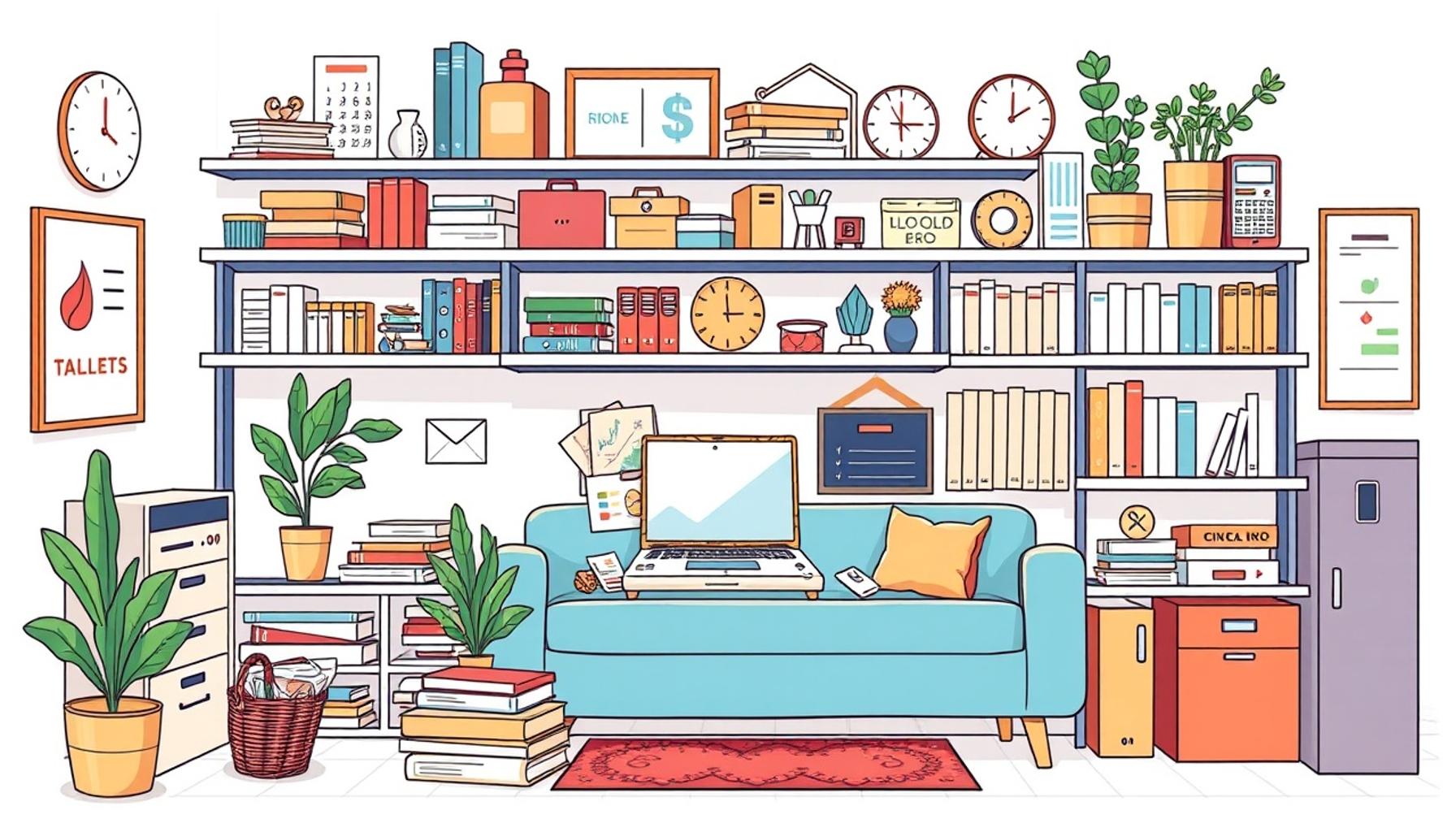
- Vertical Storage Solutions: One of the cleverest ways to reclaim floor space is by utilizing vertical storage. Wall-mounted shelves can display books, photos, and decorative items, while hooks can be used for hanging bicycles, kitchen tools, or accessories. Creating a visually appealing gallery wall adds character to your space while keeping it organized. Additionally, pegboards are becoming increasingly popular for their versatility and quirky aesthetic.
These strategies not only help you maximize your space but also provide opportunities to reflect your personal style and values. Understanding how to optimize even a few square feet can lead to a more organized, functional, and peaceful environment. By practicing mindfulness and intentionality in your living space, you can cultivate an atmosphere that promotes relaxation and clarity.
In the following sections, we will delve deeper into each tip, offering specific examples, strategies, and resources to help you accomplish your minimalist objectives. Are you ready to reclaim your space and live more intentionally? The journey toward minimalism is not just about getting rid of things; it’s about making room for a life of greater meaning and purpose.
DISCOVER MORE: Click here to learn how simple living can transform your finances
Essential Minimalism Techniques for Small Spaces
When it comes to organizing small spaces, understanding the principles of minimalism can profoundly impact your everyday living experience. As many urbanites know, living in a compact environment can contribute to feelings of overwhelm if not managed properly. By adopting minimalist practices, one can transform a tight space into an oasis of simplicity and functionality. Let’s explore some critical strategies to enhance your small space through minimalism.
1. Mindful Purchases
Before filling your space with new items, consider the importance of mindful purchases. Each item you bring into your home should align with your lifestyle and aesthetic. It’s vital to ask yourself questions about each potential purchase: “Does this add value to my life? Will I still love it in six months?” By applying this thought process, you can avoid the cycle of unnecessary accumulation. A famous concept in the minimalist community is the 30-day rule, which encourages individuals to wait 30 days before buying non-essential items. This period allows time to reconsider whether the item is truly needed.
2. Embrace Open Spaces
Another approach to maximizing small areas is to create open spaces. Avoid overcrowding with oversized furniture or overwhelming décor. Instead, opt for a few carefully selected pieces that allow for flow and accessibility. For instance, using transparent or light-colored furniture can give the illusion of a larger area. A glass coffee table or open shelving can help maintain an airy feel while decorating your room. Consider rearranging furniture to enhance movement and openness. Room layout can drastically affect both functionality and comfort in limited square footage.
3. Storage Underfoot
Utilizing underutilized spaces in your home is crucial in small-space organization. This includes under furniture, beds, or even couches. Investing in under-bed storage bins or drawer systems can store everything from clothes to extra blankets, keeping your floor space clean and organized. Additionally, consider ottomans or benches that open for storage. This dual-use furniture marries functionality with aesthetics and provides valuable storage without cluttering your environment. The key to successful underfoot storage is to ensure it remains easily accessible and organized.
4. Labels and Clearly Defined Zones
Finally, organizing your small space involves defining zones for various activities. This can help in managing clutter and ensuring that everything has its rightful place. Create specific areas for work, relaxation, and storage. Clear labeling of storage bins and containers can also simplify locating items quickly. For instance, pantry essentials can be stored in labeled jars or boxes, making it easy to find what you need, while maintaining a cohesive visual appeal.
Adopting these essential minimalist techniques can lead to a streamlined and harmonious living environment, enhancing not just the aesthetic of your small space but also your daily quality of life. As we proceed further into this piece, we will unveil additional strategies and resources to continue your journey toward maximum organization and minimal clutter.
| Advantages | Description |
|---|---|
| Optimal Space Utilization | Utilizing every inch effectively allows for a more functional living area, ensuring essentials are organized and accessible. |
| Enhanced Aesthetics | Minimalism promotes a clean, uncluttered look that can enhance the beauty of your space while reducing visual stress. |
When exploring the concept of minimalist living, it’s essential to focus on achieving optimal space utilization and enhanced aesthetics. Optimal Space Utilization is critical in any small area. By carefully selecting furniture that serves multiple functions, you can maximize each square meter of your space, making it easier to live and work efficiently. For example, a sofa bed can transform a living room into a guest area without sacrificing comfort or elegance. On the other hand, Enhanced Aesthetics brings a calming effect to your environment. An organized, minimalistic design can significantly reduce clutter, leading not only to a stylish appearance but also creating a sense of tranquility. With carefully chosen decor and optimized layouts, every corner of your home can tell a story of functional beauty. These principles of minimalism encourage you to think outside the box and explore innovative storage solutions, merging style with practicality. By focusing on these advantages, you’ll be taking significant steps towards a beautifully organized and functional small space!
DISCOVER MORE: Click here for practical tips on simple living
Advanced Strategies for Small Space Organization
After embracing essential minimalist techniques, the next step in maximizing your small space is to delve into advanced strategies that further optimize every square meter. These practices are not only practical but also elevate the overall atmosphere of your home, making it a sanctuary of style and efficiency.
5. Creative Vertical Solutions
In small spaces, utilizing vertical space can make a world of difference. Walls are often underused areas that can be transformed into functional storage solutions. Consider installing floating shelves or wall-mounted organizers to display books, plants, or decorative items without occupying valuable floor space. Think outside the box—hanging pots for herbs in the kitchen or a pegboard in the entryway can keep daily essentials within reach while adding character to the room.
6. Multipurpose Furniture
Investing in multipurpose furniture is a crucial element in the minimalist approach. Sofas that convert into beds or coffee tables that feature hidden storage compartments allow you to maximize functionality without cluttering your living area. Look for pieces that serve dual or even triple purposes. For instance, a fold-down table can act as both a workspace and a dining area, making it ideal for those who entertain or work from home. The key is to ensure these pieces blend seamlessly into your décor so they enhance rather than detract from your space.
7. Ditch the Clutter with Digital Alternatives
In the digital age, less paper clutter is within your reach. Transitioning from physical to digital can significantly reduce the amount of space consumed by documents, magazines, and catalogs. Use applications or cloud storage to manage bills, notes, and personal records. Not only does this create additional physical space, but it also streamlines information management, keeping it organized and accessible at your fingertips. Investing in a good scanner can be a game-changer, as you can turn physical documents into digital files while maintaining a minimalist aesthetic.
8. Color and Light: The Illusion of Space
Utilizing color and light can dramatically affect the perception of space within your home. Opt for a lighter color palette on walls and furnishings, as these shades reflect light and create an airy atmosphere. In contrast, dark colors can make a space feel smaller and more confined. Additionally, the strategic placement of mirrors can enhance the sense of openness, making rooms appear larger than they are. Consider placing a large mirror across from a window to maximize natural light and create the illusion of depth.
9. Seasonal Rotation of Items
Adopting a seasonal rotation for items throughout your home can help keep clutter at bay. Instead of displaying all your decorations or clothing, switch them out based on the season. For example, store summer clothes during winter months and rotate your décor to reflect seasonal themes. This practice not only keeps your living space fresh but encourages conscious consumption and reflects a commitment to minimalism by showcasing only what is currently relevant.
Implementing these advanced strategies allows for a practical yet stylish approach to small-space living. By embracing creative solutions and intentional living, you can transform your limited square footage into a well-organized haven of tranquility and efficiency. As you navigate the journey of minimizing clutter and maximizing style, remember that every small change contributes to a better living experience.
DISCOVER MORE: Click here to learn about living sustainably.
Conclusion: Embracing the Art of Small Space Organization
As we conclude this exploration of the organization of small spaces, it becomes clear that adopting a minimalist approach can profoundly impact your living environment. By implementing practical strategies—like utilizing vertical solutions, investing in multipurpose furniture, and integrating digital alternatives—you not only create an efficient space but also foster a calming atmosphere that enhances your quality of life.
Moreover, embracing principles such as the effective use of color and light and the seasonal rotation of items allows you to breathe new life into your home while maintaining functionality. Every tactic we discussed is a stepping stone towards achieving a clutter-free sanctuary where creativity can flourish and relaxation reigns. It is important to remember that the journey to minimalism is not merely about reducing possessions, but rather about cultivating a life of intentionality and purpose.
In the fast-paced society we live in, simplifying our surroundings can lead to greater mental clarity and increased productivity. Thus, as you reflect on your space, consider which tips resonate most with you and start integrating them today. By making small, meaningful changes, you can transform your home into a beautifully organized space that truly maximizes every square meter, setting the stage for a more fulfilling and harmonious lifestyle.
Related posts:
Minimalism and Creativity: How Reducing Clutter Can Stimulate Personal Innovation
Routine Organization: Incorporating Minimalism Practices into Daily Life to Reduce Clutter
The Relationship Between Conscious Consumption and Decluttering: Transforming Buying Habits
The Impact of Digital Clutter on Personal Organization and Minimalism
Reducing Emotional Clutter: Minimalism Techniques to Organize Your Thoughts and Feelings
Practical Strategies to Reduce Clutter at Home: A Minimalism Guide for Beginners

Linda Carter is a writer and organization expert specializing in minimalism and personal organization. With extensive experience helping individuals create clutter-free, functional spaces and adopt mindful habits, Linda shares her knowledge on our platform. Her goal is to empower readers with practical advice and strategies to simplify their lives, stay organized, and achieve a sense of calm and balance in their daily routines.