Minimalist Organization Strategies to Optimize Home Workspaces

Creating a Focused Environment
In today’s fast-paced world, maintaining a productive home workspace can be quite challenging. The demands of remote work have made it more important than ever to carve out a specific area that inspires focus and creativity. An organized workspace not only enhances efficiency but also fosters creativity, ultimately leading to better work outcomes. Employing minimalist organization strategies can serve as a transformative approach to enjoying your work-from-home experience.
Benefits of Minimalism
Embracing a minimalist lifestyle, especially in your workspace, comes with numerous advantages that can significantly improve your productivity. These benefits include:
- Reduced distractions: A clutter-free space promotes clearer thinking. By eliminating excess items, your mind can focus on the task at hand without the mental burden of unnecessary distractions.
- Enhanced productivity: Fewer items mean less to manage, which leads to improved concentration. For example, when your desk holds only the essentials—a computer, a notebook, and perhaps a pen—you are less likely to feel overwhelmed by potential tasks or projects.
- Stress reduction: A simplified environment has been shown to lower anxiety and promote calmness. With fewer visual stimuli competing for your attention, it becomes easier to enter a state of deep work, allowing ideas to flow naturally.
Essential Strategies to Consider
Implementing minimalist organization strategies can truly transform your workspace into an inspiring haven. Here are some effective tactics to integrate into your environment:
- Declutter regularly: Set aside time each month for a thorough check-in. Remove unnecessary items—whether they are old papers, outdated technology, or even decor that doesn’t serve a purpose. This practice helps maintain a serene environment conducive to productivity.
- Use multifunctional furniture: Opt for furniture that provides additional storage while maximizing your space. For instance, a desk with built-in shelves or a coffee table that doubles as a storage unit can streamline your workspace.
- Prioritize essentials: Keep only the tools and materials you need within immediate reach. Utilize organizers for your desk drawer to categorize supplies in a practical manner, allowing for quick access to what truly matters.
By understanding and applying these strategies, you can create a workspace that is both organized and inspiring. A minimalist approach not only simplifies your surroundings but also leads to a more fulfilling work-life integration. With a focused environment, the potential for creativity and productivity is boundless, allowing you to navigate your workday with ease and clarity. As you embark on this journey of decluttering and organization, remember that less truly can be more in the realm of a productive home office.
DIVE DEEPER: Click here for tips on maximizing your space
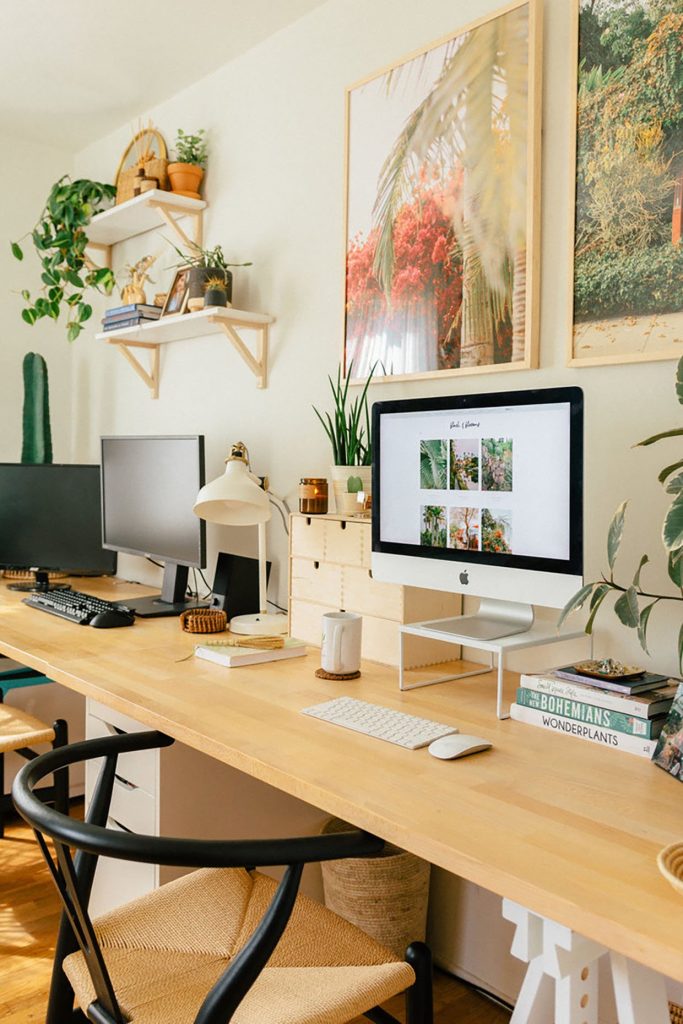
Maximizing Space and Functionality
One of the key tenets of minimalist organization is understanding how to maximize space while maintaining functionality. In any home workspace, especially those with limited square footage, the strategic use of space can dramatically influence productivity. Implementing thoughtful design choices not only enhances the visual appeal of your workspace but also promotes an environment where focus can thrive.
Smart Space Optimization Techniques
When optimizing your home workspace through minimalist strategies, consider these essential space optimization techniques:
- Vertical storage solutions: Utilize vertical space by incorporating wall-mounted shelves or pegboards. These options allow you to keep the floor clear while providing ample room for essential items and decorative elements that inspire creativity.
- Total layout awareness: Pay attention to your workspace layout. A well-planned arrangement can encourage movements that facilitate productivity. Place your computer, supplies, and reference materials within arm’s reach to minimize distractions and unnecessary movement.
- Digital decluttering: Minimalism is not limited to physical items; it extends to the digital realm. Regularly organizing your computer files and applications enhances efficiency, making it easier to access the documents you need without the frustration of a cluttered desktop.
Furthermore, integrating minimalist organization strategies into your home workspace paves the way for a seamless blend between personal and professional life. For instance, incorporating plants or personal touches can invigorate your workspace without overwhelming it. A few carefully selected items can complement your work environment, balancing the personal and the professional aspects.
Creating Zones for Focus
Another effective minimalist strategy is to establish clear zones within your workspace. This technique involves designating specific areas for distinct activities—such as working, brainstorming, or relaxing—which cultivates an atmosphere where different types of work can coexist without interference. Here’s how to create effective work zones:
- Work zone: The primary area where you conduct your tasks should include only your essential work tools to minimize distractions. Ensure that this zone is organized, prioritizing function over aesthetics.
- Brainstorm zone: If creativity is part of your job, maintain a separate area equipped with whiteboards, notepads, or even art supplies. This zone should inspire free thinking and allow you to explore ideas without feeling constrained.
- Break zone: Lastly, create a small space for relaxation, perhaps with a comfortable chair or a small table for a cup of tea. This area is crucial for mental breaks and helps you recharge throughout the workday, enhancing overall productivity.
By employing these smart space optimization techniques and creating focused zones, you can leverage the principles of minimalism to cultivate a home workspace that is not only organized but also conducive to creativity and productivity. Adopting such strategies allows you to navigate the complexities of remote work with greater ease and satisfaction, ultimately leading to improved outcomes and a more enjoyable work-life balance.
| Advantages | Significance |
|---|---|
| Enhanced Focus | A decluttered workspace minimizes distractions, allowing for increased productivity and creativity. |
| Better Space Utilization | Smart organization ensures every item has its place, resulting in a more functional and efficient working environment. |
| Stress Reduction | A minimalist approach leads to a calming atmosphere, which can significantly lower stress levels during work hours. |
| Time Efficiency | With everything easily accessible, you save time searching for supplies—enhancing workflow efficiency. |
| Increased Compliance with Minimalism | Adopting a minimalist approach fosters habits of proactive organization, positively affecting other life areas as well. |
The advantages of implementing minimalist organization strategies into home workspaces extend far beyond mere aesthetics. Each benefit directly contributes to a more conducive and productive working environment. For instance, the increase in focus achieved through a decluttered space is pivotal in today’s fast-paced world, making it essential to explore such techniques further. Furthermore, optimizing the use of space is not just about decluttering; it’s about strategic arrangements that can significantly boost one’s workflow. There lies an essence of tranquility within these strategies, promoting efficiency, and time management that can alleviate the common stresses associated with home office settings. Engaging with these concepts can reshuffle your working routine, helping cultivate not just a workspace but a haven for creativity and innovation. Embracing this lifestyle choice can undeniably transform how one approaches both work and home life.
DIVE DEEPER: Click here to discover how to organize your digital life
Implementing Mindful Consumption and Maintenance
Another vital aspect of minimalist organization is adopting a philosophy of mindful consumption and regular maintenance. As workspaces become more streamlined, it’s essential to focus on not only what enters your home office but also how to keep it organized over time. By cultivating habits that foster simplicity and intentionality, you create a sustainable environment that supports ongoing productivity.
Mindful Consumption Practices
Before acquiring new tools or office supplies, consider these mindful consumption practices:
- Evaluate necessity: Before making a purchase, critically assess whether the item adds substantial value to your workspace. Asking yourself questions like “Do I really need this?” or “How will this enhance my productivity?” can help prevent unnecessary clutter.
- Quality over quantity: Invest in fewer, higher-quality items that will stand the test of time rather than opting for lower-cost alternatives. For example, cultivating a few essential stationery items that meet your needs without overwhelming your desk can lead to a more organized and enjoyable workspace.
- Embrace multifunctional tools: Look for items that serve multiple purposes. A convertible desk that can function both as a sitting and standing workstation or a storage ottoman that doubles as seating can maximize functionality while minimizing the number of items in your space.
These mindful consumption practices encourage a sense of personal accountability for your workspace environment, fostering healthier relationships with the objects you choose to surround yourself with.
Regular Maintenance Regimens
Implementing a routine for regular maintenance is equally crucial in the minimalist approach to workspace organization. A clean and tidy workspace greatly enhances your ability to focus and work efficiently. Consider these tips for an effective maintenance routine:
- Daily decluttering: Set aside a few minutes at the end of each workday to tidy up your space. This quick clean-up can involve putting away stray papers, organizing your desk, and ensuring that your computer desktop remains clear of distractions.
- Weekly reviews: Dedicate time once a week to assess your workspace. Check for items you no longer need or use, and consider donating or recycling them. This proactive approach helps prevent clutter from accumulating over time.
- Monthly audits: Conduct a more thorough examination of your workspace every month. Identify areas that feel overwhelming or cluttered, and make adjustments accordingly. This could involve rearranging your desk layout or revisiting your storage solutions to enhance efficiency.
By integrating regular maintenance into your routine, you not only keep your workspace organized but also foster a more productive mindset. The responsibility of curating your environment plays a significant role in maintaining an efficient and minimalist workspace.
The principles of mindful consumption and consistent maintenance are paramount in optimizing home workspaces for maximum productivity. In a time when hybrid and remote work are becoming commonplace, applying these minimalist organization strategies not only simplifies daily tasks but also cultivates a focused and inspiring environment conducive to creativity and success.
DISCOVER MORE: Click here to learn about simplifying your tasks
Conclusion
In a world where the boundaries between home and work are increasingly blurred, applying minimalist organization strategies becomes essential for cultivating an efficient and inspiring workspace. By embracing simplicity, individuals can transform not only their physical environments but also their mental clarity and productivity levels. The focus on mindful consumption ensures that each item contributes meaningfully to your workspace, fostering a deeper appreciation for what you choose to surround yourself with.
The regular maintenance of your workspace amplifies these benefits, establishing a rhythm that keeps clutter at bay while promoting a focus on essentials. Developing routines such as daily decluttering and weekly reviews empowers you to maintain a space that encourages creativity and minimizes distraction. Implementing these practices not only leads to a tidy environment but also creates a foundation for sustainable productivity that can adapt to our ever-changing work dynamics.
As remote and hybrid work continue to gain momentum, revisiting and refining your organizational strategies can offer significant advantages. The principles of minimalism empower you to simplify tasks, enhance focus, and inspire originality in your work. By prioritizing quality over quantity and embracing multifunctional tools, you set the stage for a workspace that works in harmony with your lifestyle. In essence, optimizing your home workspace through minimalist organization is not just about reduction; it’s about enhancing the overall quality of your work experience.
Related posts:
Minimalism and Sustainability: Strategies for Making the Most of Spaces with Conscious Consumption
How Minimalism Can Help Maximize Space in Small Environments
The Power of Open Spaces: How Minimalism Contributes to the Maximization of Environments
Minimalist Closet Organization: Techniques to Maximize Storage Space at Home
Social Spaces: Creating Cozy Environments with Minimalism and Efficiency
Minimalism in the Kitchen: Tips for Organizing and Maximizing Space in a Multifunctional Environment

Linda Carter is a writer and organization expert specializing in minimalism and personal organization. With extensive experience helping individuals create clutter-free, functional spaces and adopt mindful habits, Linda shares her knowledge on our platform. Her goal is to empower readers with practical advice and strategies to simplify their lives, stay organized, and achieve a sense of calm and balance in their daily routines.