
Understanding the Impact of Hydration on Weight Training
Staying adequately hydrated is essential for anyone serious about weight training. Water plays a critical role in maintaining peak physical performance, while dehydration can significantly hinder your strength and endurance. Learning how to integrate effective hydration strategies into your fitness routine can lead to better results in muscle gain and overall health.
Why Hydration Matters in Weight Training
Proper hydration is not just an afterthought; it is a fundamental aspect of optimizing physical performance. Specifically, it helps:
- Regulate body temperature during intense workouts. This is vital, as elevated body temperatures can lead to heat-related illnesses, reducing your ability to perform and putting your health at risk.
- Enhance muscle function by ensuring optimal nutrient delivery. Muscles require water to transport nutrients and electrolytes effectively, which is crucial for maintaining strength and power during lifts.
- Improve recovery post-exercise by flushing out toxins. Adequate hydration assists in the removal of metabolic waste products that accumulate during weight training, allowing your muscles to recover more swiftly and effectively.
Despite these clear benefits, many weight trainers overlook the importance of hydration. A study by the Journal of Strength and Conditioning Research indicates that even a moderate level of dehydration—around 2% body weight loss—can lead to:
- Increased fatigue during workouts, making it harder to push through those last few reps that are essential for muscle growth.
- Decreased strength and muscle contractions, which can not only impact performance but could also lead to potential injuries when your body attempts to compensate for a lack of hydration.
- Longer recovery times post-training, affecting your next workout and overall progress in your weight training journey.
Understanding the nuances of hydration can empower you to take control of your training outcomes. To optimize your hydration for muscle gain and recovery, consider the following strategies:
Firstly, aim to drink water throughout the day, rather than guzzling it all at once before training. Keeping a water bottle handy can encourage consistent intake. Additionally, a good rule of thumb is to consume around 17-20 ounces of water two to three hours before exercising and continue to hydrate during and after your workout.
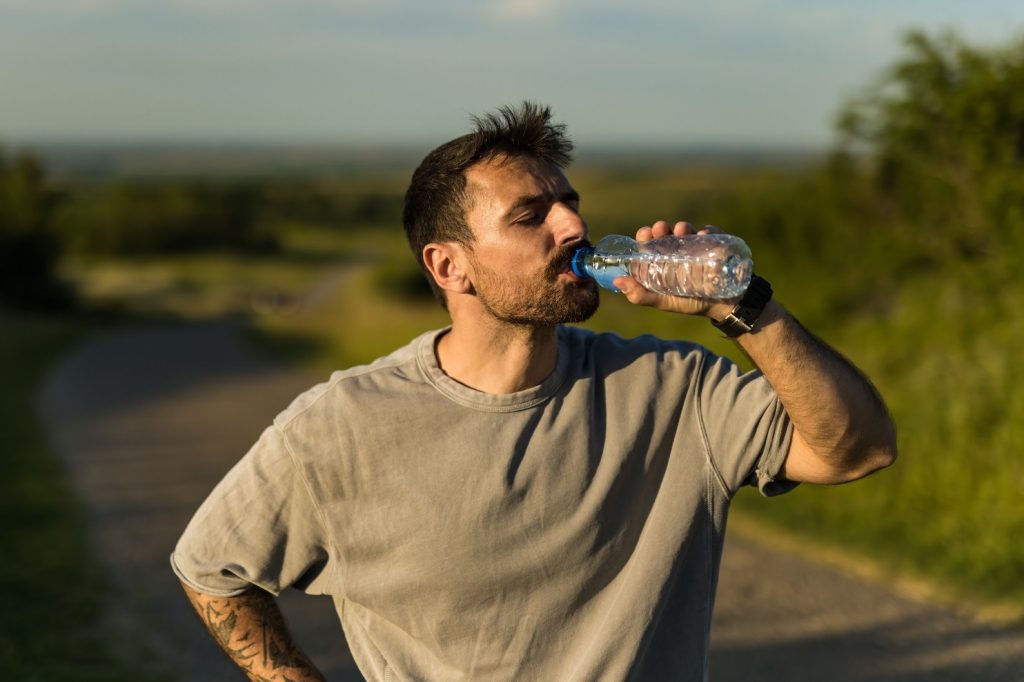
Moreover, listen to your body. Thirst is an obvious signal, but other indicators of dehydration can include dry mouth, fatigue, and dark-colored urine. For weight trainers, finding a hydration strategy that works for you can significantly impact your gains and overall health.
So, how can you ensure that you’re on top of your hydration game? Consider integrating electrolyte-rich drinks into your routine, especially during intense workouts, to replace not just water but also essential minerals lost through sweat.
DON’T MISS: Click here to discover essential recovery techniques
Essential Hydration Techniques for Weight Training Success
Effective hydration strategies are essential for anyone serious about optimizing their weight training results. Proper hydration not only enhances physical performance during workouts but also facilitates faster recovery post-exercise. Insufficient hydration can lead to decreased strength, increased fatigue, and even injury. Understanding how and when to hydrate can significantly impact your training outcomes.
Daily Hydration Goals
To establish a solid foundation for hydration, it is crucial to set a daily water intake goal. The widely accepted rule of thumb is to consume at least half your body weight in ounces of water each day. For example, weighing 160 pounds would translate to a minimum of 80 ounces of water daily. However, various factors—including physical activity, climate, and even altitude—can necessitate adjustments to this baseline. Monitoring your body’s signals is critical.
Incorporating high-water-content foods into your diet can further contribute to your hydration needs. Fruits and vegetables such as cucumbers, oranges, watermelon, and spinach not only provide essential vitamins and minerals but also add a refreshing and hydrating element to your overall fluid intake.
Pre-Workout Hydration
Hydrating correctly before your workouts primes your body for the intensity to come. A few hours before hitting the gym, consider the following:
- Timing: Aim to drink approximately 16-20 ounces of water about 2-3 hours prior to your workout. This pre-exercise water intake ensures that your body is well-hydrated and ready to tackle your weight training session.
- Electrolyte Consideration: For particularly demanding workouts or during hotter months, an electrolyte drink can be beneficial. These beverages help replenish critical minerals like sodium and potassium lost through sweat, which you lose in larger quantities during intense training.
- Stopping Thirst: It’s vital to note that thirst is often a sign of early dehydration. Make it a point to drink regularly and don’t wait for thirst to remind you to hydrate.
During Your Workout
Maintaining stable hydration during exercise is equally important. As you lift weights, your body loses fluids, and if this loss is not countered, it can hinder your performance and lead to fatigue. Here’s how to manage hydration effectively on the gym floor:
- Scheduled Sips: A good strategy is to sip on 7-10 ounces of water every 10-20 minutes during workouts, especially those stretching beyond an hour. Regular consumption keeps energy levels elevated and performance consistent.
- Choose Wisely: If your workout is particularly intense or lengthy, consider electrolyte-based beverages. These drinks help maintain optimal fluid balance by replenishing necessary electrolytes that might be depleted during heavy sweating.
- Monitor your output: Keep a close watch on your sweat levels as this can give valuable insight into your hydration needs. Increased sweat output, particularly in hot and humid conditions, suggests a greater requirement for replenishment.
Having a water bottle within reach not only serves as a visual reminder to stay hydrated but also promotes an easy and streamlined hydration routine during workouts. By incorporating these hydration techniques into your training regimen, you not only enhance your performance and sustain energy but also support your body’s recovery mechanisms. This diligent attention to hydration can lead to significant gains in your weight training journey.
| Category 1 | Category 2 |
|---|---|
| Optimal Timing | Hydrating before, during, and after workouts enhances performance and recovery |
| Fluid Balance | Maintaining electrolyte levels prevents fatigue and muscle cramps |
Staying adequately hydrated plays a crucial role in successful weight training. Optimal timing of hydration is vital; drinking water before, during, and after workouts can significantly improve your physical performance. For instance, consuming fluids prior to engagement helps prepare your muscles, while interspersing hydration during exercises maintains stamina and endurance. Lastly, hydrating post-workout allows for enhanced recovery.Another critical aspect of hydration strategies is maintaining fluid balance through electrolytes, such as sodium and potassium, which aid in muscle function. If electrolyte levels dip, athletes can suffer from cramps and fatigue, leading to sub-optimal training sessions. Specific beverages designed for hydration can assist in replenishing these essential minerals, further enhancing workout outcomes.Understanding these components of effective hydration helps maximize results in weight training. Each detail contributes to overall performance and recovery, making it imperative for serious athletes to focus on their hydration strategies.
DIVE DEEPER: Click here to learn about the importance of exercise variety</p
Post-Workout Hydration: The Key to Recovery
While pre- and intra-workout hydration is crucial, post-workout hydration is often overlooked yet equally important. After an intense weight training session, your body needs to recover not only from the work but also from the fluid lost through sweat. Proper hydration aids muscle repair, replenishes energy stores, and helps prevent cramping and dehydration-related fatigue.
Rehydrate Effectively
To effectively recover after workouts, consider incorporating the following hydration strategies:
- Water Intake: Aim to drink around 16-24 ounces of water within the first hour after training. This initial rehydration helps restore fluid balance and promotes muscle recovery.
- Electrolyte Restoration: For workouts lasting over an hour or those involving heavy sweating, it may be beneficial to consume electrolyte drinks post-exercise. Sports drinks, coconut water, or homemade electrolyte solutions can help replenish sodium, potassium, and magnesium levels.
- Protein-Packed Hydration: Consider protein shakes or smoothies alongside your hydration to maximize recovery. Combining protein with your post-workout hydration has been shown to further aid muscle repair and stimulate growth, thereby amplifying your weight training results.
Timing Your Hydration
The timing of your post-workout hydration can significantly impact your recovery process. Research suggests the concept of the “anabolic window”, which refers to a 30- to 60-minute period post-exercise where nutrient absorption is heightened. Utilizing this window for both rehydration and nutrient intake can lead to better recovery outcomes and enhanced muscle gains.
To optimize hydration during this critical phase, keep water and your preferred recovery beverage readily accessible. Many athletes benefit from pre-prepared containers to ensure they meet their hydration targets without delay.
Recognizing Signs of Dehydration
Understanding your body’s signals is paramount to effective hydration. Look out for signs of dehydration, which can range from mild to severe and can result in compromised performance:
- Darker Urine: Dark yellow urine often indicates dehydration. Aim for a light straw color to ensure adequate hydration.
- Fatigue and Dizziness: If you feel unusually tired or dizzy during your workouts, it can be a sign that you are not hydrating adequately.
- Muscle Cramps: Frequent cramps during or after exercise may suggest inadequate fluid and electrolyte balance.
To combat these symptoms, ensure that you assess your hydration levels consistently, especially after intense workouts or in hot environments where fluid loss accelerates.
Innovative Hydration Options
Looking beyond plain water, there are various innovative hydration options available to complement your regimen. Infused water with fruits, herbs, or vegetables can add flavor and encourage higher fluid intake. Additionally, products like hydration tablets or powder mixes can be a convenient way to ensure you are not only staying hydrated but also replenishing electrolytes and vitamins.
In conclusion, to maximize results in weight training, a consistent, comprehensive approach to hydration is necessary. From daily routines to post-workout recovery, all aspects of your hydration strategy can significantly influence your performance and results. Exploring various methods and staying attuned to your body’s needs will pave the way for remarkable gains in strength and endurance, making hydration a cornerstone of your fitness journey.
DISCOVER MORE: Click here to learn how to make eco-friendly choices for your workouts
Final Thoughts on Hydration Strategies for Weight Training Success
In the world of fitness, where weight training is a cornerstone for building strength and muscle, the importance of hydration strategies cannot be overstated. As we have explored, proper hydration plays a critical role not only in performance but also in recovery and muscle repair. Understanding the nuances of timing your hydration, recognizing the signs of dehydration, and leveraging innovative hydration options can set you apart in your weight training journey.
To maximize the results from your workouts, consider developing a personalized hydration plan that includes pre-workout hydration to boost performance, intra-workout hydration to maintain energy levels, and post-workout strategies to enhance recovery. Moreover, integrating electrolyte-rich beverages and protein-packed fluids can substantially amplify the effectiveness of your hydration efforts. The key lies in listening to your body, staying consistent with your hydration efforts, and adapting your choices based on the intensity of your workouts and your individual needs.
As you embark on or continue your fitness journey, remember that hydration is not a one-size-fits-all approach. Research various methods, experiment with different beverages, and monitor your body’s signals to determine what works best for you. By making hydration a priority, you will not only feel better and recover faster but also unlock your true potential in weight training, paving the way to tangible strength gains and improved overall performance.
Related posts:
Popular Diets for Strength Athletes: Comparing Low-Carb, Paleo, and Vegetarian
Hydration Strategies to Optimize Performance in Intense Training
The Importance of Healthy Fats in Strength Athletes' Diet: How They Affect Performance and Recovery
Pre-Workout Foods: What to Eat to Enhance Your Performance in the Gym
Nutritional Supplements: What Really Works to Improve Performance in the Gym?
Popular Diets and Their Effects on Weightlifting Performance

Linda Carter is a writer and organization expert specializing in minimalism and personal organization. With extensive experience helping individuals create clutter-free, functional spaces and adopt mindful habits, Linda shares her knowledge on our platform. Her goal is to empower readers with practical advice and strategies to simplify their lives, stay organized, and achieve a sense of calm and balance in their daily routines.