How Minimalism Can Help Maximize Space in Small Environments
Unleashing the Potential of Your Space Through Minimalism
In our modern world, characterized by rapid changes and urban living, many people find themselves navigating the constraints of small environments. This growing trend not only emphasizes the struggle for personal space but also highlights the need for innovative, effective solutions. Here, minimalism emerges as a transformative approach that champions simplicity and utmost functionality, making it particularly advantageous for those adapting to limited spaces.
What does minimalism bring to the table for small interiors? It offers various compelling features that can dramatically improve both aesthetics and utility. For instance, the practice of creating decluttered environments is central to minimalism. By deliberately reducing non-essential items, you can cultivate a space that feels larger and more inviting. This principle encourages individuals to evaluate their possessions critically, leading to intentionality in what is kept. The results? An open and airy feel that promotes relaxation and harmony.
Another cornerstone of minimalist living is the use of multi-functional furniture. Investing in versatile pieces can dramatically optimize space. For example, a stylish ottoman that doubles as storage or a bed that converts into a sofa can transform a compact living area into a dynamic and adaptable environment. These pieces not only save precious real estate but also contribute to a streamlined aesthetic.
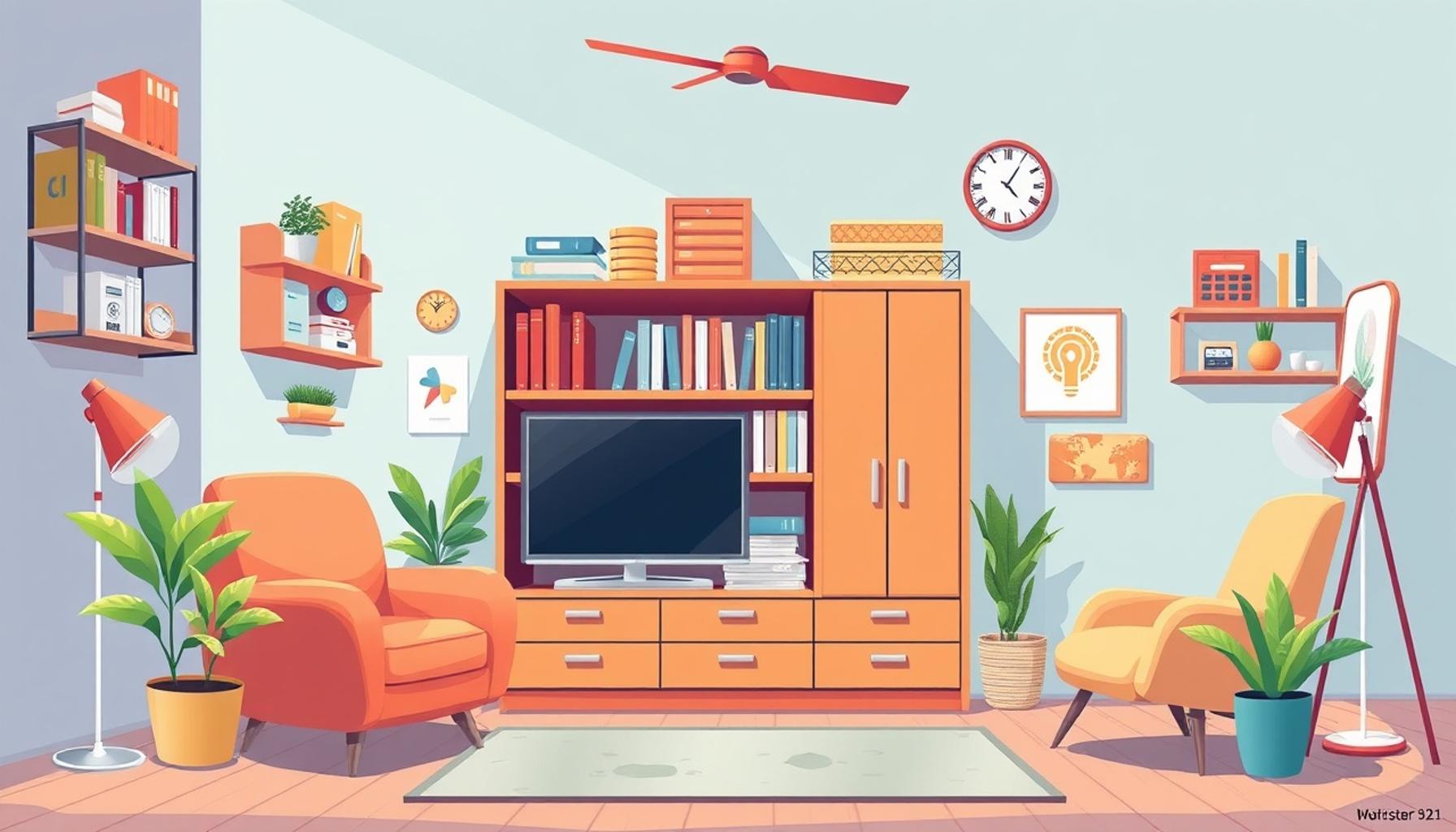
Thoughtful organization plays a crucial role in minimalist design as well. By implementing smart storage solutions, you can effectively maximize every nook and cranny of your living area. Think vertically; wall-mounted shelves or hanging organizers not only keep things tidy but also free up floor space, allowing for more movement and a sense of freedom within the confines of your home.
Numerous studies have showcased that adopting a minimalist lifestyle can significantly lead to reduced stress and increased focus. By eliminating distractions and visual noise, minimalism fosters an atmosphere conducive to clarity and productivity. Transforming your small space into a peaceful haven can lead to enhanced creativity and well-being, which is invaluable in our busy lives.
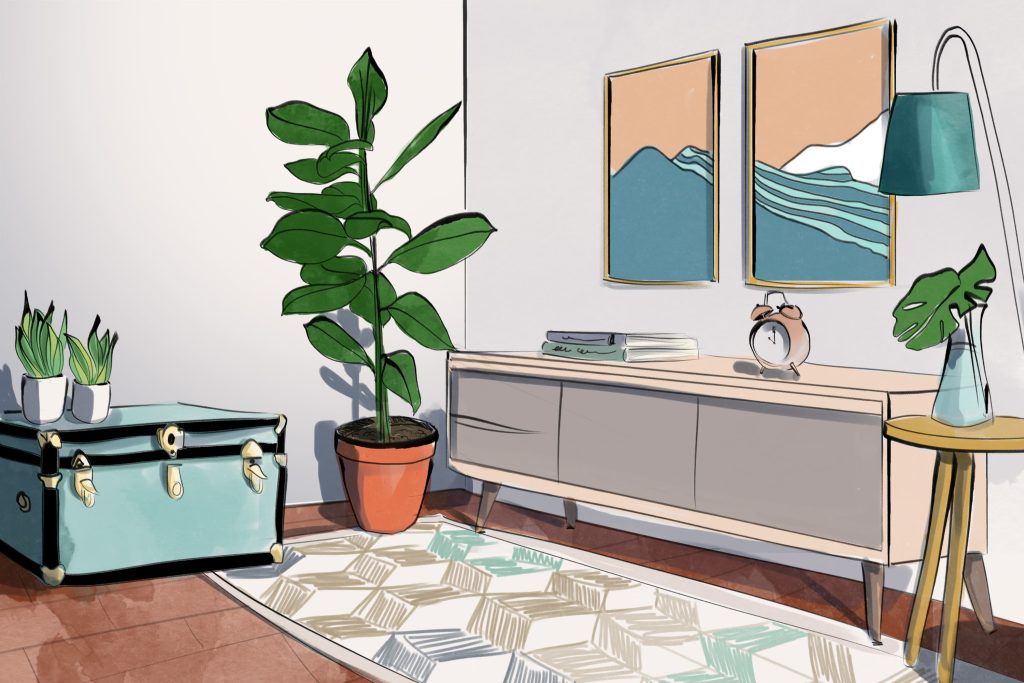
In the following sections, we will explore practical strategies and inspiring ideas that can help you incorporate minimalism into your daily life. Whether you’re navigating a tiny apartment in the heart of New York City or a cozy studio in San Francisco, you’ll learn essential techniques for maximizing your space while embracing the elegant simplicity that minimalism promises. Get ready to embark on a journey to discover how your small living space can be a reflection of tranquility and efficiency!
DISCOVER MORE: Click here for smart storage solutions
Implementing Minimalist Principles for Enhanced Space Efficiency
To fully appreciate how minimalism can transform small environments, it’s essential to delve into its core principles that prioritize space utilization. At the heart of minimalism lies the concept of simplicity. By stripping down an area to its most essential elements, you can create a harmonious living environment that maximizes every square foot.
One of the first steps to embrace minimalism in a small space is to conduct a thorough decluttering session. This process not only involves clearing out items that no longer serve a purpose but also fostering an essential mindset towards consumption. Here’s how you can begin:
- Assess the Necessity: Evaluate each item in your home. Does it fulfill a functional role or spark joy? If not, consider donating or recycling it.
- Establish Designated Spaces: Create specific spots for your belongings. This not only keeps your environment tidy but also makes it easier to locate items when needed.
- Limit Inflow: Prevent clutter from re-entering your space by adopting a one-in, one-out rule. For every new item brought home, an old one should be let go.
These simple yet effective steps can profoundly change your perception of space. A decluttered environment is visually less chaotic, which naturally gives the impression of a larger area, promoting a sense of calmness even in the most compact surroundings.
Next, consider the role of color and light in enhancing your space through minimalism. Opting for a neutral color palette can contribute to the illusion of spaciousness. Light colors reflect more light, making a room feel open and airy. Additionally, maximizing natural light by strategically placing mirrors can further amplify this effect. For instance, a well-placed mirror opposite a window can bounce natural daylight around the room, creating a brighter and more inviting atmosphere.
Minimalism also encourages thoughtful decoration. Instead of overcrowding your walls with artworks and photographs, choose a few statement pieces that resonate with you. This approach invites focus and contemplation rather than overwhelming the senses. Curated decor can also serve a dual purpose; for example, a beautifully framed clock or an artistic wall shelf can be both aesthetically pleasing and functional.
In small environments, every detail counts. Therefore, the integration of smart storage solutions is another fundamental aspect of minimalism. Think creatively about your space; furniture that features hidden compartments or under-bed storage can be a game changer. Use baskets, bins, and organizers to maintain a neat appearance while optimizing your available area. The goal is to organize without cluttering, transforming your living area into a serene retreat.
As we continue to explore the profound effects of minimalism, you’ll discover more strategies and ideas that can liberate your small living space. By adopting these minimalist principles, you not only maximize your environment but also cultivate a lifestyle that celebrates tranquility and efficiency, making the most out of the space you have.
| Advantage | Description |
|---|---|
| Enhanced Functionality | Minimalism promotes essentialism, where only necessary items remain, enhancing the overall functionality of a small space. |
| Increased Natural Light | Fewer objects mean less clutter, allowing natural light to flow freely, creating an airy and open atmosphere. |
| Visual Order | A minimalist approach leads to a visually organized space, reducing distraction and promoting peace of mind. |
| Flexibility | Minimal decor and furniture can adapt over time, allowing for dynamic rearrangement based on your changing needs. |
In addition to these advantages, minimalism encourages a mindful approach to consumption and lifestyle. It invites individuals to reconsider their ownership, fostering a sense of freedom as they let go of unnecessary possessions. The psychological benefits of living in a decluttered space cannot be underestimated; studies have shown that a clean environment can lead to improved mood and productivity. Moreover, incorporating multifunctional furniture not only saves space but also elevates the design aspect of small settings, blurring the lines between style and practicality.Embracing minimalism also ties into broader sustainability initiatives, where reducing excess contributes to environmental conservation. This holistic perspective encourages a lifestyle that cherishes experiences over possessions, advocating for a new norm that resonates particularly well in today’s fast-paced, materialistic society. By exploring these dimensions, one can uncover deeper insights into how minimalism not only maximizes physical space but also enhances overall quality of life.
DISCOVER MORE: Click here to delve into minimalist parenting
Flexible Design: Adapting Spaces for Multi-Functional Living
Another essential aspect of minimalism that can significantly boost space efficiency in small environments is the concept of flexible design. Adapting spaces for multi-functional use is a hallmark of minimalist living. In a world where many people reside in compact homes or apartments, having furniture that serves dual purposes is not just a luxury but a necessity. For example, a sleek fold-out desk can serve as both a workspace and a dining table, while a sofa bed easily transforms into a sleeping area for guests.
Consider investing in modular furniture that can be rearranged to suit various activities at different times of the day. This allows you to tailor your living space to fit your specific needs without overcrowding it with unnecessary pieces. The flexibility of modular furniture ensures you can make the most of your area, whether hosting friends or enjoying a quiet evening at home.
Moreover, utilizing corners and underutilized areas in your home can greatly enhance the functionality of your small environment. For instance, corner shelves can provide essential storage without occupying valuable floor space. Similarly, wall-mounted desks or folding tables can effectively create a workspace in a nook without overwhelming the room’s overall aesthetic.
Embracing a Minimalist Mindset: Mindfulness in Consumption
The journey towards a minimalist lifestyle isn’t solely about physical space; it also encompasses a shift in mindset. When you embrace a minimalist mindset, you begin to value experiences over possessions. This philosophy encourages a more mindful approach to consumption, fostering a deeper appreciation for what truly enhances your life. As you reevaluate your material belongings, you may find that quality trumps quantity.
For instance, rather than filling your closet with numerous similar outfits, invest in a few versatile, high-quality pieces that can be mixed and matched for various occasions. This not only simplifies decision-making but also reduces clutter, which can contribute to a more spacious feeling in your home.
This mentality also extends to the electronics and gadgets we accumulate. Opting for minimalistic technology not only saves space but can also lead to a more organized digital life. For example, using a single device that combines functionality, such as a tablet capable of replacing a computer, can eliminate the need for multiple devices cluttering your space.
Engaging with the minimalism mindset can lead to sustainable living choices. It encourages you to think carefully before making purchases, thus reducing waste and promoting a responsible lifestyle. By limiting your personal belongings, you create not only a more expansive physical environment but also enhance mental clarity and focus.
Smart Lighting and Atmosphere: The Finishing Touches
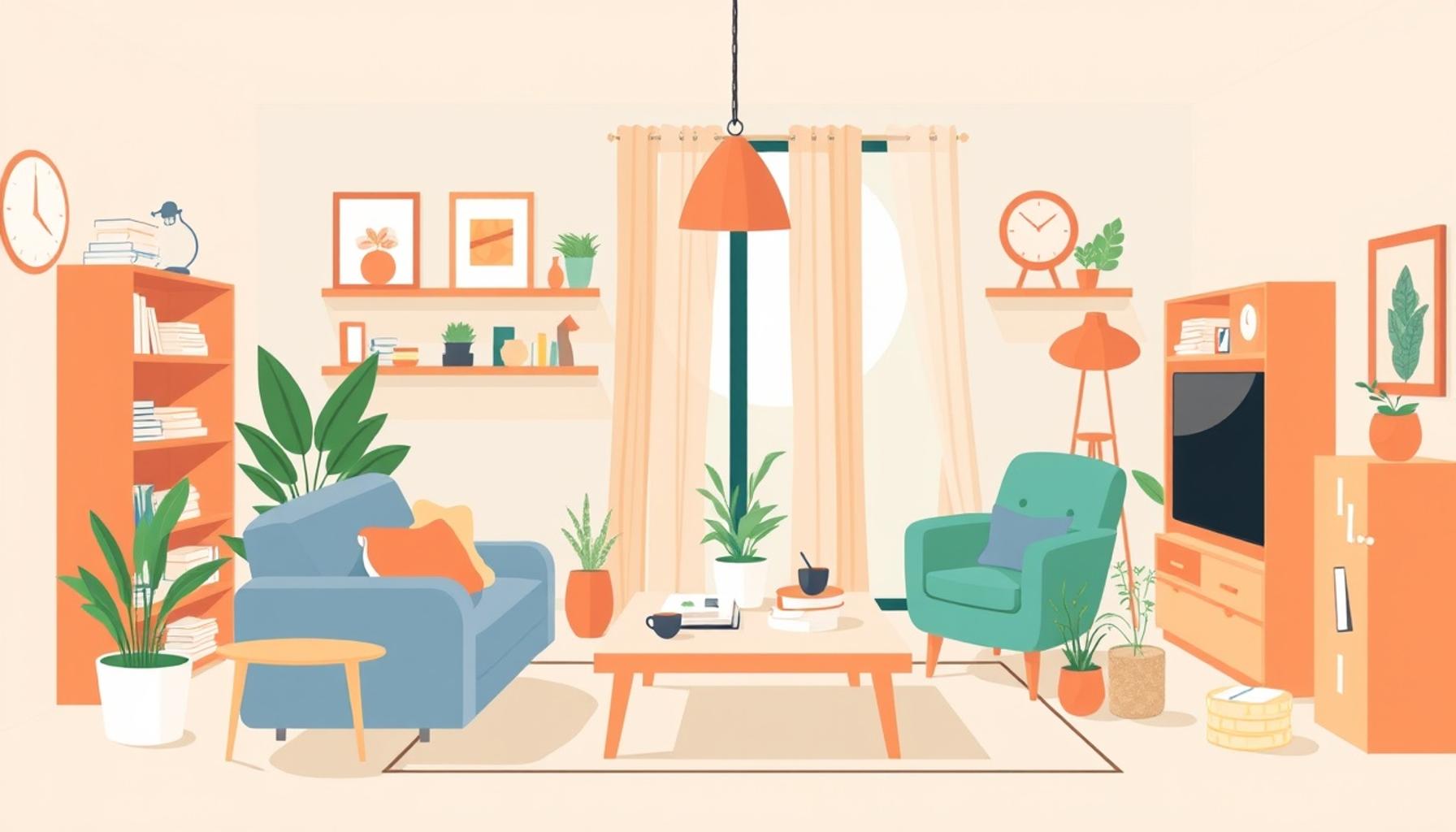
The final touch in achieving a minimalist space lies in how you manipulate lighting and atmosphere. Smart lighting solutions allow you to adjust brightness levels according to your needs, enhancing the functionality of your small space. Natural light should always be maximized, so consider using sheer curtains that allow sunlight to flood in while maintaining privacy.
Additionally, statement light fixtures can serve a dual purpose—acting as a focal point and enhancing ambiance without the need for excessive decoration. A well-placed pendant light can draw the eye upwards, creating the illusion of greater height in the room, thus further contributing to a spacious feel.
Incorporating elements such as plants can also infuse life into your minimalist design without overwhelming the space. Choose various sizes and types, but limit the number to maintain that clean, uncluttered aesthetic characteristic of minimalism. When curated carefully, even greenery can serve as a subtle decoration that enhances your environment without compromising on space.
By blending flexible design, a minimalist mindset, and thoughtful lighting, you can transform your small environment into a beautifully functional space. Embracing minimalism is not just about aesthetics—it’s a lifestyle that maximizes space and enriches your daily experience.
DISCOVER MORE: Click here to dive deeper
Conclusion: The Transformative Power of Minimalism in Small Spaces
In today’s fast-paced world where urban living often means smaller accommodations, minimalism emerges as a powerful approach to enhance and maximize available space. By adopting a minimalist lifestyle, one not only declutters physical environments but also cultivates a greater sense of peace and mindfulness. This holistic strategy allows individuals to focus on what truly matters, transforming their homes into functional sanctuaries rather than overcrowded areas.
The integration of flexible design into home furnishings unveils endless possibilities for multi-functional use, offering solutions that adapt to one’s changing needs. Investing in modular furniture and utilizing often-overlooked spaces can make even the tiniest rooms feel open and inviting. Moreover, aligning with a minimalist mindset fosters more conscious consumer habits, leading to a curated collection of meaningful and purposeful possessions that enrich one’s lifestyle rather than burden it.
Lighting plays a pivotal role as well; it can dramatically alter how space is perceived, enhancing both atmosphere and functionality. With the right balance of natural and artificial light, small environments can achieve an airy feel that dispels clutter visually and mentally.
Ultimately, embracing the principles of minimalism doesn’t merely maximize space; it revitalizes the way we interact with our surroundings. As you explore the path of minimalism, learn to appreciate simplicity, functionality, and quality in your choice of furnishings and lifestyle. The result is a home that not only feels larger but also serves as a canvas for creating a fulfilling, serene existence in today’s ever-busy world.
Related posts:
Minimalism and Sustainability: Strategies for Making the Most of Spaces with Conscious Consumption
Minimalist Closet Organization: Techniques to Maximize Storage Space at Home
The Art of Detachment: How to Reduce Items to Maximize Space at Home
The Importance of Free Space: Creating Functional Environments with Minimalism
Transforming Multifunctional Furniture: The Art of Maximizing Spaces with Minimalist Design
Digital Minimalism: How to Organize Your Virtual Space for a More Efficient Life

Linda Carter is a writer and organization expert specializing in minimalism and personal organization. With extensive experience helping individuals create clutter-free, functional spaces and adopt mindful habits, Linda shares her knowledge on our platform. Her goal is to empower readers with practical advice and strategies to simplify their lives, stay organized, and achieve a sense of calm and balance in their daily routines.