
Understanding Functional Training Techniques
In recent years, functional training has gained significant traction among fitness enthusiasts, athletes, and everyday individuals alike. This form of exercise emphasizes movements that are not only physically effective but also incredibly relevant to daily life. It integrates exercises that mirror the natural actions we perform regularly, from bending down to tie our shoes to lifting objects overhead. This alignment with real-world movements makes functional training a compelling choice for enhancing overall fitness.
Key Features of Functional Training
Functional training distinguishes itself through several fundamental characteristics that cater to both fitness and practical utility:
- Movement Patterns: This technique highlights exercises that replicate the foundational movements of daily life. Squatting down to pick something off the ground, pushing a stroller, or pulling yourself up from a seated position are all integral to functional training.
- Core Stability: Many functional exercises target the core, the body’s power center. Strengthening the core enhances balance and stability, reducing the risk of falls and injuries, especially in older adults.
- Comprehensive Conditioning: Functional training often involves compound exercises that engage multiple muscle groups at once. For instance, a deadlift utilizes muscles from your legs, core, and back simultaneously, promoting better overall fitness and time efficiency.
The Advantages of Embracing Functional Training
The surge in popularity of functional training in the United States can be attributed to its numerous benefits, many of which have practical implications:
- Enhanced Strength: By focusing on muscle strength that is relevant to everyday tasks, individuals often find themselves performing activities with greater ease. For example, carrying heavy grocery bags can become a breeze when your body is accustomed to lifting and stabilizing weight through functional exercises.
- Reduced Injury Risk: Because functional training promotes proper biomechanics, it helps in minimizing the risk of injuries. Better posture and form lead to a more balanced body, and this equilibrium can protect against common ailments such as back pain or joint issues.
- Increased Functional Mobility: Flexibility and mobility are crucial for maintaining an active lifestyle. Functional training helps individuals achieve greater range of motion, making everyday activities easier. Bending, stretching, and reaching become far less strenuous, which is particularly beneficial for older adults or those recovering from injury.
Curious how functional training can transform your approach to fitness? Its core principles offer a practical way to integrate physical activity into daily life, enhancing not just athletic performance but also everyday efficiency and well-being. As we delve deeper, you’ll discover how these training techniques find their way into gyms, community centers, and individual routines across the country, empowering people of all ages to embrace a healthier lifestyle.
LEARN MORE: Click here to discover the role of healthy fats
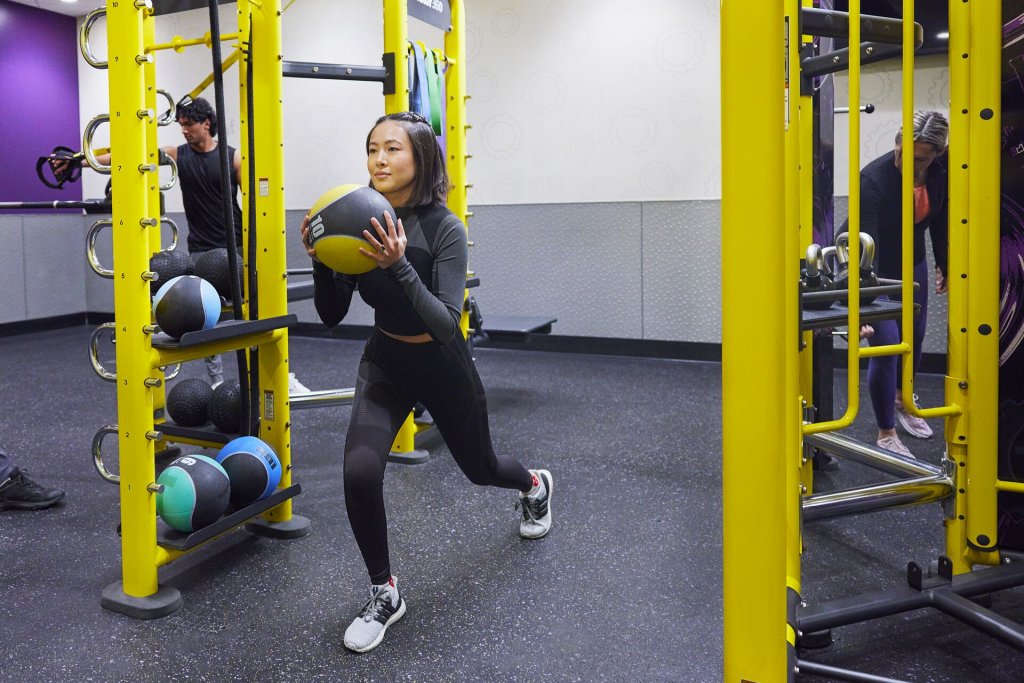
Building a Foundation for Everyday Life
As we navigate through daily tasks, from lifting our children to gardening or even sitting at our desks for extended periods, the need for effective, tailored physical conditioning becomes clear. Functional training offers a holistic approach that adapts well to the varied landscapes of modern life, making it a powerful ally in enhancing everyday strength.
Why Functional Training Matters
Understanding the core premise behind functional training goes beyond just fitness—it’s about preparing the body for real-life challenges. Unlike traditional weightlifting, which often emphasizes isolated muscle groups, functional training mimics the movements we execute unconsciously every day. This alignment with real-world functionality means individuals benefit not just from increased strength but also from the improvements in coordination, agility, and endurance. Consider the following ways functional training impacts daily living:
- Real-Life Application: Functional training programs integrate movements that replicate everyday actions. For instance, exercises like kettlebell swings or medicine ball throws mirror the demands placed on our bodies when we lift, reach, or twist while performing household chores or engaging in recreational activities.
- Community and Connection: Many functional training classes foster a sense of community, providing a support network that encourages participants to push boundaries together. This shared experience not only enhances motivation but instills a sense of belonging that can lead to sustained lifestyle changes.
- Personalization: Functional training is versatile and can be easily tailored to individuals of all fitness levels. Whether you’re an experienced athlete or someone looking to regain your strength after an injury, these techniques can be adjusted to suit your personal goals and physical capabilities, ensuring that progress is both achievable and motivating.
The benefits of functional training extend far beyond the gym walls, permeating all aspects of life. By focusing on everyday strength, individuals often find they are better equipped to handle life’s hurdles, whether it’s balancing groceries while navigating the stairs or playing actively with their children. As adjustments to daily life become second nature, the self-confidence gained through improved strength and stability can lead to greater participation in social and recreational activities.
Practical Applications in Everyday Life
To truly appreciate the impact of functional training, consider how its principles can enhance various activities directly related to everyday life. Some practical applications include:
- Improving Posture: Desk jobs and prolonged periods of inactivity can lead to poor posture over time. Functional training helps strengthen muscles that support proper alignment, making it easier to sit upright during those long working hours.
- Preparing for Athletic Endeavors: Whether you’re running a marathon or hiking on weekends, functional training prepares your body for dynamic movements, increasing your athletic performance.
- Enhancing Performance in Sports: For sports enthusiasts, functional training provides the necessary strength and balance required for various activities, contributing to better performance and more enjoyment in your chosen sport.
As we delve deeper into the myriad benefits of functional training techniques, it becomes evident that embedding these practices into our lifestyle can lead to a transformative impact on everyday strength and fitness. The journey toward a stronger body is not just about lifting weights; it’s about preparing oneself for a life filled with movement and vitality.
| Category | Advantages |
|---|---|
| Core Stability | Enhanced balance and posture, reducing injury risks. |
| Functional Movements | Mimics everyday activities, improving overall movement efficiency. |
| Improved Strength | Builds strength in multiple muscle groups for real-life applications. |
| Injury Prevention | Strengthens joints and stabilizers to prevent strains and injuries. |
| Versatile Training Options | Allows the incorporation of various tools and spaces, keeping workouts engaging. |
Functional training techniques are pivotal for achieving strength that translates into everyday life. By focusing on core stability, individuals can expect notable improvements in balance and posture, which reduces injury risks. Moreover, functional movements simulate daily tasks, leading to enhanced movement efficiency.Additionally, these workouts target multiple muscle groups, fostering improved strength applicable in real-world scenarios. As joints and stabilizers strengthen, the likelihood of strains diminishes, thus enhancing injury prevention. The diversity of training options not only promotes engagement but also makes fitness accessible in various settings, whether at home or in the gym. Embracing functional training can profoundly influence one’s physical capabilities, shaping a community of stronger, more resilient individuals who are prepared to face daily challenges.
DISCOVER MORE: Click here to learn about periodization
Enhancing Mobility and Preventing Injury
One of the standout benefits of functional training is its ability to enhance mobility and reduce the risk of injury. As individuals incorporate functional movements into their workout routines, they cultivate a greater range of motion and flexibility, which are pivotal for everyday tasks. This increased mobility is particularly beneficial for older adults, who may face the challenge of maintaining physical independence.
Joint Stability and Strength
Functional training emphasizes the development of stable joints, which are essential for safe and effective movement. Exercises such as lunges, squats, and rotational movements are designed to engage multiple muscle groups simultaneously while also stabilizing the core. As a result, individuals experience improved joint strength, reducing the likelihood of injuries associated with slips, falls, and awkward movements. Data from the American Council on Exercise indicates that incorporating functional training techniques can lead to a significant decrease in injuries among novice athletes and weekend warriors alike.
Core Strength and Stability
The core plays a vital role in nearly every movement we make, from bending down to tie our shoes to reaching overhead to place items on a shelf. Functional training focuses heavily on exercises that engage the core, ensuring it behaves as a stable base for all other movements. Workouts that feature planks, woodchoppers, and rotational medicine ball throws not only strengthen the major core muscles but also enhance proprioception and balance. According to a study published in the Journal of Strength and Conditioning Research, participants who engaged in core-focused functional training demonstrated improved stability and a lower incidence of core-related injuries.
Boosting Mental Well-being
Physical activity has long been linked to mental well-being; however, functional training adds a unique dimension by promoting problem-solving skills and cognitive engagement during workouts. Many functional training exercises require coordination, timing, and strategy, which can translate to improved focus and alertness outside the gym. The collaborative nature of group classes further nurtures social interaction, providing a dual benefit to mental health. The Centers for Disease Control and Prevention (CDC) highlights engaging in regular physical activity, including functional training, as a method to alleviate symptoms of anxiety and depression.
Adaptability for All Ages
- Teens: For teenagers involved in sports, adopting functional training techniques early on teaches the fundamentals of body mechanics, aiding athletic development and performance.
- Adults: Adults can integrate functional exercises to maintain muscle health, manage weight, and facilitate everyday tasks, ensuring they remain active and independent longer.
- Seniors: Older adults benefit from functional training significantly, as it improves the ability to perform daily routines, enhances quality of life, and reduces the fear of falling.
The versatility of functional training creates an inclusive environment where individuals of any age can reap the benefits of enhanced strength, agility, and mobility. As a growing body of research supports the importance of functional training in sustaining health and vigor throughout life stages, the approach continues to gain traction in gyms, studios, and fitness communities across the United States.
As you explore the benefits of functional training, remember that the goal isn’t solely to achieve aesthetic results, but to cultivate a robust, capable body that navigates life’s challenges with confidence and ease. The integration of functional fitness into your routine not only fortifies your physical abilities but also empowers you to live life to the fullest.
DON’T MISS: Click here to enhance your workout with proper breathing techniques
Conclusion: Embracing Functional Training for a Stronger Future
In summary, the myriad benefits of functional training highlight its significance not just in enhancing athletic performance but also in fostering everyday strength for individuals across all ages. By focusing on movements that mimic daily activities, functional training empowers people to navigate life’s challenges with greater ease. From improving mobility and joint stability to bolstering core strength, the positive impacts on physical health are both profound and far-reaching. Furthermore, the mental stimulation and community aspects inherent in many functional training practices support overall well-being, combating issues such as anxiety and depression.
As more research underscores the effectiveness of functional training in promoting health and vitality, fitness enthusiasts and casual exercisers alike are encouraged to integrate these techniques into their routines. The adaptability of functional training means it can be personalized to suit the unique needs of teenagers, adults, and seniors, ensuring everyone can benefit from improved functional strength and agility.
Ultimately, the shift towards a focus on functional fitness is not just a trend but a transformative approach to physical health that emphasizes capability over aesthetics. As you consider adopting functional training techniques, remember that the journey toward a stronger, more resilient body is not merely about the physical outcomes but also about enhancing the quality of life for you and those around you.
Related posts:
The Role of Recovery Techniques in Enhancing Training Outcomes in Weightlifting
The Benefits of Functional Training Techniques for Strength and Stability
Incorporating High-Intensity Interval Training (HIIT) for Optimal Muscle Growth
The Role of Recovery Techniques in Maximizing Muscle Gains
The Importance of Proper Breathing Techniques in Weight Training for Improved Performance
Incorporating Mobility and Flexibility Drills into Weight Training Routines

Linda Carter is a writer and organization expert specializing in minimalism and personal organization. With extensive experience helping individuals create clutter-free, functional spaces and adopt mindful habits, Linda shares her knowledge on our platform. Her goal is to empower readers with practical advice and strategies to simplify their lives, stay organized, and achieve a sense of calm and balance in their daily routines.