Design of Multifunctional Furniture: The Key to Maximizing Space in Minimalist Environments

The Allure of Minimalist Living
Embracing a minimalist lifestyle is increasingly becoming a desirable choice for many individuals seeking to simplify their lives and enhance their living spaces. As urbanization intensifies and housing sizes shrink, the challenge lies in creating environments that are both functional and aesthetically pleasing without overwhelming clutter. A key player in addressing this challenge is the integration of multifunctional furniture, which not only optimizes the use of limited space but also adheres to the principles of simplicity and elegance.
Why Multifunctional Furniture?
In modern-day living, particularly in bustling cities where square footage is often limited, incorporating multifunctional furniture can revolutionize how we utilize our environments. The following benefits illustrate why such pieces are advantageous:
- Versatility: Items like sofa beds can transform any living room into a guest bedroom, accommodating visitors without the need for a separate room. Extendable dining tables can easily transition from cozy family dinners to larger gatherings, showing adaptability in both daily use and special occasions.
- Efficiency: Multifunctional pieces, such as coffee tables that can convert into dining tables, effectively reduce clutter by combining functions into single items. This streamlining not only saves space but also minimizes the need for numerous pieces of furniture.
- Style: Modern multifaceted designs—with clean lines and chic finishes—align seamlessly with the minimalist aesthetic. Whether using a sleek, modern bookcase that features a fold-down desk or a stylish storage bench at the entryway, practicality does not have to come at the cost of style.
Examples of Multifunctional Solutions
Today, innovative designers are pushing the boundaries of traditional furniture concepts to include multifunctionality in various ingenious ways. Some notable examples include:
- Ottomans equipped with hidden storage compartments, ideal for stowing away blankets and magazines, keeping the living area decluttered.
- Wall-mounted desks that can be conveniently folded away when not in use, perfect for small apartments where every inch counts.
- Bunk beds designed with a workspace underneath, allowing children to maximize their bedroom space for both sleep and study, all within a compact footprint.
Incorporating multifunctional furniture is not solely about enhancing functionality; it also presents an opportunity for homeowners to express their unique style while optimizing their living areas. As we delve deeper into the realm of multifunctional furniture, it becomes evident that even modest spaces can be transformed into beautifully arranged environments that prioritize both convenience and aesthetic appeal. By taking deliberate steps towards minimalism, individuals can create sanctuaries that truly reflect their personal values and lifestyle choices, promoting a sense of calm and order amidst the chaos of daily life.
DISCOVER MORE: Click here to learn about digital minimalism
The Art of Space Optimization
In a world where living spaces are becoming increasingly compact, the design of multifunctional furniture emerges as a vital solution for maximizing every square inch. With the rise of small apartments and micro-living concepts, furniture that performs multiple roles is not just a luxury but a necessity. The challenge lies in balancing functionality and style, where innovative design can transform ordinary pieces into extraordinary ones, solving space constraints without sacrificing aesthetic appeal.
Innovative Design Principles
At the core of multifunctional furniture design is the principle of versatility. By incorporating smart design elements, furniture can easily transition from one purpose to another, making it ideal for minimalist environments. Here are several exemplary design principles that exemplify this approach:
- Modularity: Modular furniture can be reconfigured to suit various needs. For instance, sectional sofas can be rearranged to create different seating arrangements, while modular shelving can be adjusted to accommodate books, decor, or office supplies based on the user’s current needs.
- Transformability: This design feature allows furniture pieces to effortlessly change form. Convertible coffee tables that adjust in height or extendable dining tables that expand for gatherings showcase the transformative capabilities of multifunctional furniture.
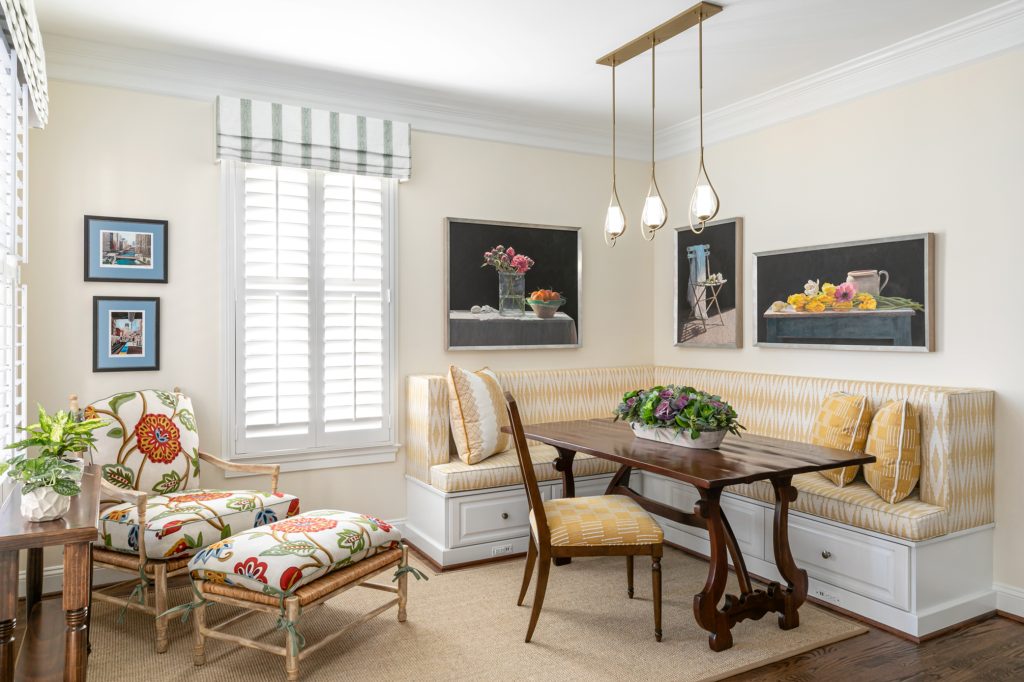
- Hidden Storage: Effective use of available space is crucial in a minimalist setting. Furniture with built-in storage solutions, such as beds with drawers underneath or ottomans that open to reveal compartments, eliminate clutter while maintaining clean lines and a serene environment.
Personalization in Minimalism
The appeal of multifunctional furniture goes beyond just functionality; it also allows homeowners to inject their personal style into their spaces. Creative designers are combining aesthetics with practicality in ways that invite homeowners to customize their environments. Bright colors, unique textures, and innovative shapes can make functional pieces feel like integral parts of the decor rather than mere tools for utility. Moreover, personalization fosters a deeper emotional connection to the space, encouraging individuals to embrace a minimalist lifestyle further.
Moreover, as consumers become more environmentally conscious, there is a growing trend toward sustainable materials and production practices in the design of multifunctional furniture. Brands are now prioritizing eco-friendly woods, recycled materials, and finishes that align with the principles of sustainability, meeting the demands of a modern, socially responsible market.
In exploring the multifaceted world of multifunctional furniture, it is clear that innovation in design provides solutions that maximize space within minimalist environments. As urban dwellers adapt to smaller living areas, they can embrace a new approach to home styling that prioritizes flexibility and efficiency, all while achieving a delightful balance of functionality and style.
| Advantage | Description |
|---|---|
| Space Optimization | Multifunctional furniture is designed to serve multiple purposes, allowing you to utilize space more efficiently in small living areas. |
| Enhanced Aesthetics | These furniture pieces combine functional design with modern aesthetics, making your minimalist space not only practical but also visually appealing. |
| Cost-Effective Solution | Investing in multifunctional furniture can reduce the need for multiple pieces, thus lowering overall expenses while still meeting various needs. |
| Sustainability | With a focus on eco-friendly materials, these designs promote sustainability by using fewer resources to provide multiple functions. |
The design of multifunctional furniture is more than just an aesthetic choice; it’s a necessary evolution for modern living spaces that often challenge conventional styles with their limited area. By embracing this innovative design concept, individuals not only enhance the functionality of their environments but also contribute to a trend that emphasizes sustainable living. The current preference for minimalist settings leads to a demand for clever solutions that balance personal style and utility. Moreover, these designs help combat clutter, allowing residents to maintain a clean and organized space. Numerous factors come into play when choosing the right multifunctional item for your home, including size, material, and dual-purpose capabilities. As the trend continues to grow, many manufacturers are exploring new ways to incorporate technology into furniture designs, making it incredibly interesting for those looking to update their living areas without compromising on either style or practicality.
DIG DEEPER: Click here for more tips
Ergonomics Meets Aesthetics
Modern living demands that furniture not only be functional but also comfortable and visually appealing. The design of multifunctional furniture focuses on ergonomics—the science of designing furniture that supports human anatomy and facilitates ease of use. As lifestyles evolve, so do expectations for how furniture interacts with daily activities. A perfect example is the rise of ergonomic office solutions integrated into home environments, such as desk and chair combinations that can convert into more relaxed lounge areas after hours. This dual functionality encourages a seamless transition between work and leisure, vital in today’s flexible working climate.
The Role of Technology
Innovative technology plays a pivotal role in the evolution of multifaceted furniture designs. Items like smart beds that can adjust firmness based on the sleeper’s comfort or automated living room tables that rearrange themselves for different activities are becoming more common in contemporary interiors. These advancements not only elevate the user experience but also integrate into the minimalist ethos by removing the need for multiple standalone products. As technology becomes increasingly sophisticated, we can anticipate a future where furniture not only adapts to our needs but also anticipates them.
Moreover, technology crosses into sustainability with features like smart energy management systems integrated within furniture to reduce energy consumption. Many designs now incorporate LED lighting that can adapt to different settings and moods, allowing for a more flexible ambiance without compromising aesthetic appeal. This trend reflects consumer desires for eco-friendly solutions that align with evolving lifestyles while adhering to minimalist principles.
Case Studies in Urban Living
Examining real-world implementations of multifunctional furniture reveals significant trends. Urban dwellers in cities like New York and San Francisco, where square footage is limited, are increasingly embracing this style of living. For instance, companies such as Resource Furniture offer a range of transformable pieces—from wall beds to retractable tables—that enable homeowners to convert a typical studio apartment into a dynamic space suitable for entertaining guests or unwinding after a long day.
Another innovative example is seen in compact living solutions offered by IKEA, where rooms often serve multiple purposes. Their Buffalo Wood Table can act as a work desk during the day and convert into a dining table by night, embodying the quintessential qualities of multifunctional furniture.
The impact of multifunctional designs extends beyond residential spaces, influencing commercial and public environments. Restaurants and cafes are integrating multi-purpose seating arrangements, such as benches that can function as storage or expandable tables that accommodate large gatherings. This not only optimizes space in smaller establishments but also creates a more engaging atmosphere for customers.
As the exploration of multifunctional furniture unfolds, it becomes clear that the approach transcends mere necessity. It is about crafting livable spaces that encapsulate comfort, freedom, and personal expression. By fostering creativity and adaptability in furniture design, the minimalist lifestyle can thrive without the burden of overcrowded, overly complex interiors.
DIVE DEEPER: Click here to discover the power of minimalism
Conclusion
In a world where urban living is increasingly synonymous with limited space, the design of multifunctional furniture emerges as a vital solution to the challenges posed by minimalist environments. As we have explored, this innovative approach not only maximizes space but also enhances the overall aesthetic and functionality of our living areas. The integration of ergonomics ensures that furniture performs well while aligning with our natural movements and preferences, making daily activities comfortable and practical.
Moreover, the infusion of technology into furniture design brings forth a new era where adaptability becomes the norm. Smart solutions, such as adjustable beds and modular seating arrangements, empower users to create spaces tailored to their evolving lifestyles instead of being confined to rigid formats. This adaptability is particularly crucial in metropolitan settings where the need for flexible environments is paramount.
Furthermore, the commitment to sustainability is evident as modern designs embrace eco-friendly materials and energy-efficient features. As consumers prioritize environmental consciousness, multifunctional furniture supports a holistic lifestyle that is both stylish and responsible.
Ultimately, the journey into multifunctional furniture design is not merely about convenience; it represents a profound shift towards living with intention and creativity. By embracing these principles, we can create harmonious and engaging spaces that transcend the clutter of excess, allowing personal expression to flourish in minimalist worlds. As you consider your own space, envision how multifunctional pieces could redefine your environment, maximizing both comfort and utility in your pursuit of a minimalist lifestyle.
Related posts:
Minimalist Organization Strategies to Optimize Home Workspaces
Social Spaces: Creating Cozy Environments with Minimalism and Efficiency
The Art of Detachment: How to Reduce Items to Maximize Space at Home
Minimalism and Sustainability: Strategies for Making the Most of Spaces with Conscious Consumption
The Power of Open Spaces: How Minimalism Contributes to the Maximization of Environments
Digital Minimalism: How to Organize Your Virtual Space for a More Efficient Life

Linda Carter is a writer and organization expert specializing in minimalism and personal organization. With extensive experience helping individuals create clutter-free, functional spaces and adopt mindful habits, Linda shares her knowledge on our platform. Her goal is to empower readers with practical advice and strategies to simplify their lives, stay organized, and achieve a sense of calm and balance in their daily routines.