Cultivating a Minimalist Mind: Mindfulness Practices for a Simple Life
The Transformative Power of Minimalism
In today’s society, where individuals are often bombarded with constant notifications, endless to-do lists, and an overwhelming influx of information, the practice of minimalism emerges as a beacon of hope. Far from being a mere aesthetic choice, minimalism serves as an essential framework for recalibrating our lives and finding genuine fulfillment amidst chaos. As more people seek clarity and tranquility, the integration of mindfulness practices has become crucial in this quest for simplicity.
Mindfulness Meditation
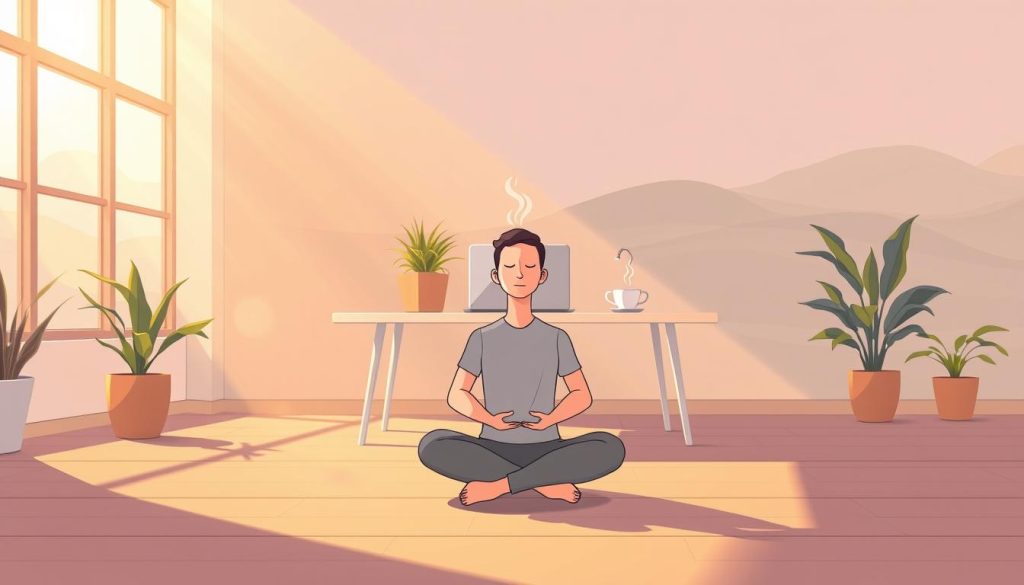
Mindfulness meditation encourages individuals to immerse themselves in the present moment. By focusing on one’s breathing, sensations, and thoughts without judgment, practitioners can cultivate a deep sense of awareness. For instance, setting aside just ten minutes each day to practice mindfulness can significantly improve concentration and emotional regulation. Research shows that consistent mindfulness practice can reduce stress levels by nearly 30%, allowing individuals to tackle their daily challenges with a refreshed perspective.
Decluttering
Decluttering is another vital aspect of minimalism that extends beyond physical space. This process involves revolutionizing our relationship with possessions, where removing excess items leads to a clearer environment. Studies suggest that a clutter-free space not only enhances productivity but also fosters creativity. For instance, someone might decide to clear out their workspace, keeping only essential items, thus creating an atmosphere conducive to focus and innovation. Furthermore, decluttering can extend to emotional aspects, such as letting go of toxic relationships that drain our energy, making room for more fulfilling connections.
Journaling
Journaling serves as an introspective tool that helps individuals track their thoughts and emotions. Through daily writing, one can uncover insights about personal values and priorities. Whether it is a simple gratitude journal or a more elaborate reflective space, noting down thoughts can help amplify clarity and self-awareness. For example, a person may write down their daily experiences and feelings, later discovering patterns or recurring themes that point towards their true desires and what truly contributes to their happiness.
The implications of embracing these mindfulness practices are profound. Processes that enhance focus, nurture increased contentment with minimal resources, and promote reduced anxiety about future uncertainties can essentially redefine the quality of one’s life. As individuals navigate through the complexities of existence, the journey towards minimalism offers not just a pathway to declutter material possessions, but also a means to simplify and cleanse the mind.
Consider embarking on this transformative journey to understand how adopting a minimalist lifestyle can illuminate new pathways to greater happiness and satisfaction. Living simply may very well pave the way for a richer, more meaningful existence.
DIVE DEEPER: Click here to discover how minimalism fosters sustainability
Mindfulness Practices for Embracing Minimalism
Cultivating a minimalist mindset requires intentionality, and mindfulness practices are powerful tools to help facilitate this transformation. By incorporating a few key techniques into daily routines, individuals can shift their perspectives, opening pathways to a less cluttered and more fulfilling life. Here are some essential practices to consider:
Mindful Breathing
Mindful breathing serves as the cornerstone of many mindfulness practices. By paying close attention to the rhythm of your breath, you anchor yourself in the present moment. This simple yet effective technique can be practiced anytime and anywhere—whether you’re commuting, at your desk, or taking a break at home. Notably, studies have found that just a few minutes of focused breathing can lower stress and anxiety levels significantly. Begin with five deep breaths, inhaling through your nose and exhaling through your mouth. This practice helps clear mental clutter, providing space for deeper reflections on what truly matters to you.
Intentional Living
Intentional living is about aligning your daily actions with your core values and beliefs. This approach includes being selective about how you spend your time and energy, ensuring each decision contributes to your vision of a simpler life. For example, consider the following steps to embrace intentional living:
- Identify your priorities: Reflect on what matters most to you, whether it’s family, career, or self-care.
- Set boundaries: Learn to say no to commitments that do not align with your values.
- Evaluate your schedule: Integrate downtime and meaningful activities that bring you joy and satisfaction.
By being conscious of your choices, you cultivate an environment that supports your minimalist goals, encouraging fulfillment instead of overwhelm.
Digital Detox
A digital detox is a crucial step towards fostering a minimalist mind in our hyper-connected world. Unplugging from technology—even if only for a few hours a day—can dramatically enhance mental clarity and reduce distractions. Start by designating specific times to check emails or social media, thereby minimizing the habitual urge to scroll endlessly. Instead, allocate that time for activities that enrich your life:
- Read a book that inspires you
- Engage in physical activity or nature walks
- Practice a hobby that cultivates creativity
These actions not only combat digital fatigue but also nurture a greater appreciation for the present moment, aligning beautifully with the principles of minimalism.
As you implement these mindfulness practices, keep in mind that the journey towards a minimalist mind is personal and evolved through continuous exploration. Each small step contributes to a more intentional, simplistic, and fulfilled existence, enabling you to focus on what genuinely lights you up.
| Mindfulness Practice | Advantages |
|---|---|
| Meditation | Enhances focus and reduces anxiety, allowing for a clearer mind and the ability to simplify thoughts. |
| Gratitude Journaling | Promotes a positive mindset and recognition of what truly matters, helping to declutter emotional baggage. |
Expanding upon these practices, meditation serves as a fundamental mindfulness exercise that not only calms the mind but also sharpens mental clarity. Regular meditation sessions create a mental space where thoughts can be examined without judgment, promoting a clearer understanding of priorities in life. This practice aligns perfectly with the principles of minimalism as it encourages individuals to let go of mental clutter.On the other hand, keeping a gratitude journal helps frame our perspectives, shifting focus from what we lack to what we cherish. Through the act of writing down daily thoughts, individuals can identify unnecessary distractions and appreciate the simplicity of life’s offerings. This deeper appreciation creates a ripple effect, fostering a lifestyle centered around minimalist values that merge with mindfulness seamlessly.By engaging in these practices regularly, individuals may find themselves developing a holistic approach to simplicity, resulting in not just a minimalist lifestyle but the cultivation of a peaceful mind. Discovering these benefits may urge readers to embark on their journey towards a more mindful existence.
DISCOVER MORE: Click here to learn how to declutter your space
Exploring Additional Mindfulness Techniques for Minimalism
Beyond the foundational practices of mindful breathing, intentional living, and digital detox, there are a variety of other mindfulness techniques that can further enrich your minimalist journey. Incorporating them into your lifestyle not only enhances your mental clarity but also aligns your daily habits with the principles of minimalism. Let’s delve deeper into these transforming practices:
Gratitude Journaling
Gratitude journaling is a potent mindfulness practice that can shift your focus from what is lacking to what you have. By taking just a few minutes each day to jot down a handful of things you are grateful for, you cultivate an appreciation for the simplicity in your life. Research has shown that this practice can lead to increased happiness and reduced feelings of depression. Try listing three to five things each day, ensuring that you reflect on why you appreciate these aspects of your life. This clarity can reinforce your commitment to minimalism by helping you recognize what brings true value and joy, thus empowering you to let go of excess.
Decluttering With Purpose
Another effective strategy in fostering a minimalist mindset is decluttering with purpose. Rather than viewing decluttering as a daunting chore, approach it as an opportunity for clarity and renewal. Start by choosing a specific area to tackle, whether it’s a closet, desk, or digital files. As you sift through each item, ask yourself two critical questions: “Does this add value to my life?” and “Does it align with my core values?” By adopting this mindful approach, you’ll not only create a more organized and peaceful physical space but also reinforce your understanding of what is truly essential.
Nature Immersion
Engaging with nature, or nature immersion, has been shown to have restorative effects on mental health. Spending time outdoors, whether in a local park or hiking a mountain trail, encourages you to disconnect from the fast-paced demands of modern life and reconnect with the simple beauty of the natural world. Aim for at least 30 minutes in nature each week. This can include activities such as mindful walking, meditating under a tree, or simply sitting quietly and observing your surroundings. Nature promotes mindfulness effortlessly, allowing you time to reflect and cultivate a sense of gratitude for the simplicity surrounding you.
Mindful Eating
Mindful eating is a practice that encourages awareness of the food you consume and the act of eating itself. By slowing down and savoring each bite, you foster a deep connection with your body’s needs, promoting both physical health and mental clarity. Start by eliminating distractions during meals—turn off the TV and put away your phone. Pay attention to the flavors, textures, and colors of your food. Such practices not only enhance your eating experience but also encourage a less impulsive relationship with consumption, reinforcing your minimalist mindset.
Each of these mindfulness practices is a steppingstone towards creating a minimalist mind. They enhance awareness and intentionality in your daily life, which can lead to a more satisfying and simplified existence. Whether through gratitude journaling or connecting with nature, these techniques invite you to explore the essence of living simply and meaningfully.
DISCOVER MORE: Click here to learn how simplicity can enrich your life
Conclusion: Embracing a Minimalist Mindset for a Fulfilling Life
In our fast-paced, material-driven society, cultivating a minimalist mind through mindfulness practices offers a refreshing path to self-discovery and simplicity. As we have explored, integrating practices such as gratitude journaling, decluttering with purpose, connecting with nature, and mindful eating not only clarifies our values but also aligns our thoughts and actions with the essence of a minimalist lifestyle. These techniques encourage us to focus on what truly matters—nurturing relationships, self-care, and authentic experiences—rather than on the overwhelming clutter that often fills our lives.
By actively engaging in mindfulness, we can shift our perspectives, allowing us to appreciate the little things. This shift can lead to a profound sense of fulfillment, as we begin to recognize that happiness doesn’t stem from acquiring more but rather from embracing less. Furthermore, adopting a minimalist mindset can significantly impact our mental well-being, fostering resilience against the stresses of modern life.
As you embark on or continue your journey towards a more minimalist life, remember that progress takes time and varies from person to person. With each mindful choice and practice, you are gradually shaping a lifestyle that resonates with your core values and aspirations. Take the leap—make space for simplicity and watch as your life unfolds into a tapestry of contentment, clarity, and purpose.
Related posts:
Minimalist Organization: Creating Calm and Functional Spaces at Home
Spatial Organization: Creating Calm and Functional Environments with Minimalism
The Art of Letting Go: How Simple Living Transforms Your Life
Simple Living in Family: Building Stronger Bonds with Fewer Distractions
Simplicity in Routine: Practical Tips for Incorporating Simple Living into Daily Life
The Journey of Simple Living: Inspiring Stories of Personal Transformation

Linda Carter is a writer and organization expert specializing in minimalism and personal organization. With extensive experience helping individuals create clutter-free, functional spaces and adopt mindful habits, Linda shares her knowledge on our platform. Her goal is to empower readers with practical advice and strategies to simplify their lives, stay organized, and achieve a sense of calm and balance in their daily routines.