Creating a Minimalist Environment: The Impact of Design on Improving Personal Focus

The Rise of Minimalism in Personal Spaces
In a fast-paced world where notifications buzz relentlessly and information overwhelms, the journey toward personal focus has become essential for many. A growing trend in achieving this state of mental clarity is the adoption of a minimalist environment. Such spaces not only enhance aesthetic appeal but also play a crucial role in promoting cognitive well-being and mental ease.
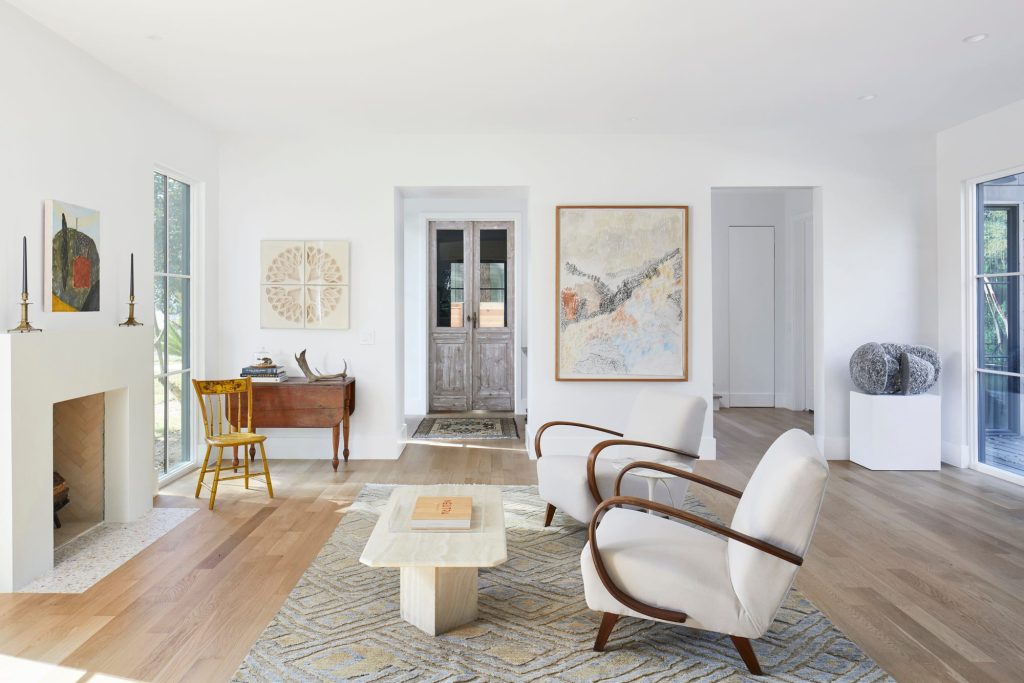
At its core, minimalism is about embracing simplicity and intentionality. This lifestyle choice encourages individuals to differentiate between what is essential and what is superfluous. Adopting minimalist principles in design can transform your home or workspace into an oasis of calm, which can subsequently lead to heightened productivity and creativity. Here are some key elements that characterize a minimalist environment:
- Fewer possessions: The act of decluttering can significantly alleviate mental fatigue. By minimizing distractions, individuals can concentrate more fully on their tasks. For example, a simple desk with only a laptop, a notebook, and a plant can foster an environment conducive to work without the chaos of too many items competing for attention.
- Neutral colors: A palette dominated by soft beiges, whites, and earthy tones offers a peaceful backdrop that can reduce stress. Studies have shown that colors can influence our emotions; hence, maintaining a serene color scheme can enhance mood and promote tranquility.
- Natural light: Incorporating natural light into a space is paramount. Large windows not only brighten the room but also support hormonal balance, which can lead to increased alertness and creativity. Sunshine is known to enhance vitamin D levels, boosting mood and focusing abilities.
Research supports the idea that well-crafted minimalist spaces translate into substantial boosts in productivity. Employees in these environments often report:
- Increased concentration levels, leading to a more effective work output.
- Improved mood and reduced anxiety, creating a healthier workplace atmosphere.
- Enhanced problem-solving abilities, as simplified environments encourage clear thinking.
As we consider these factors, it’s worth examining how your immediate surroundings influence your daily activities. Are there aspects of your environment that lead to distraction, or can minimalism provide the focus you seek? An intentional shift toward a streamlined space could not only help unlock your potential but also redefine your approach to daily challenges. Join us in exploring how this intriguing intersection of design and mental clarity can reshape our lives, one room at a time.
DISCOVER MORE: Click here to find out how to create calm and functional spaces
Essential Elements of a Minimalist Space
To create a minimalist environment that fosters personal focus, one must pay careful attention to several essential elements. Each component plays a unique role in shaping the atmosphere, ultimately impacting an individual’s productivity, creativity, and overall mental clarity. Here, we delve into some critical aspects to consider when designing your minimalist space.
- Intentional Layout: The arrangement of furniture and decor can significantly influence how one interacts with their environment. Opt for open spaces that allow for movement and flow. A well-structured layout not only minimizes clutter but also provides the freedom to work and think without obstructions. An example might be a home office that positions the desk facing a window, inviting natural light and inspiration while keeping distractions out of the line of sight.
- Functional Furniture: Choose furniture that serves multiple purposes, especially in smaller spaces. Pieces such as a sleek desk that includes storage space or an expandable dining table can reduce the need for multiple items, thereby promoting a clean look. The right furniture should blend seamlessly into the environment while fulfilling essential functions without excess.
- Mindful Decor: In a minimalist environment, the decor should be more than just aesthetically pleasing. Each piece should hold significance or serve a purpose. Instead of cluttering surfaces with knickknacks, consider choosing one or two artworks or plants that evoke a sense of calm. This approach not only beautifies the space but also inspires concentration and reduces visual distraction.
There’s a growing body of research that underscores the profound effects of a minimalist design on cognitive performance. According to a study published in the Journal of Environmental Psychology, individuals working in minimalist areas experienced a remarkable 15% increase in their focus and a decrease in stress levels compared to those in more cluttered environments. This highlights the powerful relationship between physical surroundings and mental activity.
Another key factor in a minimalist space is the integration of technology. With our dependency on devices for daily tasks, ensuring that technology is neatly organized and not overpowering is vital. This means utilizing cable management systems, investing in wireless solutions, and keeping essential gadgets to a minimum to avoid cognitive overload. A desk with a laptop stand and a wireless mouse can create an efficient workspace while minimizing visual clutter.
As you explore the impact of design on your personal focus, consider how implementing these elements can transform your environment. A well-curated minimalist space may not only enhance productivity but also refresh your mindset, allowing you to tackle tasks more effectively. Being intentional about your surroundings could very well be the key to unlocking your full potential in both personal and professional endeavors.
Creating a Minimalist Environment: The Impact of Design on Improving Personal Focus
The Psychology Behind Minimalism
Minimalism is not just a design choice; it is a way to cultivate focus and mental clarity. Research shows that clutter can lead to feelings of anxiety and overwhelm, which ultimately distracts individuals from their tasks. By embracing a minimalist environment, one can reduce visual distractions and create a space that promotes concentration and productivity. The idea is simple—fewer distractions facilitate better engagement with the work at hand, allowing deeper flow states to emerge.
Colors and Their Effects
The colors used in a minimalist design play a significant role in influencing mood and focus. For instance, neutral tones like whites, greys, and soft pastels can create a serene atmosphere that helps to reduce stress. On the other hand, bursts of vibrant colors can invigorate and energize a space, but careful selection is required to avoid overwhelming the senses. By consciously choosing a color palette that aligns with productivity goals, individuals can further enhance their focus.
Organizational Tools as Design Elements
Utilizing organizational tools that complement a minimalist aesthetic can boost efficiency without compromising the clean design. Items such as floating shelves, concealed storage options, and simple desk organizers not only save space but also maintain the lightness of a minimalist setting. These tools help keep necessary items accessible while minimizing clutter, creating an elegant, functional workspace that fosters sustained attention on tasks.
The Role of Natural Light
Natural lighting is another critical design element that supports a minimalist environment. Well-placed windows and light fixtures can illuminate a space without adding visual clutter. Natural light has been shown to improve mood and energy levels, making it easier to remain focused throughout the day. Additionally, incorporating plants into a minimalist design—while adhering to its simplicity—can enhance air quality and create a more inviting atmosphere.
| Category 1 | Category 2 |
|---|---|
| Psychological Benefits | Reduces anxiety, enhances focus |
| Color Impact | Influences mood and productivity |
The combination of these elements creates a balanced atmosphere that not only encourages focus but also promotes well-being. As more individuals discover the timeless appeal of minimalism, the impact on personal productivity and mental clarity will only become more evident. Embracing simplicity in design translates to substantial benefits in daily life.
EXPLORE MORE: Click here to discover the link between simplicity and happiness
The Psychological Benefits of Minimalist Design
In addition to the physical arrangement and selection of items in your environment, it is essential to consider the psychological benefits that a minimalist design can provide. The pressure of a cluttered space can be overwhelming, leading to distractions that inhibit concentration and decision-making. The serene nature of minimalist design can, however, yield significant mental advantages.
One of the most compelling aspects of minimalism is the influence it has on an individual’s mental state. A study conducted by the Psychological Science Journal found that participants reported heightened levels of clarity and reduced anxiety when placed in environments stripped of unnecessary items. This is largely due to the reduction of cognitive load; by minimizing distractions, the mind is free to focus on essential tasks. The fewer stimuli present in an environment, the less the brain has to process, leading to improved mental stamina and performance.
Implementing elements such as neutral color palettes can further enhance tranquility. Research shows that soft, muted tones not only provide an inviting atmosphere but can also correlate with increased concentration levels. The color choices in a minimalist space should evoke calmness while avoiding overly stimulating shades. Natural colors inspired by earth and sky can be both grounding and rejuvenating, allowing individuals to feel more in tune with their surroundings.
- Natural Light: Harnessing natural light is crucial in a minimalist environment. Studies by the Center for Health Design indicate that exposure to natural light can improve alertness, making it easier to maintain focus throughout the day. The inclusion of large windows or glass doors that open up to the outdoors creates a connection with nature, which has been shown to enhance mood and productivity.
- Greenery and Nature Elements: Incorporating plants into a minimalist space is not merely an aesthetic choice; it has documented psychological benefits. Research from Harvard University highlights that individuals who work in environments with plants experience a 15% increase in productivity and a notable reduction in stress and fatigue. Houseplants can purify the air, boost creativity, and foster a sense of calm, further enhancing the minimalist approach.
- Mindfulness Practices: Creating a space conducive to mindfulness can significantly influence focus. Dedicating a corner or area for activities such as meditation or yoga can bolster the benefits of a minimalist environment. Incorporating elements that promote mindfulness, such as a meditation cushion or a quiet reading nook, can provide a refuge for individuals to recharge their focus before returning to their tasks.
Moreover, the practice of decluttering extends beyond the physical realm; it can also pave the way for a decluttered mind. In a time when information overload is rampant, embracing a minimalist environment urges individuals to evaluate their commitments, leading to a more intentional lifestyle. The act of simplifying not only the space around you but also the obligations on your plate fosters a sense of control that is crucial for maintaining focus.
As such, the intersection of design and psychology in minimalist environments illustrates a path toward greater productivity. By thoughtfully creating a space that emphasizes simplicity, functionality, and intentionality, individuals can cultivate an atmosphere that significantly enhances their ability to concentrate and perform at their best. The journey towards a minimalist environment is not merely a design choice; it is an investment in one’s mental well-being and cognitive effectiveness.
DISCOVER MORE: Click here to unlock your potential
Conclusion
In a society increasingly overwhelmed by distractions and clutter, the significance of creating a minimalist environment cannot be overstated. The strategic design choices made within a space — from color palettes and natural lighting to the careful selection of furniture and decor — play a crucial role in shaping our mental landscape. The evidence presented in studies reveals that minimalist design not only enhances productivity but also alleviates anxiety, paving the way for clearer thinking and deeper focus.
The integration of elements like greenery and spaces for mindfulness practices is particularly compelling, as these contribute to both psychological well-being and cognitive enhancement. By nurturing a connection with nature and allowing for moments of stillness, individuals can combat the effects of everyday stressors and redirect their energy towards what truly matters. The simple act of decluttering one’s environment can be transformative, leading to a more intentional and fulfilling lifestyle.
As we reflect on the profound impact of design on personal focus, it becomes evident that minimalism offers more than just aesthetic value; it is a pathway to improved mental clarity and increased productivity. Therefore, embracing a minimalist environment is not just about reducing physical possessions, but about fostering a mindset that values simplicity and intentionality. In light of these insights, it is worth considering how each space we inhabit can be optimized to support our goals, enhance our focus, and ultimately improve our quality of life.
Related posts:
Minimalist Organization Strategies to Improve Work Focus
Minimalism and the Art of Prioritizing: Focusing on What Really Matters
The Role of Minimalist Routine in Improving Daily Concentration and Productivity
The Relationship Between Minimalism and Mental Health: How Simplicity Can Enhance Your Focus
Minimalism and the Reduction of Commitments: How Fewer Activities Can Enhance Your Focus
The Power of Simplicity: How Minimalist Aesthetics Can Stimulate Creativity and Focus

Linda Carter is a writer and organization expert specializing in minimalism and personal organization. With extensive experience helping individuals create clutter-free, functional spaces and adopt mindful habits, Linda shares her knowledge on our platform. Her goal is to empower readers with practical advice and strategies to simplify their lives, stay organized, and achieve a sense of calm and balance in their daily routines.