Minimalism and Creativity: How Reducing Clutter Can Stimulate Personal Innovation

Unlocking Innovation Through Minimalism
In a world saturated with distractions and excess, the idea of minimalism has emerged as a transformative approach. Individuals seeking to enhance their creativity are increasingly discovering that reducing clutter in their lives can lead to significant personal innovation. The principle of ‘less is more’ is not just a catchy phrase; it encapsulates an effective strategy for fostering creativity. By simplifying our environments, we open up pathways for fresh ideas and renewed inspiration, allowing us to focus on what is truly important.
Consider how a decluttered space can influence your thinking:
- Enhanced Focus: A tidy area reduces cognitive load. Research has shown that our brains are constantly processing stimuli from our environment. A cluttered space can become overwhelming, pulling our attention in multiple directions. In contrast, a minimalist environment allows for enhanced focus, enabling individuals to dedicate their mental energy to creativity and productivity.
- Increased Clarity: Fewer physical items can lead to clearer mental processes. When our surroundings are simplified, our minds can also begin to clear away distractions, allowing for more efficient problem-solving and innovative thought. For instance, a writer working in a minimalist office free of distractions could produce more coherent and groundbreaking content.
- Greater Flexibility: With less to hold on to, you can adapt more easily to new concepts. Minimalism fosters a mindset of openness, making it easier to pivot towards new ideas without the baggage of excess possessions weighing you down. This adaptability can be particularly beneficial in today’s fast-paced world, where change is the only constant.
Many high achievers and creatives attribute their success to the practice of minimalism. For example:
- Apple’s Steve Jobs was known for his clean and simple approach to product design. His commitment to minimalism not only shaped the aesthetic of Apple products but also contributed to a user experience that emphasizes functionality without distraction.
- Writer and entrepreneur Ryan Nicodemus speaks about the clarity that stems from living with less. In his popular blog and book, he shares how shedding unnecessary possessions transformed his focus and creativity, enabling personal growth.
- Artists like Agnes Martin exemplify minimalist art’s focus on simplicity. Her works, characterized by soft colors and stark lines, invite viewers to engage with the underlying thoughts and feelings, showcasing how minimalism in art can evoke powerful emotional responses.
As we delve deeper into the connections between minimalism and creativity, you’ll discover how embracing simplicity can unlock your innovative potential. Minimalism is not merely about reducing possessions; it’s a way to cultivate a lifestyle that prioritizes clarity and creativity. In a nation where consumer culture often dictates priorities, opting for a minimalist approach may just be the key to realizing your fullest creative capabilities.
DISCOVER MORE: Click here to learn about sustainable living
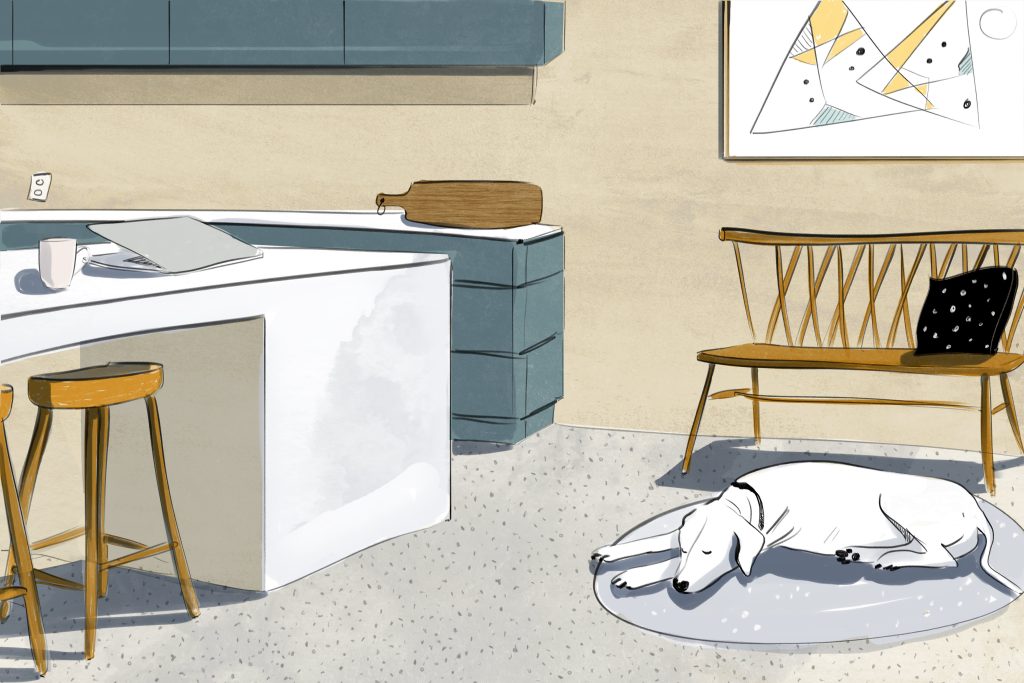
The Power of Clarity in a Minimalist Space
At its core, minimalism is about stripping away the unnecessary to spotlight the essential. This is especially pertinent in environments that foster creativity. When physical clutter is minimized, the mind is freed from distractions, enhancing the clarity needed for innovation. Numerous studies indicate that a tidy workspace can lead to sharper focus, thereby promoting productive thinking.
One of the primary benefits of a minimalist approach is the creation of an environment that supports psychological comfort. A clear and organized space allows creatives to experience less stress and anxiety, which can often stifle creative thinking. Research conducted by neuroscientists suggests that our brains can become overstimulated when exposed to various inputs and distractions. This overstimulation can sap our cognitive resources, making it difficult to focus on tasks that require deeper thinking and creativity.
Furthermore, the implementation of minimalism can lead to changes in an individual’s mindset toward innovation. When we embrace simplicity, we not only refine our surroundings but also promote a lifestyle that encourages open-mindedness. This adaptability is crucial, especially in fields like technology, art, and design, where the need to pivot and reimagine is constant. Minimizing possessions can foster a greater willingness to accept new challenges and ideas—allowing for the evolution of concepts that may flourish when embraced openly.
Let’s discuss how embracing minimalism goes beyond merely decluttering physical spaces; it can also foster a more profound sense of emotional and intellectual freedom:
- Improved Decision-Making: A simplified environment can lead to quicker decision-making processes. When faced with fewer choices, individuals can navigate through options more efficient, as seen in various studies on choice paralysis. This principle applies not only to physical items but also to the tasks we take on in our creative ventures.
- Reduced Stress Levels: Clutter can create a sense of chaos, both physically and mentally. A minimalist lifestyle is associated with lower stress levels, as the absence of excessive belongings allows individuals to engage with their creativity without feeling overwhelmed.
- Encouragement of Intentional Living: By prioritizing what truly matters, people begin to cultivate a more intentional existence. This intentionality is a breeding ground for innovation, as individuals become more attuned to their passions and the processes that ignite their creative sparks.
The intersection of minimalism and innovation can also be observed in various success stories. For instance, the tech world frequently highlights the influence of minimalist principles in product design, where companies achieve cutting-edge functionality without unnecessary complexity. A prime example is the widely popular smartphone that boasts a sleek design, simplifying user interaction while maximizing user experience.
As we further explore how minimalism can catalyze creativity, it becomes clear that letting go of excess can not only rejuvenate our surroundings but also reignite our personal passions. This journey toward simplicity can ultimately lead to a flourishing of ideas, innovation, and self-discovery.
In today’s fast-paced world, the act of decluttering has transcended beyond merely tidying up physical spaces; it has penetrated the realms of creativity and personal innovation. Embracing minimalism doesn’t mean sacrificing creativity; rather, it enhances it. By removing distractions, individuals can focus their mental energy on innovative thinking. Studies have shown that a clean workspace can significantly improve cognitive function, allowing for better problem solving and idea generation.
The concept of “less is more” applies extensively in art and design. Renowned artists and designers often advocate for simplicity, arguing that eliminating excess elements can clarify the intended message. This principle can be adopted in daily life, where reducing clutter fosters a more profound connection with essential tasks and encourages deeper creative expressions. When individuals limit their choices, the brain is freed from decision fatigue, leading to more innovative outcomes.
| Category 1 | Category 2 |
|---|---|
| Physical Space | A well-organized environment boosts focus. |
| Mental Clarity | Clear thoughts lead to better creativity. |
| Reduced Stress | Less clutter reduces anxiety and promotes innovation. |
Furthermore, minimalism encourages a greater appreciation for the few things that truly matter. This practice can foster a deeper understanding of one’s values and creative desires. Individuals often find that by concentrating on fewer projects or materials, they can produce work that is not only more authentic but also resonates on a personal level. As the famous artist Pablo Picasso once said, “Action is the foundational key to all success.” Adopting a minimalist lifestyle can fundamentally reshape how creativity manifests in day-to-day life, empowering people to achieve more than they thought possible.
DISCOVER MORE: Click here to unlock valuable insights
Transforming Spaces into Creativity Hotbeds
As we delve deeper into the realm of minimalism, it becomes evident that the physical aspects of our environment play a significant role in shaping our mental landscape. By embracing minimalist designs, individuals can create spaces that not only breathe tranquility but also stimulate creative thought. The concept of a “creativity hotbed” is vital here—the notion that an environment, when intentionally curated, can enhance the flow of innovative thinking.
Consider how the layout and décor of a space can influence creativity. For instance, incorporating natural light into a minimalist workspace has shown to greatly increase mood and energy levels. A study by the World Health Organization highlights that exposure to natural light can improve mental health and cognitive performance, leading to heightened creativity. This is especially relevant in urban environments where many people may find themselves insulated from nature. Simple measures like large windows or the use of plants can foster a direct connection with the outdoors, allowing fresh ideas to blossom.
Additionally, painting walls in calming hues or utilizing a monochromatic color palette helps to keep the focus on the tasks at hand rather than on visual distractions. Artists and designers often take this approach, creating studios that are not visually overwhelming, thereby allowing their minds to wander and explore uncharted territories of creativity. Studies show that a harmonious balance of color can elevate inspiration and facilitate problem-solving.
Moreover, the implementation of flexible spaces is particularly valuable in enhancing creativity. This can involve movable furniture and minimalist designs that encourage collaboration, experimentation, and brainstorming. Acknowledging the importance of adaptability, many modern workplaces are moving away from traditional cubicles in favor of open spaces that can be transformed according to the immediate needs of projects. Companies like Google and Airbnb have integrated this concept into their office designs, facilitating a flow of ideas among team members. The result is not only a functional space but also a thriving environment for creative innovation.
A minimalist perspective also extends into the digital realm, where clutter can paralyze creativity just as much as physical chaos can. The use of streamlined digital tools and platforms can aid in reducing noise and distraction. For example, productivity applications like Notion or Trello prioritize simplicity and functionality, allowing users to focus their creative efforts. By limiting the number of digital distractions, creatives can harness their energies toward producing work that is meaningful and authentic.
This journey into a decluttered mindset can extend to time management as well. By adopting a minimalist approach to scheduling, individuals grant themselves permission to focus on the most impactful tasks each day. Engaging in fewer, more meaningful activities allows for deeper exploration of ideas and projects, ultimately fueling a cycle of creativity. Author Tim Ferriss highlights this in his book “The 4-Hour Workweek,” championing the idea of working smarter by limiting unnecessary commitments.
In summary, the synthesis of a minimalist lifestyle and creative practice requires an intentional shift in how we view our surroundings. By transforming spaces—both physical and digital—into environments that celebrate simplicity, individuals can empower their creative selves. With less strain on mental and emotional resources due to simplification, the path toward innovative thought becomes clearer and more achievable.
DISCOVER MORE: Click here to delve deeper
Embracing Simplification for Creative Flourishment
In conclusion, the intersection of minimalism and creativity is not merely an aesthetic choice but a profound strategy for unlocking personal innovation. The act of decluttering our environments, both physical and digital, paves the way for enhanced cognitive clarity and deeper engagement with creative pursuits. As highlighted throughout this article, intentional design—characterized by calming colors, ample natural light, and flexible spaces—plays a pivotal role in nurturing an atmosphere conducive to imaginative thought.
Moreover, the adoption of minimalist practices in our digital lives helps streamline our focus, enabling us to channel energy into meaningful projects. The reduction of distractions, whether in our workspace or our schedules, leads to a favorable environment for ideation and exploration. As we prioritize tasks that align with our passions, we not only enhance our productivity but also enrich the quality of our creativity.
Ultimately, the journey toward embracing minimalism requires a conscious shift in our mindset. By curating our surroundings with intention and purpose, we open ourselves to a world where creativity can thrive unfettered by the chaos of excess. For individuals seeking to amplify their creative capacities, the principles of minimalism offer a compelling framework; an opportunity to transcend limitations and cultivate innovation. As we delve into this transformative practice, we invite you to explore its depths, cultivate your own creativity, and discover how a more streamlined existence can lead to endless possibilities.
Related posts:
Practical Strategies to Reduce Clutter at Home: A Minimalism Guide for Beginners
Reducing Emotional Clutter: Minimalism Techniques to Organize Your Thoughts and Feelings
Minimalism in the Family: How to Teach Children to Reduce Clutter
Routine Organization: Incorporating Minimalism Practices into Daily Life to Reduce Clutter
Dismantling Minimalism: How Decluttering Can Transform Your Space and Mind
The Impact of Digital Clutter on Personal Organization and Minimalism

Linda Carter is a writer and organization expert specializing in minimalism and personal organization. With extensive experience helping individuals create clutter-free, functional spaces and adopt mindful habits, Linda shares her knowledge on our platform. Her goal is to empower readers with practical advice and strategies to simplify their lives, stay organized, and achieve a sense of calm and balance in their daily routines.