
Understanding Functional Movements and Their Impact
In the ever-evolving landscape of fitness training, embracing a wider approach to strength development is crucial. Incorporating functional movements into your workout regimen is an effective way to enhance athletic performance and support daily life activities. These exercises do not just focus on bulking muscles but rather on cultivating strength that carries over into real-life scenarios.
Functional movements are characterized by their ability to engage multiple muscle groups simultaneously while prioritizing core stability and coordination. Such exercises are designed to mimic the movements you perform in everyday situations, making them particularly advantageous for individuals looking to boost their overall physical capabilities. Here are a few key examples of functional movements:
- Squats and lunges: These fundamental exercises help build lower body strength and enhance balance, making tasks such as climbing stairs and bending down to pick up objects easier and safer.
- Deadlifts: This exercise is a powerhouse for developing posterior chain strength, crucial for activities like lifting heavy items from the ground.
- Pushing and pulling exercises: Movements like push-ups and rows build upper body strength and are essential for tasks such as pushing open a door or pulling objects toward yourself.
Incorporating functional movements into your routine yields numerous benefits, including:
- Improved coordination and balance: Practicing movements that require stabilization teaches your body how to move efficiently, reducing the risk of falls and injuries.
- Enhanced muscle endurance: By integrating functional movements, you cultivate the ability to perform everyday activities for extended periods without fatigue.
- Greater joint stability: Functional exercises strengthen the muscles surrounding joints, thereby providing better support and reducing the likelihood of injuries.
A significant advantage of functional movements is their versatility. They can be performed using body weight, resistance bands, or free weights, allowing individuals of varying fitness levels to adapt them to their needs. For instance, a beginner can perform bodyweight squats, while an advanced athlete might engage in weighted squats with a barbell for increased intensity.
Furthermore, this paradigm shift from conventional strength training to dynamic strength-building techniques has seen a rise in popularity among fitness enthusiasts and athletes alike. Coaches and trainers are increasingly recognizing the value of training methods that prioritize functional strength, resulting in greater overall physical performance and diminished injury risk.
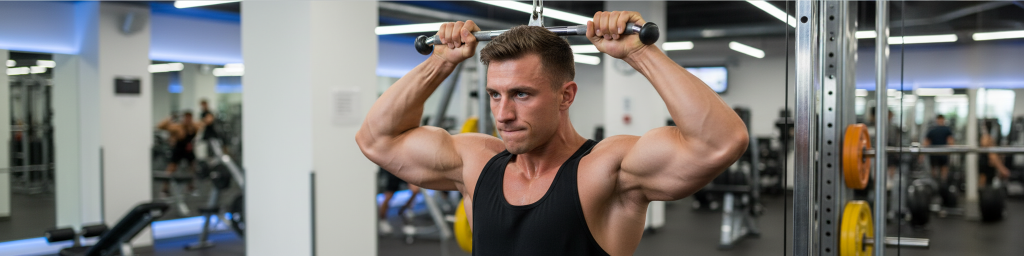
Ultimately, the journey to strength isn’t simply about lifting heavier weights; it’s about exercising with purpose and practicality. By focusing on functional movements, individuals can cultivate a holistic approach to fitness that supports both their athletic goals and day-to-day life. This comprehensive strategy lays the groundwork for lasting physical proficiency and an improved quality of life.
DISCOVER MORE ABOUT: Click here to learn about the importance of rest for muscle growth
The Science Behind Functional Movements
Understanding the principles underpinning functional movements reveals why they have become pivotal in effective strength development strategies. Unlike traditional weightlifting, which often isolates muscles, functional movements promote a comprehensive approach by engaging core stabilizers and multiple joints. This not only cultivates strength but also encourages mobility and flexibility, which are critical components in athletic endeavors and daily life.
The foundation of functional training lies in biomechanics, which studies the mechanics of body movements. By replicating the natural motions that occur in various activities, such as squatting to pick up groceries or reaching overhead to grab a box from a shelf, individuals can enhance their movement patterns and overall efficiency. This leads to a notable increase in strength transfer, whereby improvements in training are directly applicable to real-world scenarios.
Key Functional Movements and Their Benefits
Some of the most effective functional movements include:
- Kettlebell Swings: This dynamic move trains the entire posterior chain, bolstering hip strength and improving cardiovascular capacity.
- Overhead Press: Simulates the actions of lifting items above your head, supporting shoulder health and enhancing upper body strength.
- Farmers Walk: Carries heavy weights over a distance, emphasizing grip strength, core stability, and overall endurance.
Each of these exercises offers multifaceted benefits that extend beyond mere strength building. For instance, kettlebell swings not only promote muscular endurance but also help develop explosive power – an essential component for athletes participating in sports that require quick movements. The overhead press, on the other hand, targets muscle groups critical to overhead activities, from throwing a ball to performing any kind of lifting tasks. Meanwhile, the Farmers Walk combines strength training with functional endurance, effectively transforming a simple weighted carry into a full-body workout.
Integrating these types of movements into your training routine fosters a sense of purpose and practicality. Rather than seeing strength training as a narrow pursuit confined to the walls of a gym, it becomes a method for enhancing everyday functionality, promoting longevity, and reducing the risk of injury during common tasks.
The Importance of Progressive Overload
To maximize the benefits of functional movements, applying the principle of progressive overload is paramount. Gradually increasing the weight, volume, or intensity of your workouts challenges your muscles, leading to improved strength gains over time. This could mean increasing the load of your kettlebell or extending the distance you carry during a Farmers Walk. The key is to find a balance that allows you to push your limits without compromising your form or risking injury.
Moreover, varying your training modalities will keep your routine engaging and prevent plateaus. Incorporating different functional exercises each week can stimulate muscle growth and prevent adaptation, ensuring continual development.
As you delve deeper into integrating functional movements into your fitness journey, you’ll find that the adaptability and relevance of these exercises can redefine your perception of strength training. By grounding your approach in practicality and evidence-based strategies, you will cultivate not just stronger muscles but also a more resilient, capable body ready to tackle any challenge life presents.
Integrating functional movements into strength training programs can significantly enhance overall performance and physical capability. Functional movements mimic everyday tasks, which not only improves strength but also increases your body’s efficiency in daily activities. The applicability of these movements in real-life situations is a compelling reason to adopt them as a core part of your training regimen.Functional training emphasizes a holistic approach, engaging multiple muscle groups and emphasizing core stability. This type of training often includes exercises like squats, lunges, and push-ups, which enhance strength, flexibility, and balance simultaneously. Incorporating resistance training with functional exercises helps in muscle development while reducing the risk of injury. Unlike traditional strength training methods that often isolate specific muscles, functional movements ensure that strength gains translate into performance improvements.Moreover, progress in strength development is not only about lifting heavier weights. By working on functional movements, individuals can improve their flexibility and mobility, which are crucial for athletes and non-athletes alike. This enhancement leads to better posture, reduced muscle fatigue, and increased endurance during both workouts and daily tasks.Additionally, integrating technology, like wearable fitness devices, can provide real-time feedback on performance during functional training, further fostering growth and development. In light of these advantages, it’s evident that functional movements are pivotal for anyone looking to enhance their strength and overall fitness. As you continue exploring the valuable benefits of this training style, take the first steps towards embedding functional movements within your program, and witness the transformation in your strength and daily capabilities.
| Category 1 | Category 2 |
|---|---|
| Versatility | Can be tailored to all fitness levels and goals. |
| Injury Prevention | Strengthens stabilizer muscles enhancing joint health. |
In summary, the integration of functional movements in strength training not only cultivates a well-rounded fitness level but also equips individuals with the necessary strength and coordination to tackle daily activities with ease. As awareness of these benefits grows, it is essential for fitness enthusiasts to leverage this training style to achieve their maximum potential.
DISCOVER MORE: Click here to learn about the latest in gym technology
Optimizing Functional Movement Performance
To truly harness the strength benefits that functional movements offer, attention must be given to the mechanics of each exercise. Proper form is not just about safety; it is fundamental to maximizing strength gains and ensuring that the correct muscles are activated during movement. Engaging a professional trainer or attending workshops can provide valuable insights into optimizing your techniques, which is especially vital when incorporating complex motions like the Olympic lifts or plyometrics into your routine.
Experimentation also plays a crucial role in discovering which functional movements resonate most closely with your physical capabilities and goals. For example, individuals may find that variations of squats, such as front squats or single-leg squats, yield different levels of intensity and muscle engagement. Testing out these variations not only keeps your workouts fresh but also highlights which movement mechanics work best with your body’s structure and strengths. This personalized approach can significantly enhance overall training effectiveness.
Integrating Mobility and Stability Work
Beyond strength, integrating mobility and stability work is fundamental to effective functional training. Movements like lunge rotations or hip openers enhance flexibility and range of motion, both of which are indispensable for performing functional exercises correctly. Improved mobility allows one to execute movements with greater ease, contributing to better overall performance while simultaneously reducing injury risks.
Stability exercises, such as planks or stability ball work, act to strengthen the core, which is fundamental for all functional movements. A strong core stabilizes the body, enabling the execution of compound exercises like deadlifts and cleans with proper form. As a well-known principle in the fitness community states, “A weak core leads to a weak lift.” Therefore, prioritizing core stability not only reinforces the body’s foundation but also enhances power delivery through the kinetic chain.
Real-World Application and Impact
The transfer of strength from the gym to everyday activities cannot be overstated. Research has demonstrated that individuals who regularly engage in functional training display improved capabilities in physical tasks required in daily life, from lifting and carrying to bending and twisting. This benefit is particularly observable in populations such as seniors, who can experience increased independence through strength gains derived from functional movements.
Moreover, the utilization of functional training is gaining traction across various sectors, including rehabilitation and sports training. Physical therapists often employ functional exercises to help patients regain strength and mobility after injuries, focusing on real-world functions rather than isolated strength metrics. Similarly, elite sports teams are increasingly integrating functional training into their regimens to prepare athletes for the multidimensional demands of their sports.
As the understanding of strength training evolves, embracing functional movements represents not only a shift in methods but also a deeper acknowledgment of the body’s capabilities and needs. By focusing on holistic strength development that applies to everyday life and athletic performance, individuals can elevate their fitness journeys beyond conventional weights and machines, fostering a more resilient and versatile body.
DISCOVER MORE: Click here to deepen your knowledge
Conclusion: Embracing a Holistic Approach to Strength Development
Incorporating functional movements into strength training is not just a trend; it stands as a transformative approach that recognizes the intricate interplay of strength, mobility, and stability. As we’ve explored, the mechanics of each exercise are crucial in optimizing strength gains while ensuring the safety and efficiency of movements. Engaging with tools such as professional trainers reinforces the importance of proper form, which serves as the cornerstone of effective functional training.
The journey of personalizing workouts through experimentation with various functional exercises, like front squats or single-leg variations, allows individuals to discover the best methods tailored to their needs. This level of customization fosters a deeper connection with one’s body, enhancing not only performance in the gym but also daily life activities.
Moreover, adding mobility and stability work to your regimen further amplifies these benefits, paving the way for increased flexibility, reduced injury risks, and improved core strength. This comprehensive strategy celebrates the body’s capabilities, allowing for fluid movement in various contexts—whether in athletic pursuits or everyday tasks. The real-world applications of functional training highlight its invaluable nature, particularly for populations seeking improved quality of life.
In conclusion, embracing functional movements for enhanced strength development is about more than lifting heavier weights. It is about cultivating a well-rounded, resilient body that thrives in dynamic environments. This multifaceted approach to strength training invites individuals to rethink their fitness journey, ultimately leading to a healthier, more empowered lifestyle. As you consider your training, remember that the path to strength is best paved with movements that mirror the intricate choreography of real life.