
Unlocking the Power of Unilateral Training
In today’s fitness landscape, countless approaches vie for attention, but few are as effective and adaptable as unilateral training techniques. By emphasizing training one side of the body at a time, these methods have become a staple for anyone eager to achieve a more balanced and harmonious physique. The focus on isolated movements not only diversifies one’s workout routines but also uncovers a myriad of benefits that cater to individual fitness objectives.
Why Consider Unilateral Training?
There are several compelling reasons to incorporate unilateral training into your workout regimen:
- Correct Muscle Imbalances: It’s common for individuals to develop strength discrepancies between their dominant and non-dominant sides. For instance, a right-handed person may have stronger right arm muscles, potentially leading to poor posture or injury. Incorporating exercises like dumbbell single-arm presses can effectively address these discrepancies, ensuring that both sides of the body develop evenly.
- Improved Core Stability: Unilateral exercises demand greater engagement from stabilizing muscles in the core. Movements such as the single-leg deadlift or single-arm dumbbell row not only work the targeted muscle but also require the core to stabilize the body. This enhances overall balance, which is critical for various physical activities and sports.
- Enhanced Range of Motion: Isolated exercises allow for a greater focus on the movement patterns of each limb. For example, in a Bulgarian split squat, your front leg bears most of the weight while the back leg provides balance. This not only improves strength but also increases flexibility, promoting a fuller range of motion in the hips and knees.
Easy Integration into Any Routine
Unilateral training can seamlessly fit into various workout programs, appealing to fitness enthusiasts of all levels. Beginners might start with simple exercises, while advanced athletes can incorporate more complex movements. For example, single-arm kettlebell swings present a dynamic challenge that enhances both strength and coordination.
The potential for growth and improvement through unilateral training is vast. By recognizing your body’s unique needs and incorporating these strategies, you can forge a path to a balanced and resilient physique. A commitment to this method not only fosters physical growth but strengthens functional strength, which translates to better performance in daily activities and sports.
In essence, the exploration of unilateral training offers an intriguing opportunity to break free from traditional training paradigms. As you delve into this multifaceted approach, you may uncover new depths of strength and balance that propel you toward your fitness goals.
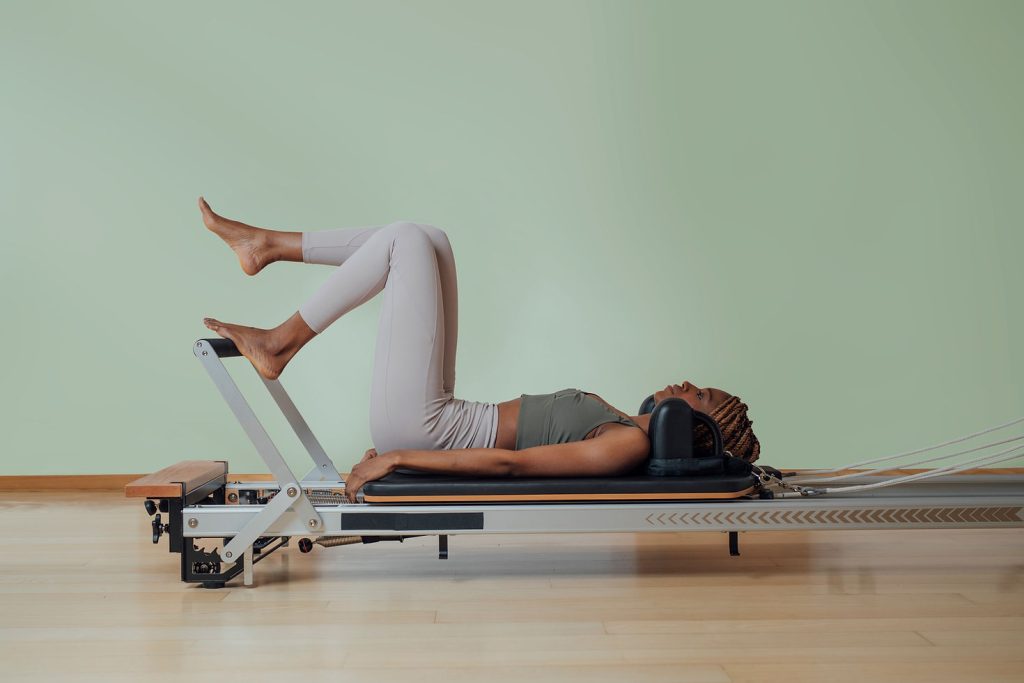
DIVE DEEPER: Click here to enhance your training knowledge
Diving Deeper into Unilateral Exercises
As fitness enthusiasts seek innovative ways to enhance their workouts, unilateral training techniques serve as an eye-opening solution to achieving balanced muscle development. The science behind these methods reveals the profound impact of exercising one side of the body at a time, forcing not only muscular engagement but also neurological adaptations that enhance overall performance.
To truly appreciate the effectiveness of unilateral training, it’s essential to understand how this modality influences neuromuscular coordination. Traditional bilateral exercises, such as deadlifts and bench presses, engage both sides of the body simultaneously, often allowing the stronger side to compensate for its weaker counterpart. In contrast, unilateral movements—like the single-arm lat pulldown or the single-leg squat—help identify and rectify these discrepancies, promoting a more symmetrical strength profile.
The Neuroscience Behind Unilateral Training
Research indicates that unilateral training can lead to increased strength in both the trained and untrained limbs. This phenomenon, known as the cross-education effect, suggests that working one side of the body can stimulate neural adaptations that benefit the opposite side. In practical terms, this means that if an individual performs single-arm exercises, they may also notice strength improvements in their non-working arm—an invaluable advantage for those recovering from injury or seeking to enhance performance in sports that require bilateral strength.
Moreover, unilateral training plays a critical role in promoting muscle activation. By concentrating efforts on one side at a time, the body activates stabilizing muscles that might otherwise remain dormant during traditional exercises. This intrinsic focus not only develops the targeted muscle but also recruits additional muscle fibers, engendering greater overall strength and hypertrophy. To illustrate, consider the explosive power required while executing a single-arm kettlebell snatch. The need for balance and stabilization engages the entire kinetic chain, enhancing both strength and coordination.
Benefits for Functional Fitness
Unilateral training techniques are particularly advantageous for functional fitness, which emphasizes strength relevant to everyday activities. The incorporation of exercises such as the single-leg deadlift or single-arm row helps athletes and everyday movers alike develop the unilateral strength and control necessary for activities like climbing stairs, playing sports, or even lifting grocery bags. These movements foster not only muscle development but also vital movement patterns, enhancing the body’s ability to adapt to various physical challenges.
For athletes, the emphasis on unilateral exercises can translate into improved performance on the field or court. Sports such as basketball and soccer rely heavily on lateral movements and unilateral strength for quick direction changes and explosive power. By integrating unilateral training, athletes can better prepare for the demands of their sport, reducing the risk of injury while enhancing their overall athleticism.
As we traverse the realms of unilateral training, it becomes evident that this innovative approach is much more than a mere trend. From correcting muscle imbalances to improving neuromuscular coordination, the benefits of unilateral training can profoundly transform not only aesthetics but functional capabilities. With each focused rep, individuals unlock new potentials, allowing them to pursue their unique fitness goals with enhanced clarity and purpose.
Understanding Unilateral Training Techniques
Unilateral training involves exercises that target one side of the body at a time, which can significantly enhance muscle balance and core stability. Unlike traditional, bilateral exercises that engage both sides simultaneously, unilateral movements force each side to work independently. This not only helps in correcting asymmetries but also enhances overall strength and coordination.
Benefits of Unilateral Training
The importance of unilateral training cannot be overstated. It plays a vital role in developing balanced muscle mass and improving functional movement patterns. For athletes, improved strength on both sides of the body is crucial for performance, while for fitness enthusiasts, it helps in achieving a well-rounded physique.Unilateral exercises, such as single-arm rows or single-leg squats, allow for better concentration on form and technique. Engaging in these movements can reveal and address weaknesses, leading to improved performance in both strength training and sports.Moreover, these techniques also enhance core activation, as the body must stabilize itself during unilateral movements. This leads to better posture, decreased risk of injury, and improved athletic performance.
Integrating Unilateral Training into Your Routine
Incorporating unilateral exercises into your training regimen can be both effective and enjoyable. Start with bodyweight exercises to master your balance before progressing to weights. Not only do these exercises challenge your stability, but they also add variety to your workouts, making them less monotonous.Today’s fitness landscape recognizes the critical value of unilateral training techniques for achieving balanced muscle development. As more individuals seek to optimize their fitness routines, it becomes crucial to appreciate and explore these effective exercises thoroughly.
| Advantage | Explanation |
|---|---|
| Corrects Muscle Imbalances | Unilateral training focuses on one side, helping to identify and improve strength discrepancies. |
| Enhances Core Stability | These techniques engage the core more effectively, leading to better overall stability and posture. |
| Reduces Injury Risk | By strengthening underused muscles, unilateral training can help decrease the chance of injuries. |
| Improves Functional Movement | Mimics everyday movements, making activities like walking and balancing easier. |
DISCOVER MORE: Click here to dive deeper
The Role of Unilateral Training in Injury Prevention and Rehabilitation
Unilateral training techniques not only promote balanced muscle development but also play a significant role in injury prevention and rehabilitation. By addressing muscle imbalances and strengthening weaker sides, this training method diminishes the risk of injuries that often occur due to overcompensation. For example, athletes frequently encounter knee injuries, which can be partially attributed to an imbalance in strength between the quadriceps and hamstrings. Incorporating unilateral exercises, such as the single-leg glute bridge, can help fortify these muscle groups individually, creating a more stable foundation for athletic movement.
Furthermore, unilateral training can be especially beneficial for those recovering from injuries. Studies have shown that performing exercises on the unaffected limb can expedite recovery for the injured side through the aforementioned cross-education effect. For instance, a person rehabilitating an injured leg can perform single-leg exercises on the uninjured leg, which may help maintain muscular strength during their recovery, ultimately shortening the rehabilitation process. This protective measure not only preserves muscle mass but also safeguards the integrity of the joint, reducing the likelihood of re-injury when returning to full activity.
Tailoring Unilateral Training for Different Fitness Levels
One of the standout features of unilateral training is its adaptability across various fitness levels. Whether you are a beginner or an experienced athlete, unilateral exercises can be modified to challenge your capabilities safely. For instance, a novice might start with bodyweight unilateral movements, such as the single-leg balance or side lunges, focusing on mastering form and stability before progressing to weighted exercises like the single-arm dumbbell press or the single-leg Romanian deadlift.
As individuals advance, incorporating more complex unilateral movements into their regimen can further enhance neuromuscular coordination and strength. High-intensity interval training (HIIT) sessions can also benefit from unilateral training, with exercises like alternate kettlebell swings or single-arm row intervals to inject a functional twist into traditional circuit workouts. By diversifying their programs with these exercises, athletes can remain engaged while simultaneously promoting muscle symmetry and aerobics.
The Psychological Edge of Unilateral Training
In addition to the physical benefits, unilateral training can provide a remarkable psychological edge for individuals. Many fitness practitioners report heightened focus and improved body awareness when performing unilateral exercises. This heightened awareness can lead to increased motivation, as individuals witness firsthand the progress on their strength disparities over time. Setting specific goals for each side can foster a rewarding sense of accomplishment as the weaker side begins to catch up.
Moreover, the concentration required to maintain balance and control during unilateral exercises often leads to improved mental resilience. As individuals push through physical challenges, they build not just muscle but also confidence in their abilities, a crucial aspect for anyone involved in sports or fitness pursuits. By embracing the intensity of unilateral training, athletes and fitness enthusiasts pave the way for greater overall performance, empowering them to tackle larger challenges both in the gym and in daily life.
Ultimately, the multifaceted advantages of unilateral training extend far beyond balanced muscle development. By integrating these techniques into their fitness routines, individuals enhance not only their physical prowess but also their mental fortitude, setting the stage for a truly holistic approach to health and fitness.
DISCOVER: Click here to enhance your knowledge
Conclusion: The Future of Fitness with Unilateral Training
Incorporating unilateral training techniques into your fitness routine offers a multitude of benefits that transcend simple muscle development. The ability to isolate and strengthen each side of the body not only fosters balanced muscle development but also plays a pivotal role in injury prevention and rehabilitation. By targeting weaknesses and enhancing muscle symmetry, individuals can fortify their physical foundation, safeguarding against the common injuries caused by overcompensation.
Moreover, the adaptability of unilateral exercises makes them suitable for everyone, from novices to seasoned athletes. Tailoring these movements to fit different fitness levels promotes safe progress and encourages lifelong engagement in strength training. The psychological benefits further enrich the experience, as practitioners develop greater body awareness, motivation, and mental resilience—a trifecta that bolsters their capacity both in the gym and in everyday life.
As the understanding of fitness continues to evolve, embracing unilateral training techniques represents a forward-thinking approach to physical fitness. By challenging the body in unique ways, individuals can unlock their full potential and redefine their athletic capabilities. Whether you’re looking to prevent injuries, expedite recovery, or simply elevate your fitness journey, exploring these techniques offers a promising path towards holistic health and performance enhancement.
In essence, unilateral training is not just a method; it’s a mindset that cultivates strength, balance, and confidence. For those committed to maximizing their physical abilities, the journey into unilateral training is both enlightening and transformative, paving the way for continuous growth and achievement.