
The Importance of Mobility and Flexibility in Your Workout Routine
In the pursuit of strength and muscle growth, many fitness enthusiasts often overlook the crucial roles of mobility and flexibility. While lifting weights builds muscle mass and enhances strength, integrating mobility and flexibility work into your training can significantly enhance overall performance and mitigate injury risks. These components contribute to long-term success and sustainability in any exercise regimen.
- Mobility: Refers to the ability of your joints to move through their full range of motion. Think of it as the oil that keeps your joints functioning smoothly.
- Flexibility: Involves the ability of your muscles to lengthen and stretch, enabling greater freedom of movement.
- Benefits: Encompassing aspects such as enhanced efficiency in strength training, improved posture, and quicker recovery times, mobility and flexibility are essential for any dedicated athlete.
Incorporating mobility and flexibility exercises into your workout routine can yield immediate benefits. For example, engaging in dynamic stretches prior to your weightlifting sessions can:
- Prepare your body for intense physical activity: Dynamic stretching involves moving parts of your body and gradually increasing reach, speed of movement, or both, preparing your body for the demands of lifting.
- Activate key muscle groups in advance: This can mean performing exercises like arm circles or leg swings to warm up the targeted muscles and joints.
- Enhance blood flow, making your workouts more effective: Increased circulation improves the delivery of oxygen and nutrients to your muscles, boosting performance and endurance.
The growing trend of incorporating various mobility exercises and flexibility techniques such as yoga and Pilates reflects a shift toward a more comprehensive approach to fitness in the United States. Studies suggest that yoga can improve flexibility, strength, and balance, which directly enhances lifting performance. Similarly, Pilates focuses on core strength and stabilization—critical aspects for maintaining proper form during weightlifting.
Moreover, understanding the connection between these practices can open new doors in your fitness journey. Imagine increasing your squat depth through improved hip mobility or achieving a deadlift with proper form due to enhanced spinal flexibility. These outcomes not only lead to better lifting results but also contribute to overall physical confidence and well-being. A holistic fitness approach, where mobility and flexibility meet strength training, can be transformative.
As you explore the integration of these drills into your regimen, consider seeking expert guidance or utilizing reputable online resources to tailor a program that suits your specific needs. Embrace the challenge of enhancing your weight training through improved mobility and flexibility—it may just be the key to unlocking your full potential.
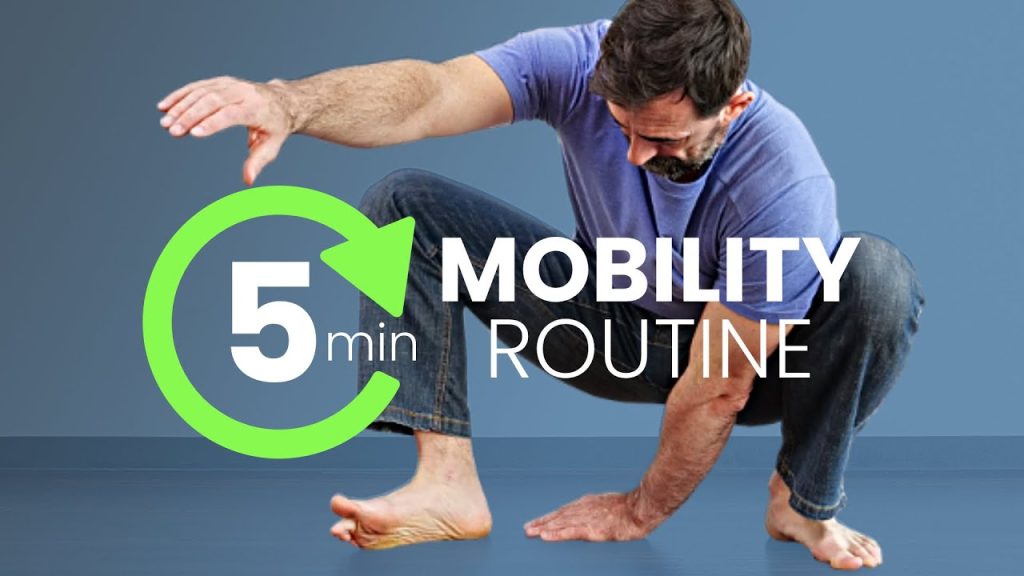
Understanding the Synergy Between Mobility, Flexibility, and Strength Training
As more fitness aficionados recognize the importance of mobility and flexibility drills, the conversation around their integration into weight training routines is heating up. But how exactly do these elements enhance weight lifting? A deeper understanding of how mobility and flexibility work together can help you create a workout regimen that not only builds strength but also preserves joint health and enhances overall performance.
When we talk about mobility, we refer to the capacity of your joints to move freely and properly throughout their range of motion. Without adequate mobility, the effectiveness of weightlifting can be severely compromised. For instance, a squat performed with limited ankle dorsiflexion will not only be less effective but could also contribute to injuries over time. Thus, incorporating mobility exercises is pivotal to execute weightlifting movements with perfect form and capability.
On the other hand, flexibility involves the lengthening of the muscles, which can be just as important during resistance training. Think of flexibility as the necessary complement to mobility—a flexible muscle is less likely to become strained or injured under tensile force. Therefore, as strength training demands increased tension and load on the muscles, having good flexibility can help your system adapt more easily to those challenges.
The Role of Dynamic Warm-Ups
One effective way to blend mobility and flexibility into your weight training routines is through dynamic warm-ups—movements designed to prepare your body for the workout ahead. Here are some examples of how to incorporate these techniques:
- Leg Swings: A forward and backward leg swing can enhance hip mobility, warm up the hip flexors, and prepare you for squats or deadlifts.
- Arm Circles: These can loosen shoulder joints, essential for movements like bench presses and overhead lifts.
- Hip Openers: Exercises such as lunging hip flexor stretches can improve hip flexibility, which is crucial for movements like squats and lunges.
- Torso Twists: Rotational movements can enhance spinal flexibility, aiding in deadlifting and overhead pressing.
Incorporating these dynamic warm-ups into your pre-lifting routine not only prepares your body physically but also serves to mentally engage you for the weight training session. This attunement can lead to enhanced focus and performance, ultimately paving the way for better results.
Importantly, the benefits of improved mobility and flexibility extend beyond the weight room. Daily activities, such as bending down to tie your shoes or playing recreational sports, become easier and less stressful on your body. Over time, the integration of mobility and flexibility drills can lead to enhanced overall function, making these drills indispensable for anyone committed to a holistic fitness approach.
As you continue to explore the synergy between these practices and your strength training, remember that the journey toward enhanced performance is not solely physical but also requires a mental shift. Embrace mobility and flexibility as necessary components, and you may just discover the key to achieving your fitness goals and enhancing your quality of life.
As we dive deeper into the subject of incorporating mobility and flexibility drills into weight training routines, it’s essential to understand their profound impact on overall athletic performance and injury prevention. Mobility drills focus on enhancing joint range of motion, while flexibility exercises aim to elongate muscle tissues. Together, they create a synergistic effect that not only optimizes the mechanics of weightlifting but also fosters a more balanced physique.When athletes integrate these drills into their routine, they often notice an improvement in their lifting techniques. Enhanced mobility allows for greater depth in squats, improved posture during deadlifts, and increased stability in overhead presses. As a result, weights can be lifted more efficiently, translating into better performance outcomes.Furthermore, a well-rounded approach to flexibility reduces muscle tension and soreness post-workout. This is imperative for those engaged in rigorous training schedules, as tight muscles can lead to compensatory movements, which increase the risk of injury. Regularly including mobility and flexibility drills can also promote faster recovery times, allowing athletes to return to their training regimes more quickly.In addition, examining the relationship between flexibility and strength is crucial. Research indicates that flexible muscles provides optimal force production during strength training. This interplay demonstrates that while strength training focuses on building muscle mass, mobility and flexibility drills lay the groundwork for functional strength that can be translated into everyday movements.To further enhance your weight training routine, consider incorporating dynamic stretches before workouts and static stretches afterward. This combination prepares your muscles for the demands of lifting while aiding in recovery. Specific drills such as hip openers, thoracic spine mobilizations, and hamstring stretches can be particularly effective. Next, let’s explore the various advantages these exercises offer through the lens of an organized table format, which will provide clarity and insight into their importance.
| Category | Advantages |
|---|---|
| Injury Prevention | Enhances joint stability and reduces the risk of strains and sprains. |
| Improved Performance | Allows for better technique, resulting in increased strength and power output. |
| Recovery Enhancement | Promotes increased blood flow to muscles, aiding in faster recovery. |
| Flexibility Gains | Improved muscle elasticity leads to better overall performance and function. |
By weaving mobility and flexibility drills into your weight training regimen, you embark on a journey toward improved strength, reduced injury risks, and enhanced performance. Engage with these insights and discover how such small adjustments can yield significant benefits in your training journey.
Integrating Flexibility and Mobility Drills within Your Weight Training Program
Moving beyond warm-ups, it’s essential to understand the ways to seamlessly integrate mobility and flexibility drills into your actual weight training sessions. This integration can enhance the benefits of your strength workouts while reducing the risk of injury. Let’s explore some effective strategies to incorporate these vital drills into your existing routines.
Mobility Drills Between Sets
Rather than viewing mobility drills as separate components, consider executing them in between your sets. This approach provides both active recovery and an opportunity to enhance joint mobility. For instance, while resting between sets of squats, utilize ankle mobility drills to improve your range of motion. Simple movements such as ankle circles or calf raises will keep your lower body engaged and promote blood flow without overexerting yourself before the next set.
Flexibility Work During Cool Down
Post-workout is an optimal time to add in flexibility exercises that elongate and relax your muscles after intense lifting. Incorporating an array of stretches, focusing on major muscle groups such as hamstrings, quads, and shoulders, can enhance flexibility significantly. For instance, static stretches or yoga-inspired poses like the Pigeon Pose or Cobra Stretch can target specific areas that are crucial for overall mobility and recovery. By dedicating time to stretch targeted regions, you’re not only aiding your recovery but also promoting muscle relaxation and reducing soreness.
Utilizing Tools for Enhanced Mobility and Flexibility
In addition to bodyweight exercises, various tools can act to improve mobility and flexibility within your training regimen. Foam rollers, resistance bands, and mobility sticks have become essential for many athletes and fitness enthusiasts. These tools provide a way to assist during your flexibility and mobility drills.
- Foam Rolling: Also known as self-myofascial release, foam rolling can prepare the muscles for action while also aiding in recovery post-exercise. By targeting areas of tightness, you can enhance blood flow and restore flexibility.
- Resistance Bands: Using bands can be incredibly beneficial for dynamic stretching and improving joint mobility. For example, banded hip openers can facilitate improved motion for squats and lunges.
- Mobility Sticks: Incorporating a mobility stick can help with stabilizing your movements during drills, allowing users to focus on range and proper form while performing exercises like overhead squats.
The Role of Yoga and Pilates in Strength Training
Incorporating practices such as yoga or Pilates into your weekly fitness schedule can greatly enhance your strength training protocol. Each discipline emphasizes core strength, flexibility, and body awareness, creating a balanced approach to fitness. By attending a yoga class, for example, you are likely to improve your flexibility and core stability, leading to better lifting form and performance.
Overall, the incorporation of mobility and flexibility drills into your weight training routine can take on various forms—from warm-ups to cool downs and even interspersed throughout workouts. By recognizing their importance and implementing them accordingly, you cultivate a fitness routine that is not just about lifting heavier weights but also about ensuring a robust, healthy, and resilient body ready for any physical challenge that lies ahead.
Conclusion
Incorporating mobility and flexibility drills into your weight training regimen is not merely an enhancement; it is a necessity for anyone seeking long-term strength and performance. As we’ve explored, integrating these drills can optimize your workouts by promoting joint health, increasing range of motion, and significantly minimizing the risk of injuries. Whether through the strategic use of mobility exercises between sets, engaging in targeted flexibility work during cool-downs, or utilizing helpful tools like foam rollers and resistance bands, the options for enhancement are endless.
Moreover, incorporating practices such as yoga and Pilates can further round out your fitness experience, ensuring that you not only build strength but also develop a deeper body awareness and improved posture. By embracing a holistic approach to training that values both strength and physical preparedness, you are setting the stage for a resilient body capable of tackling various physical challenges.
As you move forward in your fitness journey, consider establishing a routine that intertwines mobility and flexibility exercises throughout your weight training sessions. This not only creates a healthier relationship with fitness but also leads to more productive and comfortable workouts. The time invested in these practices will undoubtedly yield dividends in your performance, recovery, and overall well-being.
Now is the perfect time to begin this journey. Explore different drills, seek expert guidance if necessary, and tailor your program to fit your personal needs. Remember, weight training is not just about lifting weights—it’s about cultivating a comprehensive approach to your health and fitness.