Less is More: The Impact of Minimalism on Personal Productivity

Understanding Minimalism’s Role in Personal Productivity
In an era characterized by an incessant barrage of notifications, social media distractions, and the continuous accumulation of physical possessions, minimalism presents itself as a beacon of clarity and focus. This approach not only champions the idea of simplicity but also promotes a lifestyle that emphasizes purpose and intentionality. By embracing minimalism, individuals can significantly enhance their productivity levels, transforming the way they engage with their personal and professional lives.
Decluttering is one of the fundamental principles of minimalism, and it applies to both physical and digital spaces. Consider the chaos that often occupies office desks or the overwhelming amount of emails that flood our inboxes daily. When we remove unnecessary items and streamline our environments, we create a space conducive to productivity. For instance, implementing a digital decluttering strategy, such as organizing files into specific folders or unsubscribing from unwanted email lists, can drastically reduce the mental load and increase focus.
Another key aspect is focusing on essentials. Minimalism encourages us to prioritize tasks and responsibilities that truly matter, allowing us to make quicker and better decisions daily. For example, utilizing the “two-minute rule,” where tasks that can be completed in two minutes are done immediately, can free up mental energy for more significant projects. This method incentivizes immediate action and effectively strips down the to-do list, which can often feel insurmountable.
Furthermore, reducing distractions plays a crucial role in fostering deeper concentration. In workplaces and homes filled with devices vying for attention, eliminating distractions can yield profound changes in productivity. Adopting practices like scheduled phone-free hours or dedicated workspace zones can significantly enhance focus. Research supports these practices, indicating that individuals who embrace minimalism and reduced distractions often report enhanced focus on critical tasks, decreased stress levels, and improved time management skills.
To truly incorporate minimalism into daily routines, one can begin with small changes that ultimately lead to the elimination of the non-essential. This shift not only aids personal growth but also paves a clearer path toward achieving professional goals. Perhaps adopting a single-tasking approach over multi-tasking could open new avenues for creativity and efficiency, as studies have suggested that focusing on one task at a time can enhance overall output.
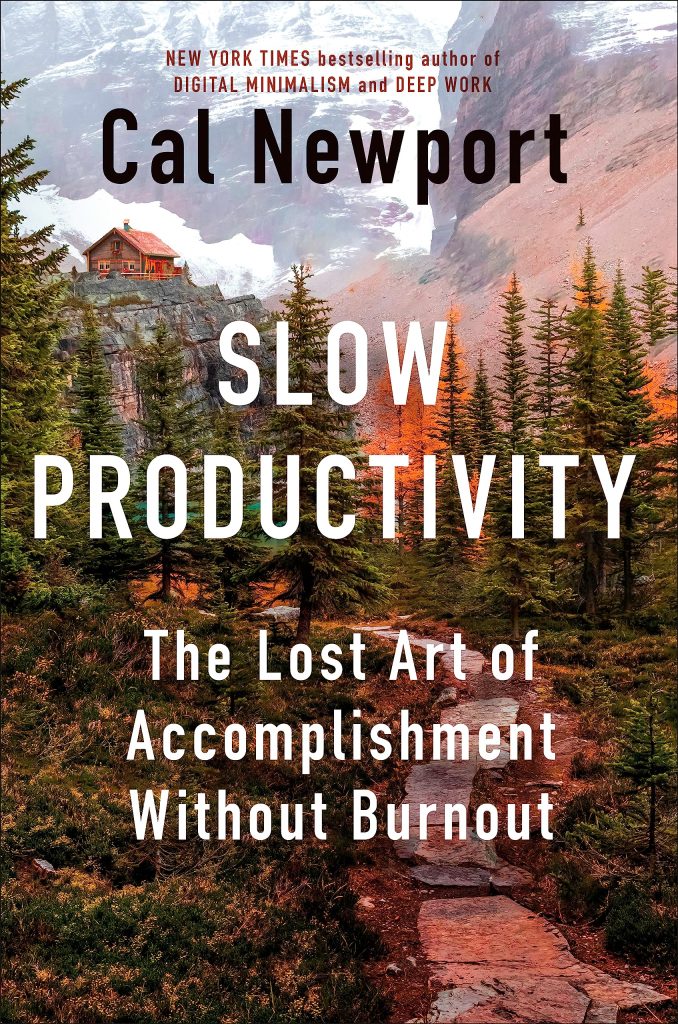
As we further explore minimalism’s impact on productivity, the journey promises valuable insights and actionable strategies. Adopting this modern philosophy may unveil newfound efficiency and clarity, allowing individuals to navigate their personal and professional landscapes with renewed vigor and purpose. The world of minimalism beckons, inviting us to discover not just how to do more with less, but how to live more fully in the moment.
DISCOVER MORE: Click here to learn how minimalism can ease your mind
Creating a Productive Environment Through Minimalism
The intersection of minimalism and personal productivity cannot be overstated, especially in a fast-paced world where distractions lurk at every corner. The practice of minimalism encourages us to foster an environment where only what is essential remains. This strategic removal of excess not only liberates physical space but also significantly unburdens our mental faculties. A research study conducted by the University of California found that individuals perceive clutter as unmanageable and demotivating, which directly impacts their ability to concentrate and complete tasks effectively.
One of the primary methods through which minimalism enhances productivity is by standardizing and organizing our surroundings. When the clutter is removed, our environments become a reflection of calmness, pushing us to engage with our work more efficiently. Here are some effective strategies that can be implemented:
- Assess and Purge: Regularly evaluate items in your workspace or digital devices. A simple checklist can help identify what is essential and what can be removed.
- Create Defined Spaces: Designate specific areas for distinct activities, whether it be for work, relaxation, or creativity. This separation can help signal to your brain what focus is required.
- Limit Visual Clutter: Consider a minimalist color palette and reduce the number of decorative items on your desk or within your vision. This acts to streamline focus towards tasks.
- Digital Hygiene: Keep your digital tools in check by regularly decluttering unused apps and files, allowing quick access to what truly matters.
By incorporating these practices, individuals can create a workspace that promotes clarity and efficiency. The result is often a significant increase in both productivity and creativity, as fewer distractions allow for a deeper level of engagement. Minimalism is about embracing quality over quantity—with fewer items competing for our attention, our decision-making abilities become sharper and less fatigue-prone.
Moreover, minimalism extends beyond just physical decluttering; it invites us to evaluate our commitments and engagements. A minimalistic lifestyle advocates for saying “no” to tasks and obligations that do not align with our core values and goals. This concept is particularly pertinent in professional settings where overcommitment can lead to burnout, further diminishing productivity. Psychological studies indicate that individuals who successfully set boundaries and maintain a focused approach tend to experience greater satisfaction and effectiveness in their work.
This notion of strategic commitment is vital. Instead of spreading ourselves thin across multiple projects, minimalism encourages prioritization—focusing on what truly matters. This not only preserves energy but also allows for a more profound mastery of each task pursued. As we delve deeper into the implications of minimalism on productivity and explore its subsequent benefits, we can uncover a transformative approach that delivers effective outcomes in both personal and professional realms.
| Advantage | Description |
|---|---|
| Enhanced Focus | By reducing distractions, minimalism helps you concentrate on essential tasks, significantly boosting productivity. |
| Time Efficiency | A minimalist approach can lead to fewer decisions and streamlined processes, saving time that can be better allocated to meaningful work. |
The concept of minimalism is increasingly relevant in the modern world where distractions abound. Implementing a “less is more” mindset in workspaces not only declutters the environment but also enhances focus on the tasks at hand, allowing individuals to engage deeply with their work. Research indicates that people working in less cluttered environments experience increased cognitive function, leading to an uptick in overall productivity. Moreover, along with enhanced focus, minimalism fosters time efficiency. By prioritizing essential tasks over trivial ones, individuals can minimize decision fatigue, which often hampers productivity. The practice of saying “no” to non-essential commitments can free up valuable time, enabling you to focus on what truly matters. This approach not only creates clarity but also promotes a more intentional use of time, making significant strides toward achieving productivity goals. As you explore the intersection of minimalism and productivity, consider how implementing these practices might transform your work habits and lead to greater personal satisfaction.
DISCOVER MORE: Click here to dive deeper
Unleashing Creativity Through Minimalism
In a world overflowing with visual and auditory stimuli, minimalism stands as a powerful antidote to the chaos. By stripping away the non-essential, individuals find themselves in an environment conducive to clearer thinking and enhanced creativity. Numerous studies have indicated that creativity thrives in spaces that allow for mental clarity, rather than cluttered minds filled with excessive stimuli. The creative process often flourishes when we eliminate distractions, thereby enabling deeper, more focused thought.
A prime example of this phenomenon can be observed in Silicon Valley, where many tech startups embrace minimalism not only in office layout but also in their development practices. Companies like Google and Apple have adopted an ethos of simplicity, reflecting their product designs and workplace environments—features that optimize focus while inspiring innovation. Fewer choices lead to less decision fatigue, allowing employees to concentrate on problem-solving rather than sifting through overwhelming options.
One method to embrace minimalism for creativity is by adopting a clean slate approach. This concept involves clearing your workspace each day to start fresh, limiting distractions and promoting new ideas. When your environment is not weighed down by the remnants of past work, it creates a mental space for new projects to take shape. Engaging in regular digital detox, where you step away from devices for specific periods, can also clear mental clutter and open the door for fresh perspectives, fostering innovative thinking.
The Power of Fewer Tasks
Minimalism also promotes the idea of undertaking fewer tasks to enhance productivity. A recent survey by the productivity platform Trello revealed that 48% of workers claim they have too many tasks on their plate, ultimately diminishing their output. The minimalist approach advocates identifying core objectives and focusing efforts on completing these primary tasks rather than diving into a multitude of activities. This singular focus allows for greater depth in execution, rather than superficial engagement across several fronts.
- The 80/20 Rule: Also known as the Pareto Principle, this rule suggests that 80% of outcomes result from 20% of efforts. By identifying and focusing on the 20% of tasks that offer the greatest impact, individuals optimize productivity while minimizing unnecessary workload.
- Batch Processing: This method involves grouping similar tasks together to minimize the mental load of switching between different types of work. For instance, dedicating a specific time block for emails rather than intermittently checking them throughout the day helps maintain focus.
By effectively applying these strategies, individuals can conquer their to-do lists with newfound vigor. Minimalism encourages a productive mindset where quality shines over quantity, and the ability to say yes to only select projects can redefine personal and professional success.
Furthermore, the psychological benefits of minimalism cannot be ignored. The practice encourages a mindset characterized by mindfulness and intentionality. Being conscious of our decisions feeds into personal efficiency; when we embrace a minimalist viewpoint, we tend to focus on actions that align with our values, creating a ripple effect on productivity. As we align our daily tasks with our broader life goals, we find greater motivation and satisfaction in our accomplishments.
Ultimately, transitioning to a minimalist philosophy does not merely translate to physical reductions; it invites us to examine our priorities deeply. By adopting this influence, individuals can significantly impact their productivity through ongoing commitment to essentials while cultivating a more fulfilled and balanced life.
DIVE DEEPER: Click here to uncover how minimalism can boost your creativity
Conclusion: Embracing Minimalism for Enhanced Productivity
The principle of minimalism challenges us to rethink the way we approach our daily lives, particularly in the realm of productivity. As explored throughout this article, adopting a minimalist mindset can have profound implications for our creativity, focus, and overall efficiency. By eliminating distractions, whether physical or digital, individuals can cultivate an environment that fosters deeper thought and innovation. The strategy of prioritizing a select few significant tasks allows for a concentrated effort that ultimately leads to higher quality outcomes, reinforcing the idea that sometimes, less truly is more.
Moreover, minimalism is not solely about reducing physical clutter, but also about fostering a mindful approach to our engagements and responsibilities. This philosophical shift encourages us to align our tasks with our core values, thereby enhancing motivation and satisfaction in our daily accomplishments. With more Americans recognizing the drawbacks of overwhelm and task saturation, the minimalist approach presents a timely solution that can lead to a harmonious balance between personal and professional lives.
In an era characterized by constant connectivity and information overload, embracing minimalism can be a transformative journey toward increased personal productivity. By focusing on what truly matters and stripping away the excess, we can unlock our potential for creativity and efficiency. As this movement gains traction across various sectors, it invites readers to explore how adopting a minimalist philosophy can revolutionize their approach to productivity, ultimately leading to a more fulfilled and intentional life.
Related posts:
The Balance of Time: Integrating Minimalism and Life Planning to Achieve Goals
Uncomplicating the Agenda: Minimalist Strategies to Organize Your Day
Reflection and Planning: The Role of Minimalism in Weekly Task Review
The Art of Saying No: How Minimalism Can Improve Your Time Management
Eliminating the Superfluous: How Minimalism Helps Prioritize Essential Tasks
Minimalist Daily Rituals: Establishing Habits for a More Organized Life

Linda Carter is a writer and organization expert specializing in minimalism and personal organization. With extensive experience helping individuals create clutter-free, functional spaces and adopt mindful habits, Linda shares her knowledge on our platform. Her goal is to empower readers with practical advice and strategies to simplify their lives, stay organized, and achieve a sense of calm and balance in their daily routines.